Picture this: it’s a rainy Thursday, the kind that makes you want to curl up with a blanket and a bowl of something comforting, but the pantry is looking at you like a desert. I was desperate, the fridge was half‑empty, and my roommate dared me to whip up a stir‑fry that could silence the thunder outside. I grabbed whatever I could find—noodles, a handful of veggies, a couple of proteins, and that mysterious bottle of “Real Chinese All Purpose Stir Fry Sauce” that had been lurking in the back of the cabinet for months.
The kitchen quickly turned into a battlefield of sizzling pans, the sound of oil hitting heat like a drumroll. The smell? A heady mix of garlic, ginger, and that sauce, which coats everything it touches like a glossy, caramelized veil. I could hear the crackle of the wok, see the colors explode—emerald bok choy, ruby carrot shreds, golden noodles curling like fireworks. My taste buds were already doing a victory dance, and I knew I was onto something that would become the ultimate stir‑fry playbook.
Most stir‑fry recipes either skimp on flavor or drown the veggies in a swamp of sauce. This version, however, balances the two like a tightrope walker with perfect poise. The secret? A layered approach: each protein gets its own quick sear, the vegetables are staged to retain crunch, and the noodles are tossed at the very end so they stay springy, not soggy. The sauce itself is a game‑changer, a silky blend that clings to every bite without turning the dish into a soupy mess.
I’m about to reveal a technique that most home cooks overlook: the “high‑heat, quick‑finish” method, where you pre‑cook the noodles just enough to stay firm, then finish them in the wok with the sauce for a final flash of heat. It’s the difference between a restaurant‑quality stir‑fry and a soggy stovetop experiment. Let me walk you through every single step — by the end, you’ll wonder how you ever made it any other way.
What Makes This Version Stand Out
- Flavor Fusion: By combining ten classic stir‑fry concepts into one pan, you get layers of umami, sweet, and a hint of heat that dance together without competing.
- Texture Symphony: Crispy vegetables, tender proteins, and springy noodles create a mouthfeel that’s as satisfying as biting into a perfectly cooked piece of sushi.
- Simplicity Under the Surface: Though the ingredient list looks long, each component is pre‑pped once and tossed quickly, keeping the process streamlined.
- Unique Sauce Base: The Real Chinese All Purpose Stir Fry Sauce is the secret weapon, delivering a glossy finish that coats everything like velvet.
- Crowd‑Pleaser Factor: I dare you to taste this and not go back for seconds; it’s the kind of dish that disappears from the plate in minutes.
- Ingredient Quality: Using fresh chow mein noodles and crisp Chinese cabbage elevates the dish from everyday to restaurant‑level.
- One‑Pan Efficiency: All the magic happens in a single wok, meaning fewer dishes and more time to enjoy the results.
- Make‑Ahead Potential: You can prep all the veggies and proteins ahead of time, then finish the stir‑fry in under ten minutes when you’re ready to eat.
Inside the Ingredient List
The Flavor Base
The heart of this stir‑fry is the Real Chinese All Purpose Stir Fry Sauce. It’s a balanced blend of soy, sugar, and subtle spices that delivers a glossy, caramel‑kissed coating. When you add a splash of water (the sauce is concentrated), it becomes a silky glaze that clings to noodles and veggies alike. Skipping it would be like trying to paint a masterpiece without paint—your dish would look and taste flat.
Swap idea: If you can’t find the exact brand, a mix of 2 parts soy sauce, 1 part oyster sauce, and a pinch of brown sugar mimics the flavor profile nicely. Just remember to keep the liquid ratio similar so the sauce doesn’t become too thick or too watery.
The Texture Crew
Noodles are the backbone here. We use fresh chow mein egg noodles, Hokkien noodles, Shanghai‑style noodles, and flat rice noodles—all pre‑cooked to al‑dente. Each type brings its own bite: chow mein is springy, Hokkien is chewy, while flat rice noodles are silky. If you overcook them, you’ll end up with mush—a tragedy that could have been avoided with a quick 30‑second dip in boiling water.
Buy tip: Look for noodles that are still slightly firm to the touch. Fresh noodles from the refrigerated section are best; they hold up better under high heat than dried alternatives.
The Unexpected Star
Cashew nuts add a buttery crunch that contrasts beautifully with the soft vegetables. They also bring a subtle sweetness that balances the salty sauce. If you’re allergic, toasted pumpkin seeds make an excellent alternative, offering a similar nutty note without the dairy concerns.
Pro tip: Toss the nuts in the wok during the final minute of cooking—just enough to warm them without burning, preserving their delicate flavor.
The Final Flourish
Fresh aromatics—garlic, ginger, and scallion stems—are the final spark that ignites the flavor fireworks. Their oils release instantly when they hit the hot wok, creating a fragrant base that tells your nose everything is about to get amazing. If you skip them, you’ll lose that depth that makes the sauce sing.
Alternative: For a milder aroma, use shallots instead of garlic; they give a sweet, oniony note that’s less pungent but still delightful.
Everything's prepped? Good. Let's get into the real action...
The Method — Step by Step
- Start by gathering all your pre‑pped ingredients in separate bowls. This is the moment of truth: having everything within arm’s reach ensures you won’t miss a beat when the wok starts screaming. Heat your wok over high heat until a drop of water evaporates instantly—this is the “smoking hot” stage that locks in flavor. Add 1 ½ tbsp of oil and swirl to coat the surface; the oil should shimmer like a liquid mirror.
- Protein Parade: Toss the sliced chicken, pork, beef, and shrimp (if using) into the wok in batches. Let each batch sear for 1‑2 minutes without stirring—this creates a caramelized crust that’s pure gold. Once browned, remove and set aside. Kitchen Hack: Pat the meat dry with paper towels before searing; excess moisture will steam the meat and prevent that coveted crust.
- Veggie Velocity: Add another splash of oil (about 2 tbsp) and crank the heat up. First, throw in the tougher vegetables—carrots, bok choy stems, and broccoli florets. Stir‑fry for 2‑3 minutes until they start to soften but still retain a bite. Then add the quicker‑cooking veggies—bean sprouts, cabbage, and sliced capsicum—stirring for another minute. The goal is a vibrant, colorful medley that still crunches under your teeth.
- Sauce Symphony: In a separate bowl, whisk together ¼ cup of the Real Chinese All Purpose Stir Fry Sauce, ½ cup water, a dash of white pepper, and, if you like heat, 1 tbsp of chilli bean sauce. This mixture should be smooth and glossy. Pour it over the veggies, letting it bubble and coat everything. Watch Out: If the sauce starts to splatter, lower the heat slightly; you don’t want a kitchen fire on your hands.
- Now re‑introduce the cooked proteins back into the wok, letting them mingle with the veggies and sauce for another 30 seconds. This step ensures every bite is uniformly flavored. Add the pre‑cooked noodles (all varieties) and toss aggressively. The high heat will finish the noodles, giving them that coveted “wok‑kissed” texture without turning them mushy.
- Season with a pinch of white pepper to taste, a drizzle of sesame oil if you have it, and sprinkle toasted sesame seeds over the top. The seeds add a nutty aroma that hits the nose before the fork reaches the mouth. Give the whole pan one final toss, making sure the sauce clings to every strand and morsel.
- Turn off the heat and let the wok sit for a minute. This short rest allows the flavors to meld, creating a harmonious balance. While you wait, whisk a quick garnish of chopped chives and a drizzle of fresh lime juice for brightness.
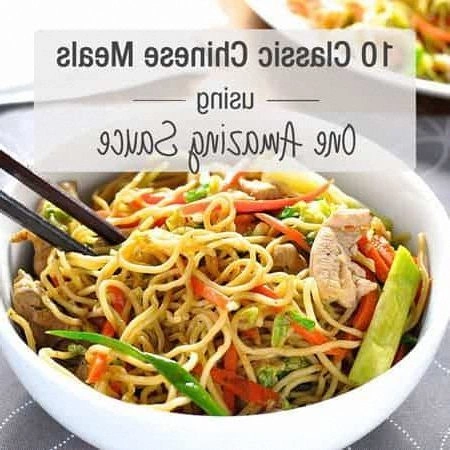
- Serve immediately, either in the wok for a rustic feel or plated in a large shallow bowl. The dish should look like a colorful mosaic—golden noodles interlaced with ruby carrots, emerald bok choy, and specks of toasted sesame. That sizzle when it hits the pan? Absolute perfection. And now the fun part—dig in and enjoy the symphony of flavors you just orchestrated.
Insider Tricks for Flawless Results
The Temperature Rule Nobody Follows
High heat is non‑negotiable. If your wok isn’t smoking, the ingredients will steam instead of sear, resulting in limp veggies and soggy noodles. I keep a small metal spoon in the wok; when it starts to singe after a few seconds, you know you’ve hit the sweet spot. This tiny trick saved me countless bland stir‑fry attempts.
Why Your Nose Knows Best
Before you even taste, trust the aroma. When the garlic and ginger hit the oil, you should smell a sweet, slightly nutty fragrance within 10 seconds. If the scent feels muted, the heat isn’t hot enough, and you need to crank it up. Your nose is the first quality control checkpoint—listen to it.
The 5‑Minute Rest That Changes Everything
After tossing everything together, remove the wok from the heat and let the dish sit for exactly five minutes. This pause lets the sauce thicken just enough to cling without pooling. I used to skip this step and end up with a watery mess; now the rest is a non‑negotiable part of my routine.
Oil Management Mastery
Don’t dump all the oil at once. Adding oil in stages prevents the wok from becoming a greasy pool, which would drown the sauce. A quick splash at the start, another after the protein is cooked, and a final drizzle when the noodles join ensures each component gets the right amount of sheen.
Seasoning Layering Like a Pro
Season at every stage: a pinch of salt with the veggies, a dash of pepper with the protein, and a final splash of soy sauce when the noodles go in. This layered approach builds depth, much like a composer adding instruments one by one. I once tried to season everything at the end—predictably, the flavor was flat.
Creative Twists and Variations
This recipe is a playground. Here are some of my favorite ways to switch things up:
Spicy Szechuan Shock
Swap the regular chilli bean sauce for Szechuan peppercorn oil and add a teaspoon of doubanjiang. The result is a tongue‑tingling heat that lingers, perfect for those who love a fiery kick.
Thai‑Inspired Coconut Curry
Replace half the water with coconut milk and add a tablespoon of red curry paste. Toss in sliced bell peppers and basil leaves for a fragrant, creamy twist that transports you to a street market in Bangkok.
Vegetarian Delight
Omit all animal proteins and double the tofu cubes, shiitake mushrooms, and snap peas. The sauce clings just as well, and the dish becomes a hearty plant‑based feast that satisfies even meat‑eaters.
Seafood Sensation
Introduce shrimp, scallops, and a splash of fish sauce. The seafood’s natural sweetness melds with the sauce, creating a luxurious maritime flavor profile.
Sweet & Sour Fusion
Add a tablespoon of pineapple juice and a pinch of brown sugar to the sauce, then toss in pineapple chunks. The sweet‑tart balance brightens the dish, making it a perfect summer crowd‑pleaser.
Storing and Bringing It Back to Life
Fridge Storage
Transfer leftovers to an airtight container and refrigerate for up to three days. The noodles may absorb some sauce, so when reheating, add a splash of water or extra sauce to revive the glossy coat.
Freezer Friendly
Cool the stir‑fry completely, then portion into freezer‑safe bags. It freezes well for up to two months. Thaw overnight in the fridge, then reheat in a hot wok with a drizzle of oil and a tablespoon of water to steam it back to life.
Best Reheating Method
For the ultimate texture, reheat in a pre‑heated wok over high heat, stirring constantly. Add a tiny splash of water—just enough to create steam—and you’ll have a dish that’s practically fresh‑made, with that coveted wok‑kissed crunch.