I still remember the first time I attempted to make coconut shrimp at home. What started as a casual Sunday afternoon cooking experiment quickly devolved into a scene that would make any food blogger weep — oil splattered across every surface, smoke alarms serenading the neighborhood, and a pile of sad, soggy shrimp that looked nothing like the golden, crispy beauties I'd drooled over at restaurants. The kitchen smelled like a deep-fried disaster zone, and I was ready to swear off homemade coconut shrimp forever. But then, like any good food obsessive, I became determined to crack the code for perfect coconut shrimp without the deep-fryer drama.
Fast forward through countless test batches, a few minor burns (nothing dramatic, just battle scars of dedication), and one particularly memorable evening when I ate an entire tray of failed attempts standing over the sink, I finally stumbled upon something magical. The breakthrough came when I decided to ditch the traditional deep-frying method entirely and embrace the oven — but not just any baking method. This version combines the tropical richness of Thai coconut with the bright, citrusy punch of lemongrass, all wrapped around perfectly cooked shrimp that emerge from the oven with the most incredible texture.
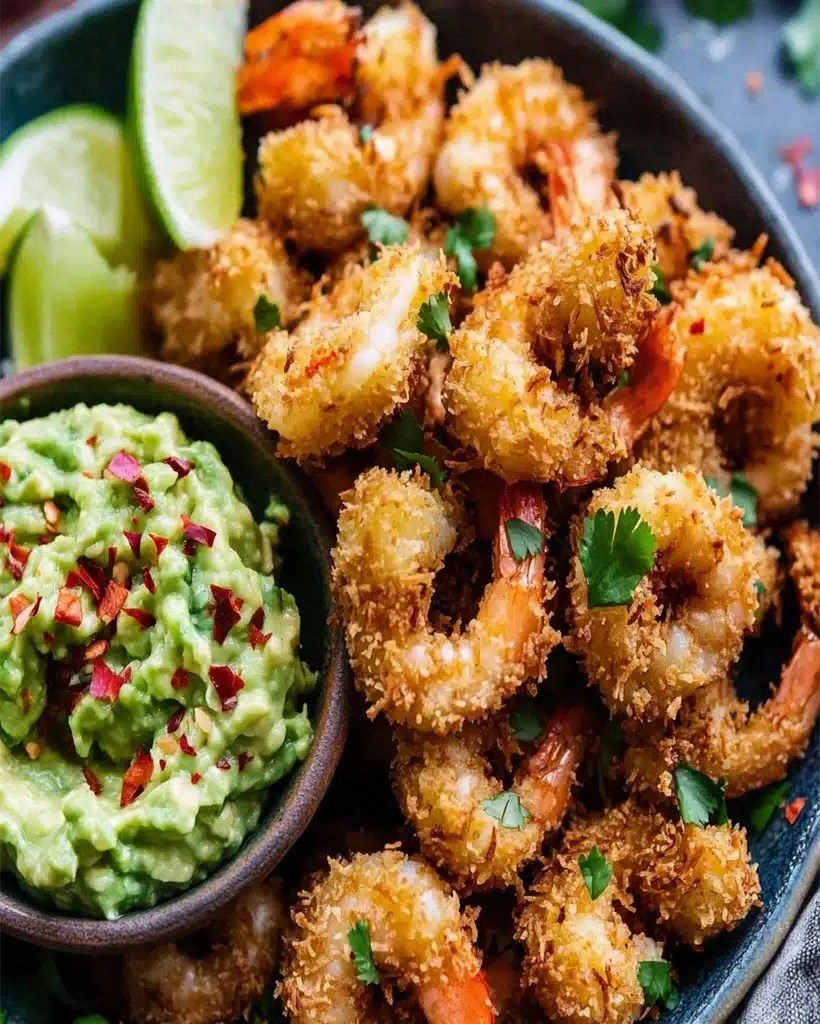
What makes this recipe absolutely game-changing is the accompanying lemongrass guacamole — yes, you heard that right. Before you wrinkle your nose at the idea of adding lemongrass to guac, hear me out. This isn't your typical Tex-Mex guacamole situation. The lemongrass adds this incredible brightness that cuts through the richness of the coconut coating, creating a flavor combination that'll make your taste buds do a happy dance. Picture yourself pulling a tray of these golden beauties from the oven, the aroma of coconut and lemongrass filling your kitchen, while you whip up the most addictive guacamole variation you've ever tasted.
Let me walk you through every single step — by the end, you'll wonder how you ever made it any other way. This isn't just another coconut shrimp recipe; this is the coconut shrimp recipe that'll ruin you for all others. The best part? Everything bakes in the oven, which means no oil splatter, no lingering fried food smell, and definitely no smoke alarm concerts. Just pure, tropical flavor that'll transport you straight to a beachside restaurant in Thailand, minus the plane ticket.
What Makes This Version Stand Out
Texture Perfection: Most coconut shrimp recipes end up with coconut that burns before the shrimp cooks through, or worse, falls off entirely. This version uses a clever three-step coating process that creates a shatteringly crisp exterior while keeping the shrimp juicy and tender inside. The secret lies in using both shredded coconut and coconut flour for maximum adhesion and flavor.
Flavor Explosion: While traditional coconut shrimp can be one-note sweet, this Thai-inspired version layers in lemongrass, lime zest, and a touch of chili for complexity that'll make your palate sing. Each bite delivers the perfect balance of sweet, savory, tangy, and just a whisper of heat that builds slowly rather than overwhelming.
Healthier Indulgence: By baking instead of deep-frying, we're cutting the fat content by about 70% without sacrificing any of that satisfying crunch you crave. The oven actually helps the coconut toast more evenly than deep-frying, giving you those gorgeous golden edges that shatter like thin ice when you bite into them.
Make-Ahead Magic: Unlike fried versions that turn soggy within minutes, these baked beauties hold their crunch for hours, making them perfect for entertaining. You can prep everything up to the final baking step earlier in the day, then just pop them in the oven when guests arrive.
Show-Stopping Presentation: The natural variations in coconut toasting create these beautiful golden and amber hues that look artisanal rather than mass-produced. Arrange them on a platter with the bright green lemongrass guacamole, and you've got a restaurant-worthy presentation that'll have everyone reaching for their phones before they even taste them.
Crowd-Pleasing Guarantee: I dare you to taste this and not go back for seconds. I've served these at everything from casual game nights to fancy dinner parties, and they disappear faster than anything else on the table. Even people who claim they don't like coconut end up converting after one bite.
Ingredient Integrity: This recipe celebrates each ingredient rather than masking them. The shrimp's natural sweetness shines through, the coconut adds nutty richness, and the lemongrass brings that unmistakable citrus-floral note that makes Thai cuisine so addictive.
Alright, let's break down exactly what goes into this masterpiece...
Inside the Ingredient List
The Flavor Base
Let me be crystal clear about something — the quality of your shrimp will make or break this recipe. Don't even think about using those sad, tiny salad shrimp from a can. You want large, plump shrimp (16-20 count per pound) that still have their tails on. The tail isn't just for presentation; it acts like a natural handle that keeps the coating intact while giving you something to grab when dipping. Fresh shrimp should smell like the ocean on a good day, not like low tide on a bad one. If they smell fishy or have a slimy texture, walk away and find a better seafood counter.
Full-fat coconut milk isn't just a suggestion here — it's essential for creating the rich, tropical flavor that makes these shrimp addictive. The fat content helps the coating adhere better while adding moisture that prevents the shrimp from drying out in the oven. Don't you dare reach for that watery "light" coconut milk unless you want sad, bland shrimp. We're making restaurant-quality food here, people. One can of good coconut milk will give you enough for both the marinade and the coating, so it's not like you're buying a specialty ingredient you'll never use again.
Fresh lemongrass might seem intimidating if you've never worked with it, but it's actually incredibly forgiving. Look for stalks that feel firm and heavy for their size, with no soft spots or brown patches. The bottom bulb should look fresh, not dried out. If you can't find fresh lemongrass, the lemongrass paste in the tube works surprisingly well — just use half the amount since it's more concentrated. Pro tip: freeze any leftover lemongrass stalks, and you'll always have this magical ingredient on hand for curries, teas, or your next batch of these shrimp.
The Texture Crew
Unsweetened shredded coconut is your friend here, not those overly sweetened flakes that belong in a macaroon. You want the natural coconut flavor to shine through without competing with added sugar. The shreds should be relatively fine — if they're too large, give them a quick pulse in your food processor. This creates more surface area for toasting and ensures the coating cooks evenly. Trust me, spending an extra minute on this step prevents those dreaded bites where you get a massive piece of untoasted coconut.
Panko breadcrumbs might seem like an odd addition to coconut shrimp, but they're the secret weapon for achieving that light, shatteringly crisp texture. Regular breadcrumbs would make the coating dense and heavy, while panko creates these airy, crispy pockets that stay crunchy even after the shrimp cool. Look for the Japanese-style panko, not the Italian seasoned stuff that'll clash with our Thai flavors. If you're feeling fancy, you can find coconut panko at some Asian markets, which doubles down on the coconut flavor.
Cornstarch plays a crucial role in our coating system, creating a dry surface that helps everything stick together. It also adds a delicate crunch that you can't achieve with flour alone. Some recipes use all-purpose flour, but cornstarch gives you that light, tempura-like quality that makes restaurant coconut shrimp so addictive. Don't skip this ingredient unless you want your coating to slide off in sheets like a bad sunburn.
The Unexpected Star
Fish sauce might seem like a strange addition to a coconut shrimp recipe, but just a teaspoon adds incredible depth and umami that makes people ask "what's in this?" without being able to identify it specifically. It doesn't make the shrimp taste fishy — instead, it enhances the natural seafood flavors and adds complexity to the sweet coconut. If you're absolutely fish sauce-averse, you can substitute with soy sauce, but you'll lose some of that authentic Thai flavor profile that makes this recipe special.
Lime zest adds brightness that cuts through the rich coconut coating, preventing the whole thing from feeling too heavy. Use a microplane to zest the lime directly over your marinade bowl — this captures all the aromatic oils that make the difference between good and spectacular coconut shrimp. Don't use that pre-zested stuff from a jar; it tastes like cardboard and has none of the volatile oils that make fresh zest magical.
The Final Flourish
Fresh cilantro for the guacamole isn't negotiable — the dried stuff will make your guac taste like dusty lawn clippings. Look for bright green bunches with no yellowing leaves or slimy stems. If you're one of those people who think cilantro tastes like soap (blame your genetics, not the herb), you can substitute with Thai basil or even fresh mint for a different but equally delicious flavor direction.
Ripe avocados for the guacamole should yield gently to pressure but not feel mushy. The little nub where the stem attaches should pop off easily — if it's difficult to remove or shows brown underneath, your avocado is past its prime. Buy them a day or two ahead and let them ripen on your counter, then refrigerate once they're perfect to slow down the ripening process. Nothing ruins guacamole like rock-hard or brown avocados.
Everything's prepped? Good. Let's get into the real action...
The Method — Step by Step
- Start by preparing your shrimp like a pro — peel and devein them if they aren't already, but leave those beautiful tails intact. Rinse them under cold water and pat them dry with paper towels like your life depends on it. Any excess moisture will prevent the coating from adhering properly, and we'll end up with sad, patchy shrimp. Lay them out on a cutting board and make a shallow cut down the back of each shrimp, being careful not to cut all the way through. This butterfly technique helps them cook more evenly and creates a larger surface area for maximum coconut coverage. Season both sides with salt and pepper, then let them rest while you whip up the marinade.
- Now for the flavor bath that'll make these shrimp sing — in a medium bowl, whisk together coconut milk, minced lemongrass, lime zest, fish sauce, and a pinch of red pepper flakes if you like a gentle heat. The mixture should smell like a tropical vacation in Thailand, bright and citrusy with that unmistakable lemongrass perfume. Add your shrimp to this fragrant pool of deliciousness, making sure each one gets fully submerged in the coconut goodness. Cover with plastic wrap and refrigerate for at least 30 minutes, but no more than 2 hours — any longer and the acid in the lime will start to cook the shrimp, giving us that weird ceviche texture we're definitely not going for here.
- While your shrimp bathes in tropical flavors, it's time to set up your coating station — you'll need three shallow dishes. In the first, place cornstarch seasoned with salt and pepper. The second gets beaten eggs mixed with a splash of the coconut marinade for extra flavor. The third combines panko breadcrumbs, shredded coconut, and a pinch of salt. This three-step process might seem fussy, but it's what separates amateur coconut shrimp from restaurant-quality ones. The cornstarch creates a dry surface for the egg to grab onto, and the egg gives the coconut mixture something to stick to. Skip any step and you'll end up with a patchy, sad coating that falls off in sheets.
- Preheat your oven to 425°F and position a rack in the upper third — this higher placement helps the coconut toast properly without overcooking the shrimp. Line a baking sheet with parchment paper or a silicone mat (clean-up is your friend here), and set a wire rack on top if you have one. The rack allows hot air to circulate underneath, ensuring your shrimp stay crispy all around. If you don't have a rack, flip the shrimp halfway through cooking, but know that the bottom won't be quite as crispy. The oven needs to be fully preheated — don't rush this step or your coconut will burn before the shrimp cook through.
- Time for the coating ceremony — remove shrimp from marinade, letting excess drip off, then dredge in cornstarch, shaking off any excess. Dip in egg mixture, again allowing excess to drip away, then press into the coconut mixture, making sure to coat both sides thoroughly. Press gently to help the coating adhere, but don't squash the shrimp. Place on your prepared rack and repeat with remaining shrimp. I like to use one hand for wet ingredients and one for dry to prevent the dreaded club hand that happens when everything gets gummed together. This is the moment of truth — take your time here and don't rush the coating process.
- Into the oven they go for 12-15 minutes, until the coconut turns golden brown and the shrimp are pink and firm to the touch. Don't walk away from the oven during the last few minutes — coconut can go from perfectly toasted to burnt in under a minute. The edges should be deep golden, and the coating should look dry and crisp. If you want extra browning, switch to broil for the final 1-2 minutes, but watch them like a hawk. That sizzle when they hit the hot pan? Absolute perfection. Let them rest for 5 minutes before serving — this allows the coating to set and prevents the dreaded molten shrimp burn.
- While the shrimp work their magic in the oven, let's create the lemongrass guacamole that'll make people forget regular guac ever existed. Halve your avocados, remove the pits (save one for later — it helps prevent browning), and scoop the flesh into a bowl. Add minced lemongrass, lime juice, chopped cilantro, minced red onion, and a pinch of salt. Mash everything together, leaving some chunks for texture. Taste and adjust seasoning — you want bright, citrusy flavors that complement the rich coconut shrimp. If you've ever struggled with bland guacamole, you're not alone — and I've got the fix. The key is tasting as you go and not being shy with the acid and salt.
- Serve these beauties immediately with the lemongrass guacamole on the side for dipping. Garnish with extra cilantro leaves and lime wedges if you're feeling fancy. The contrast of hot, crispy shrimp with cool, creamy guacamole is what food dreams are made of. Watch as people take their first bite — there's always a moment of surprise when they taste the lemongrass, followed by pure joy. I dare you to taste this and not go back for seconds. Actually, I'll be honest — I ate half the batch before anyone else got to try it when I was recipe testing. No regrets.
That's it — you did it. But hold on, I've got a few more tricks that'll take this to another level...
Insider Tricks for Flawless Results
The Temperature Rule Nobody Follows
Here's where most home cooks go wrong — they don't let their ingredients come to room temperature before cooking. Cold shrimp straight from the fridge will cook unevenly, leaving you with overcooked outsides and raw centers. Take your marinated shrimp out 15 minutes before coating and baking. This simple step ensures even cooking and prevents the coating from burning while you wait for the center to cook through. Same goes for your eggs — room temperature eggs mix more evenly with the coconut marinade, creating a smoother coating that adheres better to the shrimp.
Why Your Nose Knows Best
Don't underestimate the power of your sense of smell when cooking these shrimp. When the coconut starts toasting properly, you'll smell this incredible nutty aroma wafting from the oven — that's your cue to start checking for doneness. If you smell anything approaching burnt or acrid, immediately reduce the oven temperature by 25 degrees. Every oven is different, and coconut goes from perfectly golden to burnt faster than you'd think. Trust your nose over the timer — it's never steered me wrong in hundreds of batches. That moment when the lemongrass hits the warm avocado in the guacamole? Pure magic.
The 5-Minute Rest That Changes Everything
After pulling your shrimp from the oven, resist the urge to immediately dig in. Let them rest on the rack for 5 minutes — this allows the coating to set and any residual steam to escape, ensuring maximum crispiness. If you pile them onto a plate right away, the steam will create condensation that softens your beautiful crispy coating. This is also the perfect time to finish your guacamole and set up your serving platter. A friend tried skipping this step once — let's just say it didn't end well. The coating slid off in sheets, and we ended up eating naked shrimp with coconut crumbs on the side. Not the same experience.
The Double-Coat Secret
For extra-thick, extra-crispy coating, try the double-dip method. After your first coating of coconut mixture, let the shrimp rest for 5 minutes, then give them a second pass through the egg and coconut. This creates a heartier coating that stays crispy longer — perfect if you're serving these at a party where they might sit out for a bit. The double coat also helps if your coconut shreds are particularly fine, as it builds up more texture. Just remember that double-coated shrimp will need an extra 2-3 minutes in the oven, so adjust your timing accordingly.
The Make-Ahead Game Plan
Picture yourself hosting a dinner party where you're not stuck in the kitchen while everyone else is having fun. You can coat these shrimp completely up to 4 hours ahead and keep them refrigerated on the rack. Just don't add the final seasoning until right before baking, as salt will draw moisture out and make the coating soggy. When guests arrive, pop them in the oven and you'll have hot, crispy shrimp in 15 minutes. The guacamole can be made up to 2 hours ahead — press plastic wrap directly onto the surface to prevent browning. This next part? Pure magic. You can even freeze the coated, uncooked shrimp on a tray, then transfer to a freezer bag. Bake from frozen, adding 3-4 extra minutes to the cooking time.
Creative Twists and Variations
This recipe is a playground. Here are some of my favorite ways to switch things up:
Spicy Thai Basil Version
Add 2 tablespoons of minced Thai basil and 1 teaspoon of sriracha to your coconut marinade for a version with herbaceous notes and gentle heat. The Thai basil adds an anise-like flavor that pairs beautifully with the coconut, while the sriracha gives just enough kick to keep things interesting. Swap the lemongrass guacamole for a simpler version with just avocado, lime, and extra Thai basil. This variation is perfect for those who like their food with a bit of personality.
Macadamia Coconut Crust
Replace half the panko with finely chopped macadamia nuts for an ultra-decadent version that's fit for a special occasion. The nuts add richness and create these amazing crispy bits that take the texture to another level. This version pairs beautifully with a pineapple salsa instead of the guacamole — think Hawaiian vacation on a plate. The natural oils in the macadamias help everything brown beautifully.
Mango Curry Coconut Shrimp
Add 1 teaspoon of yellow curry powder and 2 tablespoons of mango puree to your marinade for a version that screams tropical indulgence. The curry adds warmth and complexity while the mango brings subtle sweetness that complements the coconut. Serve with a mango chutney instead of guacamole for double the tropical flavor. This variation is particularly good for outdoor summer parties.
Blackened Coconut Shrimp
For those who like it bold, add 1 teaspoon each of smoked paprika and cayenne to your coconut coating. The spices create this gorgeous mahogany color and add smoky heat that balances the sweet coconut. Keep the lemongrass guacamole but add extra lime juice to cut through the richness. Fair warning: this version is addictive, and the spice level builds as you eat.
Mini Party Skewers
Thread the coated shrimp onto small skewers (3-4 per skewer) before baking for perfect party food. The skewers make them easy to serve and eat, plus they look incredibly professional. You can even do a variety of flavors on different skewers — mark them with colored toothpicks so guests know what they're getting. This presentation works especially well for cocktail parties where people are standing and mingling.
Lettuce Wrap Version
Serve the shrimp with crisp butter lettuce leaves, the guacamole, and a quick pickled vegetable slaw for a light, fresh take that works as an appetizer or main dish. The cool crunch of the lettuce and acidic bite of the pickles balance the rich coconut coating perfectly. This version is particularly good for summer when you want something satisfying but not heavy.
Storing and Bringing It Back to Life
Fridge Storage
Cooked shrimp can be refrigerated in an airtight container for up to 3 days, but let's be honest — they're never as good as fresh from the oven. The coating will soften in the fridge, but you can restore some crispiness by reheating them in a 400°F oven for 5-7 minutes. Store them in a single layer if possible, separated by parchment paper to prevent sticking. The guacamole will keep for 2 days in the fridge — press plastic wrap directly onto the surface to prevent browning, and give it a good stir before serving.
Freezer Friendly
Here's where this recipe really shines — you can freeze the coated, uncooked shrimp on a baking sheet until solid, then transfer to a freezer bag for up to 2 months. When you're ready to eat, bake them straight from frozen, adding 3-4 minutes to the cooking time. They won't be quite as crispy as fresh, but they're still miles better than any frozen coconut shrimp you'd buy. Cooked shrimp can also be frozen, but the texture suffers more upon reheating. I recommend freezing them uncooked for best results.
Best Reheating Method
Toaster oven is your friend here — reheat at 375°F for 5-6 minutes until warmed through and crisp. The microwave is a hard pass unless you enjoy rubbery shrimp with soggy coating. If you only have a regular oven, use a wire rack set over a baking sheet to allow air circulation. Add a tiny splash of water to the bottom of the pan before reheating — it creates steam that prevents the shrimp from drying out while the coating crisps up. For the guacamole, let it come to room temperature for 15 minutes before serving — cold guac dulls all those bright flavors we worked so hard to develop.