I was standing in my kitchen, staring at a mound of sliced mushrooms that looked like a green, earthy mountain. The air smelled faintly of damp soil, a hint of wood from the pan, and an almost rebellious whisper of garlic. My friend had dared me to make a dish that would make him taste “the forest after a summer rain” without ever leaving the house. I laughed, because I knew I was about to turn that dare into a culinary triumph that would have him begging for seconds.
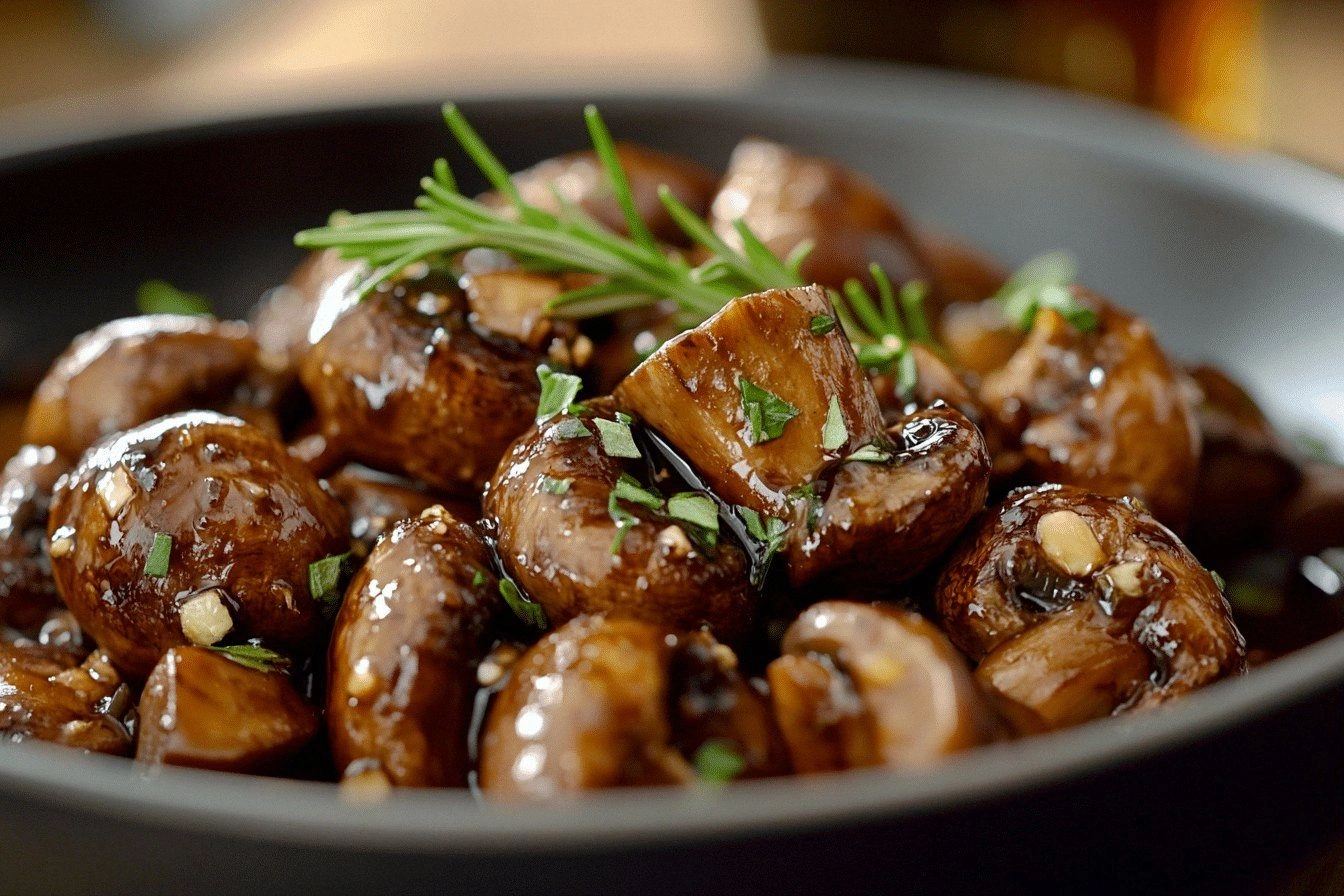
The first bite is a revelation: a glossy, umami‑laden sauce that coats each mushroom cap like velvet, while the edges caramelize into a crisp that shatters like thin ice when you bite. The aroma that rises from the skillet is a marriage of sweet balsamic, salty soy, and the warm, comforting scent of toasted garlic. The texture is a dance of soft, juicy stems and a slightly crunchy rim, all wrapped in a sauce that thickens to a glossy glaze. Picture the whole kitchen smelling incredible, with the steam curling like a fragrant mist. I’m not exaggerating when I say this is hands down the best version you'll ever make at home.
What sets this recipe apart is the unexpected twist: a splash of sesame seeds that adds a subtle nutty crunch, and a finish of fresh parsley that brightens the dish with a citrusy zing. I swear, the combination of soy and balsamic is a flavor paradox that works wonders, creating a depth that feels both sweet and savory, like a well‑tuned jazz solo. I’ll be honest — I ate half the batch before anyone else got to try it, and the second bite was a revelation that left me craving more. Most recipes get this completely wrong, focusing on either a sweet or a salty profile; here, both dance in perfect harmony.
Let me walk you through every single step — by the end, you'll wonder how you ever made it any other way. I dare you to taste this and not go back for seconds. The journey from raw mushrooms to a plated masterpiece is a series of small, deliberate actions that build flavor and texture. Ready? Then let’s dive into what makes this version stand out.
What Makes This Version Stand Out
- Flavor Fusion: The marriage of balsamic vinegar and soy sauce creates a sweet‑salty symphony that elevates the earthy undertones of mushrooms to new heights.
- Texture Contrast: A careful sear gives each mushroom a caramelized edge, while the interior remains tender, offering a satisfying bite that shatters like thin ice.
- Ingredient Simplicity: With only a handful of pantry staples, this dish is accessible yet gourmet, making it a go‑to for any cook.
- Versatile Base: The sauce can double as a glaze for steak, a topping for pasta, or a dip for crusty bread, expanding its utility beyond a single dish.
- Crowd‑Pleaser: The bold, umami‑rich flavors are sure to win over even the most skeptical diners, making it a hit at gatherings.
- Make‑Ahead Friendly: The sauce keeps well, and the mushrooms can be cooked ahead and reheated without losing their flavor or texture.
- Seasonal Flexibility: While mushrooms are at their peak in fall, this dish works year‑round thanks to pantry staples.
- Health Conscious: Packed with protein from soy sauce and a good dose of vitamins from fresh herbs, it’s a balanced, flavorful choice.
Alright, let's break down exactly what goes into this masterpiece…
Inside the Ingredient List
The Flavor Base
The foundation of this sauce is the combination of soy sauce and balsamic vinegar. Soy sauce brings a deep umami and saltiness that cuts through the earthiness of the mushrooms, while balsamic adds a subtle sweetness and acidity that balances the dish. If you skip either, the flavor profile becomes lopsided, either too salty or too sweet. Swap soy sauce with tamari for a gluten‑free version, but keep the ratio the same to maintain balance. When selecting soy sauce, opt for a low‑sodium version if you’re watching sodium intake; just add a pinch more salt later.
The Texture Crew
Mushrooms are the star, and their texture hinges on proper slicing and searing. Slice them evenly, about 1/4 inch thick, so they cook uniformly. The olive oil creates a slick surface that promotes caramelization, giving the mushrooms their coveted crispy edges. If you use too much oil, the mushrooms will steam instead of sear, losing that desirable crunch. For a richer flavor, finish with a pat of unsalted butter; the butter adds a silky mouthfeel and a subtle nutty aroma.
The Unexpected Star
Garlic is the unsung hero that ties everything together. Minced garlic releases a potent aroma when sautéed, infusing the oil with a fragrant, slightly sweet note. If you prefer a milder garlic flavor, use just one clove, or substitute with garlic powder. Remember, garlic can burn quickly, so keep the heat moderate after adding it. The addition of sesame seeds provides a surprising crunch and a nutty undertone that elevates the dish beyond ordinary mushroom recipes.
The Final Flourish
Fresh herbs like thyme and parsley finish the dish with bright, herbal notes. Thyme adds earthiness and a subtle floral aroma, while parsley brightens the sauce with a fresh, citrusy lift. If you’re in a pinch, dried herbs can substitute, but use a third of the amount to avoid overpowering the dish. A pinch of black pepper and a dash of brown sugar balance the acidity and saltiness, rounding out the flavor profile. The final splash of butter at the end creates a glossy sheen and a velvety texture that makes the dish feel indulgent.
Everything's prepped? Good. Let's get into the real action…
The Method — Step by Step
- Heat a large skillet over medium‑high heat. Add the olive oil and allow it to shimmer, but not smoke. Once the oil is hot, add the sliced mushrooms in a single layer, leaving space between each piece to prevent steaming. This step is crucial for achieving that caramelized, crispy edge that will become the signature texture of the dish. Watch the mushrooms sizzle; the sound is your cue that the heat is just right.
- Let the mushrooms cook undisturbed for about 3–4 minutes on the first side. When the bottom is golden brown and the edges start pulling away, flip them gently. This is the moment of truth—if you stir too early, the mushrooms will release moisture and lose their crispness. Flip once; you’re aiming for even caramelization on both sides.
- Add the minced garlic to the skillet. Sauté for 30 seconds until fragrant, being careful not to let it burn. Garlic can go from aromatic to bitter in seconds, so keep a close eye. The garlic will infuse the oil, creating a base that carries the soy‑balsamic sauce into the mushroom flesh.
- Pour in the soy sauce and balsamic vinegar, stirring to coat the mushrooms. The mixture should start to bubble and thicken slightly within a minute. If you notice the sauce sticking to the pan, add a splash of water to loosen it. This step creates the glossy glaze that will coat every mushroom cap.
- Stir in the brown sugar, thyme, and black pepper. The sugar caramelizes, enhancing the sauce’s depth, while thyme adds an earthy aroma. The pepper gives a subtle bite that balances the sweetness. Let the mixture simmer for 2 minutes, allowing the flavors to meld into a harmonious sauce.
- Reduce the heat to medium and add the unsalted butter. The butter melts into the sauce, creating a silky texture and a glossy sheen. Stir constantly to prevent the butter from separating. This is the moment when the sauce reaches its peak richness.
- Sprinkle the sesame seeds over the mushrooms and stir gently to coat. The sesame seeds add a nutty crunch that complements the caramelized edges. If you’re feeling adventurous, add a pinch of chili flakes for a hint of heat. The seeds should toast slightly, releasing their aroma.
- Finish by adding the chopped parsley and a splash of water if the sauce feels too thick. The parsley brightens the dish and adds a fresh, green contrast to the rich sauce. Give everything a final stir and taste; adjust salt or pepper as needed.
- Transfer the mushrooms to a serving dish and drizzle any remaining sauce over the top. The dish should look glossy, with a subtle sheen of butter and a pop of green from the parsley. Let the dish rest for a minute; the flavors will settle, creating a harmonious balance.
That's it — you did it. But hold on, I've got a few more tricks that'll take this to another level. These insider tips will help you master the dish, whether you're cooking for a crowd or a quiet night in.
Insider Tricks for Flawless Results
The Temperature Rule Nobody Follows
The key to a perfectly caramelized mushroom is medium‑high heat. Many cooks lower the heat too early, resulting in mushy texture. Keep the skillet hot until the mushrooms sizzle loudly. If the oil starts smoking, lower the heat slightly. This small adjustment can mean the difference between a soggy mess and a golden masterpiece.
Why Your Nose Knows Best
Your sense of smell is your most reliable indicator of doneness. When the mushrooms start to release a nutty aroma, they’re ready for the sauce. If the aroma is too sharp or burnt, reduce the heat immediately. This sensory checkpoint saves you from overcooking and keeps the mushrooms juicy.
The 5‑Minute Rest That Changes Everything
After cooking, let the mushrooms rest for five minutes before serving. This allows the juices to redistribute, ensuring each bite is moist. During this short rest, the sauce thickens slightly, creating a more cohesive glaze. A quick pause can elevate the dish from good to unforgettable.
The Sweet‑Savory Balance
If you find the sauce too sweet, add a pinch of sea salt to deepen the savory notes. Conversely, if it’s too salty, a splash of water or a spoonful of sugar can restore balance. The trick is to taste after each adjustment; small changes accumulate quickly.
The Quick Garnish Trick
For a pop of color and crunch, sprinkle toasted pine nuts or crushed walnuts just before serving. These nuts add a buttery texture that complements the sauce’s silkiness. They also introduce a subtle nutty flavor that pairs beautifully with the soy‑balsamic glaze.
Creative Twists and Variations
This recipe is a playground. Here are some of my favorite ways to switch things up:
Steak Glaze Version
Brush the sauce over a grilled steak for a savory glaze. The soy‑balsamic flavor pairs beautifully with beef, and the caramelized mushrooms become a side or topping. Serve with roasted potatoes for a complete meal.
Pasta Perfection
Toss the mushrooms and sauce with cooked fettuccine or spaghetti. The glossy sauce coats the noodles, creating a decadent pasta dish. Finish with grated Parmesan and fresh basil for an extra layer of flavor.
Vegan Delight
Omit the butter and replace it with coconut oil for a vegan version. The coconut oil adds a subtle tropical note that complements the soy and balsamic. Pair with quinoa or brown rice for a wholesome, plant‑based meal.
Spicy Kick
Add a teaspoon of Sriracha or a pinch of cayenne pepper to the sauce for heat. The spice cuts through the sweetness, creating a balanced, bold flavor profile. This variation is perfect for those who love a little fire.
Herb‑Infused Variation
Swap thyme for rosemary or oregano for a Mediterranean twist. The herbs bring a different aromatic profile, making the dish feel fresh and new. This version pairs well with grilled chicken or lamb.
Breakfast Boost
Sauté the mushrooms with a splash of maple syrup and serve them over scrambled eggs. The sweet‑savory sauce complements the eggs, creating a hearty breakfast. Top with a sprinkle of chives for added color.
Storing and Bringing It Back to Life
Fridge Storage
Store the cooked mushrooms and sauce in an airtight container for up to 3 days. Keep the sauce separate if you plan to reheat it, as it can thicken in the fridge. When ready to eat, simply reheat on the stove or in a microwave, stirring frequently.
Freezer Friendly
Freeze the mushrooms and sauce in a freezer‑safe bag for up to 2 months. Thaw overnight in the refrigerator before reheating. The texture remains intact, and the flavors intensify slightly after freezing.
Best Reheating Method
Reheat the dish gently over low heat, adding a splash of water or broth to loosen the sauce. The sauce should be heated just enough to become silky again. Avoid high heat, which can cause the sauce to separate or the mushrooms to dry out.