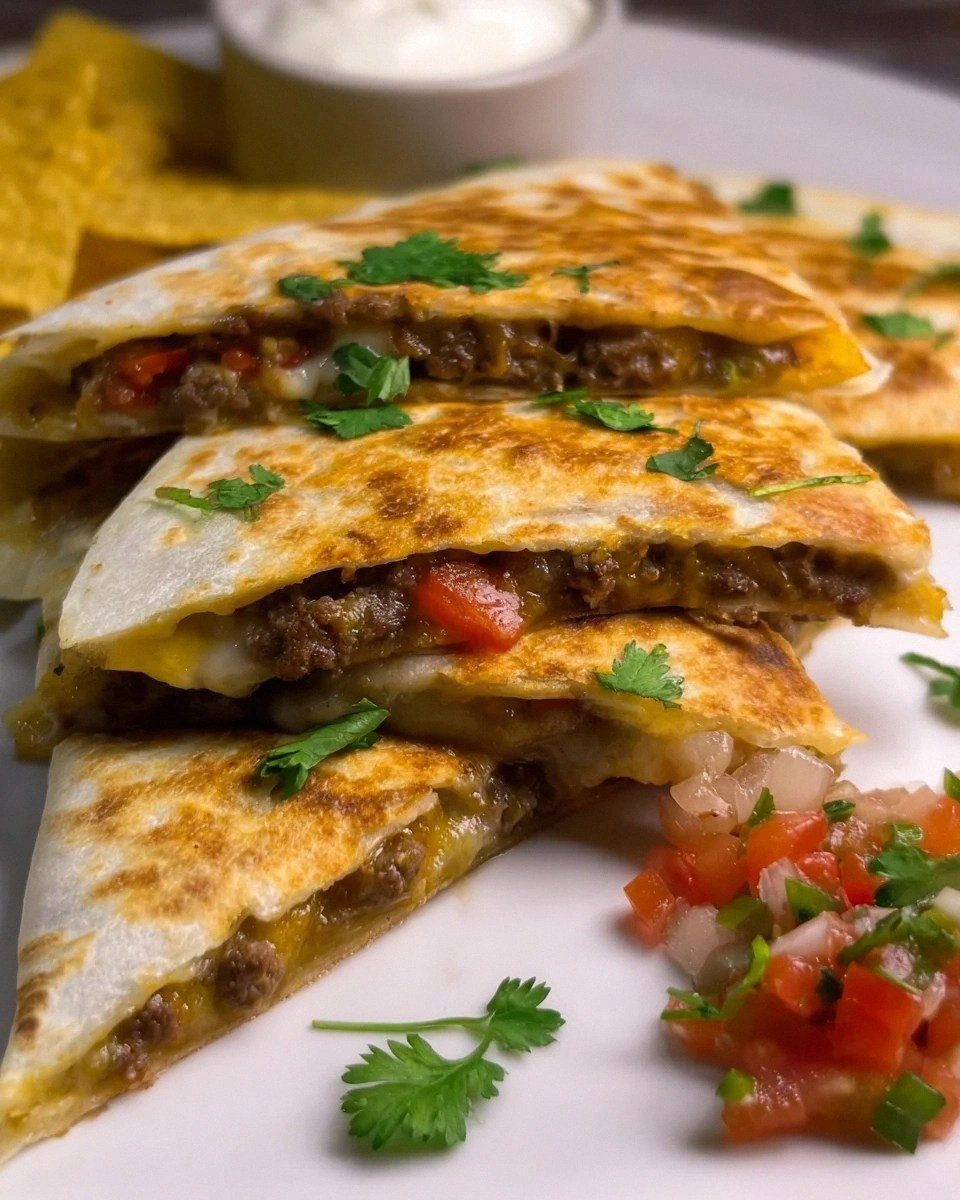
I still remember the night I nearly set my kitchen on fire trying to make what I thought would be a "simple" quesadilla. There I stood, midnight oil burning (literally), smoke alarms serenading the neighborhood, and a pan full of rubbery beef that tasted like cardboard had a sad baby with shoe leather. My roommate walked in, took one look at the disaster, and said the words that changed my cooking life forever: "Dude, you can't just throw stuff in a tortilla and call it dinner." That humiliating moment sent me on a six-month quest to create the ultimate beef and cheese quesadilla — one that would make grown adults weep tears of joy and have neighbors knocking on your door at 2 AM asking what smells so incredible.
Picture this instead: You stand at your stove, the gentle sizzle of perfectly seasoned beef dancing in the pan, the aroma of caramelized onions mingling with smoky paprika and just a whisper of cumin. The sound of a tortilla hitting that hot surface — that satisfying thwack that promises crispy edges and molten cheese pulls that stretch longer than your last relationship. Your kitchen transforms into the best Mexican street food stand you've ever visited, except you're the chef, the menu is whatever you want, and the only line is the one you're about to demolish in record time.
Most recipes treat quesadillas like an afterthought, like some culinary participation trophy. They tell you to toss pre-shredded cheese with dry ground beef, slap it between flour tortillas, and wonder why dinner tastes like disappointment wrapped in sadness. This version? This is the Beyoncé of quesadillas — it demands attention, earns respect, and leaves everyone talking about it long after the plates are cleared. The beef gets a flavor bath that would make a marinade jealous, the cheese creates a lava flow that would make geologists take notes, and the tortilla achieves that perfect golden ratio of crispy-to-chewy that food scientists spend careers chasing.
Here's the kicker — I'm about to show you how to achieve all this with ingredients you probably already have lurking in your fridge and pantry. No fancy equipment, no obscure spices that require a culinary scavenger hunt, no techniques that need a culinary degree to execute. Just pure, unadulterated flavor that will ruin every other quesadilla for you forever. Consider yourself warned: once you taste this version, you'll never look at a restaurant quesadilla the same way again. Let me walk you through every single step — by the end, you'll wonder how you ever made it any other way.
What Makes This Version Stand Out
Flavor Bomb Beef: The ground beef gets treated like royalty here — we're talking a custom spice blend that includes smoked paprika, ancho chili powder, and a secret ingredient that makes people ask "what IS that amazing flavor?" The meat doesn't just brown; it develops a deep, complex flavor that stands up to the cheese instead of disappearing beneath it.
Cheese Strategy: Forget the bagged pre-shredded stuff that tastes like plastic had a baby with sawdust. We're using a three-cheese blend that melts into different textures — one for stretch, one for flavor, and one for that Instagram-worthy cheese pull that makes your phone's camera automatically open.
Tortilla Transformation: Most people treat the tortilla like edible wallpaper — just a vessel to hold stuff. Wrong. We transform it into something that crackles like thin ice when you bite it, yet stays pliable enough that it doesn't shatter and dump your filling all over your lap. The technique involves butter, patience, and a heat level that would make Goldilocks proud.
The Crispy Edge Factor: Those little bits of cheese that escape and caramelize against the pan? We're not leaving those to chance. We create deliberate cheese fringes that crisp into lacy, salty perfection — basically creating built-in snack chips around the edge of every quesadilla.
Make-Ahead Magic: Here's where I get sneaky — you can prep the beef mixture on Sunday and have restaurant-quality quesadillas all week long. The flavors actually improve after a day in the fridge, meaning your Tuesday night dinner tastes like you spent hours on it when really you just assembled and griddled for six minutes.
Leftover Potential: These quesadillas reheat like champions. Unlike their sad, soggy cousins, these maintain their crispy edges and molten center even after a quick spin in the toaster oven. Some might argue they taste even better the next day — if they last that long.
Customizable Canvas: While the base recipe will blow your mind, it also plays well with whatever's in your fridge. Got some caramelized onions? Throw them in. Roasted peppers? Welcome to the party. That tiny bit of leftover steak? Slice it thin and make it feel special again.
Inside the Ingredient List
The Flavor Foundation
The ground beef is the star here, but not just any ground beef. You want 80/20 for the perfect fat ratio — enough fat to keep things juicy and flavorful, but not so much that your quesadilla turns into an oil slick. The 20% fat content gives you crispy edges on the beef that provide textural contrast to the melty cheese. Skip the lean stuff unless you enjoy eating seasoned cardboard that somehow manages to be both dry and greasy at the same time. If you can find grass-fed beef, the flavor difference will make you feel like you've been eating the equivalent of fast food beef your entire life — it's like switching from black and white TV to 4K Ultra HD.
Onion powder and garlic powder aren't just filler here — they're the umami bombs that make people wonder why your beef tastes like it simmered for hours instead of minutes. The onion powder provides a subtle sweetness and depth that fresh onions can't achieve in the short cooking time, while garlic powder distributes evenly throughout the meat without the risk of bitter burnt garlic bits. Don't even think about using garlic salt instead of garlic powder and regular salt — the ratios are all wrong and you'll end up with either over-salted beef or under-seasoned everything else.
The Spice Squad
Smoked paprika is the game-changer that separates restaurant-quality from sad desk lunch. It's not just regular paprika wearing a leather jacket — it's paprika that's been slowly dried over oak fires, developing complex flavors that taste like camping and comfort food had a delicious baby. The smoke adds depth without heat, making the beef taste like it's been slow-cooking for hours even though you've only spent eight minutes on it. Regular paprika will leave you wondering why your quesadilla tastes flat and boring, like it showed up to a costume party wearing khakis.
Cumin brings the earthy warmth that makes the beef taste mysterious and complex, like it has secrets it wants to whisper to you. It's the difference between meat that tastes "fine" and meat that makes people close their eyes involuntarily when they taste it. Too much and you'll feel like you're eating a spice rack, but just enough and it creates this haunting background note that has everyone asking for your recipe. Toast it briefly in the pan before adding your beef and you'll unlock flavors you didn't know existed — it's like the difference between a handshake and a warm hug.
The Cheese Trinity
Monterey Jack is your melting champion — it has the perfect fat content and moisture level to achieve that Instagram-worthy cheese pull that stretches longer than your arm. It's mild enough to let the beef shine but flavorful enough that it doesn't taste like melted plastic. The key is buying it in block form and grating it yourself; pre-shredded cheese is coated with cellulose to prevent clumping, which also prevents it from melting into that smooth, flowing lava you want. Fresh grated Jack melts into a silky river of dairy that binds everything together like delicious edible cement.
Sharp cheddar brings the personality to the party — it's the friend who tells great stories and makes everyone laugh. The aged version we're using has been developing complex flavors for at least a year, creating those little crystals that crunch slightly and taste like cheese candy. It doesn't just melt; it creates pockets of intense flavor that burst in your mouth like savory Pop Rocks. Mix it with the Jack and you get the best of both worlds: perfect meltability plus bold, tangy cheese flavor that can stand up to the spiced beef without getting lost.
Queso quesadilla (yes, that's a real cheese) is the secret weapon that most recipes miss completely. It's a Mexican cheese specifically designed for melting, with a texture that's smoother than a jazz saxophone solo and a flavor that's buttery with just a hint of tang. If you can't find it, substitute Oaxaca cheese or even mozzarella, but know that you're missing out on the authentic experience that makes Mexican grandmothers nod approvingly. This cheese creates the perfect matrix that holds everything together while staying molten and stretchy long after lesser cheeses would have seized up into a rubbery mess.
The Tortilla Truth
Flour tortillas aren't just corn tortillas that got confused — they're specifically engineered for quesadilla success. The gluten in flour tortillas creates elasticity that lets you fold and flip without everything crumbling like your last relationship. Look for tortillas that feel supple and slightly stretchy, not brittle or cracked like they've already given up on life. The size matters too — ten-inch tortillas give you enough real estate for a generous filling without creating a quesadilla so big you need a pizza box to serve it.
Butter might seem like overkill when you're already using a non-stick pan, but it's the difference between a quesadilla and a transcendent experience. Real butter (never margarine unless you enjoy disappointment) creates those golden-brown spots that taste like childhood and comfort. It also helps the tortilla achieve that perfect texture — crispy edges that shatter like thin ice, giving way to a center that's pliable and almost creamy. The milk solids in butter brown and create flavor compounds that make your kitchen smell like you should be charging admission.
Everything's prepped? Good. Let's get into the real action...
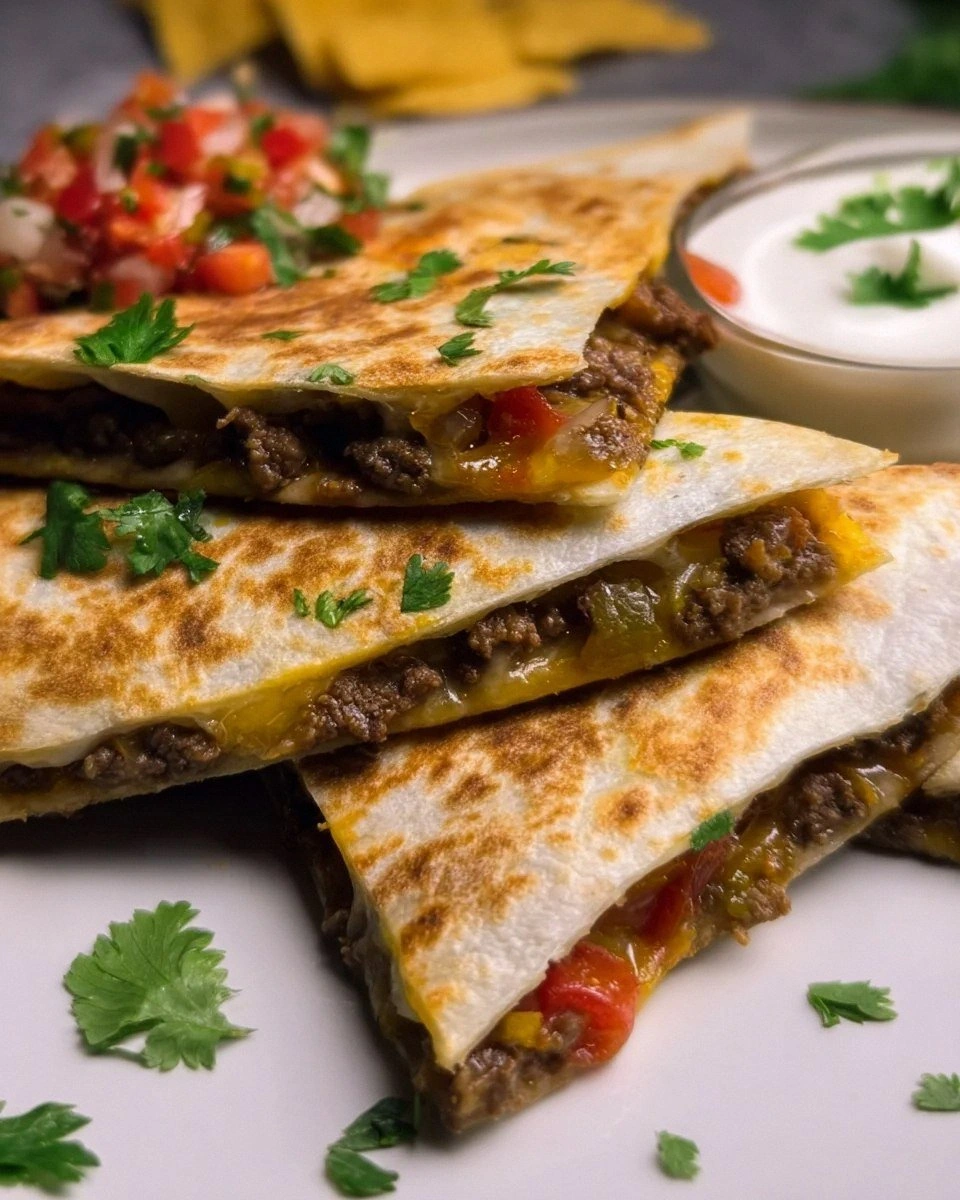
The Method — Step by Step
-
Start by placing your ground beef in a bowl and let it come to room temperature for about 15 minutes — cold beef hitting a hot pan steams instead of sears, and we're building flavor here, not creating gray meat. While you wait, mix your spice blend: two teaspoons smoked paprika, one teaspoon each of onion powder, garlic powder, and kosher salt, plus half a teaspoon of black pepper and a quarter teaspoon of cumin. This might seem like a lot of seasoning, but remember that beef needs to be seasoned aggressively to stand up to all that cheese. Mix the spices together in a small bowl and take a moment to appreciate the color — it should look like sunset in Albuquerque.
-
Heat a large skillet over medium-high heat until a drop of water sizzles away immediately — this is crucial for getting that beautiful brown crust on the beef. Add the ground beef and use a wooden spoon to break it up, but don't go crazy with the mashing. You want some bigger pieces that will create textural contrast, not beef confetti. Let it cook undisturbed for about two minutes — I know it's tempting to stir constantly, but those brown bits are flavor gold. When you see the edges starting to caramelize and the kitchen starts smelling like the best taco truck in town, you know you're on the right track.
-
Now add your spice blend and watch the magic happen — the paprika will bloom and create a paste that coats every bit of beef like velvet. Stir to distribute evenly and cook for another three minutes, letting the spices toast and develop complexity. The beef should start looking darker and more mysterious, like it's been holding onto secrets it can't wait to share. If it seems dry, don't panic — the fat from the cheese will provide all the moisture we need in the final product. Transfer the beef to a bowl and let it cool slightly; hot beef will melt the cheese prematurely and create a greasy mess that no amount of Instagram filtering can fix.
-
While the beef cools slightly, grate your cheese blend using the large holes of a box grater. This isn't just busy work — the size of your cheese shreds affects how they melt. Too fine and they'll disappear into the beef without creating those gorgeous cheese pulls; too coarse and you'll get pockets of unmelted cheese that feel like eating cheese pebbles. Mix the three cheeses together in a bowl and resist the urge to snack on handfuls — I dare you to taste this blend and not go back for seconds. The combination should look like a sunset of dairy, promising molten goodness in every bite.
-
Now for the assembly — this is where most people mess up by overfilling. Lay a tortilla flat and sprinkle about a quarter cup of your cheese blend over half the surface, leaving a half-inch border around the edge. This border is crucial — it's where the magic happens, where cheese escapes and creates those crispy lacy edges that make angels sing. Add about a third cup of your seasoned beef on top of the cheese, spreading it evenly but not too close to the edge. Top with another quarter cup of cheese — yes, we're using cheese as both glue and main event here.
-
Fold the tortilla over to create a half-moon shape and press down gently but firmly. You're not trying to squeeze the filling out like toothpaste — you want to create good contact between the layers so everything melts together into one cohesive unit. If cheese falls out, tuck it back in or better yet, leave it — that escaped cheese will become your crispy fringe. Repeat with remaining tortillas and filling; you should get four generous quesadillas that look like they're ready for their close-up.
-
Heat a clean skillet (cast iron if you have it) over medium heat and add half a tablespoon of butter. When it foams and just starts to brown — and not a moment before — slide in your first quesadilla. This is the moment of truth: too hot and the tortilla burns before the cheese melts, too cool and you get a greasy, floppy mess. You want to hear a gentle sizzle, not an angry crackle. Cook for three to four minutes until the bottom is golden brown and crisp, pressing down occasionally with a spatula to ensure even contact.
-
Now comes the flip — don't walk away from the stove here. Place your second spatula on top of the quesadilla, then in one confident motion, flip it over. Hesitation leads to disaster, confidence leads to dinner. If some cheese escapes, that's not failure — that's future crispy goodness. Cook the second side for another three to four minutes, pressing down slightly to ensure everything melts together. The second side usually cooks faster because the pan is hotter, so stay vigilant like a hawk watching for field mice.
-
Transfer your golden masterpiece to a cutting board and here's the hardest part — wait. Let it rest for two minutes before cutting. I know the smell is driving you crazy and you want to dive in immediately, but patience pays off here. The cheese needs time to set slightly so it doesn't all flow out like lava when you cut it. Use a sharp knife or pizza cutter to slice into wedges, or if you're feeling rustic, just fold it in half and hand it to someone you love. The tortilla should make a satisfying crackling sound when you cut it, like autumn leaves made of delicious.
That's it — you did it. But hold on, I've got a few more tricks that'll take this to another level...
Insider Tricks for Flawless Results
The Temperature Rule Nobody Follows
Most people crank their heat to high because they think hotter equals faster equals better, but that's how you end up with burnt tortillas and cold cheese centers. Medium heat is your sweet spot — hot enough to create those beautiful brown spots and melt the cheese completely, but gentle enough to let the flavors develop. Think of it like tanning: you want a golden glow, not a lobster-red disaster. If your butter browns immediately upon hitting the pan, your heat is too high. You want it to melt and just start to foam, creating a beautiful golden pool that will help your tortilla achieve maximum crispiness without burning.
Why Your Nose Knows Best
Your sense of smell is the most reliable indicator of doneness here — when the quesadilla is ready to flip, you'll smell the butter browning and the cheese beginning to caramelize. It's a nutty, toasty aroma that makes your mouth water involuntarily. If you smell burning, you've gone too far and need to dial back the heat immediately. A friend tried skipping this step once — let's just say it didn't end well, and her smoke detector still hasn't forgiven her. Trust your nose more than your eyes; by the time you see burning, it's usually too late to save anything but the relationship with your neighbors who now think you're trying to cook rubber tires.
The 5-Minute Rest That Changes Everything
I know you're hungry, I know it smells incredible, and I know that cheese is calling your name like a dairy siren. But here's the thing — if you cut into that quesadilla immediately, all that molten cheese is going to escape faster than teenagers when their parents come home early. Those five minutes (okay, I said five but two is really the minimum) let the cheese set to the perfect consistency — still gooey and stretchy, but not so liquid that it all runs out onto your plate. Think of it like letting a steak rest, except instead of red meat juices, you're preserving cheese lava. The tortilla also continues to crisp slightly as steam escapes, achieving that perfect texture contrast between shatteringly crisp edges and a tender, almost creamy center.
Creative Twists and Variations
This recipe is a playground. Here are some of my favorite ways to switch things up:
The Green Chile Champion
Add a tablespoon of diced roasted green chiles to the beef mixture along with a pinch of oregano. The chiles bring a subtle heat and grassy note that makes the beef taste like it's been slow-cooking in New Mexico for hours. Use pepper jack cheese instead of Monterey jack for an extra kick that builds slowly instead of punching you in the face. This version pairs perfectly with a cold Mexican beer and makes you feel like you're sitting on a patio in Santa Fe even if you're actually in a studio apartment in Detroit.
The Breakfast of Champions
Substitute chorizo for half the beef and add a scrambled egg to the filling. The chorizo's paprika and garlic oil flavors permeate everything, while the egg creates little pockets of richness that make this taste like the best breakfast burrito you've ever had, just flattened and crispy. Use sharp white cheddar instead of regular cheddar for a more sophisticated flavor that says "I have my life together" even if you're eating this standing over the sink in your pajamas.
The French Onion Fusion
Caramelize onions until they're deep mahogany and jammy, then mix them into the beef. Replace the cheddar with Gruyère for a French onion soup meets quesadilla experience that will make you question everything you thought you knew about fusion cuisine. The sweet onions and nutty Gruyère create a sophisticated flavor profile that works surprisingly well with the Mexican foundation — it's like they were always meant to be together but needed you to play matchmaker.
The Tex-Mex Supreme
Add a tablespoon of barbecue sauce to the beef mixture and use a blend of smoked gouda and cheddar. The barbecue sauce adds sweetness and tang that plays beautifully with the smoky paprika, while the gouda brings a campfire quality that makes you want to eat this while wearing flannel and listening to country music. Throw in some pickled jalapeños for contrast and you've got a quesadilla that tastes like it came from a food truck in Austin.
The Mediterranean Maverick
Replace the cumin with oregano and add some crumbled feta to the cheese blend. The feta doesn't melt completely but creates little salty bursts throughout that keep every bite interesting. Add some spinach to the beef mixture and you've basically created a Greek-inspired quesadilla that makes you feel like you're eating on a Mediterranean terrace. Use olive oil instead of butter for cooking to really commit to the theme.
The Fire-Breather
Add a minced chipotle in adobo to the beef mixture and use habanero jack cheese. This isn't for the faint of heart — the chipotle brings smoke and heat while the habanero cheese creates a slow burn that builds with each bite. Serve with cooling sour cream on the side unless you enjoy the sensation of your taste buds filing for divorce. This version is perfect for impressing your spice-loving friends or clearing your sinuses during cold season.
Storing and Bringing It Back to Life
Fridge Storage
Let any leftover quesadillas cool completely before storing — hot quesadillas in a container create condensation, which is the enemy of crispiness. Wrap them individually in foil or store in an airtight container with parchment paper between layers to prevent them from becoming one giant quesadilla blob. They'll keep for up to four days in the fridge, but honestly, if they last longer than two days in your house, you're either superhuman or you made too many. The beef mixture stores beautifully on its own for up to five days, making it perfect for quick weekday quesadilla cravings.
Freezer Friendly
These quesadillas freeze like champions — assemble them but don't cook, then wrap individually in plastic wrap followed by foil. They'll keep for up to three months, which is basically forever in quesadilla years. When you're ready to eat, cook from frozen over medium-low heat for about six minutes per side. The key is patience — trying to rush this process gives you burnt outside and frozen inside, which is about as appealing as it sounds. You can also freeze the cooked quesadillas, but they lose some of their textural magic upon reheating — still good, just not transcendent.
Best Reheating Method
Forget the microwave unless you enjoy eating rubbery tortillas with cheese that has the texture of plastic. Instead, reheat in a dry skillet over medium heat for about three minutes per side. Add a tiny splash of water to the pan and cover with a lid for the first side — the steam helps melt the cheese without making the tortilla soggy. Remove the lid for the second side to recrisp the exterior. If you're reheating from frozen, thaw overnight in the fridge first for best results. The toaster oven works in a pinch — 350°F for about eight minutes directly on the rack, but watch closely because they go from perfect to burnt faster than you can say "quesadilla."