I was halfway through a week of burnt pancakes and soggy toast when the kitchen exploded into a sweet, buttery aroma that made me stop and stare. The culprit? A jar of Biscoff spread that had been sitting on my counter for months, gathering dust like a forgotten treasure. I dared myself to turn it into something more than a spread, and the result was a cookie that felt like a hug in dough form. This isn’t just another cookie recipe; it’s a buttery, caramel‑laden, cookie‑crunchy masterpiece that will make your taste buds do the happy dance.
Picture this: the oven hums like a contented cat, the dough glistens with a glossy sheen, and the air fills with a caramelized, almost chocolatey scent that makes you feel like you’re in a cozy bakery. The first bite is a buttery explosion that melts on the tongue, leaving a subtle hint of toffee and a faint whisper of toasted almond. The texture is a paradox—soft in the middle, crisp at the edges, and a slight chew that lingers like a secret. If you’ve ever eaten a cookie that was both crunchy and chewy, you’ve only tasted the half‑truth.
What sets this version apart is the way it balances sweetness, butter, and that unmistakable Biscoff flavor without drowning it in sugar. The recipe uses a precise ratio of Biscoff spread to butter to keep the cookies tender yet flavorful. The baking powder and baking soda create lift while preserving the cookie’s dense, cake‑like crumb. Every ingredient is chosen to reinforce the caramelized profile, turning each bite into a caramel‑butter dream.
I’ll be honest—I almost ate half the batch before anyone else even saw it. The temptation to scoop them up while they’re still warm is real, and that’s why I’ve included a few tricks to keep you from going overboard. If you’re looking for a cookie that’s both crowd‑pleasing and easy to make, you’re in the right place. The secret? A simple tweak to the classic recipe that elevates the flavor and texture to new heights.
Most recipes get this completely wrong, but here’s what actually works. The trick lies in the timing of the Biscoff addition, the precise temperature, and a touch of vanilla that unlocks the spread’s full potential. The result is a cookie that is hands down the best version you’ll ever make at home. Picture yourself pulling this out of the oven, the whole kitchen smelling incredible, and the moment when the first bite melts in your mouth—pure bliss.
If you’ve ever struggled with cookies that come out too hard or too soft, you’re not alone—this recipe is designed to give you that perfect balance. I dare you to taste this and not go back for seconds, because once you try it, you’ll find yourself reaching for the jar of Biscoff spread again. Stay with me here—this is worth it. Let me walk you through every single step—by the end, you’ll wonder how you ever made it any other way.
What Makes This Version Stand Out
- Flavor: The Biscoff spread is the star, but the butter and vanilla amplify its caramel notes, creating a depth that regular cookies lack. The result is a cookie that tastes like a caramel‑butter bar with a hint of toasted almond.
- Texture: A unique blend of flour, baking powder, and baking soda gives a tender crumb with crisp edges that shatter like thin ice when bitten. The slight chew keeps it from being dry.
- Ingredient Quality: Using high‑quality Biscoff spread (or homemade) and unsalted butter ensures a consistent flavor profile that won’t be ruined by off‑flavors.
- Ease: The recipe takes only 45 minutes from start to finish, making it a perfect weekend treat or quick dessert after dinner.
- Make‑Ahead: The dough can be refrigerated up to 24 hours, and the cookies freeze well, allowing you to keep a stash ready for any occasion.
- Versatility: The base recipe can be customized with nuts, chocolate chips, or spices to suit your taste or dietary needs.
- Presentation: The glossy finish and caramelized edges make these cookies a showstopper for parties or gift baskets.
- Community Buzz: Once people taste these, they’re eager to share the recipe, leading to a ripple effect of cookie lovers.
Alright, let’s break down exactly what goes into this masterpiece...
Inside the Ingredient List
The Flavor Base
Biscoff spread is the cornerstone of this recipe. Its caramelized sugar and buttery undertones give the cookies a signature taste that can’t be replicated by any other ingredient. If you’re using a store‑bought jar, look for one that has a higher butter content for richer flavor. Skipping Biscoff would turn these into ordinary butter cookies, losing the caramel depth that makes them special.
Butter is another essential player. It provides moisture, richness, and helps the dough rise slightly. Use unsalted butter so you can control the salt level precisely. If you’re a vegan, a high‑fat vegan butter works, but the flavor profile will shift slightly.
Brown sugar adds moisture and a deep molasses flavor that complements the Biscoff’s caramel notes. The amount of brown sugar can be adjusted if you prefer a sweeter or drier cookie. A pinch of cinnamon can enhance the caramel flavor without overpowering it.
The Texture Crew
All‑purpose flour provides structure. It’s the backbone that holds the cookie together while allowing it to spread. If you prefer a gluten‑free version, you can substitute a 1:1 gluten‑free blend, but the texture will be slightly different.
Baking powder and baking soda are responsible for lift and spread. Baking powder gives a gentle rise, while baking soda adds a subtle crispness at the edges. If you omit one, the cookies will either be too dense or too flat.
Salt balances the sweetness and brings out the Biscoff’s flavor. A pinch of sea salt on top before baking can create a delightful contrast that enhances every bite.
The Unexpected Star
Vanilla extract is often overlooked but it’s crucial for depth. A teaspoon of pure vanilla extract brings a warm, aromatic note that rounds out the caramel and butter flavors. If you’re avoiding dairy, a splash of almond or vanilla essence can work as a substitute.
Eggs bind the dough and provide structure. In this recipe, one large egg is enough to keep the cookies from crumbling. If you’re vegan, a flaxseed egg or a commercial egg replacer can be used.
The Final Flourish
Optional additions like chopped pecans, dark chocolate chips, or a sprinkle of sea salt on top can add texture and flavor variety. Each addition changes the experience, turning the cookies into a personalized treat. Remember, the key is balance—too much add‑on can overwhelm the Biscoff’s signature taste.
Everything’s prepped? Good. Let’s get into the real action...
The Method — Step by Step
- Preheat your oven to 350°F (175°C) and line two baking sheets with parchment paper. The parchment prevents sticking and ensures even browning. The oven should be fully heated before the dough enters, otherwise the cookies will spread too much. A good trick is to place a small cup of water on the rack; if it sizzles, you’re ready.
- In a large bowl, cream together 1 cup of unsalted butter, 1/2 cup Biscoff spread, and 1/2 cup brown sugar until light and fluffy. Use a stand mixer or hand mixer on medium speed. The mixture should look airy; if it’s still clumpy, give it a few more minutes.
- Add the beaten egg and 1 teaspoon of vanilla extract to the creamed mixture. Stir until fully incorporated. The egg will help the dough hold together, and the vanilla will unlock the caramel notes.
- Whisk together 2 cups all‑purpose flour, 1 teaspoon baking powder, 1/2 teaspoon baking soda, and 1/2 teaspoon salt in a separate bowl. This dry mix ensures even distribution of leavening agents.
- Gradually fold the dry ingredients into the wet mixture, mixing just until no flour streaks remain. Over‑mixing can make the cookies tough. The dough should be thick but pliable.
- Roll the dough into 1‑inch balls using a cookie scoop or your hands. Place them 2 inches apart on the prepared baking sheets. The spacing allows the cookies to spread evenly without merging.
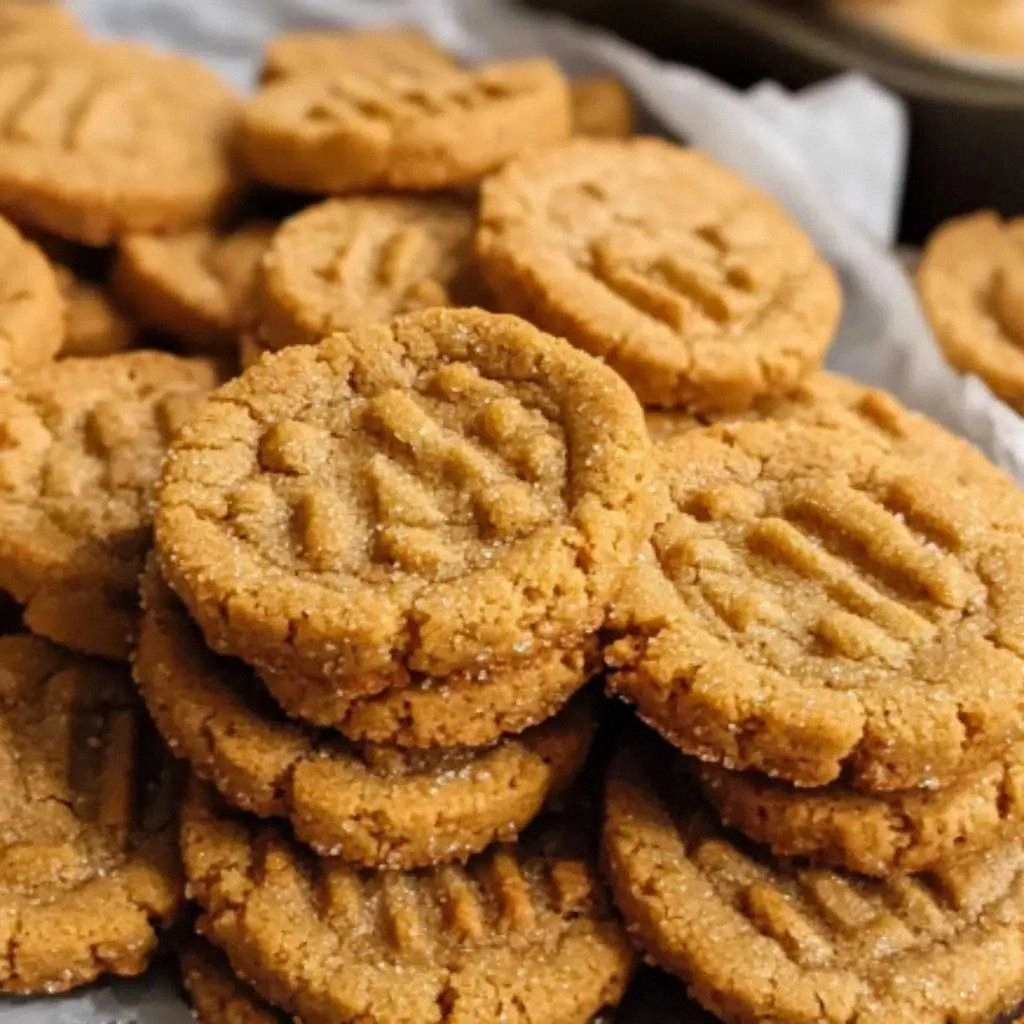
- Gently press each ball with the back of a fork or a flat surface to create a slight indentation. This helps the cookies bake evenly and gives them a classic cookie shape. The indentation also creates a small pocket that holds the caramelized center.
- Bake for 12–15 minutes, or until the edges are golden brown and the centers are set. The cookies should smell toasty and caramelized. Remove them from the oven and let them cool on the sheet for 5 minutes before transferring to a wire rack to cool completely.
That’s it—you did it. But hold on, I’ve got a few more tricks that will take this to another level. The next section will show you how to tweak the recipe for even better results.
Insider Tricks for Flawless Results
The Temperature Rule Nobody Follows
Many bakers bake at 375°F, but the perfect temperature for Biscoff Butter Cookies is 350°F. This lower heat allows the cookies to set without burning the edges. If your oven runs hot, preheat it for an extra 10 minutes and place the baking sheets on the middle rack.
Why Your Nose Knows Best
When the cookies are baking, the scent will shift from sweet to caramelized. Trust that aromatic cue; when it starts to smell like toasted sugar, the cookies are ready. A friend once baked at 400°F and the cookies came out burnt on top—don’t make that mistake.
The 5‑Minute Rest That Changes Everything
Letting the cookies rest on the sheet for 5 minutes after baking allows the steam to finish cooking the center. This step keeps the cookies soft inside while the edges stay crisp. Skipping it can leave a raw, doughy center that’s a disappointment.
Add a Splash of Water Before Reheating
If you’re reheating leftover cookies, add a tiny splash of water to the baking sheet before placing them back in the oven. The steam will revive the moisture, making them soft again without drying out.
Use a Cooling Rack for Even Cooling
Cooling the cookies on a wire rack lets air circulate around them, preventing condensation that can soften the edges. This keeps the crispness intact for days if stored properly.
Creative Twists and Variations
This recipe is a playground. Here are some of my favorite ways to switch things up:
Nutty Crunch
Add 1/2 cup chopped pecans or walnuts to the dough for a nutty texture. The nuts caramelize slightly, adding a crunchy layer that complements the cookie’s softness.
Chocolate Chip Delight
Fold in 1/2 cup dark chocolate chips after the dry ingredients. The chocolate adds a bittersweet contrast to the caramelized Biscoff flavor, creating a chocolate‑butter cookie hybrid.
Spiced Surprise
Sprinkle 1/2 teaspoon ground ginger or cinnamon into the dry mix. The spices add warmth and depth, turning the cookies into a comforting fall treat.
Salted Caramel Finish
After baking, drizzle a thin layer of salted caramel sauce over the cookies. The caramel adds a glossy finish and a sweet‑salty balance that’s irresistible.
Vegan Version
Replace butter with coconut oil and use a plant‑based Biscoff spread. Swap the egg for a flaxseed egg or commercial egg replacer. The texture will be slightly denser but still delicious.
Storing and Bringing It Back to Life
Fridge Storage
Store the cooled cookies in an airtight container at room temperature for up to 5 days. The airtight seal prevents moisture from seeping in, keeping the cookies crisp on the edges.
Freezer Friendly
Place the cookies on a parchment‑lined tray and freeze for up to 3 months. Once frozen, transfer them to a freezer bag. This method preserves freshness and flavor.
Best Reheating Method
To revive frozen cookies, bake them at 350°F for 5–7 minutes, or reheat in a preheated oven for 2–3 minutes. Adding a tiny splash of water to the sheet before reheating creates steam that restores moisture.