Picture this: I’m in the middle of a brunch rush, the kitchen is a battlefield of batter‑splattered pans, and my friend challenges me to whip up something that will make even the most seasoned brunch lover swoon. The clock was ticking, the fridge was empty, and I had only a loaf of thick‑cut brioche that had been sitting in the pantry for weeks. I thought, “Why not turn this humble loaf into a masterpiece?” The result? A brioche French toast that exploded with flavor, texture, and that elusive “wow” factor that turns a regular Sunday into a celebration.
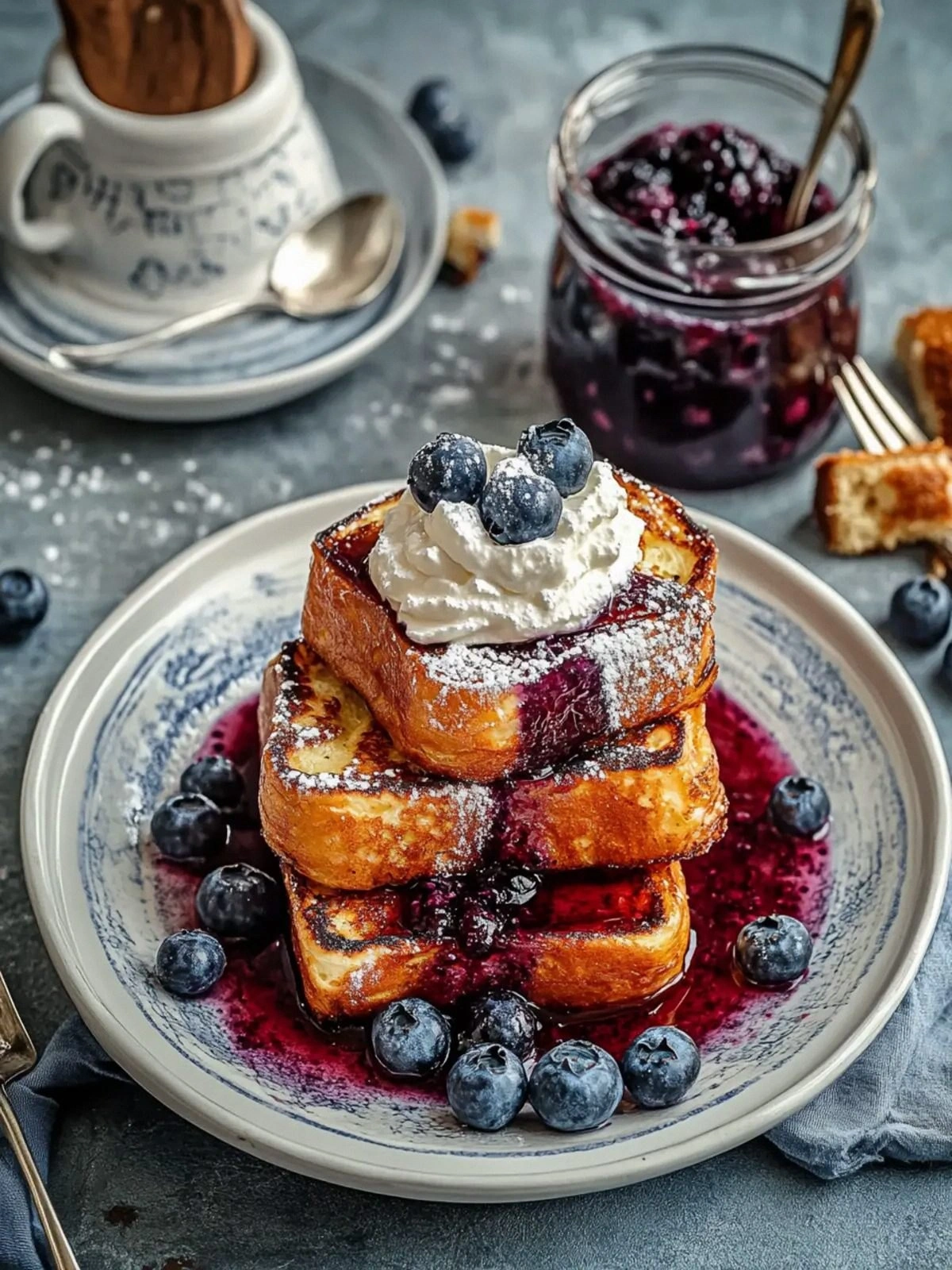
The moment I slid the first slice into the hot skillet, the aroma of toasted bread and vanilla filled the room—so sweet it made my mouth water before I even tasted it. The sound of the sizzling batter was like a jazz solo, each pop a promise of caramelized perfection. When I lifted the slice, the golden crust cracked like thin ice, revealing a custard‑filled interior that was airy, rich, and utterly irresistible. The first bite was a symphony: the buttery brioche, the subtle kick of cinnamon, and a burst of blueberry sweetness that danced on the tongue. The texture was a masterpiece—crispy on the outside, custardy on the inside, topped with a cloud of whipped cream that melted into the warm custard.
What makes this version stand out from every other French toast recipe I’ve tried? First, it uses thick‑cut brioche, which soaks up the custard without falling apart. Second, the custard is infused with a delicate vanilla‑egg base that gives depth without overpowering. Third, the blueberry compote is a bright, tangy counterpoint that keeps the dish from feeling heavy. Fourth, a dusting of powdered sugar and a splash of lemon juice on the compote add a finishing touch of elegance. Finally, the whipped cream topping turns a simple breakfast into a brunch‑worthy experience that will leave your guests asking for seconds. I dare you to taste this and not go back for seconds.
I’ll be honest—after the first bite, I almost ate the entire batch before anyone else even got a fork. The secret? A few micro‑challenges that elevate the dish: letting the brioche soak just enough to stay firm, using a gentle heat to caramelize without burning, and finishing with a drizzle of maple syrup that glistens like liquid gold. Picture yourself pulling this out of the pan, the whole kitchen smelling incredible, and the plate looking like a work of art. Let me walk you through every single step—by the end, you’ll wonder how you ever made it any other way.
What Makes This Version Stand Out
- Texture: The thick‑cut brioche absorbs the custard, creating a custard‑filled interior that’s as tender as a cloud while the exterior crisps to a caramelized golden crust. This duality is what makes each bite memorable.
- Flavor Depth: A subtle vanilla‑egg custard base provides a silky backbone that balances the sweetness of maple syrup and the tartness of blueberries.
- Visual Appeal: The bright blueberry compote and the airy whipped cream create a layered look that feels like a dessert more than a breakfast.
- Simplicity: All the steps are straightforward, yet the result feels like you’ve just walked into a high‑end café.
- Make‑Ahead Potential: The compote can be prepared a day ahead, and the brioche can be soaked in the custard and refrigerated, saving you time on busy mornings.
- Ingredient Quality: Using whole milk instead of skim gives a richer custard, and fresh blueberries deliver a burst of natural flavor that frozen can’t match.
- Audience Impact: Guests rave about the luxurious texture, and even the most skeptical brunchers find themselves craving a second plate.
- Versatility: The recipe can be tweaked for dietary needs—swap the brioche for gluten‑free bread, or use a dairy‑free milk alternative.
Inside the Ingredient List
The Flavor Base
The custard is the heart of this dish. Whole milk brings a creamy richness that balances the egg yolks and vanilla. The vanilla extract adds aromatic depth, while the ground cinnamon introduces a subtle warmth that lingers long after you finish eating. If you skip the vanilla, the custard loses its signature fragrance, making the dish feel flat. For an alternative, try almond extract for a nutty twist.
The Texture Crew
Brioche bread is the cornerstone. Its buttery, airy crumb soaks up the custard without disintegrating. The butter used for frying creates a golden crust that snaps like a crisp cookie. Skipping the butter will leave you with a soggy, unflavored exterior. For a lighter version, substitute a tablespoon of olive oil, but expect a different flavor profile.
The Unexpected Star
Blueberries are more than just a garnish; they’re a flavor punch. Fresh blueberries release their juice when heated, forming a compote that balances the sweetness of maple syrup and the richness of the custard. If you’re out of fresh berries, frozen blueberries work, but thaw them first to avoid excess liquid. A pinch of salt in the compote lifts the natural sweetness and prevents it from becoming cloying.
The Final Flourish
Whipped cream and powdered sugar finish the dish with a sweet, airy finish that melts into the warm custard. Heavy cream ensures the whipped cream stays fluffy and doesn’t deflate quickly. The extra powdered sugar adds a subtle sweetness that balances the tartness of the blueberries. Skipping the whipped cream turns this into a more straightforward French toast, but you lose the luxurious finish.
Everything’s prepped? Good. Let’s get into the real action.
The Method — Step by Step
- In a shallow bowl, whisk together the eggs, whole milk, vanilla extract, maple syrup, cinnamon, and a pinch of salt until fully combined. The mixture should be smooth and glossy, like a silky river. This custard is the lifeblood of the dish, so give it a good whisk to avoid lumps.
- Heat a large non‑stick skillet over medium heat and add 1 tablespoon of butter. Once the butter foams, slide in a slice of brioche. Let it cook for about 2 minutes, until the first side turns golden. Flip carefully; the second side should caramelize in 1–2 minutes. The goal is a crisp, golden crust that holds the custard inside.
- While the brioche cooks, prepare the blueberry compote. In a saucepan, combine the fresh or frozen blueberries, maple syrup, lemon juice, water, and cornstarch. Stir until the cornstarch dissolves, then bring to a gentle simmer. This step is crucial for a thick, glossy sauce that coats the toast like velvet. Kitchen Hack: If you want a smoother compote, pass it through a fine sieve before adding it to the toast. This removes seeds and gives a silky texture.
- Once the brioche slices are golden, remove them from the skillet and let them rest on a paper towel for a minute. This helps the crust stay crisp. Repeat with the remaining slices, adding more butter as needed. The timing is key; if you overcook, the brioche will become dry.
- Pour the blueberry compote over the cooked brioche slices, spreading it evenly. The sauce should coat the toast without soaking it. The lemon juice in the compote adds a bright counterpoint that keeps the dish from feeling overly sweet. Watch Out: If the compote is too thin, it will seep into the brioche and ruin the desired texture. Adjust the cornstarch or simmer longer to thicken.
- Whip the heavy cream until soft peaks form, then fold in powdered sugar. This whipped cream should be airy and hold its shape for a few minutes. It adds a luxurious, cloud‑like finish that melts into the warm custard. If you prefer a lighter version, use a dairy‑free whipping cream.
- Spoon a generous dollop of whipped cream onto each slice. The cream should sit atop the blueberry compote, creating a layered look. The sweetness of the cream balances the tartness of the blueberries, while the whipped texture adds a playful contrast.
- Sprinkle a light dusting of powdered sugar over the whipped cream. This final touch adds a subtle sweetness and a decorative finish that makes the dish Instagram‑ready. Serve immediately while the toast is still warm and the whipped cream is fluffy.
That’s it—you did it. But hold on, I’ve got a few more tricks that will elevate this dish from great to unforgettable.
Insider Tricks for Flawless Results
The Temperature Rule Nobody Follows
Cooking the brioche at the right temperature is essential. Too high, and the crust burns before the custard sets; too low, and the bread remains soggy. Aim for a medium heat that lets the butter bubble but not smoke. Test with a small piece of bread; it should sizzle softly and brown evenly. If you’re using a gas stove, a slight tilt of the burner can help distribute heat more evenly.
Why Your Nose Knows Best
Before you flip a slice, listen for the first crackle. That sound tells you the crust has formed properly. A gentle hiss indicates the butter is sizzling, but if you hear a sharp pop, the pan is too hot. Your nose will also detect the sweet scent of caramelized sugar in the compote, signaling it's ready.
The 5-Minute Rest That Changes Everything
After cooking, let the brioche rest on a rack or paper towels for exactly five minutes. This rest period allows the steam to escape, preventing the toast from becoming soggy. It also lets the custard set slightly, so the bread doesn’t fall apart when you top it. I’ve seen many people skip this step, resulting in a mushy texture that’s hard to love.
Keep the Compote Thick
If you want a thicker compote, reduce the water or increase the cornstarch. A thick sauce clings to the toast, giving each bite a burst of flavor. A thin sauce, on the other hand, will seep into the brioche and make it soggy. Keep an eye on the consistency; when it’s ready, it should coat the back of a spoon.
Whipped Cream That Stays Fluffy
Whip the cream just until soft peaks form. Overwhipping can cause it to become grainy and melt quickly. Adding powdered sugar while whipping helps stabilize the peaks. If you’re preparing this ahead, keep the whipped cream in the fridge and rewhip lightly before serving.
Layering for Visual Impact
When assembling, place the compote first, then the brioche, and finish with the whipped cream. This layering creates a visually stunning dish that looks as good as it tastes. It also ensures the flavors are balanced: the custard, the compote, and the cream each have a chance to shine.
Creative Twists and Variations
This recipe is a playground. Here are some of my favorite ways to switch things up:
Citrus Burst
Add zest of orange to the custard and a splash of orange juice to the compote. The citrus brightens the dish and adds a refreshing tang that pairs wonderfully with the brioche.
Nutty Crunch
Sprinkle toasted almond slivers or chopped pecans over the whipped cream. The crunch adds a delightful contrast to the soft, airy components, and the nuts bring a buttery flavor that complements the brioche.
Chocolate Drizzle
Melt dark chocolate and drizzle it over the finished toast. The bittersweet chocolate provides a decadent finish that makes the dish feel like a dessert.
Savory Twist
Replace the blueberry compote with a savory tomato jam and top with a fried egg. This version turns the dish into a brunch‑savory hybrid that’s perfect for those who prefer a less sweet start to the day.
Almond Milk Upgrade
Swap whole milk for unsweetened almond milk in the custard. The nutty undertone adds complexity, and the lower fat content keeps the dish lighter without sacrificing flavor.
Spiced Variation
Add a pinch of nutmeg or cardamom to the custard for an aromatic twist. The warm spices mingle with the cinnamon, creating a cozy, fall‑like flavor profile.
Storing and Bringing It Back to Life
Fridge Storage
Store the prepared toast in an airtight container in the fridge for up to 2 days. Keep the compote separate to prevent sogginess. When ready to serve, reheat in a toaster oven at 350°F for 5 minutes. This quick step restores the crispness without drying out the bread.
Freezer Friendly
Freeze individual slices wrapped in parchment paper. They’ll keep for up to 3 weeks. Thaw overnight in the fridge and warm in a skillet over low heat until heated through. The bread remains tender, and the custard reconstitutes beautifully.
Best Reheating Method
The best way to bring back the original texture is to gently warm the toast in a preheated skillet on low heat. Add a splash of water to the pan to create steam, which helps keep the interior moist while the exterior crispens. A quick 2‑minute pan‑toss will revive the dish to its freshly‑made glory.