
Chicken Satay
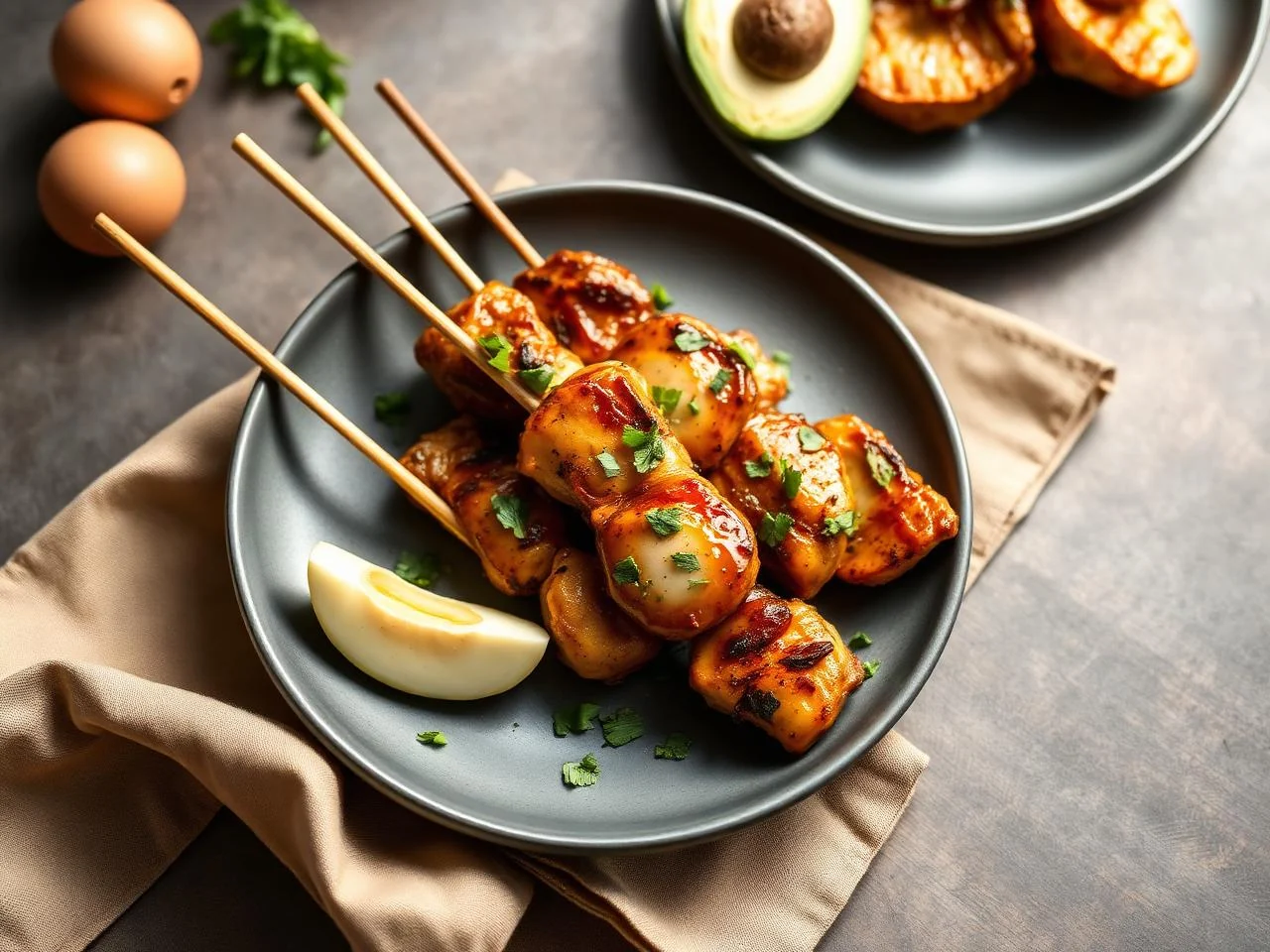
I still remember the first time I had chicken satay at a street food stall in Thailand. The combination of juicy chicken, spicy peanut sauce, and crunchy vegetables was love at first bite. Since then, I've been perfecting my own chicken satay recipe to enjoy at home.
As a home cook, I believe that low-carb keto cooking should be about flavor and nourishment, not restriction. That's why I've developed a recipe that uses real food ingredients and straightforward techniques to create a dish that's both delicious and satisfying.
This chicken satay recipe is perfect for anyone looking for a tasty and healthy meal that's easy to make and fun to eat. Whether you're a keto enthusiast or just looking for a new recipe to try, I hope you'll enjoy this dish as much as I do.
One of the best things about chicken satay is its versatility. You can serve it as an appetizer, main course, or even as a snack. It's also a great dish to make ahead of time, as the chicken can be marinated and cooked in advance, and the peanut sauce can be refrigerated for up to a week.
In this recipe, I'll show you how to make chicken satay from scratch, including the marinade, peanut sauce, and cooking technique. I'll also share some tips and variations to help you customize the dish to your taste.
Why You’ll Love This Recipe
- This recipe is easy to make and requires minimal ingredients.
- The dish is perfect for a weeknight dinner or special occasion.
- The peanut sauce is creamy and rich, and can be made ahead of time.
- The chicken satay is a great source of protein and can be served with a variety of sides.
- The recipe is low-carb and keto-friendly, making it a great option for those following a ketogenic diet.
- The dish is fun to eat and can be served as an appetizer, main course, or snack.
Why This Recipe Works
The key to making great chicken satay is to use a combination of flavorful spices and a high-heat cooking technique. By marinating the chicken in a mixture of coconut milk, lime juice, and spices, we can add depth and complexity to the dish. Then, by grilling the chicken over high heat, we can achieve a nice char on the outside while keeping the inside juicy and tender.
The peanut sauce is also an important component of the dish, as it adds creaminess and richness to the chicken. By using a combination of peanut butter, coconut milk, and lime juice, we can create a sauce that's both flavorful and healthy.
Another important aspect of this recipe is the use of layering flavors. By adding different spices and seasonings at different stages of the cooking process, we can build a complex and nuanced flavor profile that's both interesting and delicious.
Ingredients You’ll Need
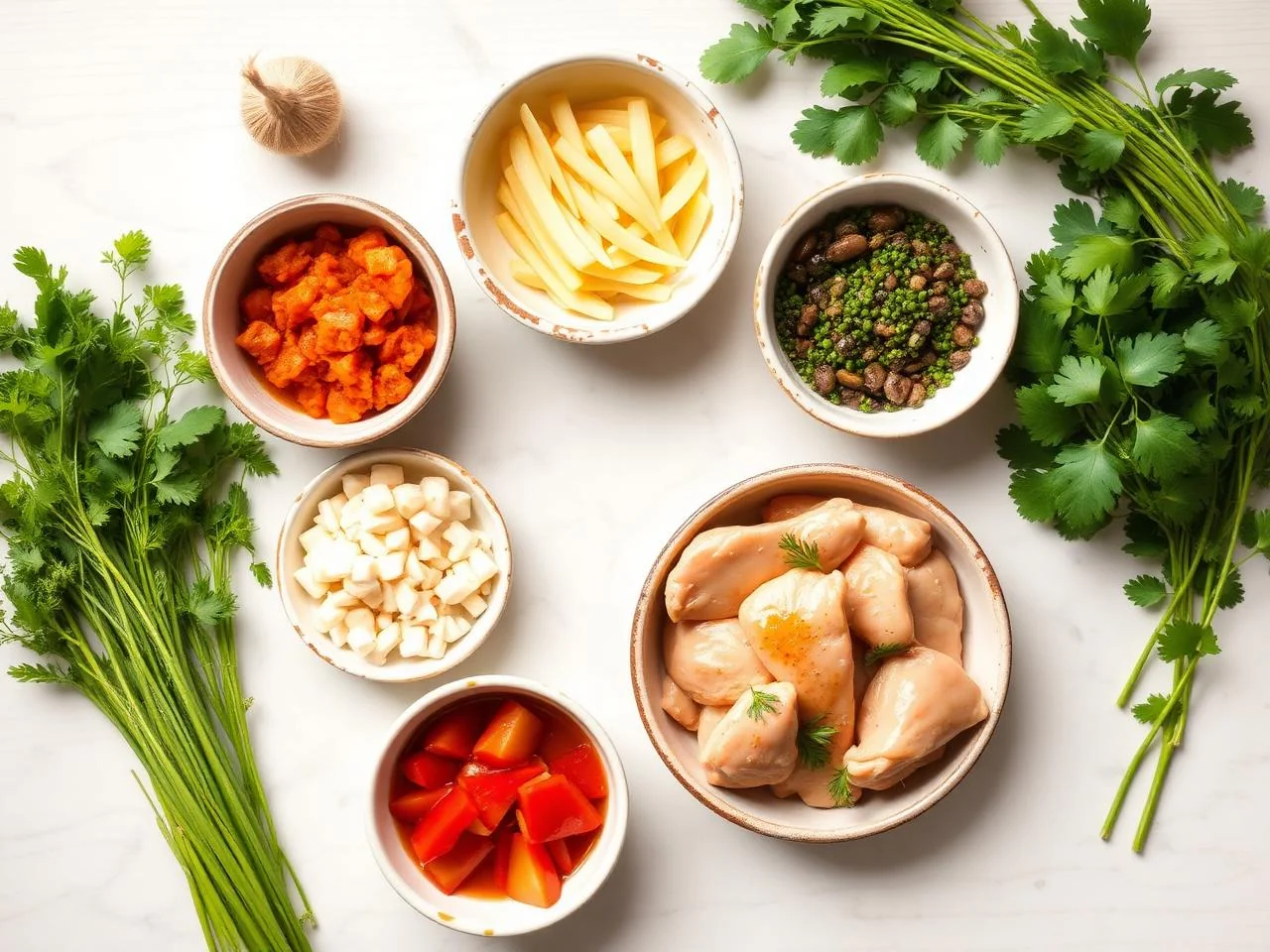
To make this recipe, you'll need a few key ingredients, including chicken breasts, coconut milk, peanut butter, and spices. You'll also need some basic pantry staples, such as salt, pepper, and olive oil. Be sure to choose high-quality ingredients, as they will make a big difference in the final flavor and texture of the dish.
When shopping for ingredients, look for fresh and flavorful items. For example, choose chicken breasts that are plump and have a good texture, and opt for full-fat coconut milk for the best flavor.
- 1 1/2 pounds (680g) chicken breasts, cut into 1-inch (2.5cm) piecesI like to use boneless, skinless chicken breasts for this recipe, as they are easy to work with and cook evenly. You can also use chicken thighs if you prefer.
- 1/2 cup (120ml) coconut milkFull-fat coconut milk is essential for this recipe, as it adds richness and creaminess to the dish. You can find it in most grocery stores or online.
- 1/4 cup (60g) peanut butterNatural peanut butter is best for this recipe, as it has a richer flavor and texture than processed peanut butter. Look for a brand that contains only peanuts and salt.
- 2 tablespoons (30g) lime juiceFreshly squeezed lime juice is essential for this recipe, as it adds a bright and tangy flavor to the dish. You can also use bottled lime juice if you prefer.
- 2 cloves garlic, mincedI like to use fresh garlic for this recipe, as it has a more vibrant flavor than bottled garlic. You can also use garlic powder if you prefer.
- 1 tablespoon (15g) grated gingerFresh ginger is essential for this recipe, as it adds a warm and spicy flavor to the dish. You can find it in most grocery stores or online.
- 1 teaspoon (5g) ground cuminGround cumin is a key spice in this recipe, as it adds a warm and earthy flavor to the dish. You can find it in most grocery stores or online.
- 1/2 teaspoon (2g) saltI like to use kosher salt for this recipe, as it has a milder flavor than table salt. You can also use sea salt if you prefer.
- 1/4 teaspoon (1g) black pepperFreshly ground black pepper is essential for this recipe, as it adds a sharp and peppery flavor to the dish. You can also use pre-ground black pepper if you prefer.
- 2 tablespoons (30g) chopped fresh cilantroFresh cilantro is a key herb in this recipe, as it adds a bright and fresh flavor to the dish. You can find it in most grocery stores or online.
- 2 tablespoons (30g) olive oilI like to use high-quality olive oil for this recipe, as it has a rich and fruity flavor. You can also use avocado oil or coconut oil if you prefer.
- 2 tablespoons (30g) honeyPure honey is essential for this recipe, as it adds a sweet and caramel-like flavor to the dish. You can find it in most grocery stores or online.
Equipment You’ll Need
How to Make Chicken Satay
- 1In a large bowl, whisk together coconut milk, peanut butter, lime juice, garlic, ginger, cumin, salt, and black pepper to make the marinade.
- 2Add the chicken to the marinade and toss to coat. Cover the bowl with plastic wrap and refrigerate for at least 30 minutes or up to 2 hours.
- 3Preheat a grill or grill pan to medium-high heat. Remove the chicken from the marinade and thread onto skewers, if using.
- 4Brush the grill or grill pan with olive oil to prevent sticking. Grill the chicken for 5-7 minutes per side, or until it reaches an internal temperature of 165 F (74 C).
- 5While the chicken is cooking, prepare the peanut sauce. In a blender or food processor, combine peanut butter, coconut milk, honey, and lime juice. Blend until smooth and creamy.
- 6Once the chicken is cooked, brush it with the peanut sauce and serve hot. Garnish with chopped cilantro and serve with additional peanut sauce, if desired.
- 7To make the peanut sauce ahead of time, simply blend the ingredients together and refrigerate for up to a week. You can also freeze the sauce for up to 3 months and thaw it in the refrigerator or at room temperature.
- 8If using wooden skewers, soak them in water for at least 30 minutes before grilling to prevent them from burning.
- 9To cook the chicken in the oven, preheat to 400 F (200 C) and bake for 15-20 minutes, or until it reaches an internal temperature of 165 F (74 C).
- 10Let the chicken rest for 5 minutes before serving to allow the juices to redistribute.
- 11To check the internal temperature of the chicken, insert an instant-read thermometer into the thickest part of the breast. The temperature should read 165 F (74 C) for food safety.
- 12Serve the chicken satay with additional peanut sauce, if desired, and enjoy!
Expert Tips
- Make sure to soak the wooden skewers in water before grilling to prevent them from burning.
- Use high-quality ingredients, such as fresh cilantro and natural peanut butter, to get the best flavor.
- Don't overcook the chicken, as it can become dry and tough. Use an instant-read thermometer to ensure it reaches a safe internal temperature.
- Let the chicken rest for a few minutes before serving to allow the juices to redistribute.
- You can make the peanut sauce ahead of time and refrigerate or freeze it for later use.
- Experiment with different spices and seasonings to find the flavor combination you like best.
- Consider serving the chicken satay with a side of cauliflower rice or a green salad for a low-carb and keto-friendly meal.
- If you don't have an outdoor grill, you can use a grill pan on the stovetop or in the oven to achieve similar results.
Common Mistakes to Avoid
- Not soaking the wooden skewers in water before grilling, which can cause them to burn.
- Overcooking the chicken, which can make it dry and tough.
- Not using an instant-read thermometer to ensure the chicken reaches a safe internal temperature.
- Not letting the chicken rest before serving, which can cause the juices to run out and the meat to become dry.
- Using low-quality ingredients, such as processed peanut butter or bottled garlic, which can affect the flavor and texture of the dish.
- Not whisking the marinade ingredients together well, which can cause the flavors to be unevenly distributed.
Variations and Substitutions
- Add some heat to the dish by incorporating diced jalapenos or red pepper flakes into the marinade.
- Use different types of protein, such as beef or pork, for a variation on the classic chicken satay.
- Experiment with various spices and seasonings, such as cumin or coriander, to create a unique flavor profile.
- Add some crunch to the dish by topping the chicken with chopped nuts or seeds, such as peanuts or sesame seeds.
- Serve the chicken satay with a side of cauliflower rice or a green salad for a low-carb and keto-friendly meal.
- Use coconut cream instead of coconut milk for an even richer and creamier peanut sauce.
- Add some acidity to the dish by incorporating a squeeze of fresh lime juice into the marinade.
What to Serve With Chicken Satay
Serve the chicken satay hot, garnished with chopped cilantro and accompanied by a side of peanut sauce for dipping. You can also serve it with a variety of sides, such as cauliflower rice, a green salad, or roasted vegetables.
Consider serving the chicken satay as an appetizer or snack, or as a main course with a side of your favorite vegetables or salad. It's also a great dish to make ahead of time and reheat for a quick and easy meal.
Make-Ahead, Storage, Freezing and Reheating
The chicken satay can be stored in the refrigerator for up to 3 days or frozen for up to 3 months. To reheat, simply thaw the chicken in the refrigerator or at room temperature, and then grill or bake until heated through.
The peanut sauce can be stored in the refrigerator for up to a week or frozen for up to 3 months. To reheat, simply thaw the sauce in the refrigerator or at room temperature, and then whisk until smooth.
When reheating the chicken satay, make sure to heat it to an internal temperature of 165 F (74 C) to ensure food safety. You can also reheat it in the microwave, but be careful not to overcook it.
To freeze the chicken satay, simply place it in a single layer on a baking sheet and put it in the freezer until frozen solid. Then, transfer the frozen chicken to a freezer-safe bag or container and store for up to 3 months.
Frequently Asked Questions
What is the internal temperature of cooked chicken?
The internal temperature of cooked chicken should be at least 165 F (74 C) to ensure food safety.
Can I use wooden skewers for grilling?
Yes, you can use wooden skewers for grilling, but make sure to soak them in water for at least 30 minutes before grilling to prevent them from burning.
How long can I store the peanut sauce in the refrigerator?
The peanut sauce can be stored in the refrigerator for up to a week. You can also freeze it for up to 3 months and thaw it in the refrigerator or at room temperature.
Can I make the chicken satay ahead of time?
Yes, you can make the chicken satay ahead of time and refrigerate or freeze it for later use. Simply thaw and reheat when ready to serve.
What is the best way to reheat the chicken satay?
The best way to reheat the chicken satay is to grill or bake it until heated through. You can also reheat it in the microwave, but be careful not to overcook it.
Can I use different types of protein for the satay?
Yes, you can use different types of protein, such as beef or pork, for a variation on the classic chicken satay.
How do I know if the chicken is cooked to a safe internal temperature?
You can use an instant-read thermometer to check the internal temperature of the chicken. The temperature should read at least 165 F (74 C) to ensure food safety.
Can I serve the chicken satay with a side of cauliflower rice?
Yes, you can serve the chicken satay with a side of cauliflower rice for a low-carb and keto-friendly meal.
Ingredients
- 1 1/2 pounds (680g) chicken breasts, cut into 1-inch (2.5cm) pieces
- 1/2 cup (120ml) coconut milk
- 1/4 cup (60g) peanut butter
- 2 tablespoons (30g) lime juice
- 2 cloves garlic, minced
- 1 tablespoon (15g) grated ginger
- 1 teaspoon (5g) ground cumin
- 1/2 teaspoon (2g) salt
- 1/4 teaspoon (1g) black pepper
- 2 tablespoons (30g) chopped fresh cilantro
- 2 tablespoons (30g) olive oil
- 2 tablespoons (30g) honey
Instructions
- In a large bowl, whisk together coconut milk, peanut butter, lime juice, garlic, ginger, cumin, salt, and black pepper to make the marinade.
- Add the chicken to the marinade and toss to coat. Cover the bowl with plastic wrap and refrigerate for at least 30 minutes or up to 2 hours.
- Preheat a grill or grill pan to medium-high heat. Remove the chicken from the marinade and thread onto skewers, if using.
- Brush the grill or grill pan with olive oil to prevent sticking. Grill the chicken for 5-7 minutes per side, or until it reaches an internal temperature of 165 F (74 C).
- While the chicken is cooking, prepare the peanut sauce. In a blender or food processor, combine peanut butter, coconut milk, honey, and lime juice. Blend until smooth and creamy.
- Once the chicken is cooked, brush it with the peanut sauce and serve hot. Garnish with chopped cilantro and serve with additional peanut sauce, if desired.
- To make the peanut sauce ahead of time, simply blend the ingredients together and refrigerate for up to a week. You can also freeze the sauce for up to 3 months and thaw it in the refrigerator or at room temperature.
- If using wooden skewers, soak them in water for at least 30 minutes before grilling to prevent them from burning.
- To cook the chicken in the oven, preheat to 400 F (200 C) and bake for 15-20 minutes, or until it reaches an internal temperature of 165 F (74 C).
- Let the chicken rest for 5 minutes before serving to allow the juices to redistribute.
- To check the internal temperature of the chicken, insert an instant-read thermometer into the thickest part of the breast. The temperature should read 165 F (74 C) for food safety.
- Serve the chicken satay with additional peanut sauce, if desired, and enjoy!