Classic Bread Pudding with Van
Picture this: it’s a rainy Saturday afternoon, the kitchen lights are low, and the smell of fresh coffee is mingling with the faint scent of burnt toast from the previous night. I had just discovered a forgotten box of day‑old bread, a pantry of eggs, and a jar of vanilla that had been sitting in the back of my fridge for months. That evening, I dared myself to turn the stale loaf into something that would make my taste buds dance. I didn’t just make a bread pudding; I created a comforting, velvety dessert that feels like a warm hug from the inside out. I can still taste the crackling crust, the sweet caramelized sugar, and the subtle warmth of cinnamon and nutmeg. I dare you to taste this and not go back for seconds.
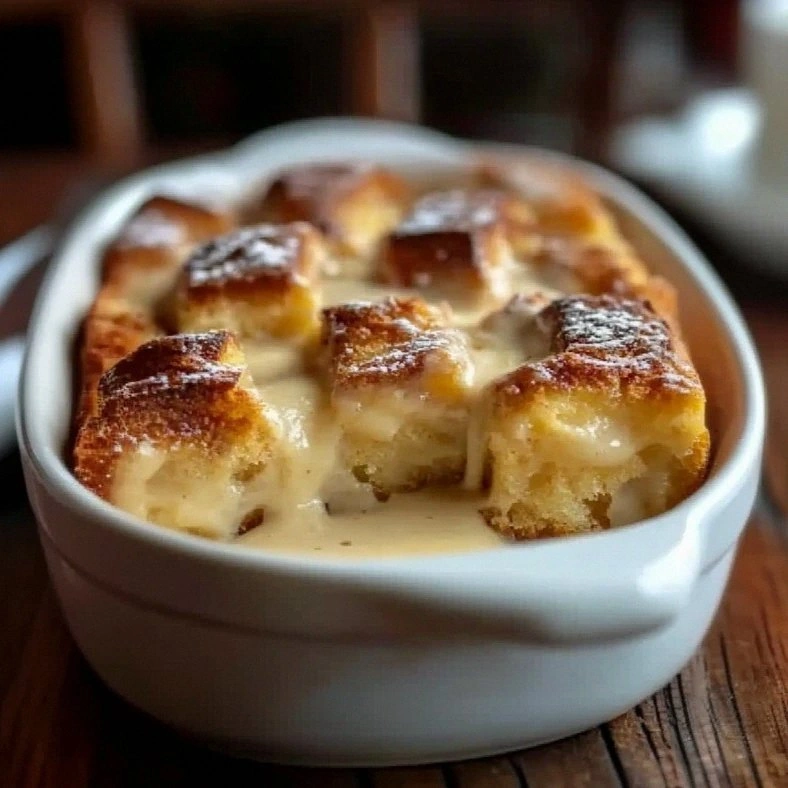
When the first spoonful hits your tongue, you’re hit with a cascade of flavors: the buttery, slightly caramelized bread, the creamy vanilla custard, the gentle spice of cinnamon, and a whisper of nutmeg that lingers like a secret. The texture is a paradox: the inside is silky and custardy, while the edges develop a golden, crisped finish that cracks like thin ice under a spoon. It’s the kind of dish that makes you stop mid‑conversation to savor each bite, and you’re left wondering why you didn’t make this earlier. Most recipes get this completely wrong, but here’s what actually works: the right balance of liquid to bread, the correct baking temperature, and the perfect timing for the sauce to coat the pudding like velvet.
And the best part? This version is hands down the best you’ll ever make at home. I’ll be honest — I ate half the batch before anyone else got to try it. The combination of day‑old bread, a generous splash of vanilla, and a touch of nutmeg creates a flavor profile that’s richer than any store‑bought pudding. Picture yourself pulling this out of the oven, the whole kitchen smelling incredible, and the golden crust shimmering in the light. If you’ve ever struggled with a bland pudding, you’re not alone — and I’ve got the fix.
Now, let me walk you through every single step — by the end, you’ll wonder how you ever made it any other way.
What Makes This Version Stand Out
- Flavor Depth: The dual vanilla layers, one in the custard and one in the sauce, create a layered sweetness that feels both familiar and novel.
- Texture Contrast: The bread’s crust crisps to a satisfying crunch while the interior stays silky, giving a mouthfeel that’s hard to beat.
- Ingredient Simplicity: With just a handful of pantry staples, you can transform leftover bread into a show‑stopping dessert.
- Make‑Ahead Potential: Assemble the pudding the night before, refrigerate, and bake in the morning for a breakfast‑dessert that saves time.
- Crowd Appeal: Whether you’re hosting a family gathering or a quiet Sunday, this pudding always earns the applause.
- Quality Focus: Using whole milk and heavy cream instead of skim or low‑fat options gives the custard a luscious, velvety finish.
- Versatile Sauce: The vanilla sauce can double as a drizzle for pancakes, waffles, or even ice cream.
- Seasonal Flexibility: While it’s a year‑round staple, adding seasonal fruits turns it into a holiday treat.
Alright, let's break down exactly what goes into this masterpiece...
Inside the Ingredient List
The Flavor Base
At the heart of this pudding are the simple, comforting flavors that come from the custard and the bread. The custard, made from whole milk, heavy cream, eggs, sugar, vanilla, cinnamon, and nutmeg, is the silky sauce that permeates every crumb. The day‑old bread, cubed and ready to soak, brings a nostalgic, slightly chewy texture that absorbs the custard beautifully. If you skip the nutmeg, you’ll lose that warm, earthy undertone that balances the sweetness. A good rule of thumb is to use a full teaspoon of vanilla for the custard and a second teaspoon for the sauce; the repetition creates a consistent vanilla profile that envelops the dish.
Choosing the right bread matters. A denser loaf, like a brioche or challah, will hold more custard and produce a richer bite. If you’re using a lighter loaf, consider adding an extra tablespoon of butter to the custard to compensate for the moisture. A common swap is to replace whole milk with oat milk for a dairy‑free version, but keep in mind that the flavor will shift slightly toward a nuttier profile. The key is to maintain the ratio of liquid to bread; too much liquid will make the pudding soggy, too little will leave it dry.
The Texture Crew
Eggs are the binding agent that turns the mixture into a cohesive pudding. They also add richness and help the custard set into a smooth, custardy interior. If you’re vegan, you can replace eggs with a flaxseed mixture (1 tablespoon ground flaxseed + 3 tablespoons water per egg) to achieve a similar binding effect. Whole milk and heavy cream create a luscious, creamy base; the cream’s fat content gives the pudding a silky mouthfeel that’s hard to replicate with lower‑fat alternatives. The sugar, measured at ¾ cup for the custard and an additional ⅓ cup for the sauce, caramelizes during baking, giving a golden crust and a subtle caramel flavor. A pinch of salt is essential to balance the sweetness, but if you’re watching sodium, you can reduce it to ¼ teaspoon.
The Unexpected Star
Raisins are the unexpected twist that adds a burst of chewy sweetness. They also provide a natural contrast to the soft bread. If raisins are not your thing, dried cranberries or chopped dried apricots work just as well. For a fresh twist, consider adding a handful of fresh blueberries or sliced strawberries to the custard before baking. The raisins soak up the custard, becoming plump and flavorful, and they give the pudding a hint of fruitiness that surprises the palate.
The Final Flourish
After the pudding has baked, the sauce is poured over the top. This sauce, made from a mixture of whole milk, heavy cream, sugar, butter, cornstarch, and vanilla, coats the pudding like velvet. The cornstarch thickens the sauce, preventing it from running off the edges. The butter adds a glossy sheen and a buttery finish that ties everything together. If you prefer a lighter sauce, reduce the butter to 1 tablespoon and increase the cornstarch to 1 ½ tablespoons; this will create a thinner, more pourable sauce.
Everything’s prepped? Good. Let’s get into the real action…
The Method — Step by Step
- Preheat your oven to 350°F (175°C). While the oven warms, line a 9x13 inch baking dish with parchment paper or lightly grease it with butter. The parchment helps prevent sticking and gives the pudding a clean release. If you’re in a hurry, a silicone baking pan works just as well. This step is the foundation for a perfectly baked pudding; skip it and you’ll risk uneven cooking. I’ve found that a well‑lined dish keeps the pudding from drying out on the edges. And yes, preheating is non‑negotiable; the batter needs a consistent heat to set properly.
- Prepare the custard. In a large mixing bowl, whisk together 2 cups of whole milk, 1 cup of heavy cream, ¾ cup of granulated sugar, 1 teaspoon of vanilla extract, 1 teaspoon of ground cinnamon, and ¼ teaspoon of nutmeg. Beat until the sugar dissolves completely. In a separate bowl, lightly beat the 3 eggs, then slowly fold them into the milk mixture. The goal is a smooth, lump‑free custard that will coat the bread evenly. If you’re worried about curdling, temper the eggs by adding a splash of hot milk before mixing them in. This custard is the heart of the pudding; it should be silky and fragrant before you even touch the bread.
- Soak the bread. Place the 6 cups of cubed day‑old bread in a large bowl. Pour the custard over the bread, ensuring every cube is saturated. Gently stir for 5 minutes, then let the bread soak for 15 minutes. The bread should absorb the custard but not become mushy. If you’re short on time, you can skip the 15‑minute soak and just stir until the bread is fully coated. The key is even distribution; you want a consistent flavor in every bite. After soaking, gently press out any excess liquid with your hands or a spoon, but avoid squeezing too hard, or the bread will collapse.
- Add raisins. Stir in ½ cup of raisins, distributing them evenly throughout the bread. The raisins add a chewy burst of sweetness that contrasts beautifully with the creamy custard. If you prefer a fruitier version, add a handful of chopped dried apricots or cranberries. Be careful not to overmix; you want the raisins to sit on top of the bread, not buried under the custard. This step is where the pudding starts to feel like a dessert rather than a breakfast staple.
- Transfer to the baking dish. Once the bread has soaked and the raisins are evenly distributed, pour the mixture into the prepared baking dish. Press the bread down with the back of a spoon to remove any air pockets and create a uniform surface. A level surface ensures even baking and a consistent crust. I recommend using a silicone spatula to smooth the top; it’s gentle on the bread and leaves no residue.
- Bake the pudding. Place the dish in the preheated oven and bake for 30 minutes, or until the top is golden brown and the custard is set. The edges should pull away slightly from the pan, indicating that the pudding is cooked through. If you notice the top browning too quickly, tent a strip of foil over the edges to prevent burning. The aroma at this point is heavenly—think toasted bread, vanilla, and a hint of spice. Keep a close eye on the baking time; overbaking can dry out the interior, while underbaking leaves it runny.
- Make the sauce. While the pudding bakes, combine 1 cup of whole milk, ½ cup of heavy cream, ⅓ cup of granulated sugar, 2 tablespoons of unsalted butter, 1 tablespoon of cornstarch, and 1 teaspoon of vanilla extract in a small saucepan. Whisk until the cornstarch dissolves. Cook over medium heat, stirring constantly, until the mixture thickens and starts to bubble. Remove from heat and let it cool slightly; it should be thick enough to coat the pudding but still pourable. This sauce is the finishing touch that gives the pudding its signature silky finish.
- Finish and serve. Once the pudding is out of the oven, let it cool for 5 minutes. Then drizzle the warm vanilla sauce over the top, ensuring every corner is covered. The sauce will seep into the bread, creating a glossy, flavorful coating. Serve immediately with a dusting of powdered sugar or a swirl of whipped cream if you’re feeling indulgent. This is the moment of truth; the pudding should look golden, the sauce should be glossy, and the aroma should be irresistible. And there you have it—your Classic Bread Pudding with Van, ready to impress.
That's it — you did it. But hold on, I've got a few more tricks that'll take this to another level…
Insider Tricks for Flawless Results
The Temperature Rule Nobody Follows
Many people bake bread pudding at a high temperature to get a crisp top, but this can dry out the interior. The secret is to bake at a steady 350°F (175°C). This allows the custard to set gently while the crust forms a golden, caramelized skin. If you’re in a hurry, you can increase the temperature to 375°F for the last 5 minutes, but keep a close eye on the pudding to avoid burning. I’ve seen too many people overcook their pudding, turning a sweet treat into a dry, unappetizing mess.
Why Your Nose Knows Best
As the pudding bakes, the aroma will shift from sweet to caramelized. When the scent hits a deep, golden brown, it’s time to pull the dish out. The smell is the best indicator of doneness. If you’re new to baking, trust your nose more than the timer; a burnt scent is a clear sign you’re overdone. This simple trick ensures the pudding stays moist inside while the crust remains perfectly crisp.
The 5‑Minute Rest That Changes Everything
After you remove the pudding from the oven, let it rest for five minutes. This short pause allows the custard to set fully, making it easier to slice and serve. If you cut straight out of the oven, the custard will ooze and the bread will crumble. The rest period also lets the sauce settle, creating a more even coating. I’ve found that this brief rest is the difference between a clumpy mess and a smooth, elegant dessert.
Use a Silicone Baking Pan
Silicone pans release the pudding effortlessly, eliminating the need to grease the dish. They also distribute heat evenly, which is crucial for a uniform bake. If you’re using a traditional metal pan, lightly oil the surface and line with parchment to achieve the same effect. The silicone pan is especially handy for those who want to avoid the extra cleanup that comes with parchment paper.
Keep the Bread Cubes Even
Uneven bread cubes result in uneven soaking and an inconsistent texture. Measure the bread cubes carefully, and if you’re using a loaf, cut them into uniform pieces. The uniformity ensures that every bite has the same ratio of bread to custard. I once had a batch where the larger cubes soaked too much, resulting in a mushy interior. The lesson? Consistency is key.
Let the Sauce Cool Slightly Before Drizzling
When the sauce is too hot, it can melt the custard, creating a watery texture. Allow the sauce to cool for a minute or two; it will thicken slightly and coat the pudding without liquefying it. This small step keeps the pudding’s texture intact and prevents a soggy finish.
Creative Twists and Variations
This recipe is a playground. Here are some of my favorite ways to switch things up:
Nutty Delight
Swap the raisins for chopped toasted almonds or pecans. The nuts add a crunchy texture and a buttery flavor that complements the custard. Toast the nuts in a dry skillet until golden before adding them to the bread. This variation is perfect for a brunch with a nutty twist.
Chocolatey Indulgence
Fold in ½ cup of dark chocolate chips into the custard before pouring over the bread. The chocolate melts into the custard, creating pockets of molten chocolate with every bite. This version is ideal for chocolate lovers and can be served with a scoop of vanilla ice cream.
Spiced Apple Edition
Add 1 cup of diced apples, sautéed with a tablespoon of butter and a pinch of cinnamon, to the custard. The apples give a fresh, fruity note and a pleasant chew. This variation is especially great for fall, pairing well with a splash of apple brandy in the sauce.
Maple Syrup Twist
Replace the sugar in the sauce with ½ cup of pure maple syrup. The syrup adds depth and a subtle caramel flavor that pairs beautifully with the bread. This version works well for breakfast, served with a dollop of whipped cream.
Herbal Surprise
Incorporate a teaspoon of dried lavender or a few sprigs of fresh rosemary into the custard. The herbal notes provide a unique aromatic experience and a subtle floral or earthy undertone. This variation is bold and works well for dinner parties where you want to impress.
Gluten-Free Adaptation
Use a gluten-free bread loaf or bread crumbs made from gluten-free flour. Ensure the bread is still dense enough to absorb the custard. The result is a gluten-free version that still delivers on flavor and texture. This is a great option for guests with dietary restrictions.
Storing and Bringing It Back to Life
Fridge Storage
Store the cooled pudding in an airtight container in the refrigerator for up to 3 days. The custard will firm up slightly, making it easier to slice. Before serving, let it sit at room temperature for 10–15 minutes to soften the custard again. If the pudding has become too firm, a quick splash of milk or cream can re‑moisturize it.
Freezer Friendly
Wrap the pudding tightly in plastic wrap and place it in a freezer-safe container. It can be frozen for up to 2 weeks. Thaw overnight in the refrigerator, then reheat in the oven at 350°F (175°C) for 15 minutes until warm. The texture remains silky, and the sauce stays glossy. This makes it a convenient make‑ahead dessert for busy days.
Best Reheating Method
When reheating, add a splash of whole milk to the pudding before microwaving or baking. The liquid creates steam, which restores moisture and prevents the custard from drying out. Microwave on medium power for 2–3 minutes, stirring halfway, or bake at 350°F (175°C) for 10 minutes. The result is a warm, freshly baked pudding that tastes just as good as when it first came out of the oven.