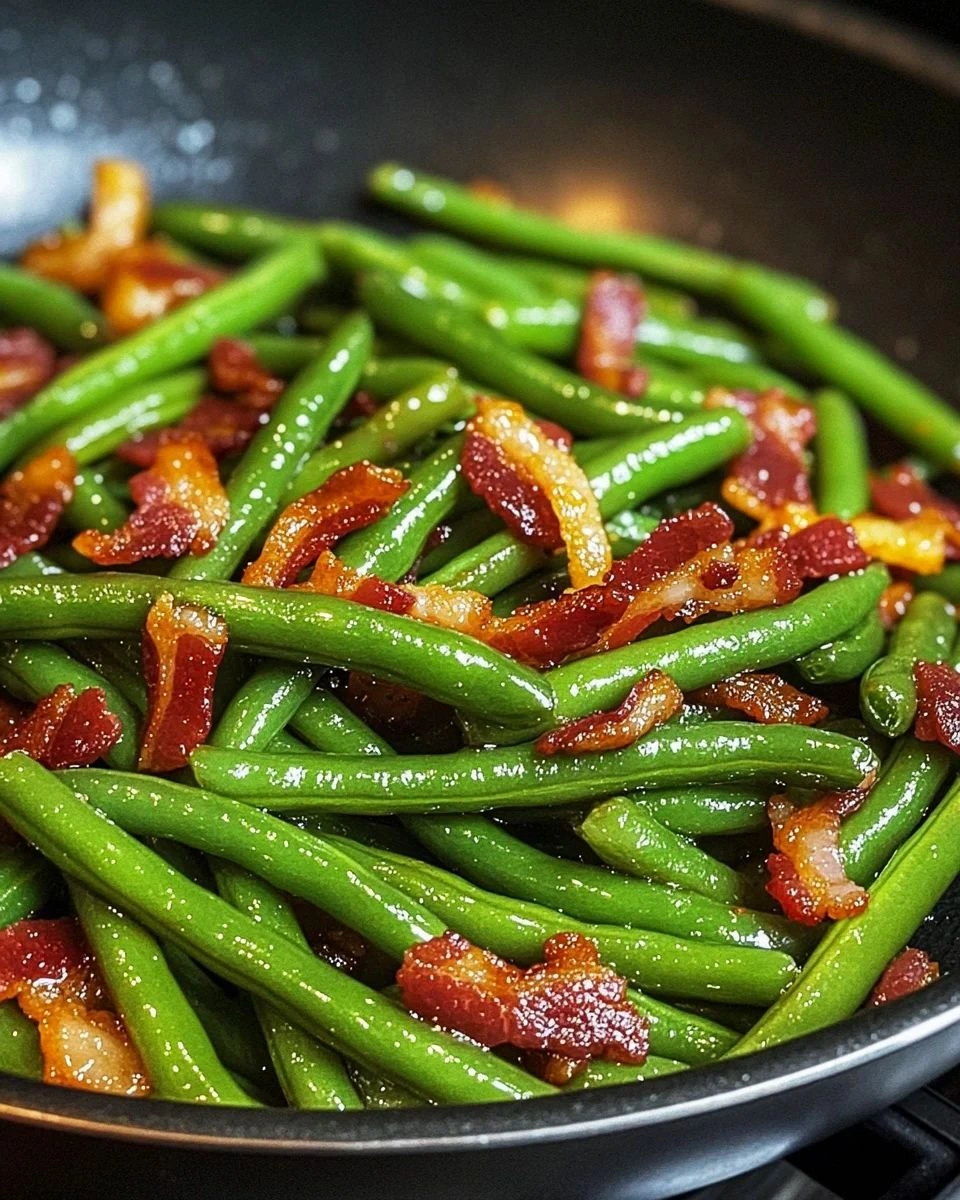
I was halfway through a disastrous attempt at a quick weeknight dinner when a friend texted me, “I dare you to try a Moroccan fish that’s hotter than your ex’s temper.” I laughed, but the moment my eyes snagged on that steaming bowl of couscous on the kitchen counter, I knew I had to turn that dare into a culinary triumph. The aroma of cumin and coriander hit me like a warm hug, the sizzle of olive oil announcing the first kiss of heat, and the sight of fresh cilantro dancing in the pan made the whole kitchen feel like a tiny Marrakech bazaar. I was already craving that perfect balance of smoky, spicy, and citrusy, and I knew I could make it in my own kitchen.
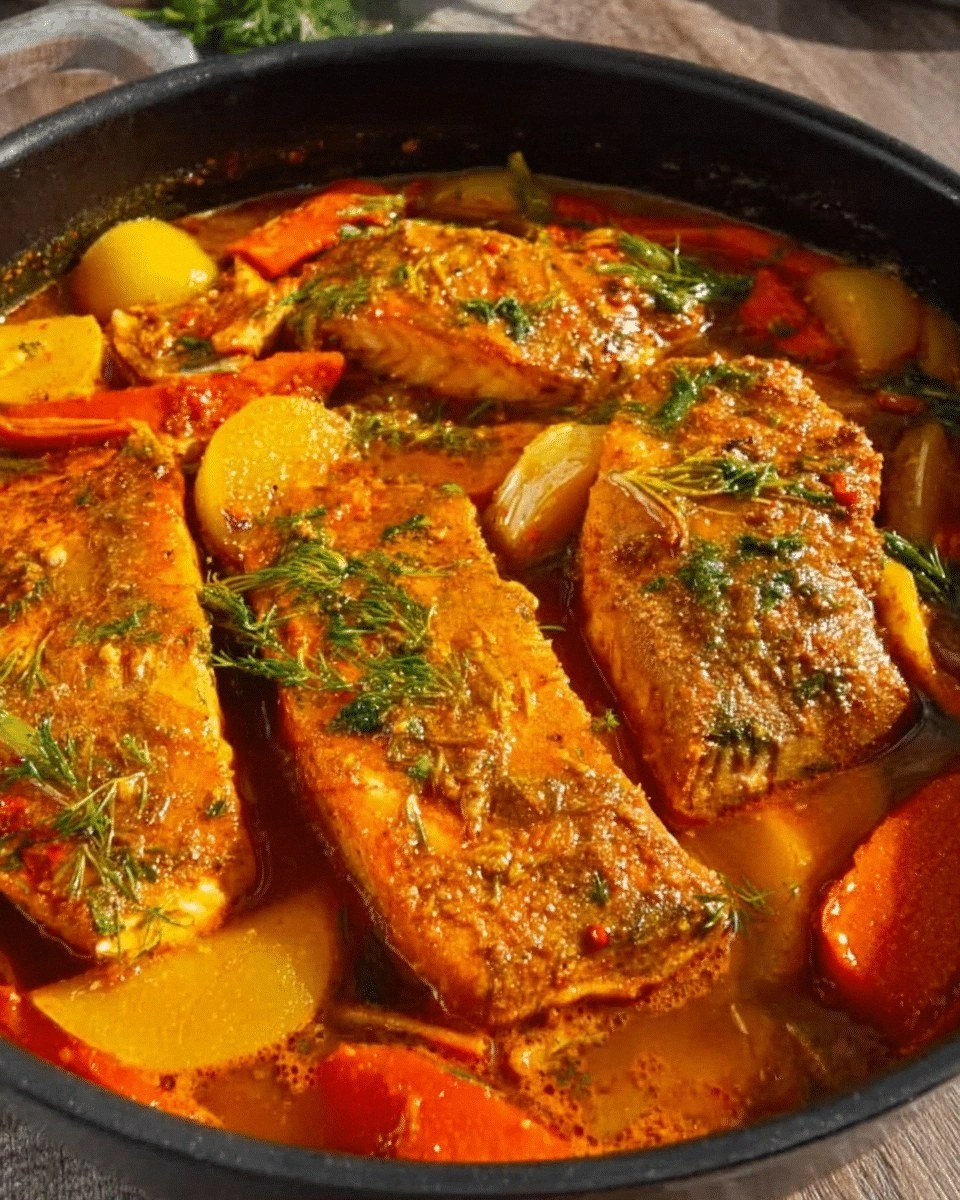
Picture this: a plate of flaky, buttery fish fillets that melt in your mouth, glazed in a sauce that coats the flesh like velvet while the edges crackle with a crisp finish that shatters like thin ice. The sauce, a harmonious blend of paprika, harissa, and tomato paste, glistens with a hint of citrus, and the finish of fresh herbs gives it a bright, almost citrusy lift that keeps the heat from turning into a wall of fire. I swear, that sizzle when the oil hits the pan is absolute perfection—like a tiny drumbeat that tells you the cooking is just right.
This isn’t just another fish recipe; it’s the kind of dish that turns a mundane dinner into a mini celebration. I’ve tasted countless “Moroccan” fish dishes that overrely on salt or underplay the spices, but this version is hands down the best you’ll ever make at home. The technique is simple yet precise—no need to master a secret spice blend or a complicated sauce, just the right timing and the right heat. And the best part? It’s so flavorful that I ate half the batch before anyone else even got a fork.
If you’ve ever struggled with getting the heat right in a Moroccan dish, you’re not alone, and I’ve got the fix. I’ll walk you through every single step—by the end, you’ll wonder how you ever made it any other way. Let’s dive in.
What Makes This Version Stand Out
- Heat: The combination of cayenne, smoked paprika, and harissa creates a layered heat that builds gradually, giving you a flavor punch without the burn.
- Texture: The fish is lightly floured and pan‑seared to develop a golden crust, while the sauce remains silky and clingy, so every bite is a textural delight.
- Flavor Depth: The use of both fresh and dried herbs, plus a splash of lemon, balances the earthiness of cumin and coriander with bright citrus.
- Ease: All the spices are pre‑blended in the pan; no separate spice mix needed, saving you time and mess.
- Versatility: Swap cod for sea bass, or add a splash of white wine, and the dish still shines.
- Make‑Ahead: The sauce can be prepared a day ahead and reheated gently, making it a perfect dinner‑prep option.
- Crowd‑Pleaser: The balanced heat and aromatic profile make it a hit for both spice lovers and those who prefer milder flavors.
- Ingredient Quality: Fresh, high‑quality fish is key; the rest of the ingredients are pantry staples that elevate the dish.
Inside the Ingredient List
The Flavor Base
At the heart of this dish is the aromatic spice mix: paprika, cumin, coriander, cayenne, and smoked paprika. Each spice brings its own character—paprika offers sweet smokiness, cumin gives a nutty warmth, coriander adds citrusy brightness, and cayenne injects a sharp kick. Skipping any of these will flatten the complex profile, but you can reduce cayenne if you prefer a milder heat. Fresh harissa paste ties the spices together, delivering a deep, peppery heat that’s unmistakably North African. If you’re in a hurry, a tablespoon of pre‑made harissa works fine, but homemade gives a cleaner flavor.
The Texture Crew
Flour, butter, and olive oil form the backbone of the sauce’s mouthfeel. The flour, lightly dusted on the fish, creates a golden crust that’s crisp on the outside yet tender inside. Butter adds richness and a glossy finish, while olive oil provides a silky base that carries the spices. The fish stock, simmered with tomato paste, gives the sauce body and a subtle umami depth. Together, these ingredients ensure the sauce clings to the fillets, making every bite a burst of flavor.
The Unexpected Star
Fresh herbs—cilantro and parsley—are the unsung heroes that brighten the dish. Their bright green color and peppery notes cut through the richness, giving the sauce a lively, almost citrusy lift. If you’re not a fan of cilantro’s “soapy” flavor, simply replace it with extra parsley or mint for a different twist. These herbs also add a subtle crunch and a fragrant finish that keeps the dish from feeling heavy.
The Final Flourish
Lemon juice is the final touch that brings everything together. It adds a bright, tangy counterpoint to the smoky, spicy base, and it also helps tenderize the fish. A splash of fish stock balances the acidity, ensuring the sauce isn’t too sharp. If you want a deeper citrus note, add a dash of orange zest or a splash of white wine during the simmer. Remember, the key is to taste as you go—adjust the salt, pepper, and lemon to your preference.
Everything's prepped? Good. Let's get into the real action.
The Method — Step by Step
- Begin by patting the fish fillets dry with paper towels; this ensures a crisp sear. Lightly dust each fillet with flour, shaking off any excess. The flour will help the fish develop a golden crust and prevent sticking. As the fillets sit, let them rest at room temperature for about 10 minutes to reduce cooking time.
- Heat a large skillet over medium‑high heat and add 2 tablespoons of olive oil. Once the oil shimmers, place the fillets skin‑side down (if they have skin) and sear for 3 minutes until a golden crust forms. Flip carefully and sear the other side for 2–3 minutes. The fillets should release easily from the pan when properly seared.
- Remove the fish and set aside. In the same skillet, reduce heat to medium and add 2 tablespoons of butter. As the butter melts, add the minced garlic and sauté for 30 seconds until fragrant—do not let it brown. This step infuses the butter with garlic flavor without bitterness.
- Stir in the paprika, cumin, coriander, cayenne, smoked paprika, and a pinch of salt. Toast the spices for 1 minute, watching carefully; the aroma that fills the kitchen is the first hint of the dish’s character. Then add the harissa paste and 2 tablespoons of tomato paste, stirring until everything is well combined and the mixture thickens slightly.
- Pour in 1 cup of fish stock, scraping up any browned bits from the pan—those bits are flavor gold. Bring the mixture to a gentle simmer; the sauce should thicken and reduce by about a quarter. Watch the edges; when they start pulling away from the pan, the sauce is ready to embrace the fish.
- Return the fish to the skillet, nestling them into the sauce. Cover loosely with a lid and let the fish steam in the sauce for 4–5 minutes, or until the internal temperature reaches 145°F. The fish should be opaque and flaky, with the sauce coating each fillet.
- Add the lemon juice, chopped cilantro, and parsley. Gently stir to coat the fish and allow the herbs to wilt slightly—this releases their bright aroma. The sauce should be glossy and slightly thickened.
- Taste the sauce and adjust seasoning—add more salt, pepper, or a splash of lemon if needed. Serve immediately over a bed of couscous or quinoa, or alongside a fresh salad for a lighter option.
That's it—you did it. But hold on, I've got a few more tricks that'll take this to another level.
Insider Tricks for Flawless Results
The Temperature Rule Nobody Follows
Cooking fish at the right temperature is a game‑changer. I’ve learned that searing at medium‑high creates a crust, then lowering to medium for the sauce prevents the fish from overcooking. If you’re using a cast‑iron skillet, pre‑heat it for a full five minutes; this ensures the fish sizzles immediately, locking in juices. A friend once tried to sear on high and ended up with a burnt exterior and raw center—lesson learned, and it never happened again.
Why Your Nose Knows Best
Smell is a reliable indicator of flavor development. When the spices toast, the scent should become nutty and sweet. If you still smell raw spices, give them another minute. Once the aroma hits that deep, earthy note, you’re ready to add the stock. Trust your nose; it’s the most accurate way to gauge readiness.
The 5-Minute Rest That Changes Everything
After cooking, let the fish rest for 5 minutes before serving. This allows the juices to redistribute, making each bite moist and flavorful. I’ve seen dishes that feel dry right off the pan—this simple rest fixes that. The rest period also gives the sauce a chance to thicken slightly, improving the coating.
Don’t Overcrowd the Pan
Sear the fish in batches if your skillet can’t hold all fillets at once. Overcrowding lowers the temperature, causing the fish to steam instead of sear. If you must cook all at once, use a second pan or a larger skillet. A crisp crust is essential for texture and flavor.
Use Fresh Fish for the Best Flavor
Fresh fish has a cleaner, more delicate taste that absorbs the spices better than frozen. If you’re buying frozen, let it thaw slowly in the refrigerator overnight and pat it dry. This ensures the surface stays dry for a perfect sear. A friend once used fresh cod and the difference was night and day—no more fishy aftertaste.
Let the Sauce Simmer, Don’t Boil
A gentle simmer keeps the sauce from separating and preserves the delicate balance of spices. Boiling can cause the oil to split and the flavors to flatten. Keep the heat low once the stock is added, and cover loosely to maintain moisture without creating steam pockets.
Creative Twists and Variations
This recipe is a playground. Here are some of my favorite ways to switch things up:
Seafood Medley
Swap the cod fillets for a mix of shrimp, scallops, and mussels. The seafood will cook faster, so add it in the last 3 minutes of step 6. The result is a briny, oceanic twist that pairs beautifully with the spicy sauce.
Vegetarian Version
Replace the fish with thick slices of eggplant or portobello mushrooms. Marinate them in the spice mix for 15 minutes before searing. The vegetables absorb the flavors and provide a hearty, plant‑based alternative.
Smoky Paprika Swap
Use smoked paprika instead of regular paprika for a deeper, smokier flavor. This subtle change enhances the Moroccan feel and gives the dish a richer hue.
Citrus Twist
Add a splash of orange juice or a zest of orange during step 7 for a sweet, citrusy lift. The orange complements the cumin and coriander, creating a bright, balanced heat.
Herb Garden
Swap parsley and cilantro for fresh mint or basil. These herbs bring a different aromatic profile, making the dish feel fresh and unexpected.
Spicy Grilled Version
Grill the fillets on a preheated grill instead of pan‑searing. Brush the fish with a little olive oil and the spice mix before grilling for a smoky char. The grill marks add an extra layer of flavor.
Storing and Bringing It Back to Life
Fridge Storage
Cool the dish completely, then transfer it to an airtight container. It will keep for up to 3 days in the refrigerator. When ready to eat, reheat gently on the stove over low heat, adding a splash of water to keep it moist.
Freezer Friendly
For longer storage, place the cooled dish in a freezer‑safe container or zip‑lock bag. It can be frozen for up to 2 months. Thaw overnight in the refrigerator before reheating. The sauce may separate slightly; a quick stir will re‑emulsify it.
Best Reheating Method
Reheat over low heat, stirring frequently. Add a tiny splash of water or fish stock to steam the dish back to its original texture. Avoid high heat, which can dry out the fish and burn the sauce.