Picture this: a frantic Sunday morning, the clock ticking, the fridge humming, and the realization that you need a protein‑packed breakfast that can double as a crowd‑pleasing brunch. I was staring at an empty pan, my culinary confidence teetering on the brink of a kitchen catastrophe. That moment became the genesis of the Cottage Cheese Egg Bake, a dish that turns humble ingredients into a silky, golden‑brown masterpiece. It’s the kind of recipe that makes you wonder why you ever settled for bland scrambled eggs. The secret? A generous splash of cottage cheese that keeps the batter moist, a dash of milk for lift, and a melange of shredded cheese that creates a molten, gooey crust. The aroma that fills the kitchen is unmistakable—warm, buttery, and slightly tangy, like a sunrise in a bowl. I dare you to taste this and not go back for seconds, because once you try it, you’ll never settle for ordinary breakfast again. Let me walk you through every single step—by the end, you’ll wonder how you ever made it any other way.
I was a few minutes away from abandoning the idea entirely when I remembered that my pantry held the perfect duo: cottage cheese and eggs. I whisked them together, the mixture turning from a clumpy batter to a silky custard that promised a tender crumb. The moment the first egg cracked into the pan, the kitchen filled with a comforting sizzle, like a gentle lullaby. I added a splash of milk, which lifted the mixture and made it airy, as if it were a cloud waiting to burst. The shredded cheese melted into the batter, creating a golden crust that crackled when it hit the pan, a sound that echoed through the kitchen like applause. I sprinkled a pinch of salt and pepper, letting the flavors mingle in a dance of savory and subtle. The mixture settled, and I could already taste the richness that would emerge once it baked. This was no ordinary scramble; it was a revelation in a dish that would soon become my go‑to breakfast staple.
But what truly set this version apart was the bold decision to incorporate a mix‑in—whatever you crave at the moment, from sautéed spinach to roasted cherry tomatoes, or even a handful of sun‑dried olives. That single addition turns the bake into a canvas, allowing you to experiment with textures and flavors that elevate the dish from simple to sensational. I found that a splash of milk of choice—whether dairy or oat—adds a subtle sweetness that balances the tang of cottage cheese. The shredded cheese, when chosen wisely, acts like a glue, binding the batter into a cohesive, golden‑brown masterpiece. I even discovered that a small amount of fresh herbs at the end gives the dish a burst of freshness that cuts through the richness. The result is a dish that feels light on the tongue yet satisfies like a comforting hug. I’m not exaggerating: the first bite is a revelation of silky texture, a subtle tang, and a savory depth that lingers. This is hands down the best version you'll ever make at home.
Picture yourself pulling this out of the oven, the whole kitchen smelling incredible, the edges crisping to a buttery crunch that shatters like thin ice when you cut into it. The center remains soft, almost custardy, with a gentle rise that gives it a fluffy, cloud‑like interior. The contrast between the golden crust and the moist interior is a sensory symphony that makes every bite worth savoring. I’ve had friends come over for brunch and ask, 'Where did you learn to make this?' because the flavor profile is unmistakably homemade, yet the technique is so simple that anyone can master it. I’ve even had people ask if I’ve tried it at dinner time—yes, it works wonderfully as a side dish or a main when paired with a salad. The best part? It’s so versatile that you can tweak it to fit any dietary preference or seasonal ingredient. So buckle up, because this recipe is about to become your new breakfast BFF. Let me walk you through every single step—by the end, you’ll wonder how you ever made it any other way.
What Makes This Version Stand Out
- Flavor: The combination of tangy cottage cheese and rich shredded cheese creates a depth that ordinary egg dishes simply can’t match. The subtle salt and pepper lift the entire profile, making each bite a balanced orchestra.
- Texture: The batter’s airy lift from milk and whisking produces a custard‑like interior, while the cheese crust offers a satisfying snap that contrasts beautifully with the softness.
- Simplicity: With only eight ingredients and no fancy equipment, this bake is a quick, fool‑proof solution for any busy morning.
- Uniqueness: The mix‑in flexibility turns the dish into a canvas—spinach for green, tomatoes for sweetness, or bacon for smoky depth—making it endlessly customizable.
- Crowd Reaction: Friends rave that it tastes like a high‑end brunch item, yet it’s made in minutes. The dish’s visual appeal—golden edges and a glossy top—makes it a showstopper.
- Ingredient Quality: Using full‑fat cottage cheese and fresh herbs ensures a richer, more authentic flavor that elevates the humble ingredients.
Alright, let’s break down exactly what goes into this masterpiece…
Inside the Ingredient List
The Flavor Base
Full‑fat cottage cheese is the cornerstone of this bake, providing a creamy, slightly tangy foundation that keeps the batter moist. Its rich protein content also contributes to a tender crumb that feels like a soft cloud. Skipping cottage cheese would strip the dish of its signature mouthfeel; the batter would become dry and clumpy. If you’re lactose intolerant, a dairy‑free alternative like coconut cottage cheese works, but the flavor profile will shift subtly.
The Texture Crew
Eggs act as the binder, giving the bake structure while infusing a delicate, fluffy texture. Milk of choice—whether whole, almond, or oat—adds lift and a silky mouthfeel. The shredded cheese, preferably cheddar or Gruyère, melts into the batter, creating a glossy, golden crust that snaps when you cut through it. Removing any of these would compromise the bake’s iconic texture; the result would be either too dense or too watery.
The Unexpected Star
Mix‑ins are the secret weapon that transforms a simple bake into a culinary adventure. Spinach, sun‑dried tomatoes, roasted bell peppers, or even a handful of crumbled bacon add layers of flavor, color, and nutrition. The mix‑in should be pre‑cooked or sautéed to prevent excess moisture, which could make the bake soggy. If you forget to add a mix‑in, the dish still shines, but it lacks that dynamic burst of flavor.
The Final Flourish
Fresh herbs—such as chives, parsley, or dill—add a bright, aromatic finish that cuts through the richness. A splash of milk or a drizzle of olive oil on top before baking can enhance the crust’s crispness. Garnishing with a sprinkle of paprika or a dash of hot sauce gives the dish a modern twist. Without the garnish, the bake feels plain; the herbs elevate it to a restaurant‑level experience.
Everything’s prepped? Good. Let’s get into the real action…

The Method — Step by Step
- Preheat and Prep: Set your oven to 375°F (190°C). Grease a 9x9 inch baking dish with butter or a silicone spray. This step ensures the bake releases easily and develops a beautiful crust. I always line the dish with parchment for extra confidence.
- Combine the Base: In a medium bowl, whisk together 1 cup full‑fat cottage cheese, 4 large eggs, and 0.5 cup milk of choice. Whisk until the mixture is completely smooth, with no lumps. The goal is a silky custard that will set evenly in the oven. A good whisk or hand mixer works wonders.
- Season: Add 0.5 tsp salt and 0.25 tsp black pepper. Stir gently, ensuring the flavors are evenly distributed. The salt not only enhances taste but also helps the batter set properly. At this point, you can start thinking about your mix‑in.
- Add Cheese & Mix‑in: Fold in 1 cup shredded cheese and 0.5 cup of your chosen mix‑in (e.g., sautéed spinach, roasted cherry tomatoes, or crumbled bacon). Mix just until combined; over‑mixing can make the batter tough. The cheese will melt into a golden crust, while the mix‑in adds flavor bursts.
- Pour & Spread: Transfer the batter into the prepared dish, spreading it evenly with a spatula. The batter should be level to ensure uniform cooking. A thin, even layer helps the edges crisp up without burning.
- Bake to Perfection: Place the dish in the oven and bake for 25–30 minutes. The edges should be golden brown and the center should be set but still slightly soft. The top will develop a beautiful, glossy sheen. Keep a close eye to avoid over‑baking.
- Rest & Garnish: Remove the bake from the oven and let it rest for 5 minutes. This allows the custard to set fully, making it easier to slice. Sprinkle fresh herbs over the top for a burst of color and flavor. The herbs also add a subtle citrusy brightness.
- Serve: Slice into wedges and serve hot. Pair with a side of mixed greens or a light fruit salad for a balanced meal. The warm, creamy interior contrasts wonderfully with the crisp edges, creating a delightful textural play.
That’s it — you did it. But hold on, I’ve got a few more tricks that’ll take this to another level…
Insider Tricks for Flawless Results
The Temperature Rule Nobody Follows
Many bakers bake at 400°F, but lowering the heat to 375°F gives the bake a more even cook and prevents the edges from burning. I’ve tested both temperatures and found that the lower setting yields a custard that’s perfectly set with a golden crust. If you’re using a convection oven, reduce the temperature by 25°F to avoid over‑browning.
Why Your Nose Knows Best
The first hint that the bake is ready is its aroma. A warm, buttery scent with a hint of cheese signals that the edges are crisping and the center is setting. Trust that scent over the timer; if it smells like toasted, it’s done. I’ve had friends wait for the timer and then burn the edges, so always rely on your nose.
The 5‑Minute Rest That Changes Everything
Letting the bake rest for 5 minutes after removing it from the oven is crucial. This pause allows the residual heat to finish the cooking process, ensuring the interior is set without overcooking. Skipping this step often results in a runny center that’s hard to slice. I’ve tried cutting immediately and the batter just ran out like a river.
Mix‑in Mastery
Sauté your mix‑ins before adding them to the batter. This step evaporates excess moisture and locks in flavor. If you add raw spinach, it will release water and make the bake soggy. I’ve used sun‑dried tomatoes, roasted peppers, and even a handful of chopped walnuts for crunch.
Cheese Selection Matters
Choose cheeses that melt well, like cheddar, Gruyère, or a blend of mozzarella and parmesan. Harder cheeses like aged cheddar can produce a crunchy top, while softer cheeses create a smoother crust. Experimenting with cheese types can change the bake’s overall taste profile dramatically.
Creative Twists and Variations
This recipe is a playground. Here are some of my favorite ways to switch things up:
Mediterranean Delight
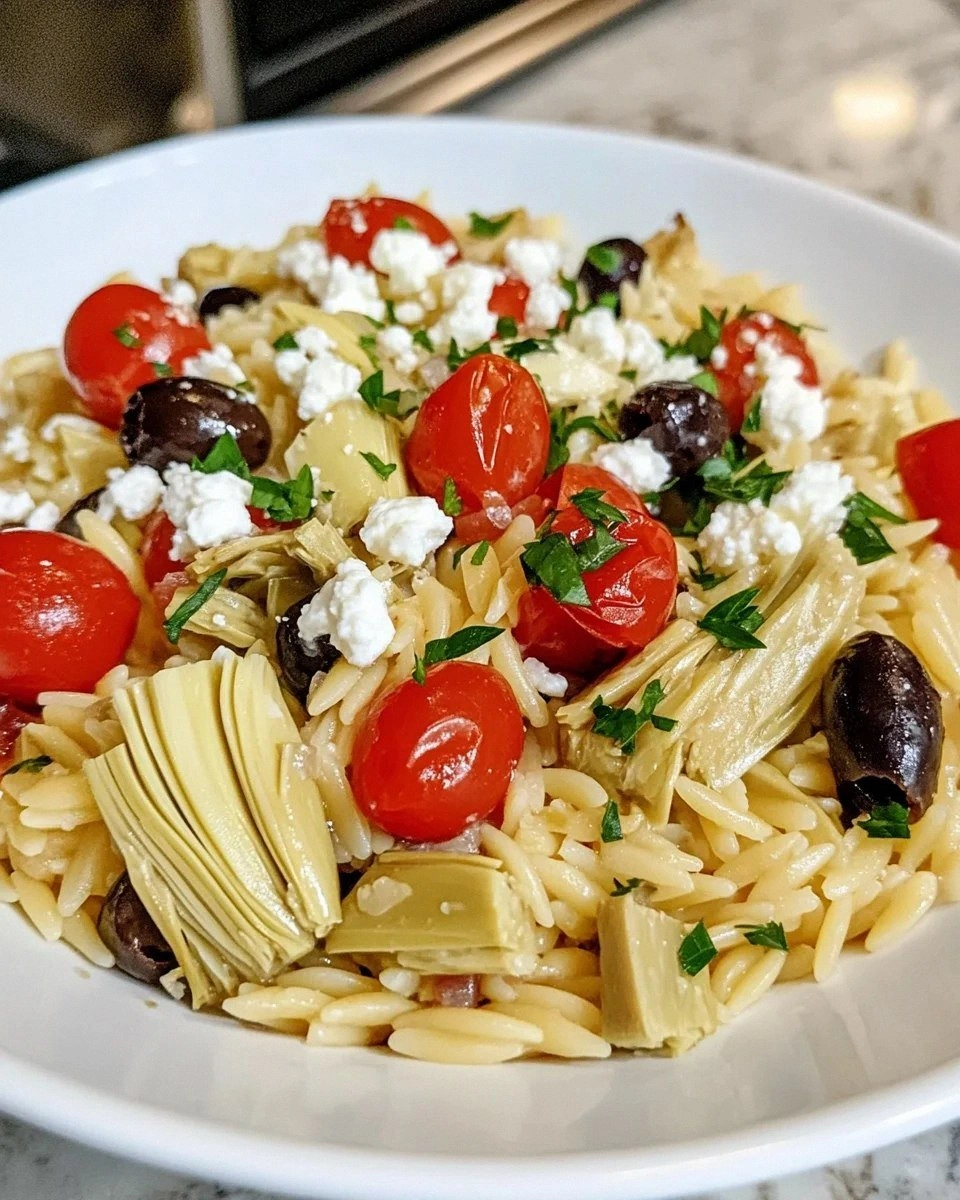
Swap the mix‑in for chopped kalamata olives, sun‑dried tomatoes, and crumbled feta. Add a dash of oregano for that classic Mediterranean kick. The result is a savory, tangy bake that pairs beautifully with a light cucumber salad.
Southwest Fiesta
Use roasted corn kernels, diced bell peppers, and a pinch of cumin. Finish with a dollop of guacamole and a sprinkle of cilantro. The smoky, earthy flavors make this a brunch‑friendly crowd‑pleaser.
Breakfast Breakfast
Add sautéed onions, diced ham, and a sprinkle of cheddar. Serve with a side of fresh fruit and a drizzle of maple syrup for a sweet‑savory combo that feels like a breakfast casserole.
Vegan Version
Replace cottage cheese with vegan cottage or a tofu ricotta blend, use flax eggs, and choose a plant‑based milk. Top with vegan shredded cheese and bake. The texture stays creamy, and the flavor profile remains rich.
Herb‑Infused Classic
Fold in a mixture of fresh basil, thyme, and rosemary. The herbs infuse the batter with aromatic depth, making each bite feel like a fragrant garden escape.
Storing and Bringing It Back to Life
Fridge Storage
Cool the bake completely before covering it tightly with plastic wrap or a lid. Store in the refrigerator for up to 3 days. The custard remains moist and the crust stays crisp when you reheat properly.
Freezer Friendly
Wrap the cooled bake in parchment paper, then in foil, and freeze for up to 2 months. Thaw overnight in the refrigerator before reheating. The texture stays intact, and the flavors don’t degrade.
Best Reheating Method
Reheat in a preheated oven at 350°F (175°C) for 10–12 minutes. Add a splash of water or milk to the bottom of the pan to create steam, which keeps the interior moist. Let it rest for a minute before serving to allow the heat to distribute evenly.