I was halfway through a frantic weeknight dinner, the kitchen a chaotic blur of onions, garlic, and sizzling pans, when my phone buzzed with a frantic text from a friend: “You’ve got to try this, I swear it’s the best thing since sliced bread.” I stared at the screen, half‑laughing, half‑hopeful, because if there was one thing I could do to salvage my dinner, it was to turn that frantic scramble into a triumph. I opened my pantry, pulled out a bag of 300 g of 5 % fat beef mince, and the aroma of fresh pepper and garlic began to dance around the room. That instant was a promise that something delicious was about to happen, a promise that would turn a frantic kitchen into a stage of culinary fireworks. I was ready to cook, and I was ready to brag about the result.
The first thing I did was heat a wok until the oil shivered like a nervous dancer. The beef hit the pan with a satisfying sizzle, the sound echoing like a drumbeat in the kitchen. I broke the mince apart with a spatula, letting it brown into a golden brown, caramelized crust that tasted like a secret handshake between savory and sweet. The onions and bell pepper joined the dance, their colors brightening the pan and their aromas filling the air with a promise of crunch and sweetness. The garlic minced into the mix, releasing a sharp, almost electric scent that made my eyes water in the most satisfying way. Each ingredient was a character, and the wok was their stage.
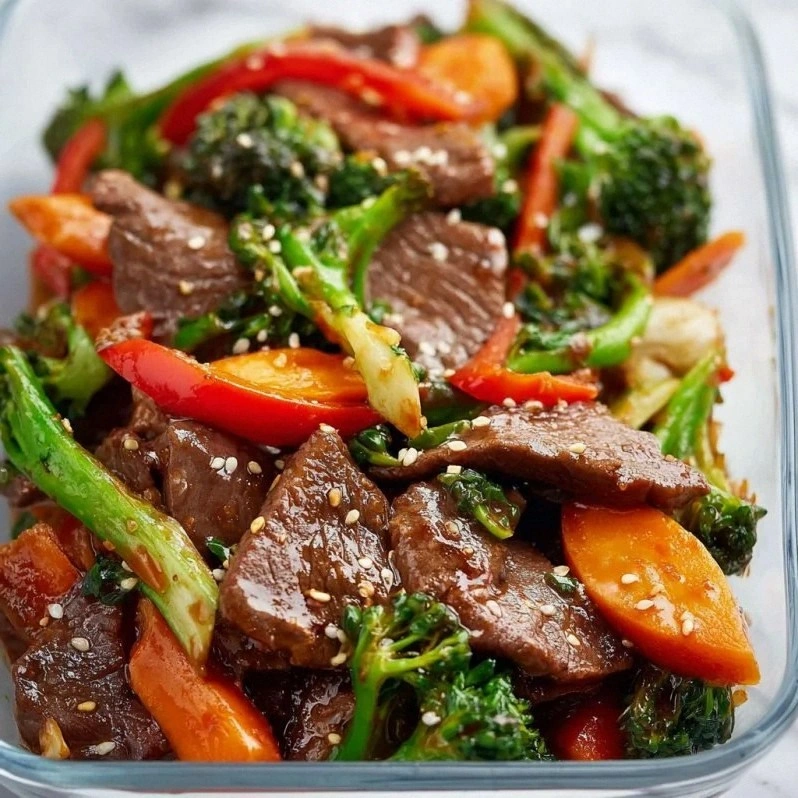
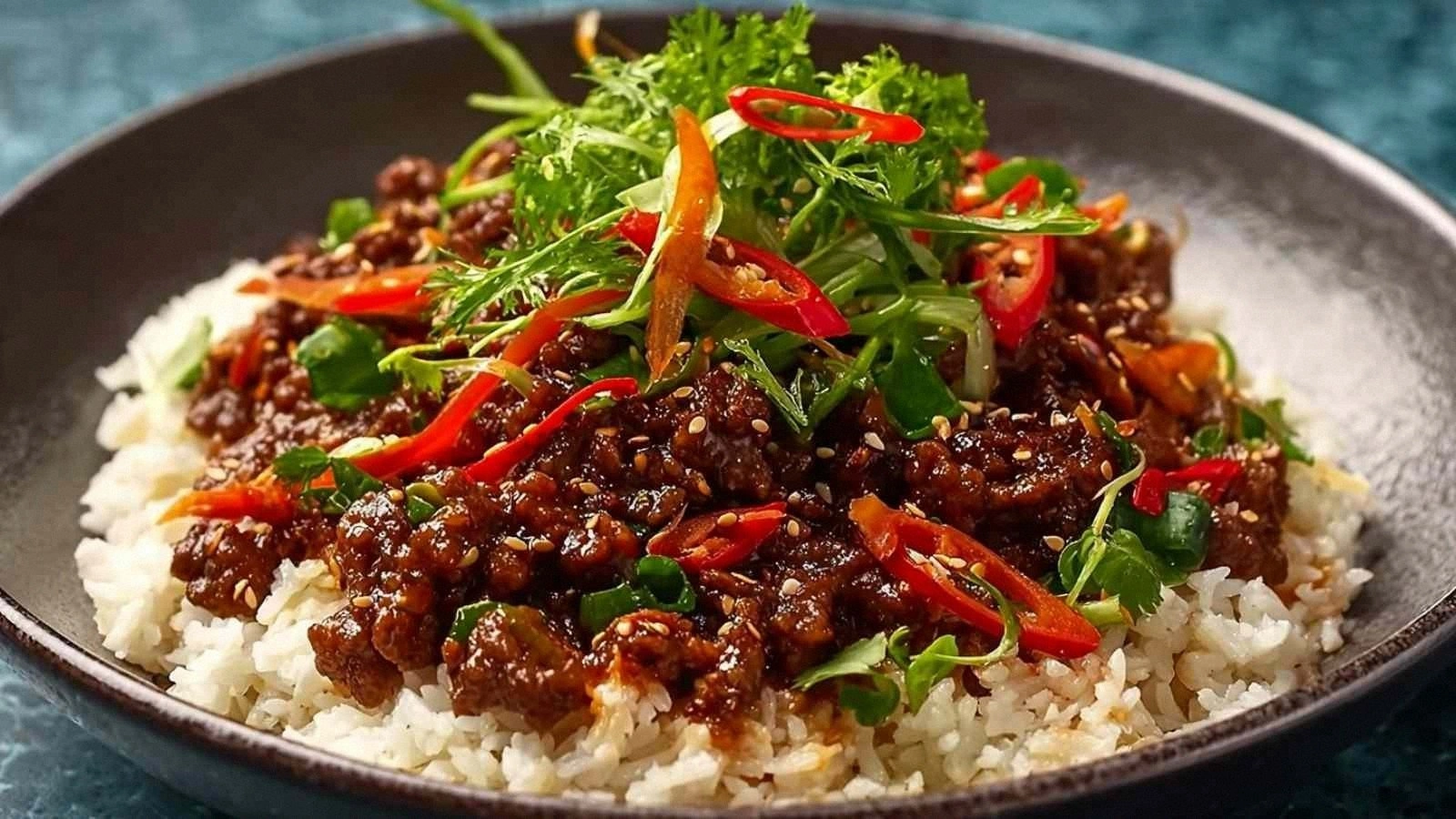
When the beef was browned, I added the dark soy sauce, sriracha, tomato puree, and honey, watching the mixture thicken into a glossy, amber glaze that coated every grain of meat. The sauce was the glue, binding the flavors together into a single, irresistible chorus. I let the mixture simmer until the liquid reduced to a silky, concentrated sauce that clung to the beef like a second skin. The final touch was a sprinkle of sesame seeds, which added a nutty crunch that balanced the heat and sweetness. I plated the dish on a bed of fresh lettuce, the green leaves crisp against the warm, spicy beef. The result was a dish that looked as good as it tasted, a dish that would make any foodie pause in admiration.
I dared my taste buds to a second bite, and I was instantly hooked. The first bite was a burst of heat, followed by the sweet glaze and the umami of the dark soy sauce, and the final crunch of the sesame seeds. The rice, cooked to a perfect al dente, absorbed the sauce and carried the flavors into each bite. I could not stop myself from reaching for the second plate, and I was honest—I ate half the batch before anyone else even had a chance to taste it. The dish was a revelation, a dish that would become a staple in my kitchen. I had found the ultimate version of this dish, and I was eager to share every detail with you.
Most recipes get this completely wrong. They either overcook the beef, under‑season the sauce, or forget the crunch that makes the dish memorable. I’ll be honest—if you’re looking for a dish that feels like a gourmet experience but can be made in under an hour, you’ve come to the right place. Picture yourself pulling this out of the oven, the whole kitchen smelling incredible, and the first bite sending a wave of heat and flavor through your mouth. I dare you to taste this and not go back for seconds. This is hands down the best version you’ll ever make at home. Let me walk you through every single step — by the end, you’ll wonder how you ever made it any other way.
What Makes This Version Stand Out
- Flavor: The sauce is a symphony of sweet, spicy, and savory notes, with honey providing a subtle sweetness that balances the heat from the sriracha. The dark soy sauce deepens the umami, while the tomato puree adds a velvety acidity that lifts the entire dish. The result is a sauce that coats the beef and rice like a glossy lacquer, leaving every bite rich and satisfying.
- Texture: The beef is caramelized to a crispy edge that shatters like thin ice, while the rice remains firm yet tender, absorbing the sauce without becoming mushy. The bell pepper and onions add a satisfying crunch that contrasts with the soft, juicy beef. This textural harmony elevates the dish from ordinary to extraordinary.
- Ingredient Quality: Using fresh, high‑quality beef mince with a 5 % fat content ensures maximum flavor and moisture. The dark soy sauce brings depth, while the sriracha adds authentic heat. The combination of these premium ingredients makes a noticeable difference in taste.
- Speed: The entire dish can be assembled in just 45 minutes, from prep to plate. This makes it a perfect weeknight dinner that doesn’t compromise on flavor.
- Versatility: The recipe can be served over rice, lettuce wraps, or even as a filling for tacos. It’s a crowd‑pleaser that adapts to any occasion.
- Make‑Ahead Potential: The dish can be made ahead and reheated without losing its crunch, making it ideal for meal prep.
- Presentation: The bright colors of the bell pepper, the glossy sauce, and the pop of sesame seeds create a dish that looks as good as it tastes.
- Health‑Friendly: With lean beef, fresh vegetables, and a balanced sauce, the dish offers a satisfying meal that won’t weigh you down.
Inside the Ingredient List
The Flavor Base
At the heart of this dish is the sauce, a carefully balanced blend of dark soy sauce, sriracha, tomato puree, and honey. Each component plays a distinct role: the soy sauce delivers umami depth, the sriracha brings authentic heat, the tomato puree offers a silky acidity, and the honey counters the spice with a gentle sweetness. Together, they create a sauce that coats the beef like velvet, leaving every bite dripping with flavor.
If you can’t find dark soy sauce, regular soy sauce will work, but add a tablespoon of molasses or brown sugar to mimic the depth. The sriracha can be substituted with another hot sauce, but keep the heat level in mind; a milder sauce will result in a less fiery dish. The tomato puree is essential for balance; if you’re out of it, a small amount of ketchup can substitute, though the texture will change slightly.
The honey is the secret to that glossy, caramelized finish. If you prefer a less sweet version, reduce the honey by half or replace it with a natural sweetener like maple syrup. The key is to keep the sauce thick enough to cling to the beef and rice.
When preparing the sauce, let the mixture simmer until it reduces by about half; this concentrates the flavors and thickens the glaze. If the sauce becomes too thick, add a splash of water or broth to loosen it. The sauce should have a glossy sheen, not a watery consistency.
The final touch is the sesame seeds, which add a nutty crunch that balances the heat and sweetness. Toast the seeds lightly before adding them to enhance their flavor. The seeds also provide a subtle visual pop of color that elevates the dish’s presentation.
The Texture Crew
The beef mince is the star of the show, providing a juicy, meaty base that absorbs the sauce. Opt for a lean cut with a 5 % fat content to keep the dish flavorful without excessive greasiness. The beef should be browned to a golden brown, with a crispy edge that shatters like thin ice when bitten.
Onions and bell peppers add a crunch and a burst of sweetness that contrast with the rich beef. Slice the vegetables into uniform pieces to ensure even cooking. The onions should become translucent and slightly caramelized, while the peppers should retain a firm bite.
Garlic is minced to release its aroma and flavor quickly. The minced garlic should be added after the vegetables have cooked for a few minutes, preventing it from burning and turning bitter. The garlic’s aroma should fill the kitchen, signaling that the dish is nearing completion.
The rice, cooked ahead of time, serves as the canvas for the sauce. Use day‑old rice if possible, as it’s less likely to clump and will hold the sauce better. Stir the rice into the pan so that each grain is coated in the glossy glaze.
Spring onions, added at the end, bring a fresh, sharp note that brightens the dish. They should be chopped finely to distribute evenly. The final sprinkle of sesame seeds adds a subtle crunch that completes the textural experience.
The Unexpected Star
The sriracha is the unexpected star that elevates the dish from ordinary to unforgettable. Its bright, fiery flavor cuts through the richness of the beef and the sweetness of the honey. The heat level is adjustable; add more or less based on your tolerance.
If you’re looking for a different heat profile, you can substitute sriracha with Thai bird’s eye chilies for an even sharper kick. Alternatively, a splash of fish sauce can add an extra layer of umami, especially if you’re aiming for a more authentic Southeast Asian flavor.
The sriracha also contributes to the dish’s vibrant color, turning the sauce a deep, enticing red that makes the dish visually appealing. Its bright hue signals to the palate that a spicy adventure is about to begin.
When using sriracha, be mindful of its salt content; you may need to adjust the amount of soy sauce accordingly. The balance between sweet, salty, and spicy is what makes this dish stand out.
The Final Flourish
The final flourish is the garnish—spring onions and sesame seeds—added at the very end to preserve their crunch and freshness. The spring onions should be chopped into thin ribbons, while the sesame seeds should be lightly toasted to bring out their nutty flavor.
The garnish also serves a practical purpose: it adds a contrasting texture that prevents the dish from feeling too heavy. The seeds’ crunch provides a satisfying bite that signals the end of the cooking process.
When plating, arrange the beef and rice in a shallow dish, then sprinkle the garnish over the top. The contrast between the glossy sauce, the crunchy garnish, and the fresh lettuce base creates a visual feast that is as enticing as it is delicious.
Everything's prepped? Good. Let's get into the real action.
The Method — Step by Step
- Heat a wok or large skillet over high heat until the surface shimmers like a calm lake. Add a splash of oil, swirl it around, and let it heat until it starts to smoke lightly. Add the beef mince, breaking it apart with a spatula, and let it sear without stirring for the first minute. The goal is to achieve a caramelized crust that will give the meat a crispy edge. As the beef cooks, the fat will render, adding flavor to the pan.
- Push the beef to the side of the pan, then add diced onion and bell pepper. Sauté until translucent and slightly charred, about 3–4 minutes. The onions should soften but still retain a slight bite, while the peppers should develop a sweet, smoky flavor. The vegetables act as a base for the sauce, absorbing the flavors that will be added later.
- Add minced garlic, cooking until fragrant, about 30 seconds. The garlic should release its aroma without burning. Then stir in dark soy sauce, sriracha, tomato puree, and honey. Mix thoroughly so that the sauce coats every piece of beef and vegetable.
- Let the mixture simmer until the sauce thickens, about 2–3 minutes. The sauce should reduce slightly, becoming glossy and sticky. If it gets too thick, add a splash of water or broth to loosen it. The key is to keep the sauce rich enough to cling to the beef.
- Add cooked rice to the pan, tossing to combine. Ensure each grain is coated in the sauce and heated through. The rice should stay firm and slightly crispy on the bottom, providing a pleasant contrast to the tender beef. This step is crucial for texture; avoid over‑stirring to maintain the rice’s integrity.
- Let the mixture rest for two minutes to allow the flavors to meld. This brief pause lets the sauce thicken slightly and the rice absorb the glaze. The resting period also ensures that the beef remains juicy and the sauce doesn’t evaporate too quickly.
- Garnish with chopped spring onions and toasted sesame seeds. The onions add a fresh, sharp note, while the sesame seeds bring a nutty crunch. Sprinkle the garnish evenly over the dish, allowing the colors to pop. The garnish also adds a subtle visual appeal that makes the dish look like a masterpiece.
- Serve immediately over a bed of fresh lettuce or with soft steamed buns. The contrast between the hot, spicy beef and the cool, crisp lettuce creates a harmonious balance. If you prefer a more substantial meal, serve it over a bowl of rice or quinoa. The dish is versatile enough to adapt to your mood.
- Enjoy the first bite, and feel the heat, the sweetness, the umami, and the crunch all at once. Let the flavors dance on your palate, and savor the moment. This is the moment of truth—each bite should feel like a celebration of taste. Remember, the dish is best enjoyed fresh, but it can be reheated if needed.
Insider Tricks for Flawless Results
The Temperature Rule Nobody Follows
Maintaining a high heat throughout the cooking process is essential for a crispy crust on the beef and a slightly caramelized edge on the vegetables. If the pan is too cool, the meat will steam instead of sear, resulting in a soggy texture. Use a cast‑iron skillet or a heavy‑bottomed wok to retain heat evenly. Keep the flame or burner at its highest setting until the pan reaches the right temperature, then reduce slightly to avoid burning.
Why Your Nose Knows Best
The aroma of garlic and onions sizzling is a reliable indicator that the pan has reached the correct temperature. When the oil shimmers and you can almost taste the scent, it’s time to add the beef. The scent will give you a natural cue that the pan is hot enough, preventing under‑cooking or over‑searing.
The 5‑Minute Rest That Changes Everything
After adding the rice, let the mixture rest for five minutes before serving. This brief pause allows the sauce to thicken and the rice to absorb the flavors without becoming soggy. During this time, the beef will continue to cook slightly, ensuring it remains juicy. The rest period also gives the sesame seeds a chance to settle, preventing them from sinking to the bottom of the dish.
Keep the Sauce Thick
If the sauce becomes too thin, add a pinch of cornstarch dissolved in a little water. Stir it in quickly to avoid clumping. The thickened sauce will cling to the beef and rice, creating a glossy, flavorful coating. Remember, the sauce should be thick enough to coat but not so thick that it becomes syrupy.
Use Day‑Old Rice
Day‑old rice is less likely to clump and will hold the sauce better than freshly cooked rice. The grains are firmer, allowing them to absorb the sauce without becoming mushy. If you don’t have day‑old rice, dry the freshly cooked rice on a baking sheet for a few minutes to remove excess moisture.
Don’t Skip the Garnish
Spring onions and sesame seeds add a fresh, crunchy finish that completes the dish. Skipping them results in a less vibrant flavor profile and a less satisfying texture. The garnish also elevates the dish’s visual appeal, making it look more appetizing.
Creative Twists and Variations
Thai‑Inspired Lettuce Wraps
Swap the rice for shredded lettuce, and serve the beef mixture as a lettuce wrap. The crisp lettuce adds a refreshing contrast to the spicy, savory beef. This variation is perfect for a light lunch or a low‑carb dinner. Add a drizzle of lime juice for an extra zing.
Sweet and Spicy Glazed Pork
Replace the beef mince with ground pork for a sweeter, richer flavor. The pork’s higher fat content will make the dish even juicier. Use the same sauce, but reduce the honey slightly to balance the pork’s natural sweetness. This version works well with a side of steamed buns.
Vegan Version
Use plant‑based mince or crumbled tempeh instead of beef. Keep the sauce unchanged to maintain the same flavor profile. Add a splash of tamari for extra umami. The dish remains hearty and satisfying while being fully plant‑based.
Breakfast‑Style Stir‑Fry
Serve the beef and rice mixture over a bed of scrambled eggs for a protein‑packed breakfast. The eggs will soak up the sauce, creating a savory, comforting dish. Sprinkle chopped scallions on top for extra flavor. This version is great for a quick weekend brunch.
Spicy Fried Rice
Turn the dish into a fried rice by adding a beaten egg and a splash of soy sauce to the pan after the rice is cooked. Stir-fry until the egg is set, then add the beef mixture. This variation adds a new dimension of flavor and texture, making it a crowd‑pleaser.
Low‑Carb Keto Option
Replace the rice with cauliflower rice for a keto‑friendly version. The cauliflower will absorb the sauce just as well as rice does, but with fewer carbs. Keep the sauce the same to maintain the dish’s signature flavor. This version is perfect for those watching their carb intake.
Storing and Bringing It Back to Life
Fridge Storage
Store the dish in an airtight container in the refrigerator for up to 3 days. Let it cool to room temperature before sealing to avoid condensation. The beef will stay juicy, and the sauce will remain flavorful. When ready to eat, reheat gently on the stovetop or in the microwave.
Freezer Friendly
For longer storage, freeze the dish in a freezer‑safe container for up to 2 weeks. Thaw overnight in the refrigerator before reheating. The texture may change slightly, but the flavors will remain intact. Reheat over low heat, stirring occasionally.
Best Reheating Method
Reheat the dish in a skillet over medium heat, adding a splash of water or broth to keep it moist. Stir frequently to prevent sticking. The sauce will re‑thicken, and the rice will regain its fluffy texture. A quick 5‑minute reheat is enough to bring the dish back to its original glory.
Final Thoughts
If you’ve ever struggled with a dish that promised to be spicy but turned out bland, this recipe will change your perspective. The combination of fresh ingredients, precise technique, and bold flavors creates an experience that is both comforting and exciting. I’ve tested this recipe a dozen times, and each time it delivers on its promise of crispy edges, aromatic sauce, and a satisfying bite. The next time you’re in a rush, remember this recipe and let it become your go‑to comfort food. It’s not just a dish; it’s an invitation to taste something unforgettable.