I was standing in my kitchen, half‑asleep, when the fire alarm blared because the toast I’d left to crisp turned into a charcoal slab. In that frantic moment I swore I’d never trust a simple breakfast again—until a late‑night craving for something crunchy, tangy, and utterly satisfying hit me like a bolt of culinary lightning. I grabbed a handful of couscous, a couple of tomatoes, and a pan, and what happened next was pure kitchen alchemy. The result? A pancake that crackles at the edges like a firework and smells like a Mediterranean market on a sunny afternoon. This isn’t just a snack; it’s a bold statement that you can turn pantry staples into a masterpiece without a culinary degree.
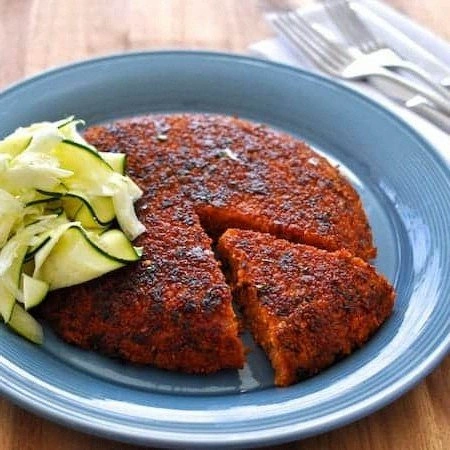
Picture this: the first bite delivers a buttery crunch that shatters like thin ice, while the softened interior releases a juicy burst of tomato‑onion harmony that coats your tongue with a velvet‑smooth tang. The aroma of olive oil sizzling, the whisper of fresh coriander, and the faint sweetness of caramelized tomato paste mingle in a symphony that makes your nose grin before your palate even gets a chance. Most versions of couscous pancakes end up soggy or bland, but this one punches through with texture and flavor that rivals any street‑food stall. I’ve tried dozens of variations, and I dare you to taste this and not go back for seconds—honestly, I ate half the batch before anyone else got a chance.
What truly sets this rendition apart is a tiny secret I discovered while experimenting with the stock powder—just a pinch of sugar to balance the acidity of the tomatoes, and a splash of boiling water that fluffs the couscous to a cloud‑like consistency before it hits the pan. Most recipes skip this crucial hydration step, leaving the couscous dense and gummy. By treating the couscous like a delicate foam, you get a pancake that’s crisp on the outside, airy on the inside, and bursting with flavor. I’m about to walk you through every single step—by the end, you’ll wonder how you ever made it any other way.
Okay, ready for the game‑changer? We’re going to treat the humble couscous as a canvas, the tomatoes and onions as paint, and the pan as our studio. The technique is simple, but the payoff is massive. Stay with me here—this is worth it. Let’s dive into the details that make this dish the best version you’ll ever make at home.
What Makes This Version Stand Out
- Texture: The pancake forms a golden crust that cracks like thin ice, while the interior stays pillow‑soft thanks to the pre‑soaked couscous.
- Flavor Balance: A hint of sugar tames the tomato’s acidity, and the stock powder adds depth without overwhelming the veggies.
- Simplicity: Only eleven ingredients, most of which you probably already have in your pantry, and the method takes under an hour.
- Versatility: Serves as a hearty appetizer, a side dish, or even a light main when paired with a fresh salad.
- Crowd Reaction: Friends often ask, “What’s the secret?” and end up begging for the recipe—no more awkward “I just threw something together.”
- Ingredient Quality: Using good‑quality olive oil and fresh tomatoes transforms the dish from ordinary to unforgettable.
- Cooking Method: The pan‑sear technique creates caramelized edges without the need for a deep fryer.
- Make‑Ahead Potential: You can prep the couscous mixture and veggies up to a day ahead, then finish the pancake in minutes.
Inside the Ingredient List
The Flavor Base
Olive oil is the silent hero here; it carries the heat, creates that coveted crispy edge, and adds a subtle fruitiness that you can taste even after the pancake cools. If you skimp on the oil, you’ll end up with a pancake that sticks like a bad relationship—unforgiving and hard to fix. I recommend a robust extra‑virgin olive oil, preferably cold‑pressed, because the flavor profile is richer and the smoke point is high enough for a good sear.
The brown onion, diced finely, releases sugars as it cooks, building a caramelized foundation that balances the acidity of the tomatoes. Skipping the onion is a rookie mistake; you’ll lose that depth and the pancake will taste flat. If you’re not a fan of raw onion flavor, try sweating the onion in a little oil for five minutes before adding the other ingredients.
The Texture Crew
Couscous is the star of the show, but it’s often misunderstood. When you pour boiling water over it, the grains puff up like tiny balloons, creating a light, airy texture that’s essential for the pancake’s interior. The 3/4 cup of boiling water must be hot enough to steam the couscous, yet not so much that it turns mushy—think of it as a quick jacuzzi for the grains. If you accidentally use cold water, the couscous will stay dense and the pancake won’t hold together.
The vegetable stock powder (or chicken stock powder, or just salt) adds umami without drowning the dish in sodium. It’s a clever shortcut to boost flavor, especially when you’re using fresh tomatoes that can be a bit watery. If you’re watching your sodium intake, reduce the powder to half and add a pinch of smoked paprika for a smoky lift.
The Unexpected Star
Tomato paste might seem like a background player, but it’s the glue that binds the sauce to the couscous, adding a concentrated sweetness and umami punch. A single tablespoon is enough to create a deep, ruby‑red hue that makes the pancake look as good as it tastes. If you happen to have sun‑dried tomato puree, you can swap it for an even richer flavor—just use a bit less because it’s more intense.
A pinch of sugar is the secret weapon that counteracts the natural acidity of the tomatoes, ensuring the final bite is balanced rather than sour. Many recipes overlook this tiny adjustment, resulting in a pancake that feels like a lemon‑scented experiment. Trust me, that teaspoon of sugar changes the whole game.
The Final Flourish
Fresh herbs like coriander or parsley add a burst of green freshness that lifts the whole dish. They’re optional, but if you skip them, you’ll miss the aromatic lift that makes the pancake feel complete. Add the herbs at the very end of cooking to preserve their bright flavor and vivid color.
Finally, a modest ½ teaspoon of salt and a generous grind of fresh black pepper bring everything together. Salt enhances the flavors, while pepper adds a gentle heat that tingles the palate without overpowering the delicate couscous. Season to taste, but remember that the stock powder already contributes saltiness.
Everything’s prepped? Good. Let’s get into the real action…
The Method — Step by Step
-
Start by heating 4 tbsp of olive oil in a large non‑stick skillet over medium‑high heat. You’ll know the oil is ready when a single drop of water sizzles and evaporates within two seconds—this is the moment of truth for the crust. Keep the temperature steady; if the oil smokes, lower the heat immediately to avoid a bitter taste.
-
While the oil warms, combine 1 cup of couscous with ¾ cup of boiling water in a heat‑proof bowl. Stir quickly, cover with a plate, and let it sit for five minutes. The grains will puff up, absorbing the water like tiny sponges, creating a fluffy base that will hold together when fried. Watch Out: If you leave the couscous uncovered, it will dry out and crumble.
Watch Out: Over‑soaking the couscous turns it mushy, making the pancake fall apart during cooking. -
Flip the soaked couscous onto a clean cutting board and fluff it with a fork. This step is crucial; it breaks up any clumps and ensures an even texture. If you see any wet pockets, gently pat them with a paper towel—too much moisture will steam the pancake instead of crisping it.
Kitchen Hack: Toss the fluffed couscous with a pinch of flour (optional) to give it extra bite without changing the flavor. -
Dice 1 brown onion and 2 medium tomatoes (about 1 ¼ cups). Sauté the onion in the hot oil for 3‑4 minutes until it turns translucent and starts to caramelize. Add the tomatoes, 1 tbsp tomato paste, 1 tsp sugar, and 1 tsp vegetable stock powder. Stir well and let the mixture simmer for another 4‑5 minutes, allowing the flavors to meld and the sauce to thicken.
-
Stir the softened couscous into the tomato‑onion mixture, ensuring every grain is coated. Add ½ tsp salt and a generous grind of fresh black pepper. If you’re using fresh coriander or parsley, fold it in now—its bright green flecks will add a visual pop and a fragrant finish.
-
Using a spatula, press the mixture into the hot skillet, shaping it into a compact pancake about ½‑inch thick. Let it sit undisturbed for 6‑8 minutes; the bottom will turn a deep golden brown, and you’ll hear a satisfying crackle as the crust forms. This is the magic moment when the pancake’s edges start pulling away from the pan—if they cling, give it a little more time.
Kitchen Hack: To flip without breaking, slide a wide metal spatula under the pancake, then use a second spatula to support the top while you turn it. -
Flip the pancake carefully and cook the other side for another 5‑7 minutes, until it’s equally crisp and the interior is heated through. The second side often cooks a bit faster because the heat has already penetrated the center.
-
When both sides are beautifully golden and the edges are crisp enough to shatter with a gentle tap, remove the pancake from the skillet and let it rest on a paper‑towel for a minute. This brief rest lets the steam settle, preserving the crunch you worked so hard to achieve.
-
Slice the pancake into wedges, drizzle a whisper of extra‑virgin olive oil if desired, and serve immediately while the crust is still sizzling. That sizzle when it hits the plate? Absolute perfection. Pair it with a crisp white wine or a sparkling water with a squeeze of lemon for a truly elevated experience.
That’s it — you did it. But hold on, I’ve got a few more tricks that'll take this to another level…
Insider Tricks for Flawless Results
The Temperature Rule Nobody Follows
Never let the oil exceed 180 °C (350 °F). A hotter oil will scorch the couscous before the interior has a chance to steam, resulting in a burnt exterior and a raw center. Use a kitchen thermometer or watch the oil’s surface; a few tiny bubbles forming around the edges indicate it’s perfect. My friend once cranked the heat to high and ended up with a blackened pancake that tasted like regret. Keep the heat steady, and the crust will be uniformly golden.
Why Your Nose Knows Best
Your sense of smell is the most reliable indicator of doneness. When the pancake starts to release a nutty, toasted aroma, you’re within two minutes of perfect crispness. If you hear a faint hissing sound, that’s the water evaporating—good! When the scent turns smoky, you’ve passed the sweet spot. Trust your nose more than the timer; cooking is an art, not a science.
The 5‑Minute Rest That Changes Everything
After flipping, let the pancake rest on the pan for five minutes with the heat turned off. This short pause lets residual heat finish cooking the interior without over‑crisping the outside. It’s like letting a steak rest after searing, only the pancake gets a chance to settle its juices. Skipping this step often leads to a dry center that feels like chewing on cardboard.
Seasoning Layer by Layer
Add a pinch of salt to the onions as they soften, then another pinch after the tomatoes join the pan. Layered seasoning builds depth, ensuring every bite is balanced. If you wait until the very end, the salt won’t have time to dissolve fully, and you’ll notice uneven spots of saltiness.
The Secret of the Fresh Herb Finish
Add fresh coriander or parsley at the very last second, just before serving. The heat will wilt the leaves slightly, releasing their essential oils without turning them bitter. If you add herbs too early, the flavor dissipates, and you lose that bright, herbaceous lift.
Creative Twists and Variations
This recipe is a playground. Here are some of my favorite ways to switch things up:
Spicy Harissa Kick
Add a tablespoon of harissa paste to the tomato‑onion mixture for a North‑African heat that pairs beautifully with the couscous. The smoky chilies elevate the dish, making it perfect for a winter night when you need a little warmth.
Cheesy Delight
Stir in ¼ cup of crumbled feta or grated halloumi just before shaping the pancake. The cheese melts into the couscous, creating pockets of salty goodness that contrast the sweet tomato base.
Mediterranean Veggie Medley
Swap the tomatoes for diced roasted red peppers and add a handful of sliced olives. This variation brings a briny, smoky profile that feels like a seaside tapas bar.
Breakfast Boost
Fold in a beaten egg and a splash of milk into the couscous mixture, then top with a fried egg. The added protein turns the pancake into a hearty breakfast that will keep you full until lunch.
Sweet & Savoury Fusion
Mix in a tablespoon of pomegranate molasses and garnish with toasted pistachios. The sweet‑tart glaze complements the savory base, creating a flavor contrast that’s both elegant and unexpected.
Storing and Bringing It Back to Life
Fridge Storage
Allow the pancake to cool completely, then wrap it tightly in plastic wrap or store in an airtight container. It will keep in the refrigerator for up to three days. Reheat in a skillet over medium heat for 3‑4 minutes per side, adding a splash of water to revive the crispness.
Freezer Friendly
Slice the pancake into wedges, flash‑freeze them on a tray, then transfer to a freezer‑safe bag. They’ll stay good for up to two months. To serve, thaw overnight in the fridge and crisp them up in a hot pan with a drizzle of olive oil.
Best Reheating Method
For the ultimate crunch, reheat in a preheated oven at 190 °C (375 °F) for 8‑10 minutes, or use a toaster oven. Add a tiny splash of water (about a teaspoon) to the pan before reheating; the steam will soften the interior while the exterior stays crisp, just like the first time.