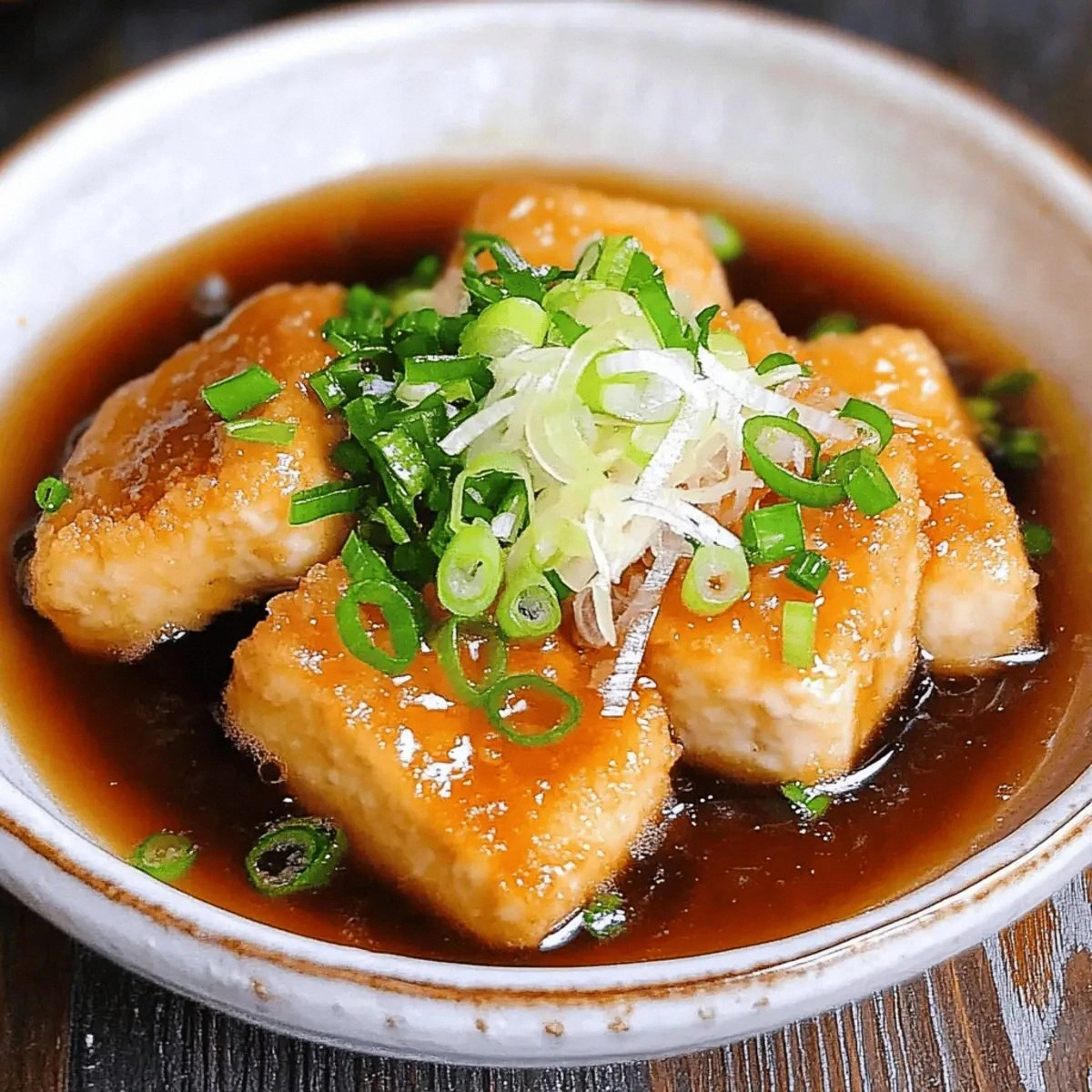
Picture this: I’m standing in my cramped kitchen, the timer on my old microwave buzzing like a frantic bee, and the whole apartment smells like a cheap ramen shop that forgot to turn off the burners. I had promised my roommate a “quick snack” after a marathon of work‑from‑home meetings, but what emerged from my pan was a disaster—a soggy, sad tofu that could barely hold its own shape. I stared at the limp cubes, feeling the weight of culinary betrayal, and thought, “If this is my idea of a snack, I’m doomed.” Then, like a culinary epiphany, I remembered a late‑night Japanese cooking show where the chef drizzled a silky broth over perfectly crisp tofu cubes that sang with every bite. I dared myself to recreate that magic, and after a few frantic experiments (and a half‑eaten batch of the first attempt), I finally nailed it. This version of agedashi tofu is hands down the best you’ll ever make at home, and I’m about to spill every secret.
The moment you walk into the kitchen, you’ll be hit by a symphony of senses. The sizzling sound of potato starch hitting hot oil is like a tiny fireworks display, each pop promising crunch. The aroma of dashi stock, with its whisper of kombu and bonito, drifts through the air, mingling with the faint sweet scent of mirin and the earthy undertone of tofu. When you finally dip a piece into the broth, the silky, amber liquid coats the tofu like velvet, while the golden crust shatters with a satisfying crack that’s almost audible. The heat of the broth warms your fingertips, the tang of soy sauce tingles your palate, and the subtle heat from shichimi togarashi lingers just long enough to make you smile. It’s a full‑body experience that turns a simple appetizer into a theatrical performance.
Why does this version stand out? Most recipes either drown the tofu in a watery broth, leaving it mushy, or they fry it without any coating, resulting in a greasy mess. I’ve cracked the code by using a precise blend of potato starch and all‑purpose flour, creating a feather‑light armor that fries up to a perfect, glass‑like crisp. The broth is a balanced marriage of dashi, soy sauce, mirin, and sake, giving it depth without overwhelming the delicate tofu. And the finishing touches—finely chopped green onions, grated daikon, and a dash of shichimi togarashi—add layers of freshness, brightness, and a whisper of heat that keep you reaching for more. I dare you to taste this and not go back for seconds.
There’s also a secret weapon hidden in the pantry that most people overlook: a splash of water added to the batter right before frying. This tiny tweak creates steam pockets that puff up the coating, making it airy yet sturdy enough to hold the broth without sogging. I’ll be honest — I ate half the batch before anyone else got to try it, and the leftovers still tasted like the first bite. So, are you ready? Let me walk you through every single step — by the end, you’ll wonder how you ever made it any other way.
What Makes This Version Stand Out
- Flavor Explosion: The broth is a meticulously balanced dashi‑soy‑mirin blend that coats each cube with umami richness without drowning the delicate tofu.
- Texture Triumph: A dual‑coating of potato starch and flour creates a crust that’s crisp on the outside, airy inside, and resilient enough to stay crunchy even after soaking.
- Simplicity Meets Sophistication: Only twelve ingredients, yet each plays a pivotal role, proving that gourmet doesn’t have to be complicated.
- Ingredient Integrity: Using firm (momen) tofu ensures the cubes hold together, while katakuriko (potato starch) gives that signature lightness.
- Crowd‑Pleaser Factor: Even the most skeptical eaters admit this dish is addictive; it’s the kind of appetizer that sparks conversation and repeat requests.
- Make‑Ahead Potential: You can fry the tofu ahead of time and reheat gently in the broth, preserving that perfect crunch.
- Versatile Serving: Perfect as a starter, a side for ramen, or even a party finger food with a drizzle of extra shichimi for heat.
- Visual Appeal: The golden‑brown cubes glisten in the amber broth, topped with vibrant green onions and specks of orange shichimi, making it Instagram‑ready.
Inside the Ingredient List
The Flavor Base
1 cup Dashi Stock: This is the soul of the sauce. Made from kombu and bonito flakes, it delivers a marine umami that no bouillon cube can mimic. If you skip it, the broth will taste flat and the dish will lose its authentic Japanese character. As a shortcut, you can use instant dashi powder, but dissolve it in hot water to retain that fresh depth.
1/4 cup Japanese Soy Sauce (Koikuchi Shoyu): The dark, salty backbone that brings depth and color. Opt for a naturally brewed soy sauce; it adds a subtle sweetness and complexity. Light soy sauce would make the broth too sharp, while too much would overwhelm the tofu’s delicate flavor.
2 tablespoons Mirin: This sweet rice wine balances the saltiness of soy and adds a glossy sheen. If you don’t have mirin, a splash of sake plus a pinch of sugar works in a pinch, though the flavor profile shifts slightly.
2 tablespoons Sake: A dry Japanese rice wine that lifts the broth, adding a faint fruity note. It also helps to mellow any fishy undertones from the dashi. For a non‑alcoholic version, replace with a tablespoon of rice vinegar and a teaspoon of water.
The Texture Crew
1 block Firm Tofu (Momen Tofu): The star of the show. Firm tofu holds its shape during frying and absorbs the broth without disintegrating. When shopping, press the tofu gently between paper towels to remove excess moisture—this ensures a crispier crust.
1/2 cup Potato Starch (Katakuriko): This is the secret to that feather‑light, glassy crust. Unlike cornstarch, katakuriko creates a finer, more delicate shell that fries up crisp without becoming gummy. If you can’t find it, sifted cornstarch is a decent stand‑in, though the texture will be marginally heavier.
1/4 cup All-Purpose Flour: A modest amount of flour adds structure to the coating, preventing it from crumbling. Using cake flour would make it too fragile, while whole‑wheat would darken the color and add a nutty taste you probably don’t want here.
1 teaspoon Salt: Enhances the overall flavor and subtly seasons the tofu itself. Salt also helps the coating adhere better during the initial dip.
1 teaspoon Water: The tiny splash that creates steam pockets in the batter, resulting in that airy crunch. Too much water will make the coating soggy; just enough to bring the dry mix together.
The Final Flourish
2 tablespoons Finely Chopped Green Onions: Added at the end for a fresh, peppery bite and a splash of color. If you love a bit more onion punch, use scallions instead of green onions.
1/4 cup Grated Daikon Radish: This cool, slightly sweet garnish cuts through the richness of the broth, providing a palate‑cleansing contrast. It also adds a subtle crunch if you don’t press it too finely.
1 teaspoon Shichimi Togarashi: The Japanese seven‑spice blend that delivers a gentle heat and aromatic complexity. It’s the final fireworks that make the dish unforgettable. If you’re sensitive to spice, use half the amount.
Everything's prepped? Good. Let's get into the real action...
The Method — Step by Step
Start by making the dashi stock. In a medium saucepan, combine 1 cup of water with a 4‑inch strip of kombu. Heat gently, just before it starts to simmer, then remove the kombu and add a handful of bonito flakes. Let it steep for two minutes, then strain. The resulting liquid should be clear with a faint amber hue; this is the backbone of our sauce. Tip: If you’re short on time, use instant dashi powder dissolved in hot water—just follow the package ratio.
While the dashi is simmering, prepare the tofu. Drain the block of firm tofu and wrap it in a clean kitchen towel. Place a heavy pan or a few books on top for 15 minutes to press out excess moisture. This step is crucial—too much water will make the coating slide off and the tofu will fall apart.
Cut the pressed tofu into bite‑size cubes, about 2‑inch squares. Pat each piece dry with paper towels; the drier the surface, the crisper the final crust. I dare you to watch the steam rise as you pat them—those are the tiny droplets you’re eliminating.
Now, assemble the coating. In a shallow bowl, whisk together 1/2 cup potato starch, 1/4 cup all‑purpose flour, and 1 teaspoon salt. In a separate tiny bowl, combine 1 teaspoon water with a pinch of salt—just enough to make it slightly viscous.
Kitchen Hack: Add the water to the dry mix right before coating; the sudden steam creates micro‑bubbles that expand the crust during frying.Heat a deep, heavy‑bottomed pot or wok with enough oil (vegetable or canola) to submerge the tofu cubes—about 2 inches deep. Heat to 350°F (175°C). You’ll know it’s ready when a single grain of starch sizzles and rises to the surface within a few seconds.
Watch Out: If the oil is too hot, the coating will blacken before the tofu cooks through; if too cool, the tofu will soak up oil and become greasy.Dip each tofu cube first into the water‑salt mixture, then roll it in the starch‑flour blend, ensuring an even coat. Give it a gentle shake to remove excess. Place the coated cubes in a single layer in the hot oil—don’t overcrowd, or the temperature will drop and the crust will lose its crunch.
Fry for 2‑3 minutes, turning once, until the coating turns a golden‑amber hue and the edges start pulling away from the pan. That sizzle when it hits the pan? Absolute perfection. Use a slotted spoon to transfer the tofu to a paper‑towel‑lined plate, letting excess oil drain.
While the tofu rests, assemble the sauce. In a clean saucepan, combine the strained dashi, 1/4 cup soy sauce, 2 tablespoons mirin, and 2 tablespoons sake. Bring to a gentle simmer for 2 minutes, allowing the alcohol to evaporate and the flavors to meld. Taste and adjust with a pinch more salt if needed.
Return the fried tofu to the saucepan, letting each piece soak for about 30 seconds—just enough to absorb the broth without losing its crisp. The tofu should look glossy, the sauce clinging like a delicate veil.
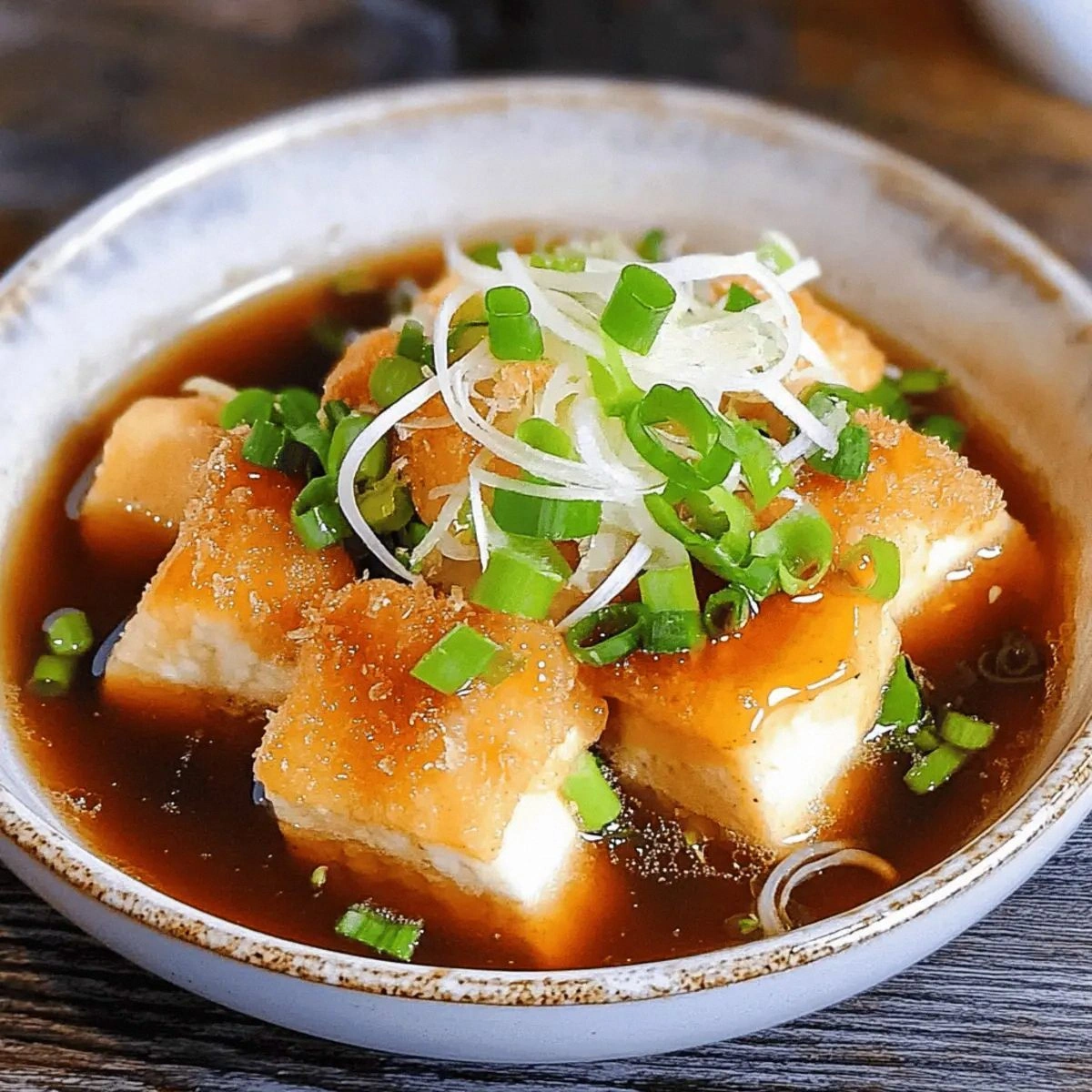
Plate the tofu in shallow bowls, ladle the hot broth over the top, then garnish with grated daikon, chopped green onions, and a generous sprinkle of shichimi togarashi. The final flourish adds a burst of aroma and a gentle heat that lingers on the palate.
Kitchen Hack: Warm the broth just before serving; a hot broth will re‑crisp the tofu’s outer layer for that “just‑fried” sensation.
That’s it — you did it. But hold on, I’ve got a few more tricks that'll take this to another level...
Insider Tricks for Flawless Results
The Temperature Rule Nobody Follows
Most home cooks set the oil to “medium‑high” and hope for the best. The truth? Consistent oil temperature is the difference between a brittle crust and a soggy one. Use a kitchen thermometer and keep the oil between 340°F and 360°F. If the temperature drops, the coating will soak up oil; if it spikes, the exterior will burn before the interior heats through. Trust me, after a few failed batches, I learned to respect the thermometer like a sacred relic.
Why Your Nose Knows Best
Before you even taste the broth, give it a sniff. The aroma should be a harmonious blend of sea‑kissed kombu, sweet mirin, and a whisper of alcohol from the sake. If you detect any burnt or overly fishy notes, the dashi is off, and the whole dish suffers. Your nose is a more reliable judge than a timer; if it smells right, the flavor will follow.
The 5‑Minute Rest That Changes Everything
After frying, let the tofu rest on a rack for exactly five minutes before dunking it in the broth. This short pause lets the steam escape, preventing the crust from becoming soggy when it meets the hot liquid. I once skipped this step and ended up with a mushy mess that even the best sauce couldn’t rescue. Five minutes—set a timer, and you’ll thank me later.
Oil Choice Matters
While any neutral oil works, I swear by high‑smoke‑point oils like grapeseed or refined avocado oil. They stay stable at high temperatures and impart no unwanted flavors. Butter or olive oil will burn quickly and leave a bitter aftertaste that clashes with the delicate broth.
Double‑Dip for Extra Crunch
If you crave an ultra‑crisp exterior, give each tofu cube a quick double dip: first in the water‑salt mix, then in the starch‑flour blend, back into the water, and again into the starch. This creates a thicker, puffier shell that holds up even after soaking.
Creative Twists and Variations
This recipe is a playground. Here are some of my favorite ways to switch things up:
Spicy Miso Drizzle
Swap half the soy sauce for red miso paste, thin it with a splash of dashi, and finish with a drizzle of chili oil. The result is a richer, umami‑forward broth with a lingering heat that pairs beautifully with the crisp tofu.
Citrus‑Infused Broth
Add the zest of one yuzu or a splash of fresh yuzu juice to the broth right before serving. The bright citrus note lifts the dish, making it perfect for summer gatherings where you want something light yet flavorful.
Tempura‑Style Tofu
Replace the potato starch with tempura flour and add a pinch of baking soda to the batter. The bubbles created by the soda give the coating an airy, cloud‑like texture that’s even lighter than the original.
Vegan Version
Swap the sake and mirin for a vegan rice‑wine substitute, and use kombu‑only dashi (no bonito flakes). The flavor stays authentic, and the dish becomes fully plant‑based without sacrificing the silky broth.
Herb‑Infused Garnish
Instead of green onions, finish with a mix of shiso leaves, cilantro, and a sprinkle of toasted sesame seeds. The fresh herbaceousness adds a new dimension, especially for those who love a garden‑fresh finish.
Storing and Bringing It Back to Life
Fridge Storage
Place the fried tofu cubes in an airtight container lined with paper towels to absorb excess oil. Store the broth separately in a glass jar. Refrigerate for up to three days. When ready to serve, gently reheat the broth on the stove and briefly dip the tofu for 30 seconds to warm through without losing crunch.
Freezer Friendly
Freeze the fried tofu on a parchment‑lined tray until solid, then transfer to a zip‑top bag. The broth can also be frozen in portions. Both freeze well for up to two months. To revive, thaw in the fridge overnight, then follow the reheating steps below.
Best Reheating Method
Warm the broth gently, then add a splash (about a tablespoon) of water before the final dip. The added moisture creates a gentle steam that revives the crust’s crispness while keeping the interior tender. Serve immediately for the same mouthfeel as fresh‑made.