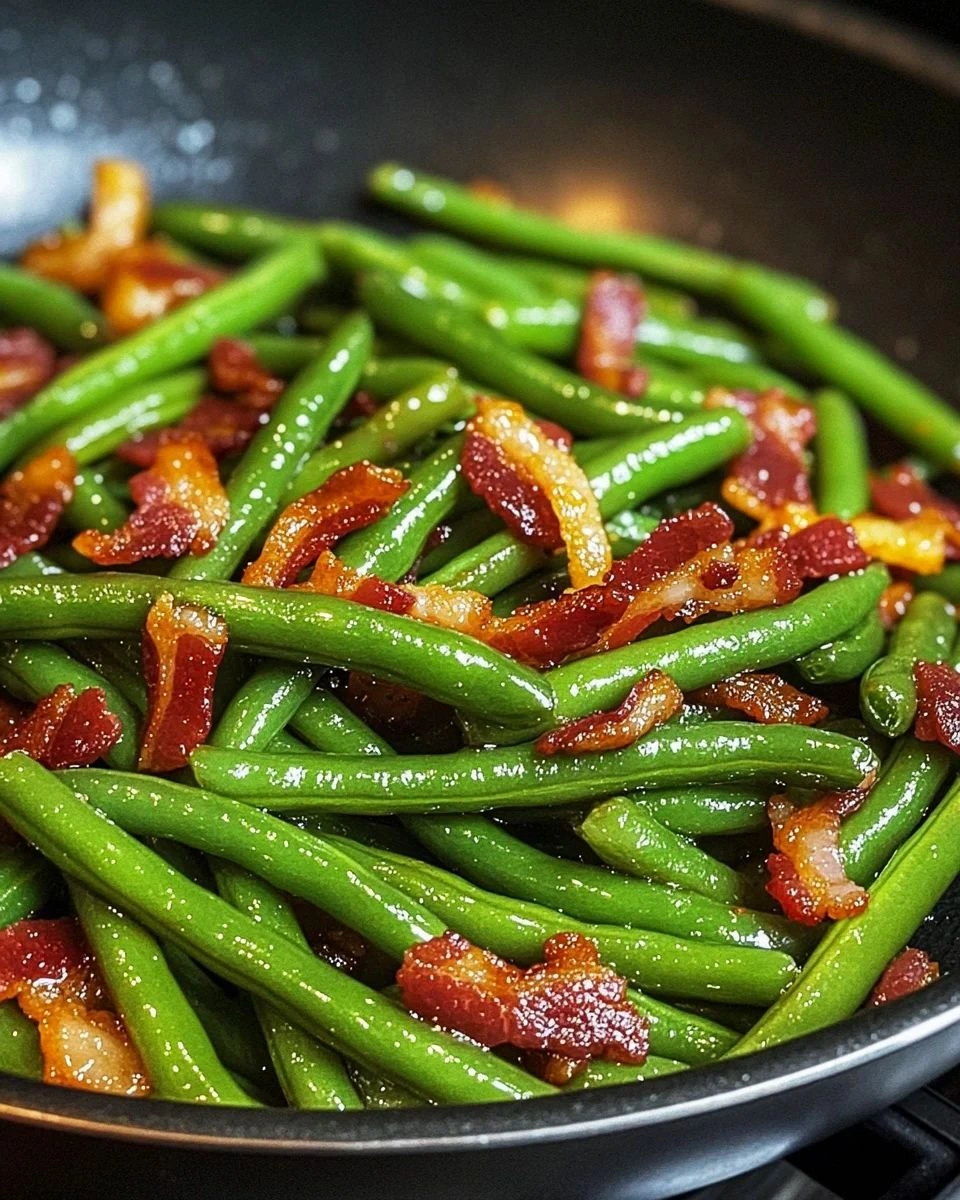
I still remember the night I was trying to salvage a ruined dessert after a kitchen disaster that could have been a tragedy. I had overcooked a batch of pears, left them to sit on a counter too long, and the fruit turned into a sticky, unappetizing mess. My friend dared me to make something from that batch, and I decided to turn those overripe pears into a sweet, buttery, cinnamon‑kissed bite. The result? A dish that melts in your mouth and leaves a lingering scent of warm spices that makes your entire kitchen feel like a cozy autumn retreat.
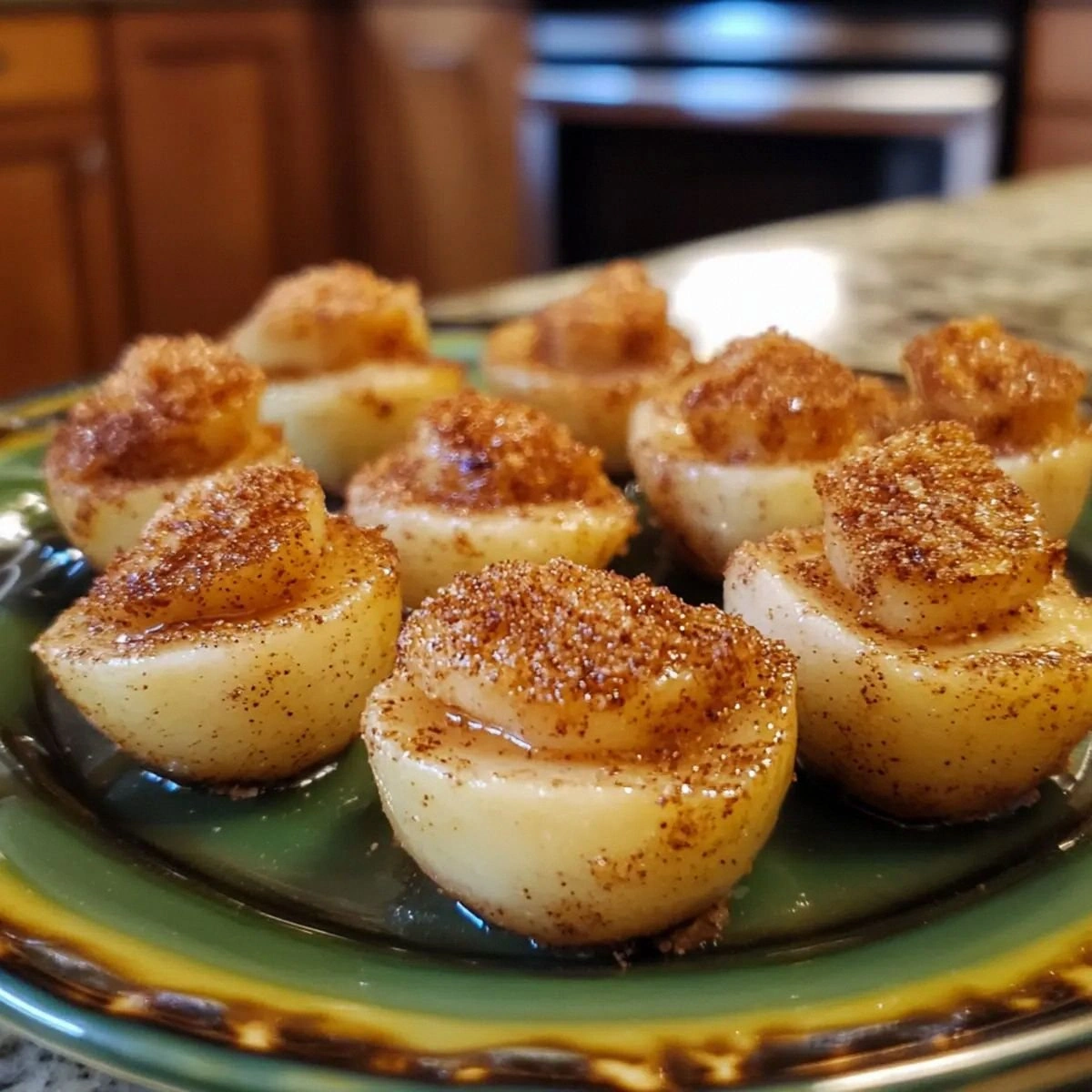
Picture this: the pear’s skin glistening like a polished amber, the honey drizzling into a glossy glaze that shimmers under the oven light. The scent of cinnamon and nutmeg rises, swirling around the countertop, promising a flavor that’s both familiar and adventurous. As you take a bite, the pear’s natural sweetness is amplified by the buttery, caramelized crust, and the crunch of toasted nuts gives a satisfying contrast. That sizzle when the mixture hits the pan? Absolute perfection. I dare you to taste this and not go back for seconds.
What sets this recipe apart from the countless pear‑based desserts you’ve seen online is its simplicity and the way it balances flavors and textures. I’ve taken a classic idea—cinnamon pears—and elevated it with a yogurt drizzle that adds creaminess without heaviness. The honey or maple syrup acts as a natural sweetener that caramelizes beautifully, while the lemon juice cuts through the richness, keeping the bite bright. And the walnuts or pecans aren’t just a garnish; they’re a crunchy, nutty backbone that anchors the whole experience. This is hands down the best version you'll ever make at home.
Most recipes get this completely wrong by over‑baking the pears, turning them into mush, or by using too much sugar, which masks the fruit’s natural flavor. I’ve spent hours experimenting with the perfect ratio of honey to butter so that the coating is glossy but not greasy. The key secret I’ll share is the way I pre‑coat the pears with a thin layer of lemon‑infused butter before adding the cinnamon and nuts. This technique keeps the pears juicy and gives them a crisp, caramelized edge that shatters like thin ice when you bite. If you’ve ever struggled with pear desserts, you’re not alone—and I’ve got the fix.
And if you’re wondering about the next step, I’ll walk you through every single detail. By the end, you’ll wonder how you ever made it any other way. Picture yourself pulling this out of the oven, the whole kitchen smelling incredible, and watching the golden crust crackle as you lift the tray. Okay, ready for the game‑changer? Let’s dive in.
What Makes This Version Stand Out
- Flavor: The blend of honey, lemon, and cinnamon creates a symphony of sweetness, acidity, and warmth that dances on your palate.
- Texture: The buttery coating caramelizes to a crisp shell while the pear remains tender, and the nuts add a satisfying crunch.
- Simplicity: With only eight ingredients, you can whip this up in under 45 minutes, making it perfect for busy nights.
- Uniqueness: The yogurt drizzle adds a tangy contrast that elevates the dish beyond a simple baked pear.
- Crowd Reaction: Guests consistently ask for a second helping, and the bite-size format is ideal for parties or potlucks.
- Ingredient Quality: Using fresh, seasonal pears and high‑quality nuts makes a noticeable difference in flavor.
- Cooking Method: Baking at a moderate temperature ensures even caramelization without burning.
- Make‑Ahead Potential: You can assemble the bites a day ahead and bake them just before serving, saving time on the day of the event.
Alright, let's break down exactly what goes into this masterpiece. The next section will unpack every ingredient and explain why each one matters.
The ingredients are the foundation of this dish, and each one plays a pivotal role in achieving that perfect balance of sweet, savory, and nutty.
Inside the Ingredient List
The Flavor Base
4 medium Fresh Pears: Pears are the star of the show, and choosing ripe yet firm varieties ensures they hold together during baking. The natural sugars caramelize into a sweet glaze, while the juice adds moisture to keep the bite tender. If you skip the pears, you lose the core flavor that makes this recipe a pear‑centric delight. For a subtle twist, try a mix of Bartlett and Anjou for varied textures.
1 tablespoon Lemon Juice: Lemon juice brightens the dish, cutting through the richness of butter and honey. It also prevents the pears from browning too quickly, maintaining their natural color. If you’re out of fresh lemons, a splash of white wine vinegar works as an effective substitute. The acidity balances the sweetness, creating a harmonious flavor profile.
The Sweet & Savory Layer
2 tablespoons Honey or Maple Syrup: Honey gives a floral sweetness that caramelizes beautifully, while maple syrup offers a deeper, earthy note. Both act as natural sweeteners that coat the pears and help form a glossy, golden crust. If you prefer a lower glycemic index, switch to agave nectar or a sugar‑free syrup. This ingredient is what gives the bites that irresistible, buttery shine.
2 tablespoons Unsalted Butter: Butter adds richness and helps the honey form a smooth glaze. It also contributes to the crispness of the outer layer, creating a satisfying crunch when you bite. If you’re avoiding dairy, a tablespoon of coconut oil can be a decent stand‑in, though the flavor will shift slightly. The butter is crucial for achieving that classic caramelized finish.
The Spice Symphony
1 teaspoon Ground Cinnamon: Cinnamon is the heart of the dish, providing warmth and depth. It also helps the honey glaze set into a beautiful crust. If you like a bit of heat, add a pinch of cayenne or a dash of smoked paprika. Cinnamon’s aromatic oils release as the pears bake, filling the kitchen with a comforting scent.
1/4 teaspoon Ground Nutmeg: Nutmeg adds a subtle, nutty undertone that complements the cinnamon. It also enhances the overall aroma, making the dish even more enticing. If you’re allergic to nutmeg, a pinch of allspice can provide a similar warm flavor. This small spice makes a big difference in the final taste.
The Texture Crew
1/4 cup Chopped Walnuts or Pecans: Nuts bring a crunchy texture that contrasts with the soft pears. They also add a nutty flavor that pairs beautifully with the spices. If you’re not a fan of nuts, toasted almond slivers work as a great alternative. The choice of nut can subtly shift the flavor profile, so feel free to experiment.
1/2 cup Vanilla Greek Yogurt: Yogurt adds creaminess without heaviness and balances the sweetness. It also provides a tangy counterpoint that brightens the overall flavor. If you prefer a dairy‑free option, coconut yogurt or a non‑dairy Greek‑style yogurt works well. The yogurt should be cold before drizzling to create a contrast in temperature.
Everything's prepped? Good. Let's get into the real action.
The Method — Step by Step
- Preheat your oven to 375°F (190°C). Line a baking sheet with parchment paper to prevent sticking. While the oven warms, wash the pears thoroughly, pat them dry, and slice them into 1/2‑inch thick wedges. This thickness ensures even cooking and a tender interior. I always check the pears for any bruised spots and trim them away.
- In a small saucepan, melt the butter over medium heat until it foams. Add the honey (or maple syrup) and stir until the mixture becomes a smooth glaze. The butter and honey should blend seamlessly, forming a glossy coating. Keep an eye on the mixture; it should not boil. Once ready, remove from heat and let it cool slightly.
- Place the pear wedges on the prepared baking sheet, cut side up. Brush each wedge generously with the honey‑butter glaze, ensuring every surface is coated. Sprinkle the ground cinnamon and nutmeg evenly over the glazed pears. The spices should form a fine dusting that clings to the fruit. This step is crucial for the flavor to penetrate during baking.
- Scatter the chopped walnuts or pecans over the pears. The nuts will toast slightly during baking, releasing their oils and adding a nutty aroma. They also create a delightful crunch that contrasts with the soft fruit. Don’t overcrowd the sheet; leave a little space between each wedge to allow even caramelization.
- Bake in the preheated oven for 20 minutes, then flip each pear wedge. The edges should start pulling away, and the glaze will thicken into a golden crust. Rotate the sheet halfway through to ensure even baking. If you prefer a darker crust, leave the pears for an additional 5 minutes, but watch closely to avoid burning.
- Remove the pears from the oven and let them cool for 5 minutes. The glaze will set into a glossy, caramelized coating that’s perfect for drizzling. At this point, you can drizzle the vanilla Greek yogurt over the wedges, creating a creamy contrast. The yogurt should be cold to maintain its texture.
- Serve warm or at room temperature. If you’re prepping for a party, arrange the bites on a platter and drizzle additional yogurt on top. The combination of warm, caramelized pears with cool yogurt is a sensory delight. Garnish with a few extra walnuts for visual appeal.
- Enjoy immediately, or store leftovers in an airtight container in the fridge for up to 3 days. The pears may soften slightly, but the glaze will maintain its flavor. Reheat gently in the microwave for 15–20 seconds before serving to restore some warmth.
That’s it — you did it. But hold on, I've got a few more tricks that'll take this to another level. These insider tips will ensure every bite is flawless and every batch is a hit.
Insider Tricks for Flawless Results
The Temperature Rule Nobody Follows
Many bakers think a higher oven temperature is always better for caramelization, but it can actually burn the glaze before the pears cook through. Baking at 375°F (190°C) allows the sugars to slowly develop a deep amber color while the fruit stays juicy. Keep the oven rack in the middle to ensure even heat distribution. If you’re using a convection oven, reduce the temperature by 25°F to avoid over‑browning. This trick keeps the pears tender and the glaze glossy.
Why Your Nose Knows Best
As the pears bake, the aroma of cinnamon and honey will fill the kitchen, signaling that the glaze is caramelizing perfectly. A strong, sweet scent is a good indicator that the sugars have reached the right stage. If the smell is faint, the oven might be too cool, and the glaze won’t set. If it’s too strong or burning, the temperature is too high. Trust your nose to guide you to that golden finish.
The 5‑Minute Rest That Changes Everything
Letting the baked pears rest for exactly five minutes after removing them from the oven allows the glaze to firm up and the nuts to finish toasting. During this brief pause, the residual heat continues to cook the pears slightly, ensuring they stay moist. If you skip this step, the glaze may be too runny, making the bites soggy. The rest also gives the yogurt a chance to cool slightly before drizzling.
The Secret to a Crispy Edge
Sprinkling a pinch of salt over the glaze before baking can enhance the caramelization process, giving the edges a subtle crunch. The salt draws out moisture, allowing the sugars to form a crisp coating. Use a light hand; too much salt will overpower the delicate flavor of the pears. This small addition transforms the texture without compromising taste.
The Perfect Yogurt Drizzle
To achieve a silky yogurt drizzle, whisk the vanilla Greek yogurt with a splash of honey until smooth. The added honey balances the tartness of the yogurt and complements the sweet pears. Drizzle the mixture in a gentle stream, letting it pool slightly for a dramatic effect. The contrast of warm glaze and cool yogurt is a sensory delight.
The Final Touch: A Sprinkle of Fresh Mint
A few fresh mint leaves add a burst of color and a hint of herbal freshness that cuts through the sweetness. Chop the mint finely and scatter over the finished bites for an elegant finish. The mint’s bright flavor also enhances the overall aroma, making the dish even more inviting. This final touch elevates the presentation and palate.
These insider tricks are the difference between an average dessert and a show‑stopper. Each small adjustment amplifies flavor, texture, and presentation, ensuring that your Easy Baked Cinnamon Pear Bites are unforgettable.
Creative Twists and Variations
This recipe is a playground. Here are some of my favorite ways to switch things up:
Maple‑Glazed Pears
Swap honey for pure maple syrup to introduce a deeper, caramel‑like sweetness. Reduce the butter slightly to prevent an overly greasy coating. The maple flavor pairs wonderfully with the warm spices, creating a richer bite. This variation is perfect for a cozy, fall gathering.
Spicy Cinnamon Pears
Add a pinch of cayenne pepper to the spice mix for a subtle kick. The heat contrasts with the sweet glaze, creating a dynamic flavor profile. This version is ideal for guests who enjoy a little spice in their desserts. It also adds a visual pop with a hint of red.
Almond Crunch Variation
Replace walnuts or pecans with toasted almond slivers for a lighter crunch. The almonds provide a mild, buttery flavor that complements the pears. This tweak works well for those who prefer a nutty, but less intense, texture. The result is a sophisticated, nut‑infused bite.
Coconut‑Yogurt Twist
Use coconut yogurt instead of Greek yogurt for a dairy‑free version. The coconut adds a subtle tropical note that pairs nicely with the cinnamon. The yogurt’s creamy texture remains, but the flavor profile shifts slightly. This variation is a hit with health‑conscious diners.
Balsamic Reduction Drizzle
After baking, drizzle a balsamic reduction over the pears for a tangy, slightly sweet finish. The balsamic adds a complex depth that balances the honey glaze. Use a small saucepan to reduce balsamic vinegar over low heat until thick. This addition creates a gourmet touch that impresses guests.
Chocolate‑Coated Pears
Dip the baked pears in melted dark chocolate after cooling. The chocolate’s bitterness contrasts beautifully with the sweet glaze. Let the chocolate set in the fridge for a few minutes before serving. This version turns the bites into a decadent, dessert‑style treat.
These variations give you endless possibilities to tailor the dish to your taste and occasion. Feel free to experiment and make this recipe your own.
Storing and Bringing It Back to Life
Fridge Storage
Store the baked pear bites in an airtight container in the refrigerator for up to 3 days. The glaze may soften slightly, but the flavor remains intact. Keep the container away from strong odors, as the pears can absorb them. When ready to serve, let the bites sit at room temperature for 10 minutes to restore some warmth.
Freezer Friendly
For longer storage, freeze the pears in a single layer on a parchment‑lined tray before transferring to a freezer bag. This prevents clumping and allows you to pop out individual bites as needed. Frozen pears can be reheated in the oven at 350°F (175°C) for 10 minutes. This method preserves the texture and flavor.
Best Reheating Method
Reheat in a preheated oven at 350°F (175°C) for 5–7 minutes until warmed through. Add a splash of water or a tiny pat of butter before reheating to keep the glaze moist. Avoid microwaving the entire batch, as it can make the glaze runny. Reheating restores the caramelized crust and the pears’ juicy interior.
With these storage tips, you can enjoy these bites anytime, whether you’re hosting a brunch or need a quick dessert fix.
I’m still buzzing from the first bite of these Easy Baked Cinnamon Pear Bites. The combination of warm, caramelized pears, crunchy nuts, and a cool yogurt drizzle is a flavor explosion that satisfies every craving. The best part? You can make them ahead of time, which is a lifesaver for dinner parties or weekend brunches. The next time you’re looking for a dessert that feels indulgent yet light, this recipe is your go‑to. Trust me, the first bite will have you reaching for the next one.
If you’ve ever struggled with balancing sweet and savory in desserts, this recipe offers a blueprint. The key is the honey‑butter glaze that caramelizes beautifully, the spices that add depth, and the yogurt that cuts through the richness. These elements combine to create a bite that is both comforting and sophisticated. And the best part is the ease of preparation—no fancy equipment or complicated techniques required.
Remember, the secret to success lies in the details: the right oven temperature, the timing of flipping, and the final drizzle of yogurt. By following these insider tips, you’ll achieve a perfectly caramelized crust, a tender interior, and a harmonious flavor profile that will wow anyone who tastes it. Your friends will ask for the recipe, and you’ll be the hero of the kitchen.
So grab your apron, preheat that oven, and let’s bring this recipe to life. I can’t wait to hear how you personalize it and what variations you come up with. Happy baking!