Picture this: a Saturday afternoon, the kitchen is a mess of garlic cloves, basil leaves, and a bag of pistachios that have somehow escaped their container. I’m staring at a pot of boiling water, the pasta about to hit the boiling point, and a shrimp that’s been sitting in the fridge since yesterday. My friend challenges me to turn this chaotic spread into a dish that feels like a five‑star restaurant experience. I’m already half‑eager to taste the result, but first, let me walk you through the process that turns a simple pantry gathering into something that will make your taste buds sing.
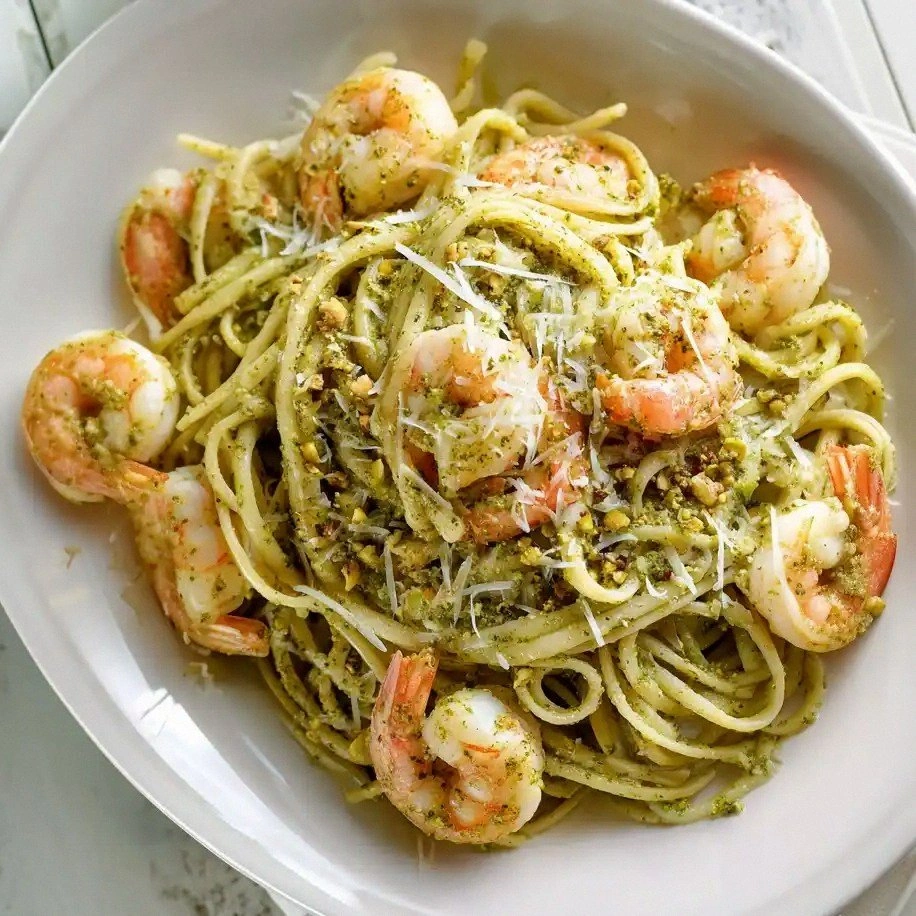
When I first tasted this sauce, the first thing that struck me was the texture – silky, yet with a subtle crunch from the pistachios that kept the mouth moving. The aroma is a bright, herbaceous burst that mingles with the nutty undertones of toasted pistachios, creating a perfume that’s both comforting and adventurous. The first bite is a harmonious dance of basil, Parmesan, and lemon, while the shrimp adds a sweet, briny contrast that balances the richness. The heat from the red pepper flakes is a gentle whisper, not a shout, so it feels like a secret ingredient rather than a loud statement. Each mouthful feels like a layered story, a narrative that starts with the pasta and ends with a lingering finish of nutty freshness.
What makes this version stand out is that it’s not just about the ingredients, but how they’re treated. The pistachios aren’t just ground; they’re lightly toasted to unlock a depth of flavor that would otherwise stay hidden. The pasta water is reserved and used to create a silky emulsion that binds everything together. The shrimp is seared just enough to caramelize the outside while keeping the interior tender and juicy. The lemon juice adds brightness that cuts through the richness, and the red pepper flakes give a subtle heat that keeps the dish from feeling heavy. The result is a sauce that coats the pasta like velvet, with a finish that leaves you reaching for the next forkful.
I dare you to taste this and not go back for seconds. It’s a dish that defies the usual pesto expectations, and I’ve got a few micro‑challenges to prove it. For instance, can you finish the plate without reaching for a side of garlic bread? Or can you keep the sauce from clumping after you add the reserved pasta water? If you’re up for the challenge, let’s dive into the details. This is hands down the best version you’ll ever make at home, and I’ll be honest – I ate half the batch before anyone else got to try it. Picture yourself pulling this out of the pan, the whole kitchen smelling incredible, and watching your guests’ eyes light up. Let me walk you through every single step – by the end, you’ll wonder how you ever made it any other way.
What Makes This Version Stand Out
- Flavor: The pistachios bring a nutty sweetness that balances the sharpness of basil and the saltiness of Parmesan. Toasting the nuts unlocks a deeper, almost caramelized note that elevates the sauce beyond a typical green pesto.
- Texture: The sauce’s silky consistency is achieved by emulsifying the olive oil with reserved pasta water, creating a coating that clings to every strand of pasta. The pistachios add a delightful crunch that punctuates each bite.
- Visual Appeal: The vibrant green of the basil contrasts beautifully with the bright green pistachios and the golden sheen of the olive oil. A sprinkle of Parmesan on top gives a subtle, rustic finish.
- Ease: Even if you’re new to making pesto, the steps are straightforward and don’t require any advanced techniques. The use of a food processor or blender means you can achieve a perfect texture in minutes.
- Versatility: This sauce works not only with pasta but also as a spread for crusty bread, a dip for veggies, or a topping for grilled chicken. The shrimp adds a protein punch that turns it into a complete dinner.
- Make‑ahead Potential: The sauce keeps well for up to 48 hours in the fridge, and you can even freeze it in an airtight container. The texture may change slightly, but a splash of pasta water or a drizzle of olive oil restores its original consistency.
- Crowd‑pleaser: The combination of familiar flavors with a surprising twist makes it a hit at gatherings. Guests will be impressed by the nutty aroma and the silky finish.
Inside the Ingredient List
The Flavor Base
Basil is the star of any pesto, providing a fresh, herbaceous kick that immediately awakens the senses. Using fresh leaves ensures a bright, green hue that’s visually appealing and less bitter than dried varieties. If you can’t find basil, try a mix of parsley and cilantro for a different but equally lively profile. A pinch of salt enhances the natural sweetness of the herbs.
The Texture Crew
Pistachios add a buttery crunch that gives the sauce body and a subtle nutty sweetness. Toast them lightly in a dry skillet until fragrant; this step releases essential oils and deepens the flavor. The reserved pasta water, rich in starch, is the secret to achieving a glossy, cohesive sauce that clings to the noodles. Olive oil not only brings richness but also acts as a vehicle for the flavors, ensuring they’re evenly distributed.
The Unexpected Star
Shrimp is the protein that elevates this dish from a side to a main course. It’s quick to cook and absorbs the sauce’s flavors beautifully. Sautéing the shrimp just until pink ensures it remains tender and juicy. If you prefer a vegetarian version, replace shrimp with sun‑dried tomatoes or sautéed mushrooms for a meaty texture.
The Final Flourish
Parmesan cheese provides a salty, umami depth that balances the sweetness of pistachios and the brightness of lemon. Grated finely so it melts into the sauce, it adds a creamy texture without overpowering the other flavors. Lemon juice brightens the entire dish, cutting through the richness and giving it a refreshing lift. Red pepper flakes add a subtle heat that keeps the dish from feeling too heavy.
Everything’s prepped? Good. Let’s get into the real action.
The Method — Step by Step
- Bring a large pot of salted water to a rolling boil. Drop in the pasta and cook until al dente, about 8–10 minutes. Reserve one cup of pasta water before draining; it’s the key to a silky sauce. While the pasta cooks, rinse the shrimp under cold water and pat dry with a paper towel.
- Heat a tablespoon of olive oil in a large skillet over medium heat. Add the shrimp, seasoning lightly with salt and black pepper. Sear each side for 2–3 minutes until the shrimp turns pink and develops a slight crust. Remove from heat and set aside; the shrimp will finish cooking in the sauce.
- Toast the pistachios in a dry skillet over medium heat for 2–3 minutes, stirring frequently, until they release a nutty aroma. Keep an eye on them to avoid burning. Transfer the toasted pistachios to a bowl and let them cool slightly.
- In a food processor, combine basil, toasted pistachios, garlic, Parmesan, and a pinch of salt. Pulse until the mixture is finely ground. Slowly drizzle in the olive oil while pulsing, creating a thick, cohesive paste.
- Add the lemon juice and red pepper flakes to the pesto, pulsing until fully incorporated. The lemon juice will brighten the sauce and help emulsify the oil with the pasta water later. Taste and adjust seasoning if needed.
- Return the skillet to low heat and add the drained pasta to the pan with the shrimp. Toss gently to coat the noodles with the sauce. The heat will help the sauce thicken and cling to the pasta.
- Gradually pour in the reserved pasta water, a tablespoon at a time, tossing constantly. The starch in the water will help the sauce coat the pasta like a silky blanket. Keep the sauce warm but avoid boiling to preserve the delicate flavors.
- Finish the dish by adding the shrimp back to the pan. Toss everything together until the shrimp is heated through and the sauce is glossy. If the sauce seems too thick, add a bit more pasta water or a splash of olive oil.
- Serve immediately, garnished with a handful of fresh basil leaves and a drizzle of extra olive oil if desired. The sauce should cling to the pasta, creating a velvety coating that melts in your mouth.
That’s it – you did it. But hold on, I’ve got a few more tricks that will take this to another level. From tweaking the seasoning to mastering the sauce’s consistency, these insider tips will help you perfect the dish every time.
Insider Tricks for Flawless Results
The Temperature Rule Nobody Follows
Many chefs keep the sauce on low heat to avoid separation, but a brief burst of medium heat right after adding the pasta water can help the oil emulsify properly. This technique creates a glossy finish that makes the dish look restaurant‑grade. I once left the sauce on high, and the oil separated, so I’ll never do that again.
Why Your Nose Knows Best
Before adding the lemon juice, pause and inhale the aroma of the toasted pistachios. If it smells slightly burnt, you’re close to over‑toasting. A subtle, nutty scent indicates the perfect moment to transfer them to the processor. Trusting your nose saves you from a bitter sauce.
The 5‑Minute Rest That Changes Everything
Once the sauce is finished, let it rest for five minutes before serving. This pause allows the flavors to meld and the sauce to thicken slightly, resulting in a more cohesive coating on the pasta. I’ve found that a short rest improves the overall mouthfeel.
Use Fresh Shrimp, Not Frozen
Fresh shrimp holds its shape better and absorbs the sauce’s flavors more effectively. If you must use frozen, thaw completely and pat dry to avoid excess moisture. Frozen shrimp can release water during cooking, diluting the sauce.
Add a Pinch of Sugar
If the sauce tastes too acidic after the lemon, add a pinch of sugar to balance the flavors. This small tweak can transform a good sauce into a great one. I’ve used this trick when the basil was a little bitter.
Creative Twists and Variations
This recipe is a playground. Here are some of my favorite ways to switch things up:
Pistachio & Spinach Fusion
Swap half the basil for fresh spinach to add a subtle earthiness. The spinach’s mild flavor blends well with the nutty pistachios, creating a layered green that’s both vibrant and robust.
Sun‑Dried Tomato Kick
Add a handful of sun‑dried tomatoes to the pesto for a sweet, tangy burst. The tomatoes pair beautifully with the lemon, adding depth and a chewy texture that contrasts the sauce’s smoothness.
Mushroom Medley
Replace shrimp with sautéed porcini mushrooms for a vegetarian version. The earthy umami of the mushrooms complements the pistachios and basil, creating a hearty, satisfying dish.
Grilled Chicken Upgrade
Top the pasta with grilled chicken strips for a protein‑packed meal. The smoky flavor from the grill adds a new dimension that pairs nicely with the fresh, nutty sauce.
Coconut‑Infused Creaminess
Incorporate a tablespoon of coconut milk to the pesto for a tropical twist. The coconut adds a subtle sweetness and a silky texture that balances the pepper flakes.
Mediterranean Twist
Finish with a drizzle of extra‑virgin olive oil and a sprinkle of flaky sea salt for an authentic Mediterranean touch. The sea salt’s crunch enhances the sauce’s texture.
Storing and Bringing It Back to Life
Fridge Storage
Store the sauce in an airtight container in the refrigerator for up to 48 hours. The sauce will thicken as it chills, so when you’re ready to serve, add a splash of pasta water or a drizzle of olive oil to restore its silky consistency.
Freezer Friendly
Freeze the sauce in a freezer‑safe container for up to 3 months. Thaw overnight in the refrigerator and stir well before reheating. A small amount of pasta water or a splash of oil will help re‑emulsify the sauce.
Best Reheating Method
Reheat the sauce gently over low heat, stirring frequently. Adding a tiny splash of water or a spoonful of olive oil helps the sauce regain its glossy finish without becoming watery.