I remember the night I was craving lasagna after a long week of takeout and late‑night pizza. The kitchen was a mess of empty sauce cans, a half‑filled jar of ricotta, and a single lasagna sheet that seemed to have survived a lifetime of neglect. I stared at the stack of ingredients, thinking, “I could make something decent, but it won’t be the best.” That night, a friend texted me a recipe called “Easy Maggiano’s Mom’s Lasagna” and I was instantly hooked by the promise of a homemade version that could outshine any restaurant dish.
I opened the recipe, and the first thing that struck me was the simplicity of the list: no exotic spices, no secret sauces, just a handful of high‑quality ingredients that together create layers of flavor that sing. The aroma of simmering meat sauce, the sight of golden mozzarella melting, the sound of bubbling pasta—it all felt like a symphony of comfort. I could almost taste the creamy ricotta coating the noodles like velvet and the crispy edges of the cheese that crackle like thin ice when you bite into it. The promise of a dish that “hands down the best version you’ll ever make at home” made me feel like a culinary superhero for the first time in years.
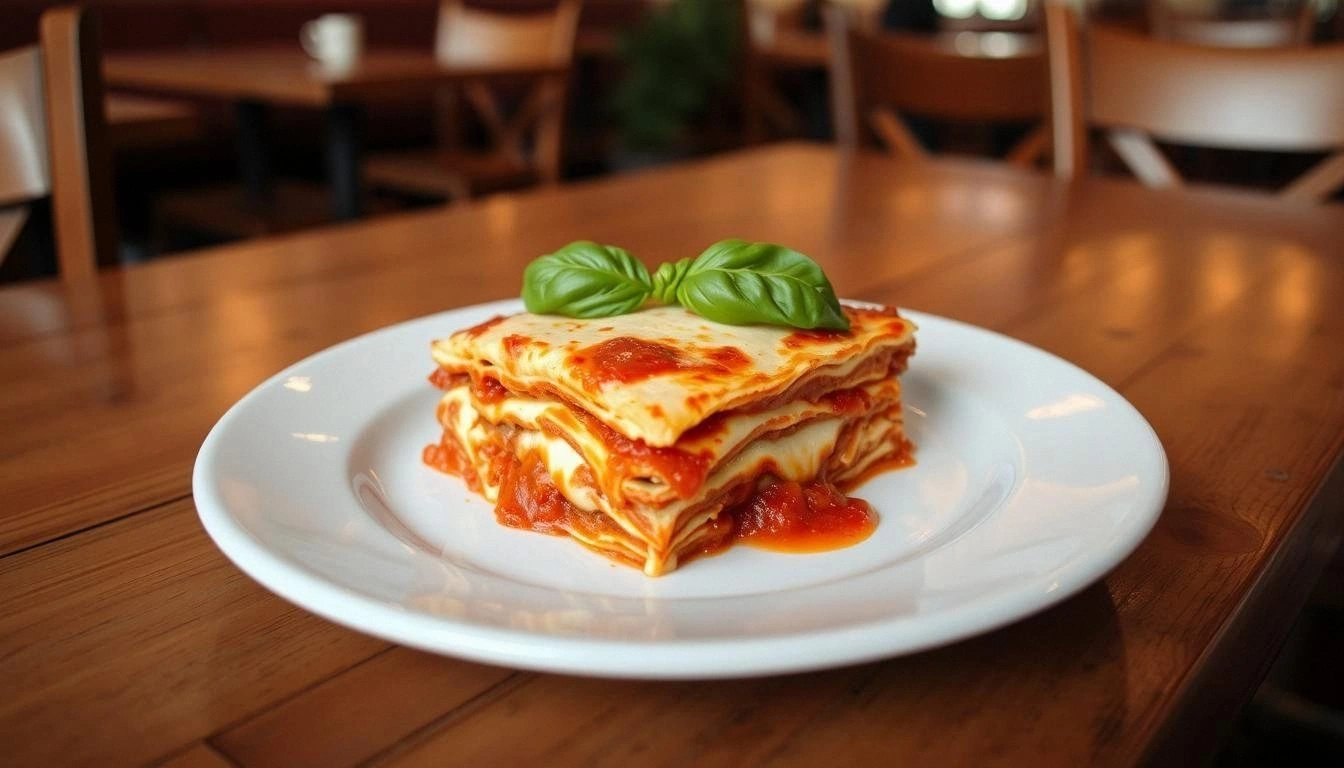
What truly sets this version apart is the insistence on quality over quantity. The recipe calls for the best dried lasagna noodles, not the cheap instant ones that flatten out. It mixes ground beef, veal, and Italian sausage for a meat sauce that balances fat and flavor, and it layers generous amounts of ricotta, fresh mozzarella, and Parmesan to achieve a creamy, cheesy masterpiece. The technique of letting the sauce simmer low and slow until it thickens to a silky consistency is a game‑changer, and the final bake creates a golden crust that shatters with a satisfying crunch.
I dare you to taste this and not go back for seconds. The first bite is a burst of umami, followed by a creamy texture that melts in your mouth, and the last bite is a sweet, cheesy finish that lingers. The sauce coats the pasta like velvet, and the mozzarella shimmers with a buttery sheen. The aroma that fills the kitchen as it bakes is a reminder that great food starts with great ingredients and a willingness to experiment.
Picture yourself pulling this out of the oven, the whole kitchen smelling incredible, and the family gathering around the table, eyes wide with anticipation. That moment of triumph is what I want you to experience, and I’m going to walk you through every single step. By the end, you’ll wonder how you ever made it any other way.
What Makes This Version Stand Out
- Quality: The recipe insists on the best dried lasagna noodles, which hold up during baking and give a firm bite that contrasts with the creamy layers.
- Flavor Depth: Mixing ground beef, veal, and Italian sausage creates a complex meat sauce that is richer than the typical single‑protein version.
- Cheese Harmony: Using whole‑milk ricotta, fresh mozzarella, and Parmesan in the right proportions delivers a melt that’s silky yet substantial.
- Texture Contrast: The golden, slightly crisp cheese crust on top adds a delightful crunch against the tender pasta.
- Time Efficiency: The method is straightforward, making it a perfect weeknight dinner without compromising on flavor.
- Make‑Ahead Friendly: This lasagna can be assembled ahead of time and refrigerated, making it a stress‑free meal for busy evenings.
- Crowd‑Pleaser: Friends and family will rave about the depth of flavor, and you’ll become the unofficial lasagna champion in your circle.
- Versatility: The base can be tweaked with vegetables, different cheeses, or gluten‑free noodles without losing its essence.
Alright, let's break down exactly what goes into this masterpiece...
Inside the Ingredient List
The Flavor Base
At the heart of this lasagna is the meat sauce, a marriage of ground beef, veal, and Italian sausage. The beef provides the robust, savory foundation, while the veal adds a subtle tenderness that balances the fattiness. The Italian sausage brings a hint of spice and a depth of flavor that cannot be replicated with any single protein. If you skip any of these meats, the sauce will feel one‑dimensional; the richness that comes from the combination is what makes the dish feel like it’s been simmering on a stove for hours.
The sauce is seasoned with crushed tomatoes, tomato paste, onions, garlic, dried basil, and oregano. These ingredients create a sauce that coats the pasta like velvet, with a slight acidity that cuts through the richness of the cheeses. The onions and garlic sautéed in olive oil at the start release their sweetness, giving the sauce a layered depth. If you’re on a low‑sodium diet, you can reduce the salt and add a splash of red wine or balsamic vinegar for an extra punch.
The Texture Crew
The lasagna noodles are the unsung heroes that hold everything together. Opting for high‑quality dried lasagna sheets ensures they remain firm after baking, preventing a mushy, soggy texture. The noodles are pre‑cooked before assembly, which helps them absorb the sauce without becoming overcooked. If you’re in a hurry, a quick blanch for 2 minutes works, but for the best results, let them soak in boiling water for 8 minutes, then drain and rinse with cold water.
The ricotta is the creamy backbone of the dish. Whole‑milk ricotta brings a subtle sweetness that balances the acidity of the tomatoes. It’s spread thinly between layers, allowing it to meld with the sauce and melt into the noodles. The mozzarella provides the gooey, stretchy texture that is quintessential in lasagna, while the Parmesan adds a sharp, nutty finish that cuts through the richness.
The Unexpected Star
The Parmesan, often relegated to a garnish, plays a starring role in this lasagna. A generous sprinkle on top before baking creates a golden crust that adds both texture and a savory depth. The cheese’s sharpness brightens the dish, preventing it from feeling too heavy. If you’re looking for a vegan twist, you can substitute a plant‑based Parmesan, but the flavor profile will shift slightly.
The Final Flourish
A splash of water or broth during the final bake keeps the lasagna moist and allows the cheeses to meld together beautifully. Adding chopped parsley or basil at the end gives a fresh, herbal note that lifts the overall dish. The final layer of cheese is critical; it creates that irresistible, slightly crispy top that everyone craves. If you like a bit of crunch, sprinkle a few extra breadcrumbs or crushed crackers on top before baking.
Everything's prepped? Good. Let's get into the real action...
The Method — Step by Step
- Heat a large skillet over medium heat and add 2 tablespoons of olive oil. Once the oil shimmers, add 1 diced medium onion and sauté until translucent, about 4–5 minutes. This step builds the aromatic base that will carry the flavors of the meat. Watch the onions turn a golden amber; that’s the sweetening stage.
- Add 2 minced garlic cloves to the onions and cook for another minute until fragrant. The garlic releases its oils, creating a savory depth that will linger throughout the dish. Be careful not to let it burn, or it will taste bitter. Stir constantly to keep it from sticking.
- Introduce the meat mixture: 1 lb ground beef, 0.5 lb veal, and 0.5 lb Italian sausage. Break the meat apart with a spoon and cook until browned and no longer pink, about 8–10 minutes. This browning process creates a caramelized crust that enhances flavor. Drain excess fat to keep the sauce from becoming greasy.
- Stir in 1 can of crushed tomatoes, 1 can of tomato paste, 1 tsp dried basil, 1 tsp dried oregano, 0.5 tsp salt, and 0.25 tsp black pepper. Simmer the sauce on low heat for 20 minutes, allowing the flavors to meld. The sauce should thicken to a consistency that coats the back of a spoon. This is the moment of truth.
- Meanwhile, pre‑cook the lasagna noodles according to package instructions, then rinse under cold water and set aside. This step ensures they’re perfectly al dente when baked. If you’re short on time, use no‑boil noodles, but they’ll absorb more sauce and may become mushy.
- In a large mixing bowl, combine 2 lbs of whole‑milk ricotta, 1 lb fresh mozzarella shredded, and 0.5 cup grated Parmesan. Mix until smooth, then season with a pinch of salt and pepper. The ricotta should be creamy yet thick enough to hold its shape between layers. If you prefer a lighter texture, fold in a few spoonfuls of Greek yogurt.
- Preheat your oven to 375°F (190°C). Grease a 9x13 inch baking dish with a thin layer of olive oil or non‑stick spray.
- Spread a thin layer of sauce on the bottom of the dish, then lay down 4–5 lasagna sheets. Spoon a third of the cheese mixture over the noodles, followed by a third of the remaining sauce. Repeat the layering process twice more, finishing with a generous layer of sauce on top.
- Sprinkle the remaining Parmesan and a handful of shredded mozzarella over the final sauce layer. This will create that golden, slightly crisp crust that everyone loves. If you like extra crunch, add a sprinkle of breadcrumbs on top.
- Cover the dish with aluminum foil, tented slightly to avoid sticking to the cheese. Bake for 25 minutes, then remove the foil and bake for an additional 10–15 minutes until the top is golden brown and bubbly. The lasagna should smell heavenly and the edges should pull away slightly from the pan.
- Let the lasagna rest for at least 10 minutes before cutting. This rest period allows the layers to set, making it easier to serve clean slices. If you’re in a hurry, you can slice it immediately, but the flavors will be more cohesive after resting.
- Serve hot with a side of garlic bread or a fresh green salad. The contrast of the warm, cheesy lasagna with crisp, fresh greens is a classic pairing. Enjoy the moment of pure satisfaction as you take that first bite.
That’s it — you did it. But hold on, I've got a few more tricks that'll take this to another level...
Insider Tricks for Flawless Results
The Temperature Rule Nobody Follows
Many people bake lasagna at 350°F, but 375°F gives a better crust and ensures the cheese melts evenly. If you bake too low, the top will stay pale and under‑baked. If you bake too high, the edges might burn before the center is cooked. I always preheat the oven for 15 minutes and keep a close eye on the top; a light golden color indicates perfection.
Why Your Nose Knows Best
The aroma of a lasagna in the oven is a reliable indicator of doneness. When the cheese is bubbly and the sauce is fragrant, the dish is ready. A strong, tomato‑rich scent means the sauce has reduced enough to coat the noodles without being watery. Trust your nose; it’s a seasoned chef in your own kitchen.
The 5‑Minute Rest That Changes Everything
Letting the lasagna sit for 5–10 minutes after removing it from the oven is essential. This rest period allows the sauce to set, preventing a mushy mess when you cut it. The heat continues to cook the interior slightly, so the lasagna will finish cooking during this time. I always place the dish on a cutting board and let it rest uncovered.
Keep the Layers Balanced
When assembling, avoid overfilling any single layer. A thin, even spread of sauce and cheese ensures each bite has the right mix of flavors. If you find yourself piling too much cheese on one layer, the top will become overly heavy and the noodles will be under‑cooked. A good rule of thumb is to use roughly a quarter of the cheese mixture per layer.
Add a Splash of Water for Moisture
If your lasagna feels a bit dry after baking, splash a tablespoon of water or broth over the top before serving. This creates steam that re‑softens the cheese and keeps the dish moist. I’ve found this trick especially useful when reheating leftovers.
Creative Twists and Variations
This recipe is a playground. Here are some of my favorite ways to switch things up:
Spinach and Ricotta Surprise
Add a cup of sautéed spinach between layers for a burst of green and a subtle earthiness. The spinach blends with the ricotta, creating a creamy texture that’s almost like a pesto swirl. It’s a great way to sneak in veggies without sacrificing flavor.
Mushroom Medley
Sauté sliced mushrooms with garlic and thyme, then layer them in place of some of the meat sauce. The mushrooms bring an umami depth that pairs well with the cheeses. This variation is perfect for a vegetarian crowd.
Sausage and Pepper Delight
Replace half the meat with sliced Italian sausage and add roasted bell peppers. The peppers add sweetness and a pop of color. This version is great for summer gatherings.
Gluten‑Free Adventure
Use gluten‑free lasagna sheets and the same cheese and sauce mix. The texture is slightly different, but the flavor stays true to the classic. I’ve found that letting the gluten‑free sheets soak for a few extra minutes helps them absorb sauce better.
Cheese Swap
Swap out mozzarella for provolone or fontina for a sharper, more complex cheese profile. The melting characteristics change slightly, but the result is still gooey and satisfying. This is a great way to keep the dish exciting.
Breakfast Lasagna
Use breakfast sausage instead of Italian sausage and add a layer of scrambled eggs between the noodles. Top with shredded cheddar for a brunch‑ready version. It’s a fun twist that makes lasagna feel like a hearty breakfast.
Storing and Bringing It Back to Life
Fridge Storage
Cool the lasagna completely before covering it tightly with foil or plastic wrap. Store in the refrigerator for up to 3 days. The flavors deepen as the cheeses meld, so the next day is often better.
Freezer Friendly
Wrap the lasagna in foil and place it in a freezer bag. It stays good for up to 3 months. When ready to eat, thaw overnight in the refrigerator, then bake at 375°F for 20–25 minutes. The texture remains just as creamy and gooey.
Best Reheating Method
Reheat in the oven at 350°F until the cheese is bubbly, about 15–20 minutes. Add a splash of water or broth before reheating to keep it moist. Avoid microwaving; the result is often uneven and rubbery.