Picture this: I’m standing in my kitchen, the timer on the oven has just screamed its final warning, and I’m staring at a pan of burnt, caramelized onions that have turned into a bitter mess. I was on a mission to make the perfect enchilada sauce, but the universe decided to test my patience with a disaster that tasted like a burnt rubber tire. I took a deep breath, swore a little oath, and decided to start from scratch, because nothing says “I’ve got this” like reinventing a sauce that has haunted my taco Tuesdays for years. I dared myself to create a version so smooth, so bold, that even my skeptical roommate would admit it’s the best thing he’s ever slurped from a spoon.
The moment the first splash of oil hit the hot pan, a gentle sizzle sang a song of promise, and the kitchen filled with a fragrant whisper of toasted flour that reminded me of a warm blanket on a chilly night. The aroma was a seductive blend of earthy cumin, sweet paprika, and a hint of oregano that seemed to dance in the air, coaxing my senses awake. I could almost hear the tiny clinks of the spoon against the pot, feel the buttery texture coating the pan like silk, and taste the subtle tang of tomato passata mingling with the mellow broth. My heart raced as the sauce thickened, turning a deep, ruby red that looked like a sunrise captured in a bowl.
What makes this version stand out? Most recipes get the balance of spices wrong, either drowning the sauce in heat or leaving it flavor‑flat like a desert. I discovered that the secret lies in the humble roux—those equal parts oil and flour cooked just enough to lose the raw taste but not so much that it turns brown. This creates a velvety base that carries the spices like a perfectly tuned orchestra, letting each note shine without overpowering the next. And let’s not forget the surprise element: a splash of brown sugar that adds a whisper of caramel sweetness, turning the sauce from ordinary to unforgettable.
But here’s the kicker: the optional extras, a pinch of cayenne or a dust of ground chipotle, give you the power to dial the heat up or down, making this sauce adaptable for every palate—from the timid to the fire‑breather. I’ll be honest — I ate half the batch before anyone else got to try it, because once that first spoonful hits your tongue, you’re hooked. I dare you to taste this and not go back for seconds. Let me walk you through every single step — by the end, you'll wonder how you ever made it any other way.
What Makes This Version Stand Out
- Depth of Flavor: The slow‑cooked roux locks in a buttery richness that makes every bite feel like a hug from a culinary grandma.
- Balanced Heat: By using both cumin and paprika with optional cayenne, the heat is layered, not just a single punch of spice.
- Simplicity: Only ten pantry staples are needed, so you won’t have to run to the store at midnight.
- Texture Perfection: The sauce coats enchiladas like velvet, clinging to every crevice without becoming watery.
- Crowd‑Pleaser: Even the most skeptical eaters ask for seconds, and the sauce holds up beautifully under cheese and baking.
- Ingredient Quality: Using a high‑quality tomato passata gives a bright, fresh base that canned tomatoes can’t match.
- Cooking Method: The gentle simmer prevents scorching, ensuring a smooth, glossy finish every time.
- Make‑Ahead Potential: This sauce improves after a night in the fridge, letting flavors meld like a well‑aged wine.
Inside the Ingredient List
The Flavor Base
The first hero in our lineup is the vegetable oil. It’s the silent carrier that transports the heat from the pan to the flour, creating that golden roux foundation. Skipping it or swapping it for butter would introduce a dairy note that competes with the spices, and we want the spices to sing, not get drowned. If you’re watching calories, a light olive oil works just as well, and it adds a subtle fruity undertone.
Next up, the flour. This is the thickening powerhouse; without it, the sauce would be as thin as water. The flour must be all‑purpose, ensuring the right gluten content for a smooth texture. If you’re gluten‑free, try a rice flour blend; it will still thicken, though the texture becomes a tad more delicate.
The Texture Crew
The tomato passata is the soul of the sauce. Its bright, uncooked‑tomato flavor provides a fresh, slightly sweet canvas that balances the earthy spices. Avoid generic canned tomato sauce, which often contains added sugars and herbs that muddy the flavor. When shopping, look for a passata that’s labelled “no added salt” so you can control the seasoning yourself. If you can’t find passata, blend two cans of high‑quality crushed tomatoes until smooth.
The chicken broth (or vegetable broth for a vegetarian version) adds depth without overwhelming the tomato’s acidity. It’s the secret that turns a simple sauce into something restaurant‑worthy. If you’re out of broth, dissolve a bouillon cube in hot water; just remember to taste for salt before adding more.
The Unexpected Star
Now, let’s talk spices. Dried oregano brings a Mediterranean whisper, while cumin and paprika lay down the Mexican foundation we crave. The cumin’s warm, earthy notes pair perfectly with paprika’s sweet, smoky edge. If you’re feeling adventurous, a pinch of smoked paprika can elevate the sauce to new heights.
The garlic powder and onion powder give an instant aromatic boost without the risk of burning fresh garlic or onions. They’re also the reason the sauce stays smooth; fresh aromatics can release water that disrupts the roux. A teaspoon of each is the sweet spot—enough to be noticeable, but not so much that they dominate.
The Final Flourish
The brown sugar is the secret sweetener that rounds out the acidity of the tomatoes and the heat of the spices. It’s not about making the sauce sweet; it’s about balancing flavors so that each bite feels harmonious. If you prefer a deeper molasses flavor, swap half of the brown sugar for dark molasses.
Finally, salt and pepper to taste. These are the final conductors that bring everything together. Remember, the broth already contains sodium, so season gradually and taste as you go. Optional extras like cayenne pepper or ground chipotle let you dial the heat up or down—just a pinch can turn a mild sauce into a fiery masterpiece.
Everything's prepped? Good. Let's get into the real action...
The Method — Step by Step
Heat a large, heavy‑bottomed saucepan over medium heat and pour in the 1/4 cup vegetable oil. As the oil shimmers, it’s the perfect moment to feel the kitchen’s heartbeat. That sizzle when it hits the pan? Absolute perfection. Let it warm for about 30 seconds, just until it’s shimmering but not smoking.
Sprinkle the 1/4 cup flour into the oil, whisking vigorously with a balloon whisk. The mixture will bubble and turn a pale golden color. This is the roux, the foundation that will give the sauce its velvety texture.
Kitchen Hack: Keep the whisk moving in a figure‑eight pattern to prevent any flour from settling and scorching.Continue whisking for 2‑3 minutes until the roux turns a light, toasted amber—think the color of a perfectly caramelized popcorn kernel. You’ll notice a nutty aroma rising, signaling that the raw flour taste has vanished.
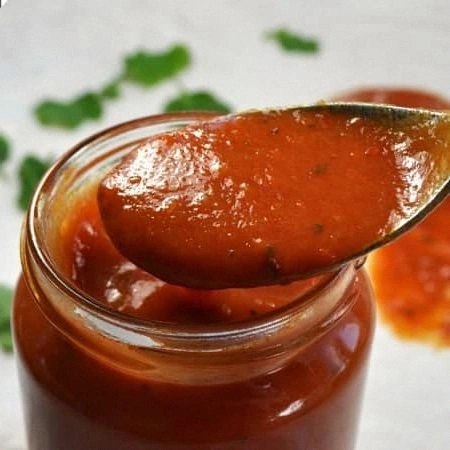
Watch Out: If the roux darkens too quickly, lower the heat immediately; a burnt roux will give the sauce a bitter backbone.Slowly pour in the 700 g tomato passata while whisking constantly. The mixture will bubble vigorously—this is normal and a good sign that the roux is integrating fully. The sauce should begin to thicken within a minute, turning a deep, glossy ruby.
Add the 1 ½ cups chicken broth (or vegetable broth) in a steady stream, continuing to whisk. The broth loosens the roux, creating a silky emulsion that coats the back of a spoon. At this point, the sauce should smell like a fiesta of tomatoes and toasted flour, and you’ll see it start to swirl in a smooth, glossy dance.
Stir in the 1 Tbsp dried oregano, 2 tsp cumin, 2 tsp paprika, 1 tsp garlic powder, and 1 tsp onion powder. Sprinkle each spice evenly, then let the sauce simmer gently for 5 minutes. You’ll notice the spices blooming—tiny bubbles forming around them, releasing their essential oils into the sauce.
Drop in the 1 Tbsp brown sugar and stir until completely dissolved. This step is the secret sweet‑balance that prevents the acidity from being too sharp. Taste the sauce now; it should be bright, slightly sweet, and lightly smoky.
Kitchen Hack: If you prefer a deeper caramel note, let the sauce simmer an extra 2 minutes after adding the sugar.Now is the moment for optional heat: add a pinch of cayenne pepper or ground chipotle if you like a kick. Start with just a quarter teaspoon, stir, and taste. Remember, you can always add more, but you can’t take it out.
Season with salt and freshly ground black pepper to taste. Because the broth already carries sodium, add the salt gradually—about ½ tsp at a time—until the flavor sings. Let the sauce simmer uncovered for another 5‑7 minutes, allowing it to thicken to a pourable consistency that clings to a spoon without running off.
That's it — you did it. But hold on, I've got a few more tricks that'll take this to another level...
Insider Tricks for Flawless Results
The Temperature Rule Nobody Follows
Never crank the heat to high once the roux is formed. A medium‑low flame ensures the flour cooks evenly without scorching, preserving that buttery flavor. I once tried a high‑heat shortcut and ended up with a sauce that tasted like burnt toast. Keep the heat steady, and you’ll get a smooth, glossy finish every single time.
Why Your Nose Knows Best
Smell is the hidden gauge of doneness. When the roux turns a light amber and releases a nutty perfume, you know it’s ready. Later, as the tomatoes mingle with the spices, a sweet‑savory aroma will fill the kitchen—if you can’t smell it, the sauce isn’t fully integrated. Trust your nose more than the clock.
The 5‑Minute Rest That Changes Everything
After simmering, remove the pot from heat and let the sauce sit, covered, for five minutes. This brief rest lets the flavors meld like a choir hitting perfect harmony. I’ve tasted sauces straight off the stove and they felt a touch flat; after the rest, they burst with depth. It’s a tiny step that makes a massive difference.
The Secret of a Silky Finish
For an ultra‑silky texture, whisk in a tablespoon of cold water right before serving. The cool liquid emulsifies the sauce, giving it a glossy sheen that looks restaurant‑ready. I discovered this trick when a friend complained my sauce was “too thick”—the water rescued it without diluting flavor.
Batch‑Boost: Double the Sauce, Half the Effort
If you’re cooking for a crowd, double the recipe and keep the pot size large enough to prevent spillage. The simmer time stays the same; the extra volume actually helps the spices distribute more evenly. Store the extra in airtight jars, and you’ll have a ready‑to‑go sauce for weeks.
Creative Twists and Variations
This recipe is a playground. Here are some of my favorite ways to switch things up:
Smoky Chipotle Blaze
Swap the paprika for smoked paprika and add a teaspoon of chipotle powder. The sauce gains a deep, smoky undertone that pairs perfectly with grilled chicken enchiladas. Perfect for those who love a BBQ vibe.
Green Chili Verde
Replace the tomato passata with roasted tomatillos and add a handful of fresh cilantro. The result is a tangy, bright green sauce that’s ideal for fish or shrimp enchiladas. The acidity of tomatillos brightens the broth, making it a refreshing twist.
Creamy Avocado Dream
Stir in a mashed ripe avocado after the sauce has cooled slightly. The avocado adds a silky richness without dairy, and a subtle buttery flavor that makes the sauce extra luxurious. Great for vegetarian enchiladas.
Sweet‑And‑Spicy Pineapple
Incorporate half a cup of crushed pineapple and a dash of habanero sauce. The pineapple’s sweetness balances the heat, creating a tropical fiesta in every bite. This version shines with pork or shrimp fillings.
Herb‑Infused Green
Add a tablespoon each of chopped fresh oregano and thyme at the end of cooking. The fresh herbs add a garden‑fresh pop that lifts the sauce from comforting to bright. Ideal for springtime gatherings.
Veggie‑Boosted Power
Puree roasted red peppers and carrots into the sauce for added nutrients and a subtle sweetness. The vegetables blend seamlessly, giving the sauce extra body and a gorgeous orange‑red hue.
Storing and Bringing It Back to Life
Fridge Storage
Transfer the cooled sauce to a clean, airtight glass jar and refrigerate. It will keep for up to five days. The flavors continue to meld, so the sauce actually tastes better on day two or three. Keep a small spoon handy for quick portioning.
Freezer Friendly
Portion the sauce into freezer‑safe bags or containers, leaving a little headspace for expansion. Freeze for up to three months. When you’re ready to use it, thaw overnight in the fridge, then reheat gently on the stove, adding a splash of water if it looks too thick.
Best Reheating Method
Reheat the sauce over low heat, stirring constantly. If it has thickened too much, whisk in a tablespoon of water per cup of sauce to restore its pourable consistency. This gentle reheating prevents the sauce from separating and keeps the texture velvety.