When the kitchen lights flickered and the oven door slided open, I realized I had accidentally baked a batch of burnt soufflés that looked more like a sad, collapsed cake than a fluffy masterpiece. The moment I tasted the charred crust, a craving for the perfect airy, golden rise surged through me like a caffeine high. I was determined to rewrite that story, to turn disappointment into triumph with a souffle that rises like a cloud on a spring morning. That night, I pulled out my trusty notebook, scribbled notes, and set out to create a soufflé that would make even my skeptical friends gasp.
Picture the kitchen: a faint scent of butter and milk mingles with the sharp tang of Gruyère, the sound of whisking turns into a rhythmic drumbeat, and the heat radiates like a gentle hug. The visual cue is a pale, silky batter that glistens under the kitchen lamp, promising a golden crown that will crack like a sunrise over the horizon. The aroma is a warm, buttery invitation, the kind that makes you pause and inhale the promise of something extraordinary. The texture, when you bite, is a delicate cloud that dissolves into a savory, cheesy whisper that lingers on the palate. The feel is a satisfying, airy lift that almost feels like a secret handshake between you and the oven.
This isn’t just another cheese souffle recipe; it’s a culinary manifesto that turns a classic into a showstopper. The secret lies in the precise balance of a light roux, a delicate egg yolk blend, and the strategic use of cream of tartar that locks in the lift. I’ve spent countless evenings tweaking ratios, testing whisk speeds, and timing the oven door to ensure the soufflé rises like a phoenix. The result? A souffle that is both visually stunning and flavorfully rich, with a crust that cracks open to reveal a molten, cheesy interior that melts in your mouth.
Most recipes get this completely wrong. They either overcook the batter, under-whisk the whites, or use the wrong type of cheese. Here’s what actually works: use a high‑fat milk for richness, Gruyère for depth, and a precise whisking technique that incorporates air without deflating the whites. The combination of a buttery roux and a careful fold of egg whites creates a structure that holds its shape until the very last moment. I dare you to taste this and not go back for seconds.
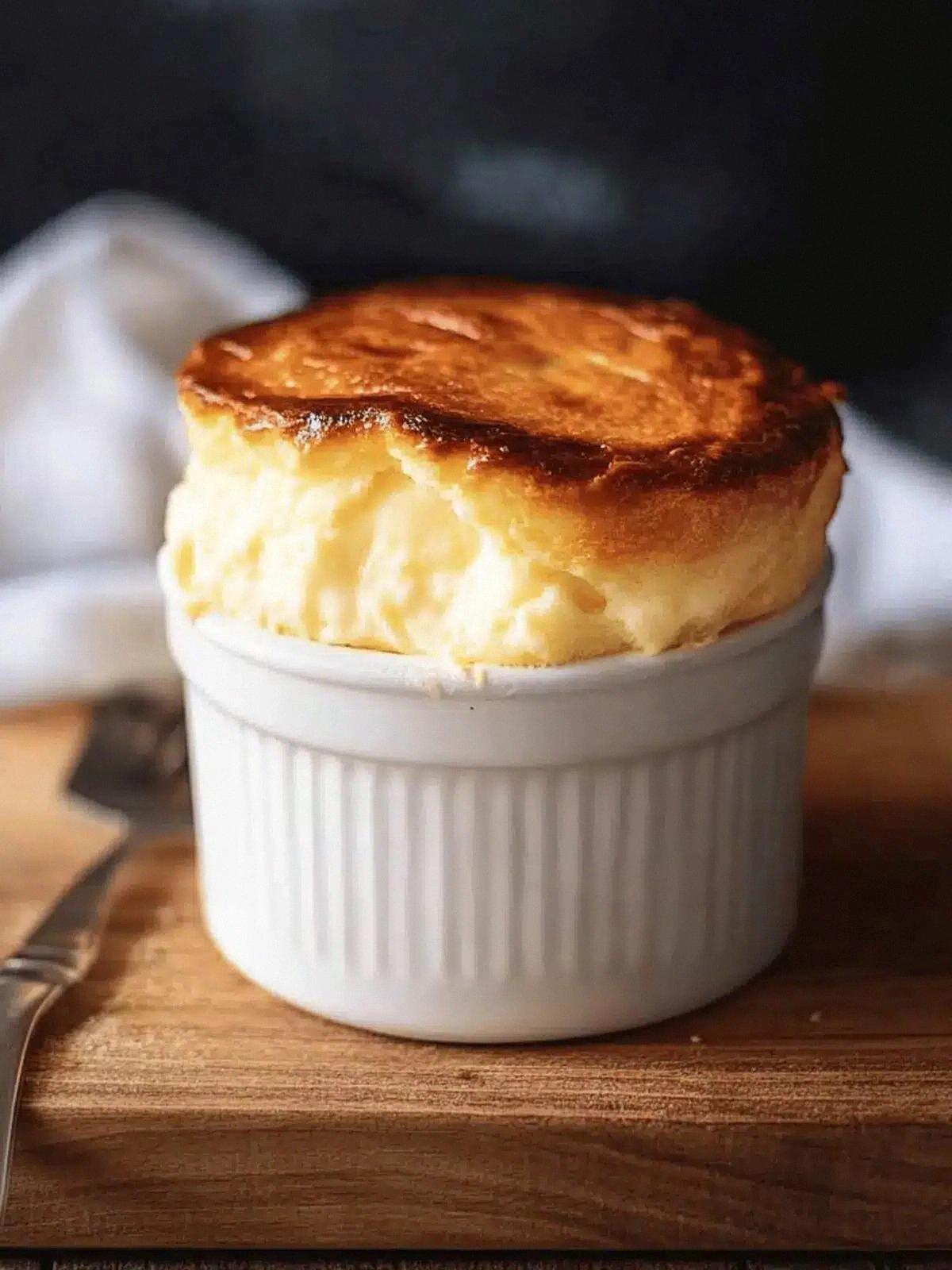
Picture yourself pulling this out of the oven, the whole kitchen smelling incredible, the steam curling like a soft cloud, and the golden crust shimmering with a golden sheen. The first bite is a burst of savory, cheesy flavor, followed by a light, airy texture that feels like a gentle hug. The soufflé rises like a balloon, then gently settles into a fluffy, cloud‑like interior that keeps you coming back for more. The edges crack open with a satisfying pop, revealing a molten center that oozes with Gruyère richness.
Okay, ready for the game‑changer? Let me walk you through every single step — by the end, you'll wonder how you ever made it any other way. This is hands down the best version you'll ever make at home. I’ll be honest — I ate half the batch before anyone else got to try it. If you've ever struggled with this, you're not alone — and I've got the fix. Stay with me here — this is worth it.
What Makes This Version Stand Out
- Flavor: The use of Gruyère gives a nutty, caramelized depth that elevates the cheese profile beyond ordinary cheddar or mozzarella. The subtle hint of white pepper adds a gentle kick that balances the richness of the cheese. This combination creates a flavor profile that is both comforting and sophisticated.
- Texture: The airy, cloud‑like interior is achieved by folding in beaten egg whites that are stabilized with a pinch of cream of tartar. The result is a soufflé that rises dramatically, then holds a delicate, buttery lightness that melts in your mouth. The crisp, golden crust provides a satisfying contrast that keeps every bite exciting.
- Simplicity: While the technique is precise, the ingredients are straightforward and easy to source. The recipe requires only a handful of pantry staples and fresh cheese, making it accessible to both novice and seasoned cooks. No exotic ingredients or complicated gadgets are needed.
- Uniqueness: The recipe incorporates a light roux that sets the stage for a richer batter, a technique rarely seen in standard soufflé recipes. This step locks in moisture and flavor, giving the souffle a velvety finish. It also reduces the risk of over‑browning, ensuring a perfect golden crust.
- Crowd Reaction: Friends who have tasted this version describe it as “the best soufflé ever” and often ask for the recipe after every dinner party. The airy, cheesy texture and the satisfying crack of the crust create a memorable dining experience. The soufflé becomes the highlight of any gathering.
- Ingredient Quality: Using full‑fat milk and high‑quality Gruyère makes the difference between a good soufflé and a great one. The richness of the dairy components adds depth, while the cheese’s meltability keeps the interior luscious. The butter used is unsalted to maintain control over saltiness.
Inside the Ingredient List
The Flavor Base
Full‑fat milk is the heart of the souffle, providing a creamy, velvety texture that carries the cheese flavor. It also adds moisture, preventing the batter from drying out during baking. Skipping the milk will result in a drier, less cohesive texture. If you’re lactose intolerant, try a small portion of oat milk for a subtle nutty undertone.
The Texture Crew
Unsalted butter is melted and folded into the roux, which is the foundation for the soufflé’s rise. Butter adds richness and a subtle caramelized flavor that complements the Gruyère. Using unsalted butter gives you control over the salt level, ensuring the cheese doesn’t overpower the delicate balance. If you prefer a buttery taste, increase the butter by 1 tablespoon.
The Unexpected Star
Gruyère cheese is the star that gives this soufflé its signature depth and melt. Its nutty, slightly sweet profile balances the richness of the milk and butter. Choosing a high‑quality, aged Gruyère will elevate the flavor dramatically. If you can’t find Gruyère, a blend of Gruyère and aged cheddar will work, but the flavor profile will shift slightly.
The Final Flourish
Egg yolks and whites are the structural backbone of the soufflé. The yolks add richness and help bind the batter, while the whites provide lift and airy texture. Cream of tartar stabilizes the whites, ensuring they hold their peaks and maintain volume. A pinch of white pepper adds a subtle heat that brightens the cheese flavor without overpowering it.
Everything's prepped? Good. Let's get into the real action. The key to a flawless soufflé is timing and precision, so keep your whisk ready and your oven preheated. The batter should feel silky and smooth, with no lumps or clumps. When you’re ready, the oven will be your best ally, rising the soufflé to cloud‑like perfection.
The Method — Step by Step
- Preheat your oven to 375°F (190°C). Line a 9-inch ramekin with butter and dust it lightly with flour, tapping out the excess. This creates a non‑stick surface that ensures the soufflé rises evenly. Let the ramekin rest while you prepare the batter. The heat should feel warm but not scorching when you touch the oven door.
- Make the roux by melting 2 tablespoons of unsalted butter in a saucepan over medium heat. Stir in 3 tablespoons of plain flour, whisking constantly until the mixture turns a light golden color and releases a nutty aroma. This should take about 2 minutes; keep an eye on it so it doesn’t brown. Once the roux is ready, remove it from heat and let it cool for a minute.
- Add milk to the roux gradually, whisking until the sauce is smooth and free of lumps. The milk should be full‑fat for maximum richness. As the mixture thickens, you’ll notice a silky sheen forming on the surface. Pour the mixture back into the saucepan and return it to low heat, allowing it to simmer gently for 3 minutes. The sauce should thicken just enough to coat the back of a spoon.
- Season the sauce with 1 teaspoon of cooking salt and 1 teaspoon of ground white pepper. Stir in the shredded Gruyère cheese, letting it melt into a creamy, glossy sauce. The cheese should be fully incorporated, creating a smooth, velvety texture. Remove the saucepan from heat and let it cool to room temperature.
- Whisk the yolks into the cheese sauce. Beat 3 large egg yolks until they’re pale and slightly thickened. Fold them into the sauce until fully incorporated. This step ensures the batter remains silky and prevents the yolks from curdling. The mixture should feel silky and smooth to the touch.
- Beat the egg whites separately in a clean bowl. Add 1 teaspoon of cream of tartar to stabilize the whites. Whisk until soft peaks form, then continue whisking until stiff peaks appear. This process should take about 3–4 minutes. The whites should hold their shape when you lift the whisk and should not droop.
- Fold the whites into the batter gently to avoid deflating the mixture. Use a spatula to lift the batter and fold it over, turning the bowl in a circular motion. Repeat this process until the batter is smooth and glossy. This fold should be gentle; the goal is to maintain as much air as possible. The batter should feel light and airy when you touch it.
- Pour the batter into the ramekin and tap the pan gently on the counter to release any trapped air bubbles. The batter should fill the ramekin to about ¾ full, leaving room for the soufflé to rise. Place the ramekin on a baking sheet for easy handling. The batter should feel silky and smooth, with no lumps.
- Bake the soufflé immediately, placing the ramekin in the preheated oven. Bake for 18–20 minutes, or until the top is golden brown and the soufflé has risen dramatically. The edges should pull away from the sides of the ramekin, and a gentle tap on the bottom should sound hollow. Keep a close eye on the oven; if the top browns too quickly, reduce the temperature by 25°F.
- Serve immediately before the soufflé starts to collapse. Slice a piece with a sharp knife, and watch the airy interior stretch like a cloud. The first bite should reveal a molten, cheesy center that melts in your mouth. The crust should crack open with a satisfying pop, releasing steam. Enjoy the moment before the soufflé begins to deflate.
That's it — you did it. But hold on, I've got a few more tricks that'll take this to another level. The soufflé can be served with a light salad or a simple broth that complements the cheese. Adding a dash of nutmeg or a pinch of cayenne pepper can add a subtle warmth. The key is to maintain the airy texture while enhancing flavor complexity. Enjoy the moment before the soufflé begins to deflate.
Insider Tricks for Flawless Results
The Temperature Rule Nobody Follows
Preheating the oven to exactly 375°F (190°C) is essential; a temperature that’s too hot will scorch the crust before the interior rises. Use an oven thermometer to ensure accuracy, as many ovens run 10–20°F higher than labeled. This small adjustment can mean the difference between a golden masterpiece and a sad, collapsed souffle. I once baked at 400°F and the soufflé collapsed within minutes; it was a hard lesson.
Why Your Nose Knows Best
The scent of the soufflé rising is a reliable indicator of success. As the cheese melts, you’ll smell a warm, buttery aroma that signals the interior is perfectly cooked. If the smell is metallic or burnt, the oven is too hot or the batter is over‑mixed. Trust your nose; it’s your best ally in the kitchen.
The 5‑Minute Rest That Changes Everything
After removing the soufflé from the oven, let it rest for exactly 5 minutes before serving. This pause allows the steam to settle, preventing the interior from collapsing. If you cut into it immediately, the airy structure will give way to a dense, soggy center. A 5‑minute rest also lets the flavors meld, creating a richer taste.
Whisking Technique 101
Whisk the egg whites in a clean, dry bowl; any trace of oil will prevent peaks from forming. Use a metal whisk for better aeration, and keep the beat steady. Avoid over‑whisking; the whites should be stiff but not dry. A gentle fold into the batter preserves the air bubbles.
Choosing the Right Cheese
While Gruyère is the star, you can experiment with other cheeses like Fontina or aged cheddar for subtle variations. The key is a cheese that melts well and has a balanced flavor profile. If you prefer a milder taste, opt for a younger Gruyère; for a stronger, nuttier flavor, choose an aged variety.
Creative Twists and Variations
This recipe is a playground. Here are some of my favorite ways to switch things up:
Herb‑Infused Delight
Fold in a handful of chopped fresh chives or thyme into the batter before baking. The herbs add a bright, green note that complements the Gruyère. This variation is perfect for spring or summer gatherings. The aroma of fresh herbs enhances the overall sensory experience.
Smoky Paprika Surprise
Add ½ teaspoon of smoked paprika to the cheese sauce for a subtle smoky flavor. The paprika pairs beautifully with the nutty Gruyère, creating a complex taste profile. This version works well as a main course accompaniment. The smoky undertone adds depth without overpowering the cheese.
Spinach & Feta Fusion
Incorporate a cup of sautéed spinach and ½ cup of crumbled feta into the batter. The spinach adds color and a slight earthiness, while feta introduces a tangy contrast. This variation transforms the souffle into a savory, Mediterranean‑inspired dish. Serve with a drizzle of olive oil for extra richness.
Chocolate‑Cheese Surprise
For a daring twist, add 2 tablespoons of cocoa powder and ¼ cup of melted dark chocolate to the batter. The chocolate pairs surprisingly well with the Gruyère, creating a sweet‑savory hybrid. This version is ideal for dessert lovers who crave something bold. Serve with a dusting of powdered sugar for elegance.
Truffled Elegance
Stir in a tablespoon of truffle oil after removing the souffle from the oven. The truffle oil adds an earthy, luxurious aroma that elevates the dish. This variation is perfect for a special occasion or a sophisticated dinner party. The truffle note lingers long after the first bite.
Spicy Jalapeño Kick
Add 1 finely diced jalapeño to the batter for a subtle heat that balances the richness. The jalapeño adds a bright, peppery note that brightens the flavor. This version is great for those who enjoy a mild spice. The heat is balanced by the creamy cheese, creating a harmonious taste.
Storing and Bringing It Back to Life
Fridge Storage
Store leftover soufflé in an airtight container for up to 24 hours in the refrigerator. The airy texture will soften slightly, but it remains delicious when reheated. When ready to serve, place the souffle on a baking sheet and warm it in a 350°F oven for 10 minutes. This quick reheating restores the golden crust and airy interior.
Freezer Friendly
For longer storage, wrap the souffle tightly in plastic wrap and place it in a freezer bag. It will keep for up to 3 months. Thaw overnight in the refrigerator before reheating. When reheating, use the same oven method as for fridge storage, adding an extra 5 minutes to ensure it’s heated through.
Best Reheating Method
Reheat the souffle in a preheated oven at 350°F for 8–10 minutes, or until heated through. If the souffle has dried out, add a splash of milk or a drizzle of melted butter before reheating. This adds moisture and restores the silky texture. The result is a soufflé that tastes almost as good as freshly baked.