What Makes This Version Stand Out
- Flavor: The combination of creamy mayo and sharp Dijon mustard creates a bold, savory base that elevates the humble tuna.
- Texture: Toasting the wrap gives it a crispy exterior while keeping the inside moist, a contrast that feels like a crunchy shell around a velvety filling.
- Convenience: Every ingredient is pantry‑friendly, and the assembly takes less than ten minutes—perfect for a busy lunch hour.
- Nutrition: Whole‑wheat wraps and fresh vegetables keep the carb count moderate while delivering a protein punch.
- Versatility: Swap tuna for chickpeas or chicken, and you can turn this into a vegetarian or poultry version without losing flavor.
- Presentation: The golden crust and bright green lettuce make it Instagram‑ready, even if you’re just feeding yourself.
Alright, let's break down exactly what goes into this masterpiece...
Inside the Ingredient List
The Flavor Base
The cornerstone of this wrap is the tuna itself. Opt for albacore or chunk light tuna based on your preference; the former offers a firmer texture, while the latter provides a milder, buttery flavor. This protein is the canvas that absorbs the creamy mayo and the sharpness of Dijon mustard, turning each bite into a harmonious blend. If you skip the mayo, the tuna will dry out, leaving the wrap feeling more like a salad than a melt. The mayo not only adds richness but also helps the cheese bind to the tuna, creating a unified, melt‑ready mixture. For those who want to keep calories in check, Greek yogurt is a fantastic substitute that still delivers creaminess.
The Texture Crew
Celery and red onion are the crunchy companions that break the monotony of a creamy filling. The celery adds a bright, refreshing bite that cuts through the richness of the cheese, while the red onion provides a sharp, slightly sweet bite that lingers on the palate. Together, they create a delightful contrast that keeps each mouthful exciting. If you’re not a fan of celery, diced cucumbers work beautifully, offering a similar crunch without the peppery bite. Skipping the onions will make the wrap milder, but it will lose a layer of complexity that many of us crave. The lettuce leaves, though not part of the filling, bring a fresh, crisp layer that adds both texture and a burst of green.
The Unexpected Star
The cheese—half a cup of shredded cheddar—acts as the unexpected star that ties everything together. It melts into the tuna mixture, creating a gooey, golden crust that feels like a comforting hug. If you’re vegan, a slice of plant‑based cheese or a sprinkle of nutritional yeast can mimic the melt while keeping it dairy‑free. The choice of cheese also influences the overall flavor profile; gouda offers a nutty undertone, while mozzarella provides a milder, more neutral taste. Remember that cheese is the secret weapon that turns a simple wrap into a melt‑in‑your‑mouth experience.
The Final Flourish
The whole‑wheat wrap is the final flourish that balances flavor, nutrition, and convenience. It adds fiber, keeps the wrap sturdy, and provides a neutral backdrop that lets the tuna and cheese shine. If you prefer a lower carb option, try a spinach or low‑carb tortilla. The wrap’s thickness also determines how much filling it can hold; thicker wraps are ideal for those who love a hearty bite. Always pre‑warm the wrap in a dry skillet for a few seconds before filling to prevent it from tearing when you fold it.
Everything's prepped? Good. Let's get into the real action...
The Method — Step by Step
- Step 1: Drain and Flake— Start by draining the tuna thoroughly to remove excess liquid. Flake it into a medium bowl with a fork, ensuring each chunk is broken down into manageable pieces. This step is crucial; a watery tuna will make the wrap soggy and dilute the flavor. I’ve learned that a quick squeeze of the can’s lid can remove most of the liquid before you even open it. Once flaked, set the tuna aside.
- Step 2: Mix the Creamy Base— Add the two tablespoons of mayonnaise to the tuna. Stir until the mixture is smooth and evenly coated. If you’re using Greek yogurt as a substitute, add it here and adjust the consistency with a splash of milk or water. This creamy layer is what will hold the cheese in place during the melt. The mayo’s fat content also helps carry the mustard’s sharpness, creating a balanced flavor profile.
- Step 3: Add the Zing— Incorporate one teaspoon of Dijon mustard into the tuna mixture. The mustard’s peppery bite adds depth and prevents the wrap from feeling flat. If you’re a mild‑mannered eater, swap Dijon for regular yellow mustard or skip it entirely. The key is to taste as you go; a little goes a long way.
- Step 4: Fold in the Veggies— Stir in the quarter cup of diced celery and the quarter cup of diced red onion. The celery’s crunch and the onion’s sharpness will contrast nicely with the creamy tuna. If you prefer a milder bite, replace the onion with green onions or omit it altogether. Mix gently so the vegetables stay evenly distributed.
- Step 5: Prepare the Wrap— Lay the whole‑wheat wrap on a clean cutting board. If the wrap feels stiff, warm it in a dry skillet for 10–15 seconds on each side. This softens the dough and prevents it from tearing when you fold. Place the tuna mixture in the center, leaving a small margin on all sides. Sprinkle half a cup of shredded cheese over the filling.
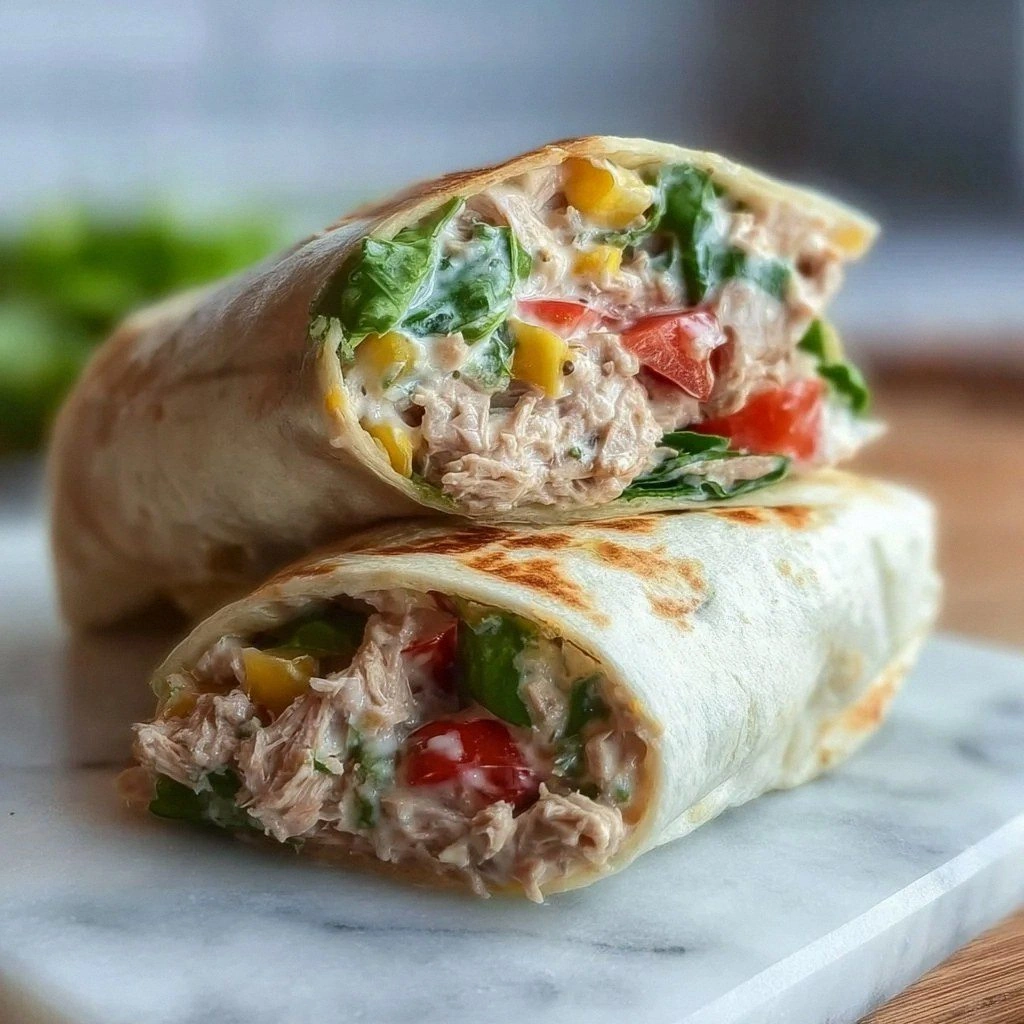
- Step 6: Seal and Toast— Fold the sides of the wrap in, then roll tightly from one end to the other. Place the wrapped roll seam‑side down in a preheated skillet over medium heat. Press gently with a spatula for 1–2 minutes on each side, allowing the cheese to melt and the wrap to develop a golden crust. The cheese should ooze slightly, indicating it’s perfectly melted.
- Step 7: Slice and Serve— Once the wrap is golden and the cheese has melted, remove it from the skillet and let it cool for a minute. Slice the wrap diagonally, revealing a ribbon of melted cheese and a burst of fresh veggies. Serve immediately with a handful of lettuce leaves for extra crunch.
- Step 8: Optional Finishing Touch— Drizzle a light splash of olive oil over the top, or sprinkle a pinch of paprika for a smoky note. These final touches elevate the flavor and give the wrap a gourmet finish. If you’re feeling adventurous, add a spoonful of capers for briny depth.
That's it — you did it. But hold on, I've got a few more tricks that'll take this to another level...
Insider Tricks for Flawless Results
The Temperature Rule Nobody Follows
Many cooks toss the wrap into a hot pan, thinking it will toast faster. The truth is, a medium heat allows the cheese to melt evenly without burning the wrap. I’ve learned that a quick test—place a small piece of the wrap in the skillet—can gauge the right temperature. If it sizzles but doesn’t brown immediately, you’re at the sweet spot. This trick ensures a golden crust while keeping the inside silky.
Why Your Nose Knows Best
The aroma of melting cheese is a reliable indicator of readiness. When the scent starts to rise, the cheese is halfway through its melt, and the wrap is ready to flip. If you wait too long, the cheese will become rubbery; if you flip too early, the crust won’t form properly. Trust your nose and adjust the heat accordingly. I’ve seen many people skip this step, resulting in unevenly cooked wraps.
The 5‑Minute Rest That Changes Everything
After you finish toasting, let the wrap rest for five minutes before slicing. This short pause allows the cheese to set, preventing it from oozing onto the cutting board. The rest period also lets the flavors meld, creating a more cohesive bite. I’ve found that this simple step elevates the overall texture, making the wrap feel like a gourmet sandwich rather than a hastily assembled snack.
The Perfect Folding Technique
When folding, start by tucking in the sides before rolling. This creates a tight seal that keeps the filling contained. If you roll too loosely, the filling can spill out during toasting. I’ve tried a few folding methods, and the side‑tuck technique consistently produces the best results. It also makes the wrap easier to eat without it falling apart.
The Cheese‑First Rule
Always sprinkle the cheese on top of the tuna mixture before sealing the wrap. This ensures that the cheese melts into the filling, creating a gooey, cohesive interior. If you add the cheese after sealing, it will sit on top and may not melt properly. I’ve seen this happen in many homemade wraps, resulting in a less satisfying melt. Keep the cheese on top and watch the transformation.
Creative Twists and Variations
This recipe is a playground. Here are some of my favorite ways to switch things up:
Mediterranean Remix
Swap the cheddar for crumbled feta and add chopped kalamata olives. Toss the tuna with a splash of lemon juice and oregano. This version feels like a sunny afternoon on a Greek island, with salty olives balancing the tangy feta.
Vegan Victory
Use chickpeas instead of tuna and replace mayo with a vegan mayo or cashew cream. Add a sprinkle of nutritional yeast for a cheesy flavor. This plant‑based wrap keeps the texture fun while providing a protein punch.
Spicy Kick
Add a dash of sriracha or a handful of diced jalapeños to the tuna mixture. The heat will contrast the creamy cheese, giving the wrap a fiery personality. This version is perfect for those who love a bit of spice in their lunch.
Breakfast Boost
Add a fried or poached egg on top of the tuna before sealing the wrap. The runny yolk will mingle with the cheese, turning the wrap into a hearty breakfast sandwich. Pair it with a side of fresh fruit for a balanced morning meal.
Low‑Carb Edition
Swap the whole‑wheat wrap for a low‑carb tortilla or a lettuce leaf wrap. The result is a light, satisfying wrap that keeps your carb count low while still delivering the same delicious flavors.
Storing and Bringing It Back to Life
Fridge Storage
Store the assembled wrap (not yet toasted) in an airtight container or a zip‑lock bag in the refrigerator for up to 24 hours. Keep the wrap wrapped in parchment paper to prevent it from sticking to the bag. When ready to eat, simply reheat in a skillet or microwave for 30 seconds.
Freezer Friendly
Wrap the tuna mixture in plastic wrap and then place it in a freezer bag. Freeze for up to 3 months. To reheat, thaw in the refrigerator overnight and then toast as usual. The cheese will still melt beautifully, and the wrap will retain its texture.
Best Reheating Method
The secret to a perfectly reheated wrap is to add a tiny splash of water to the skillet before placing the wrap. The steam will keep the cheese from drying out and will give the wrap a fresh, toasty aroma. Heat over medium heat for 3–4 minutes, flipping halfway, until the cheese is melted and the wrap is warm.