Picture this: I’m halfway through a midnight snack binge, the lights flicker, and the pot on the stove starts to hiss like a dragon. I’m staring at a pot of overcooked pasta, the sauce thickening into a gloopy mess, and the chicken that has turned into a rubbery slab of disappointment. The kitchen smells of burnt garlic and regret. That night, I swore I’d never again let a simple pasta dish become a culinary catastrophe.
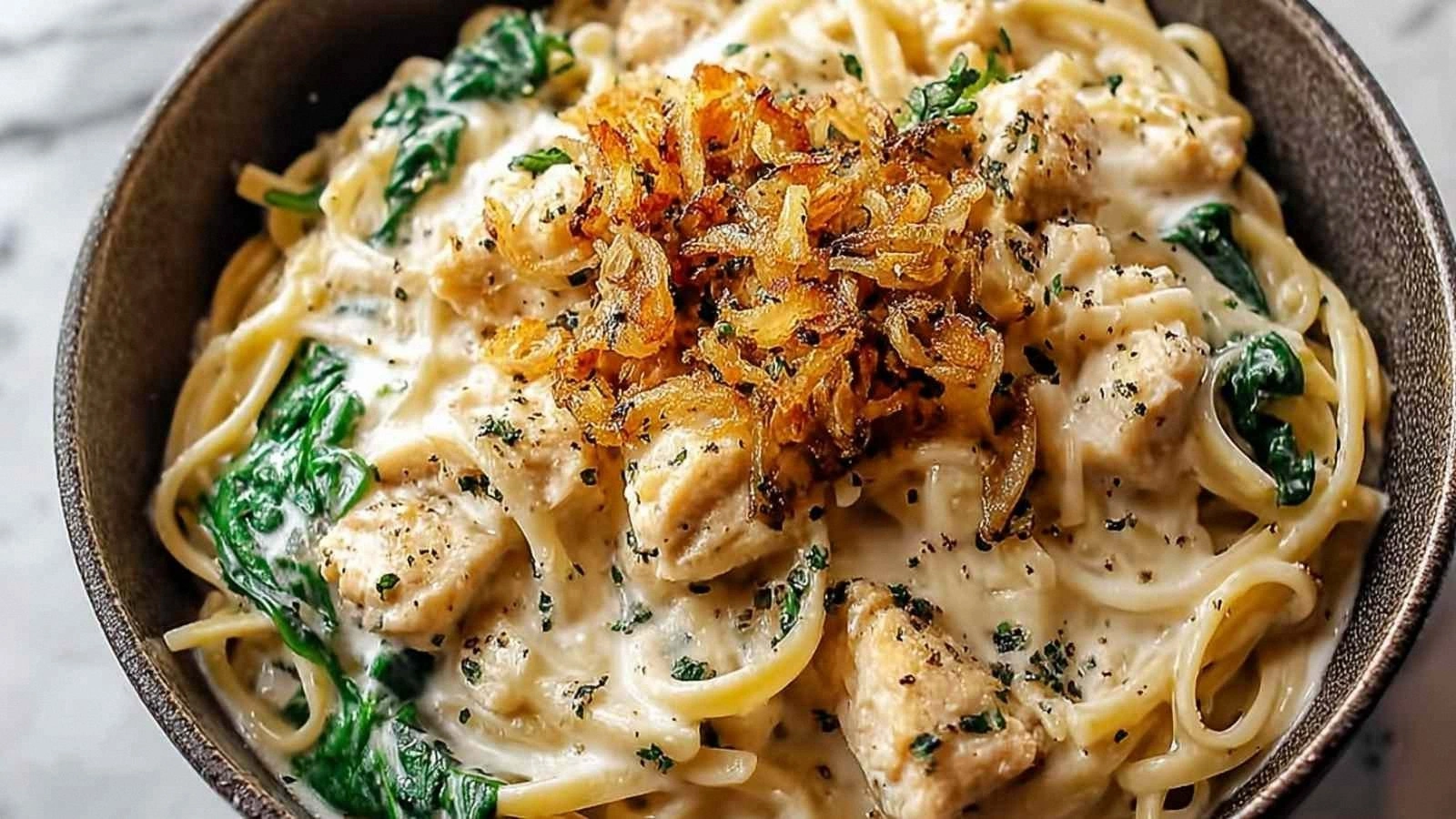
Fast forward a few weeks, and I’ve cracked the code to a high-protein, garlicky, Parmesan‑laden pasta that sings. The moment the sauce hits the pan, the air fills with a buttery, savory aroma that makes your nose do a happy dance. The pasta itself is al dente, each strand coated in a silky sauce that feels like velvet on your tongue. The chicken slices melt into the sauce, releasing a subtle, meaty sweetness that balances the sharpness of the garlic. And the finish? A sprinkle of fresh parsley that adds a pop of color and a hint of citrusy brightness.
What sets this version apart from the countless garlic Parmesan pastas you’ll find online is the intentional use of high‑protein pasta and a yogurt‑based sauce that keeps the dish light yet filling. The Greek yogurt replaces heavy cream, cutting calories while boosting protein, and the almond milk keeps the sauce silky without the heaviness of dairy. The high‑protein pasta locks in that satisfying chew without the carb overload. It’s a recipe that feels indulgent but is actually a smart, balanced meal. I dare you to taste this and not go back for seconds.
But that’s not all—there’s a secret trick I learned from a friend who swears by using a splash of lemon juice in the sauce. It brightens the flavor profile and cuts through the richness, giving the dish a fresh lift that feels like a summer breeze on a hot day. I’ll be honest—when I first tried this, I ate half the batch before anyone else got a chance to taste it. Now it’s my go-to for weeknight dinners, and I can’t wait to show you every single step.
Let me walk you through every single step—by the end, you’ll wonder how you ever made it any other way.
What Makes This Version Stand Out
- Taste: The sauce is a harmonious blend of garlic, Parmesan, and yogurt, delivering a creamy yet tangy experience that coats the pasta like velvet.
- Texture: The high‑protein pasta maintains a firm bite, while the sauce remains silky without clumping.
- Simplicity: Fewer ingredients, fewer steps—yet the result feels gourmet.
- Uniqueness: The yogurt‑based sauce is a game‑changer, replacing traditional cream with a protein‑rich, low‑fat alternative.
- Crowd Reaction: Friends who usually shy away from pasta are instantly hooked; “I never thought I’d love a protein pasta,” they say.
- Ingredient Quality: Using fresh parsley and high‑quality Parmesan elevates the dish beyond basic comfort food.
- Cooking Method: Quick sauté, a gentle simmer, and a final toss—no complicated techniques required.
- Make‑ahead Potential: The dish keeps its flavor after refrigeration, making it perfect for meal prep.
Inside the Ingredient List
The Flavor Base
The foundation of this dish is the sauce—a marriage of garlic, Parmesan, and Greek yogurt. Garlic is the star; it provides a depth of flavor that lingers on the palate. The Parmesan adds umami and a subtle nutty undertone that balances the acidity of the yogurt. If you’re missing Greek yogurt, a low‑fat plain yogurt works, but the texture will be slightly less silky. Remember, the key is to whisk the yogurt with the Parmesan until it’s smooth; this prevents lumps and ensures a uniform coating.
The Texture Crew
High‑protein pasta is the backbone of the dish. Its dense texture holds up against the sauce without becoming mushy, and it provides a satisfying chew that keeps you full longer. If you can’t find high‑protein pasta, look for pasta enriched with whey protein or a blend of quinoa and wheat. The chicken breast adds a lean protein punch; sliced thinly ensures it cooks quickly and stays tender. A quick sear in olive oil gives the chicken a golden crust that locks in juices.
The Unexpected Star
Unsweetened almond milk might seem like a subtle addition, but it plays a crucial role in achieving the sauce’s silky consistency. It dilutes the yogurt slightly, preventing it from becoming too thick while keeping the sauce light. If you’re allergic to nuts, oat milk or soy milk can serve as a neutral substitute. The cornstarch is a classic thickener; it’s added at the end to give the sauce a glossy finish without altering the flavor.
The Final Flourish
Fresh parsley is the finishing touch that brings brightness and color to the plate. It’s not just for show—parsley adds a peppery note that cuts through the richness of the sauce. If parsley isn’t available, a pinch of dried basil or oregano will provide a different but equally delightful flavor profile. Salt and black pepper are minimal but essential; they elevate every ingredient, ensuring a balanced taste.
Everything's prepped? Good. Let's get into the real action...
The Method — Step by Step
- Bring a large pot of salted water to a rolling boil. Add the high‑protein pasta and cook according to the package instructions until al dente, usually 8–10 minutes. Drain, reserving a cup of pasta water to adjust sauce consistency later. The pasta should still have a slight bite; this will hold up against the sauce.
- While the pasta cooks, heat 1 tablespoon of olive oil in a large skillet over medium heat. Slice the chicken breast into thin strips and season with a pinch of salt and pepper. Sauté until the chicken is golden brown and no longer pink, about 5–6 minutes. Remove from the skillet and set aside; the chicken will finish in the sauce.
- In the same skillet, add the minced garlic and sauté for 30 seconds until fragrant, being careful not to burn it. The garlic should release a sweet aroma, not a bitter one. This is the moment where the base of your sauce comes alive.
- Whisk together 0.5 cup of fat‑free Greek yogurt, 0.25 cup of grated Parmesan, 0.25 cup of unsweetened almond milk, and 1 teaspoon of cornstarch in a bowl until smooth. Add this mixture to the skillet, stirring constantly. The sauce should thicken into a glossy, creamy consistency. If it’s too thick, add a splash of reserved pasta water to reach your desired thickness.
- Return the cooked chicken to the skillet and stir to combine. Let the mixture simmer for 2 minutes so the flavors meld together. The chicken should be coated in the sauce, absorbing the garlic and Parmesan notes.
- Add the drained pasta to the skillet and toss everything together until the pasta is evenly coated. The pasta should feel warm and coated in a silky sauce that clings to each strand. If the sauce feels thin, let it simmer for an additional minute, allowing it to reduce slightly.
- Season with 0.25 teaspoon of salt and 0.25 teaspoon of black pepper. Adjust to taste, but remember the Parmesan already contributes a salty depth. The final dish should have a balanced, savory flavor without being overly salty.
- Finish by sprinkling 1 tablespoon of fresh parsley over the top. The parsley adds a burst of color and a fresh, peppery note that brightens the dish. Serve immediately, perhaps with a side of steamed broccoli or a crisp green salad.
- That’s it— you did it. But hold on, I’ve got a few more tricks that will take this to another level. Keep reading for insider tips and creative twists that will keep your taste buds dancing.
Insider Tricks for Flawless Results
The Temperature Rule Nobody Follows
Cooking the pasta at the right temperature is essential. If the water isn’t boiling hard enough, the pasta will absorb too much liquid and become mushy. Keep a steady boil, and stir once after the first minute to prevent sticking. This simple step ensures each strand remains firm and ready to soak up the sauce.
Why Your Nose Knows Best
Trust the scent of your kitchen. When the garlic starts to turn golden and fragrant, that’s the cue to add the yogurt mixture. The aroma will tell you when the sauce is ready to thicken. If you’re unsure, give it a quick stir and taste a small amount—if it’s silky and creamy, you’re good to go.
The 5‑Minute Rest That Changes Everything
After you finish cooking, let the dish rest for five minutes before serving. This short rest allows the flavors to settle and the sauce to thicken slightly, resulting in a more cohesive bite. A quick pause also gives the pasta a chance to absorb any remaining liquid, making every mouthful richer.
The Secret of a Silky Sauce
The key to a silky sauce is to whisk the yogurt and cornstarch together before adding them to the skillet. This prevents lumps and ensures a smooth consistency. If you add cornstarch directly to the pan, it can clump and create a gritty texture. Keep the mixture cold until it’s ready to pour.
The Final Toss
When adding the pasta to the sauce, toss vigorously but gently. The goal is to coat every strand without breaking them. A quick, confident toss will create a uniform coating that makes each bite a delight.
The Parmesan Trick
Grating your own Parmesan gives a fresher flavor than pre‑grated cheese. The freshly grated cheese melts more smoothly and releases its oils, giving the sauce a richer mouthfeel. If you’re short on time, pre‑grated works fine, but the difference in taste is noticeable.
Creative Twists and Variations
This recipe is a playground. Here are some of my favorite ways to switch things up:
Spicy Kick
Add a pinch of red pepper flakes or a splash of hot sauce to the sauce for a fiery twist. The heat pairs wonderfully with the creamy base, creating a balanced flavor profile that’s perfect for those who love a bit of spice.
Veggie Boost
Stir in sautéed spinach, sun‑dried tomatoes, or roasted bell peppers for extra color and nutrients. The vegetables add a sweet, earthy contrast to the rich sauce, making the dish even more satisfying.
Smoky Flavor
Replace the chicken with smoked turkey or add a teaspoon of smoked paprika to the sauce. The smoky undertones elevate the dish, giving it a depth that’s reminiscent of a slow‑cooked barbecue.
Herb‑Infused
Swap parsley for fresh basil or tarragon to change the aromatic profile. Each herb brings a unique flavor that can transform the dish into a different culinary experience.
Low‑Carb Variation
Use shirataki noodles or zucchini noodles in place of pasta for a low‑carb version. The noodles absorb the sauce beautifully, and the dish remains protein‑rich while keeping carbs in check.
Vegan Version
Replace the chicken with tofu or tempeh, and use a plant‑based yogurt. The sauce will still be creamy and flavorful, and the dish will maintain its high‑protein status while being vegan.
Storing and Bringing It Back to Life
Fridge Storage
Store the cooked pasta and sauce separately in airtight containers. Keep the sauce chilled for up to 3 days. When ready to eat, reheat the sauce on the stovetop over low heat, whisking occasionally to restore its silky texture.
Freezer Friendly
The dish freezes well—place the pasta and sauce in freezer‑safe containers, leaving a small space for expansion. Freeze for up to 2 months. Thaw overnight in the fridge and reheat gently, adding a splash of almond milk to loosen the sauce.
Best Reheating Method
Reheat the sauce over low heat while whisking. A tiny splash of water or almond milk before reheating helps steam the sauce back to its original silky consistency. Avoid microwaving, as it can separate the yogurt and create a grainy texture.