I was in the middle of a chaotic Sunday dinner, juggling a skillet of sautéed onions and a pot of boiling pasta, when the universe decided to test my multitasking skills. The stove popped, the pan slipped, and I watched in horror as the onions turned to a bitter, burnt mess. My friends were laughing, but my stomach was screaming for something comforting. That night, I made a promise to myself: I would create a dish that could rescue any kitchen mishap, turn a burnt moment into a triumph, and still taste like a hug in a bowl.
Picture this: the air fills with a sweet, smoky perfume as honey drizzles over sizzling chicken, the scent mingles with the sharp tang of lime and the earthy aroma of fresh zucchini. The sound is a satisfying sizzle that tells you the heat is just right. When you take the first bite, the crunch of the vegetables gives way to tender, juicy chicken, and a whisper of heat lingers like a secret kiss. The texture is a delightful contrast: creamy avocado melts into the rice, while the yogurt drizzle creates a silky finish. Every bite feels like a layered story, starting with a sweet opening, moving through a spicy middle, and ending with a cool, refreshing finish.
I’ve tried countless variations of honey‑spiced chicken, but this version is a game‑changer. It balances heat and sweetness in a way that feels like a well‑orchestrated symphony, not a chaotic mashup. The recipe is simple enough for a novice, yet sophisticated enough to impress a dinner guest who thinks they’ve seen it all. I dare you to taste this and not go back for seconds. That’s the confidence I bring to every kitchen adventure I share.
The secret lies in a few unexpected twists: a splash of Worcestershire sauce that deepens the umami, a dash of dried dill that adds a herbal note, and a careful layering of hot sauce and honey that creates a glaze that clings to the chicken like velvet. Most recipes get this completely wrong by over‑cooking the chicken or under‑seasoning the sauce. Here’s what actually works: a quick sear to lock in juices, a low‑heat glaze to develop flavor, and a final burst of lime that lifts everything.
If you’ve ever struggled to keep your chicken juicy while still getting that caramelized glaze, you’re not alone. I’ve been there, watching the pan go from a glossy sheen to a dry, charred mess. This recipe solves that problem with a simple technique that you can master in minutes. Picture yourself pulling this out of the pan, the whole kitchen smelling incredible, and your friends asking for the recipe before you even finish the last bite.
But wait, there’s more. The next section will reveal how I layer flavors, why each ingredient matters, and how you can tweak the dish to suit your taste. Stay with me here—this is worth it. By the end, you’ll wonder how you ever made it any other way.
What Makes This Version Stand Out
- Taste: The honey and hot sauce create a glaze that coats the chicken like a silky, sweet‑spicy mantle, while the lime brightens the dish, preventing it from feeling heavy.
- Texture: The chicken stays moist and tender, the vegetables stay crisp yet tender, and the rice provides a comforting base that absorbs the sauce.
- Ingredient Quality: Fresh, seasonal produce and high‑quality honey give the dish depth that canned or processed items simply can’t match.
- Cooking Method: A quick sear followed by a low‑heat glaze ensures the chicken stays juicy and the sauce caramelizes without burning.
- Make‑ahead Potential: The sauce can be prepared a day ahead and reheated, making it a perfect week‑night dinner that feels special.
- Crowd Reaction: Friends rave about the balance of sweet and heat; it’s the kind of dish that turns a casual dinner into a memorable event.
- Visual Appeal: The vibrant colors of zucchini, carrots, and avocado against a golden glaze make it Instagram‑ready.
- Versatility: Swap rice for quinoa or cauliflower rice, or add a protein like shrimp, and the dish adapts to any dietary preference.
Alright, let's break down exactly what goes into this masterpiece...
Inside the Ingredient List
The Flavor Base
Honey, hot sauce, and Worcestershire sauce form the heart of this dish. Honey provides a natural sweetness that caramelizes beautifully when heated, turning the sauce into a glossy glaze. Hot sauce adds depth and a subtle heat that lingers long after the bite. Worcestershire sauce contributes a savory umami undertone that balances the sweetness and brings everything together. Skipping any of these would leave the dish feeling flat; each one plays a crucial role in the flavor architecture.
The Texture Crew
Zucchini, summer squash, and shredded carrots are the crunchy companions that give the bowl its bite. Their natural sugars caramelize slightly during cooking, adding a hint of sweetness that complements the honey glaze. If you prefer a softer texture, blanch the vegetables before adding them, but be careful not to overcook—they should retain a slight snap. These veggies also add bulk, making the dish more filling without extra calories.
The Unexpected Star
Greek yogurt and avocado are the creamy, cooling elements that counterbalance the heat. Greek yogurt offers a tangy richness that smooths the glaze, while avocado brings a buttery texture and a dose of healthy fats. Together, they create a luscious sauce that coats the rice and chicken. If you’re dairy‑free, replace the yogurt with coconut cream for a subtle tropical twist.
The Final Flourish
Fresh herbs—parsley and dill—add a bright, herbal note that lifts the dish. A squeeze of lime juice at the end provides acidity that cuts through the sweetness and enriches the overall flavor profile. These finishing touches are what elevate the dish from good to unforgettable. Remember, a little goes a long way; too much lime or herbs can overpower the delicate balance.
Everything's prepped? Good. Let's get into the real action...
The Method — Step by Step
- Heat the avocado oil in a large skillet over medium‑high heat until shimmering. Pat the chicken breasts dry with paper towels, then season both sides with salt, black pepper, cayenne, and crushed red pepper. Place the chicken in the pan and sear for 3–4 minutes on each side until golden brown. The sear locks in juices and creates a flavorful crust.
- Reduce the heat to medium and add minced garlic to the pan. Sauté for 30 seconds until fragrant, being careful not to burn the garlic. This step builds a fragrant base that enhances the glaze.
- In a small bowl, whisk together honey, hot sauce, Worcestershire sauce, onion powder, garlic powder, dried dill, and a splash of milk. The milk helps the glaze coat the chicken evenly. Pour the mixture over the chicken, then reduce the heat to low and let it simmer for 5 minutes, turning the chicken to coat it fully. The sauce should thicken into a glossy glaze.
- While the chicken simmers, toss the sliced zucchini, summer squash, and shredded carrots in a pinch of salt and a drizzle of oil. Add them to the pan in a single layer, letting them steam in the residual heat of the glaze for 3–4 minutes. The vegetables should stay slightly crisp, adding a satisfying crunch.
- Remove the chicken and vegetables from the skillet and let the chicken rest for 5 minutes. This allows the juices to redistribute, ensuring every bite is moist. Slice the chicken into strips, then return them to the pan to reheat briefly with the vegetables.
- Add the cooked rice or quinoa to the skillet, stirring to coat it with the remaining glaze. Let it heat through for 2 minutes, then remove from heat. The grains should absorb the sauce, becoming flavorful and slightly sticky.
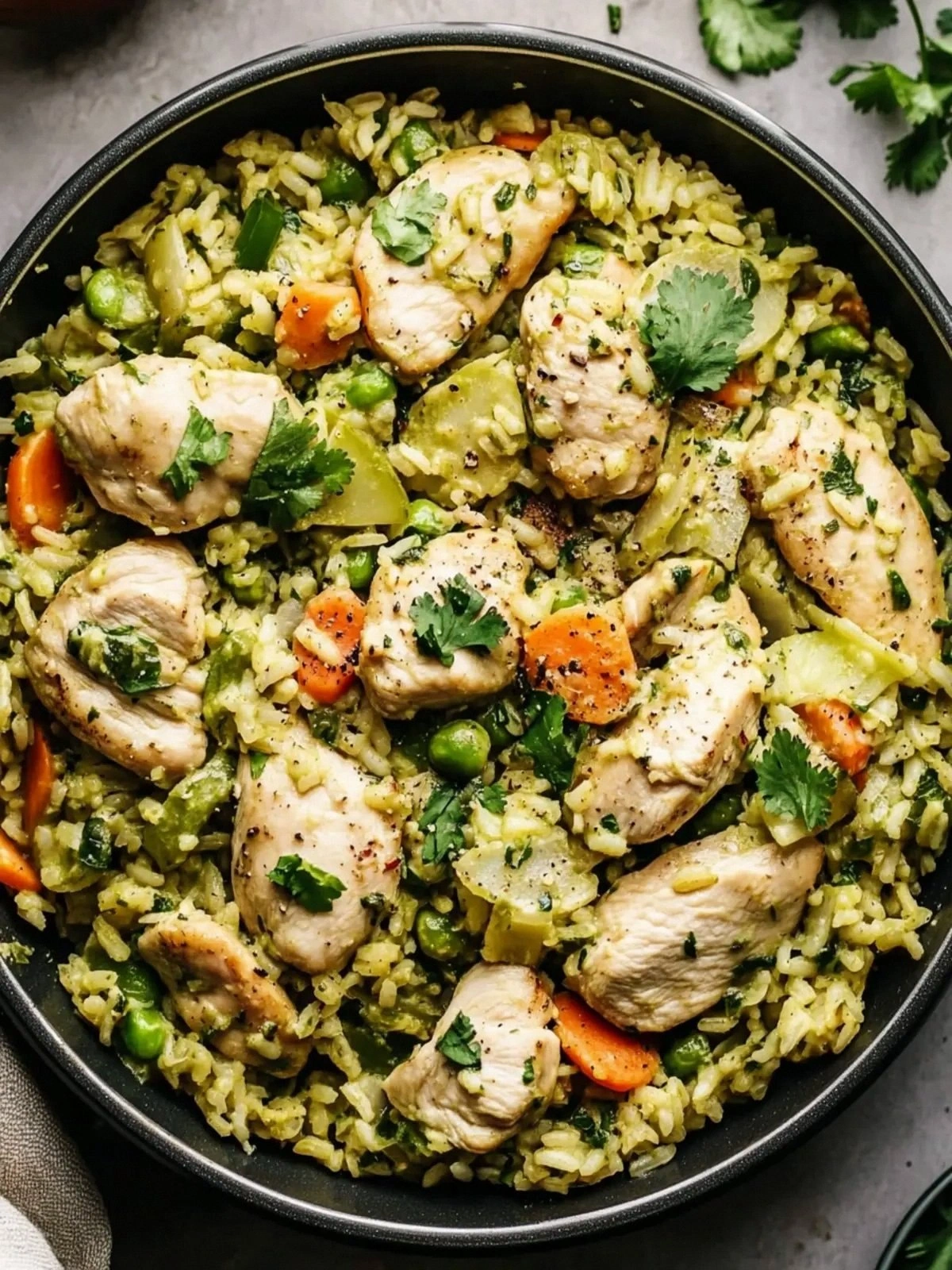
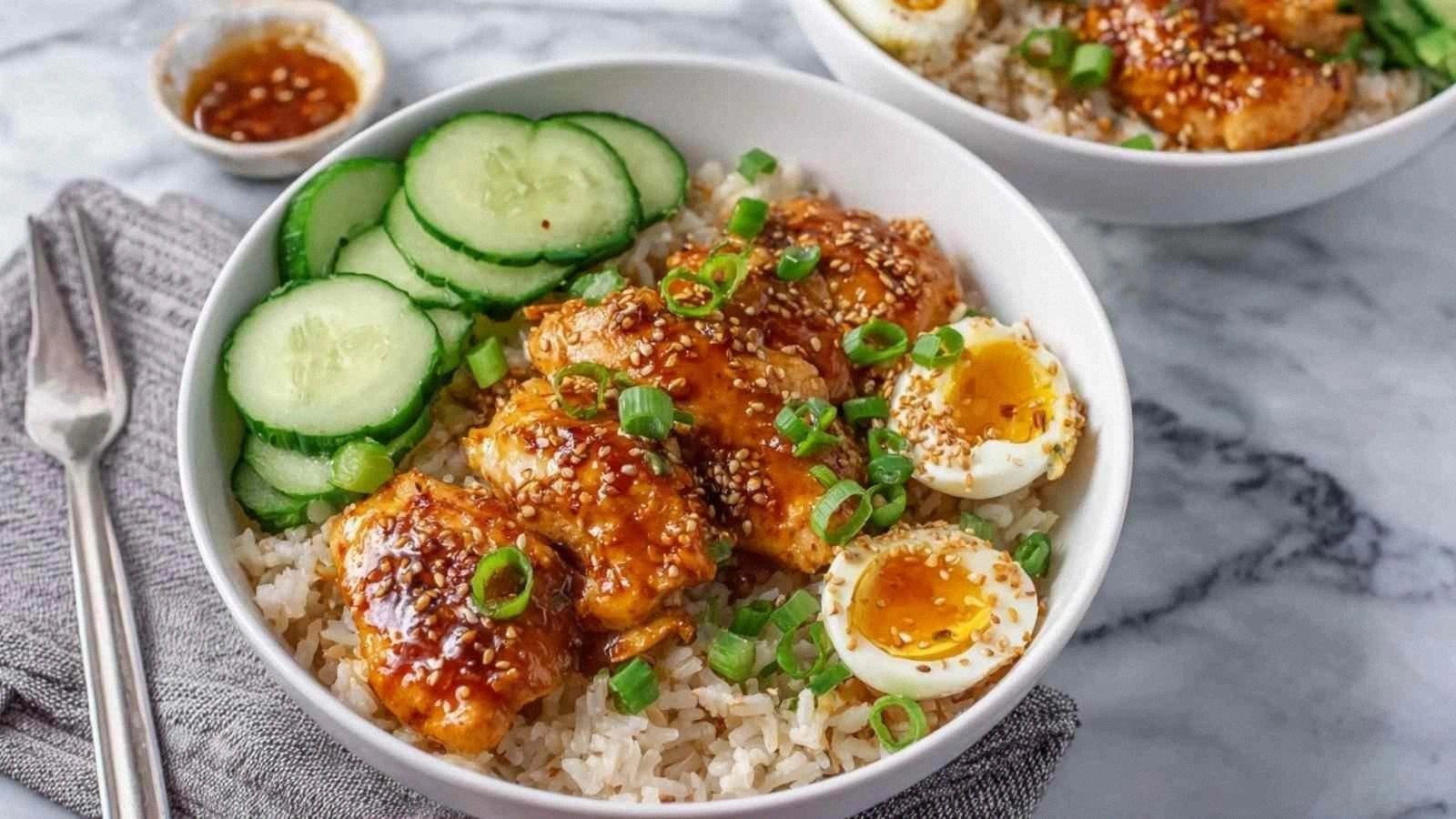
- Transfer the rice mixture to serving bowls, then top with sliced chicken, sautéed vegetables, diced avocado, and a dollop of Greek yogurt. Drizzle with lime juice and sprinkle chopped parsley. The combination of creamy, tangy, sweet, and spicy elements should feel like a symphony.
- Serve immediately while hot. If you’re making ahead, keep the components separate and assemble just before serving to maintain texture.
That's it — you did it. But hold on, I've got a few more tricks that'll take this to another level...
Insider Tricks for Flawless Results
The Temperature Rule Nobody Follows
Many cooks over‑cook their chicken, thinking a longer cook time ensures doneness. In reality, chicken is done when it reaches 165°F internally. Using a meat thermometer saves time, prevents dryness, and guarantees safe consumption. I’ve seen people slice into the chicken only to find it’s still raw; this rule saves you from that horror.
Why Your Nose Knows Best
Before you add the glaze, give the pan a quick sniff. A burnt honey aroma indicates the heat is too high; a fresh, sweet scent means you’re on the right track. Trust your nose; it’s the most reliable indicator of flavor development.
The 5-Minute Rest That Changes Everything
Letting the chicken rest after searing allows the juices to redistribute throughout the meat. Cutting into it immediately will cause the juices to spill out, leaving the chicken dry. A short rest also lets the glaze thicken slightly, making it easier to coat the chicken.
Keep the Veggies Crisp
If you like your veggies more tender, add them earlier in the cooking process. For a crunchier bite, add them in the last 2 minutes of simmering. The timing of vegetable addition can dramatically alter the dish’s texture.
The Secret of Fresh Herbs
Adding fresh parsley and dill at the very end preserves their bright flavors. If you add them too early, they’ll wilt and lose their punch. A handful of fresh herbs not only adds color but also a burst of freshness that balances the rich glaze.
Creative Twists and Variations
This recipe is a playground. Here are some of my favorite ways to switch things up:
Spicy Mango Twist
Swap the avocado for diced mango and add a pinch of smoked paprika. The mango’s natural sweetness pairs beautifully with the honey glaze, while the paprika adds a subtle smoky heat. This version is perfect for a tropical vibe.
Mediterranean Flavor
Replace the hot sauce with a drizzle of harissa paste, and swap the Greek yogurt for feta crumbles. The harissa adds depth and a North African flair, while feta introduces a salty tang that contrasts with the honey.
Gluten‑Free Option
Serve the dish over cauliflower rice instead of regular rice or quinoa. Cauliflower rice keeps the carb count low while maintaining the dish’s comforting texture. It’s ideal for low‑carb or gluten‑free diners.
Protein Swap
Replace chicken with shrimp or tofu for a different protein profile. Shrimp cooks in 2–3 minutes and adds a briny flavor; tofu soaks up the glaze, providing a hearty vegetarian option.
Breakfast Variation
Serve the bowl over scrambled eggs instead of rice. The eggs absorb the glaze and become a sweet‑spicy breakfast that’s both filling and flavorful. Top with a sprinkle of chives for a fresh finish.
Winter Warmth
Add a handful of chopped butternut squash and a splash of apple cider vinegar to the glaze. The squash adds a sweet, nutty flavor while the vinegar cuts through the richness, creating a warming dish perfect for cold evenings.
Storing and Bringing It Back to Life
Fridge Storage
Store the assembled bowls in airtight containers for up to 3 days in the refrigerator. Keep the avocado slices separate until ready to eat to prevent browning. When ready to reheat, use a microwave or a skillet over low heat, adding a splash of water to keep the rice moist.
Freezer Friendly
You can freeze the cooked rice, vegetables, and chicken separately. Portion them into freezer‑safe bags, then thaw overnight in the fridge. Reheat each component in a skillet or microwave, then assemble the bowl fresh. Avoid freezing the yogurt or avocado; add them fresh when serving.
Best Reheating Method
The key to reheating is gentle heat and moisture. Add a teaspoon of water or broth to the skillet, cover, and heat on low until warm. This steams the rice back to fluffiness and prevents the glaze from drying out. A quick splash of lime before serving restores brightness.