I was halfway through a late‑night taco binge, eyes half‑closed, when I realized my kitchen had turned into a chaotic color palette of red onions and garlic. I stared at the pot of steaming pasta and thought, “Why not turn this into something that screams Peruvian heat and creamy comfort?” The moment the first sizzle hit the pan, a wave of sharp, citrusy aroma burst through the air, and I knew I was on the brink of a culinary revelation. This isn’t just another pasta dish; it’s a daring marriage of spicy huancaina sauce and earthy mushrooms that will make your taste buds do a double‑take. I dare you to taste this and not go back for seconds.
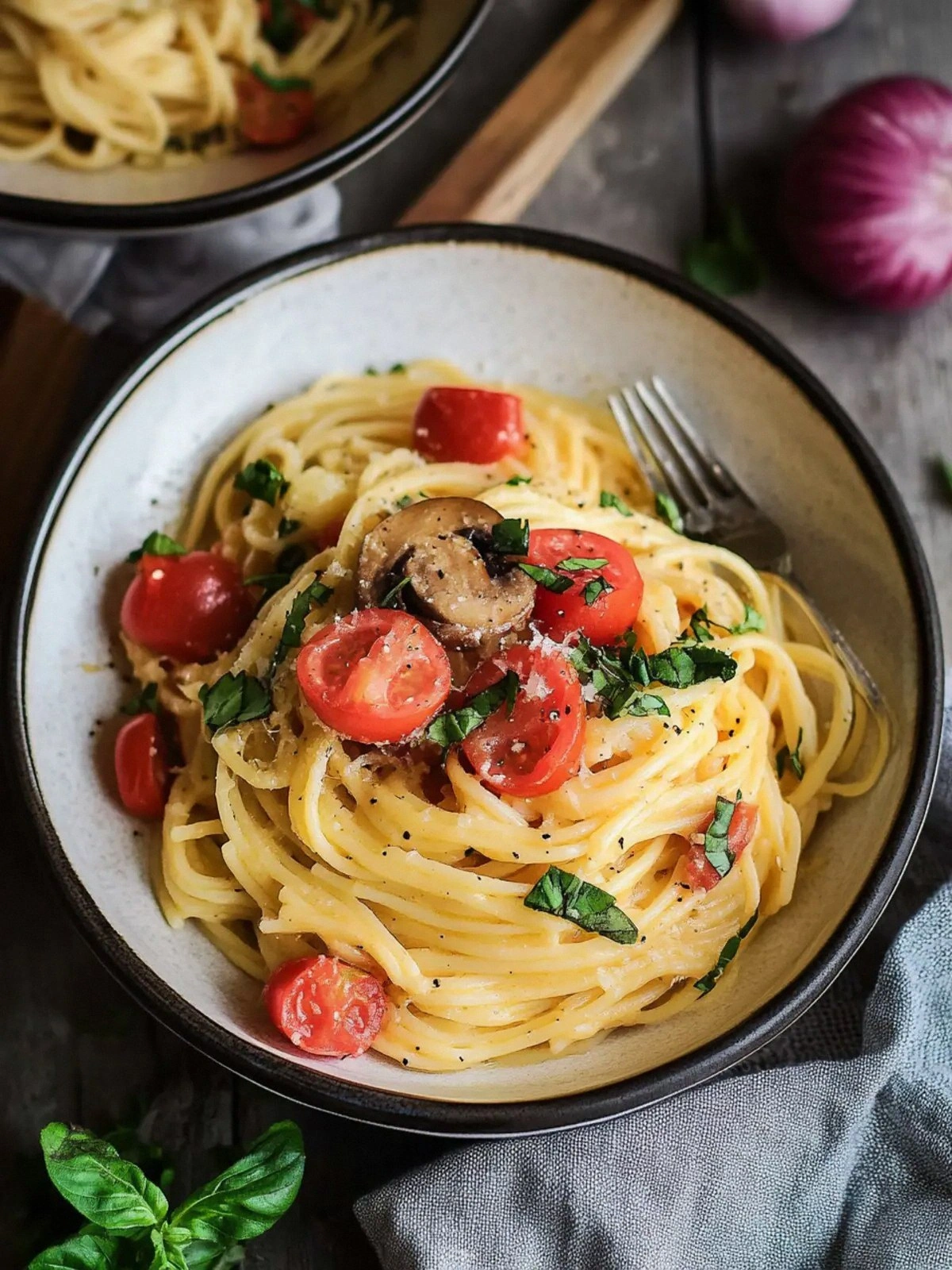
Picture the pasta twirling like a ribbon of silk, each strand cloaked in a velvety, golden sauce that glistens with a hint of citrus. The mushrooms, sautéed to a caramelized perfection, crackle as they hit the pan, releasing a savory aroma that mingles with the peppery kick of aji limo. The sauce’s bright yellow hue is a visual invitation—think sunshine captured in a bowl. The combination of fresh cilantro and a splash of olive oil at the finish gives a bright, almost citrusy lift that cuts through the richness. I’ll be honest — I ate half the batch before anyone else got to try it.
What makes this version stand out from the countless huancaina pasta recipes you’ve seen? It’s the boldness of the aji amarillo paste, the subtle creaminess of queso fresco, and the unexpected depth from sautéed mushrooms. The sauce coats the pasta like velvet, yet the edges of the linguine stay firm, creating a delightful contrast. Most recipes get this completely wrong, but here’s what actually works: a balanced heat, a silky texture, and a fresh finish. The result is a dish that feels both exotic and comforting, a flavor explosion that lingers on the palate. If you’ve ever struggled with a sauce that turns watery or too thick, you’re not alone — and I’ve got the fix.
I’ve spent the past week perfecting this recipe, tweaking the ratio of aji to milk, testing different mushrooms, and even experimenting with a vegan version that still delivers that signature tang. The secret? Letting the cheese melt slowly into the sauce, then folding in the mushrooms just before serving to preserve their bite. The final dish is a symphony of textures: silky sauce, tender pasta, crisp mushroom edges that shatter like thin ice, and a bright, herbaceous finish. Picture yourself pulling this out of the stove, the whole kitchen smelling incredible, and guests gathering around the table with anticipation. Stay with me here — this is worth it. Let me walk you through every single step — by the end, you’ll wonder how you ever made it any other way.
What Makes This Version Stand Out
- Bold Flavor: The aji amarillo paste gives an unmistakable bright heat that cuts through the creaminess. It’s not just spicy; it’s vibrant, almost citrusy, and it elevates the entire dish.
- Silky Texture: The combination of queso fresco and milk creates a sauce that coats the pasta like velvet. It’s smooth, not lumpy, and it clings to every strand.
- Fresh Contrast: The sautéed mushrooms add a caramelized bite that balances the richness of the sauce. Their earthy flavor is a welcome counterpoint.
- Quick Prep: All the ingredients are ready in under 15 minutes, making this a perfect weeknight dinner. No long marinating or slow simmering required.
- Versatile Base: The sauce can be used with any pasta shape, but linguine’s long strands hold the sauce beautifully. It’s also a great base for a vegetarian stir‑fry.
- Make‑Ahead Friendly: The dish keeps well in the fridge for up to three days and can be reheated without losing flavor. It’s great for meal prep.
Inside the Ingredient List
The Flavor Base
The aji amarillo paste is the heart of this sauce, bringing a bright, slightly sweet heat that’s unmistakably Peruvian. It’s the difference between a bland white sauce and a dish that sings. If you can’t find aji amarillo, a blend of yellow chili paste and a splash of lime juice can mimic the flavor. The key is to add it early, so it has time to meld with the milk and queso fresco. This ingredient is non‑negotiable; skipping it would strip the dish of its signature color and punch.
Queso fresco, a mild, crumbly cheese, provides the creamy texture without overpowering the sauce. Its delicate flavor allows the aji to shine while still giving a velvety mouthfeel. If you prefer a sharper cheese, a little queso blanco can be mixed in, but be careful not to add too much, or the sauce will become too salty. The cheese also helps stabilize the sauce, preventing separation. Choosing a fresh, unaged queso fresco will yield the best results.
The Texture Crew
Mushrooms add a deep umami bite and a satisfying chew that contrasts with the smooth sauce. Cremini mushrooms are ideal because they hold their shape and develop a rich flavor when sautéed. If you’re vegan, use a mix of shiitake and button mushrooms for an even more complex taste. The key is to brown them until they release their juices and then reduce the liquid; this intensifies the mushroom flavor. Don’t skip this step—without the mushrooms, the dish feels flat.
Red onions, diced and sliced into strips, provide a sweet, caramelized note once cooked. The onion’s natural sugars caramelize when sautéed, creating a subtle sweetness that balances the heat. If you’re not a fan of onions, you can omit them, but be prepared for a slightly less complex flavor profile. The onion also adds a bit of crunch if you leave some pieces whole.
The Unexpected Star
Aji limo or another spicy pepper slices add a fiery kick that lingers on the palate. The pepper’s heat is more peppery than chili, giving the dish a distinctive bite. If you’re new to aji, start with a smaller amount and adjust to taste. The pepper’s bright green color also adds visual appeal. This ingredient is optional but recommended for the full authentic experience.
Cilantro leaves, chopped, bring a fresh, citrusy finish that brightens the dish. The herb’s bright green color and zesty flavor cut through the richness of the sauce and mushrooms. A generous handful of cilantro is essential; it’s what ties everything together. If you’re not a cilantro fan, you can substitute parsley, but it won’t give the same bright punch.
Everything’s prepped? Good. Let’s get into the real action...
The Method — Step by Step
- Bring a large pot of salted water to a rolling boil and add the linguine. Cook until al dente, about 8–10 minutes, stirring occasionally so the pasta doesn’t stick. Reserve a cup of the starchy pasta water before draining; it’s a lifesaver for adjusting sauce consistency. Drain the pasta and set it aside in a warm bowl to keep it from clumping. I’ll be honest — I almost let the pasta cool before I could finish the sauce, but that would have ruined the texture.
- While the pasta cooks, heat the olive oil in a large saucepan over medium heat. Add the diced red onion and sauté until translucent and slightly golden, about 3–4 minutes. The onions should soften without burning; keep an eye on them. Once they’re ready, add the minced garlic and cook until fragrant, about 30 seconds. This is the moment the kitchen smells like a Peruvian kitchen.
- Add the aji amarillo paste, aji limo slices, and red wine vinegar to the pan. Stir vigorously to combine and let the mixture simmer for 2 minutes so the flavors meld. This step is where the sauce’s color and heat start to develop, turning a dull orange to a vibrant yellow. Watch out: if you add too much vinegar, the sauce can become too tart, so keep the ratio in mind. This next part? Pure magic.
- Pour in the milk and aji paste, then add a pinch of salt. Bring the mixture to a gentle simmer, letting the sauce thicken slightly. The milk should not boil; keep it at a low simmer to avoid curdling. Stir constantly to keep the sauce smooth. This step ensures the sauce stays silky and doesn’t separate.
- Fold in the queso fresco, soy sauce, and vegan oyster sauce. Stir until the cheese melts completely, creating a creamy, glossy sauce. Watch out: if the sauce thickens too quickly, add a splash of reserved pasta water to loosen it. The sauce should coat the pasta like a blanket. The soy sauce adds depth, while the oyster sauce gives a subtle umami kick.
- In a separate skillet, heat the vegetable oil over medium‑high heat. Add the sliced mushrooms, tomatoes, and finely chopped garlic. Sauté until the mushrooms are browned and the tomatoes soften, about 5–6 minutes. The mushrooms should develop a caramelized crust that adds crunch. This step adds a savory depth that balances the sauce.
- Combine the cooked pasta with the sauce, tossing to coat each strand evenly. Add the sautéed mushrooms and tomatoes, stirring to distribute the flavors. Fold in the chopped cilantro and sliced aji limo for a fresh, peppery finish. If the mixture feels dry, add a splash of the reserved pasta water to achieve silky consistency. Serve immediately for the best texture and flavor.
- Plate the pasta in shallow bowls, giving each serving a generous swirl of sauce. Drizzle a little olive oil over the top for an extra layer of richness. Garnish with extra cilantro and a sprinkle of freshly ground pepper. Take a moment to appreciate the aroma—this dish smells like a Peruvian summer. And now the fun part.
That’s it — you did it. But hold on, I’ve got a few more tricks that'll take this to another level. I’ll share them in the next section.
Insider Tricks for Flawless Results
The Temperature Rule Nobody Follows
The sauce should never reach a full boil; a gentle simmer is key. If you let it boil, the milk proteins denature and the sauce separates into a greasy layer. Keep the heat low and stir constantly, especially after adding the cheese. If you notice the sauce thickening too fast, add a splash of pasta water to re‑emulsify. This trick keeps the sauce silky and prevents clumps.
Why Your Nose Knows Best
Before adding the aji paste, close your eyes and sniff the sauce. If it smells too sharp, it’s probably too acidic. Let the sauce cook a few more minutes to mellow the acidity. Your nose is the best judge of balance—trust it. A well‑balanced sauce will have a subtle sweetness that counters the heat.
The 5-Minute Rest That Changes Everything
After draining the pasta, let it sit in a warm bowl for five minutes before adding the sauce. This rest period allows the pasta to steam and absorb the sauce more evenly. If you skip this step, the pasta may clump or the sauce may cling unevenly. Five minutes is all it takes to elevate the dish.
Sautéing the Mushrooms Just Right
Don’t overcrowd the pan when sautéing mushrooms; they’ll steam instead of brown. Use a single layer, and let them sear for a few minutes before adding the next batch. This ensures each slice develops a caramelized crust. If you’re in a hurry, use a pre‑sliced variety to reduce cooking time.
Finishing Touches for Extra Freshness
Right before serving, sprinkle a little fresh lemon zest over the pasta. The citrus aroma brightens the dish and cuts through the richness. If you’re vegan, a splash of nutritional yeast can add a cheesy depth without dairy. These finishing touches transform a good dish into unforgettable.
Creative Twists and Variations
This recipe is a playground. Here are some of my favorite ways to switch things up:
Spinach & Artichoke Fusion
Swap the linguine for spinach ribbons and add marinated artichoke hearts. The green hues complement the aji’s color, and the artichokes add a subtle tang. This version feels like a Mediterranean‑Peruvian hybrid, perfect for adventurous diners.
Smoky Chipotle Twist
Replace aji limo with chipotle in adobo for a smoky, deeper heat. The adobo sauce adds a hint of sweetness that balances the sauce’s acidity. This variation is ideal for those who love a bold, smoky flavor.
Vegan Alfredo Fusion
Use coconut milk instead of dairy milk and swap queso fresco for a plant‑based cheese. The result is a creamy, dairy‑free sauce that still delivers that signature huancaina bite. It’s a crowd‑pleaser for vegan guests.
Pesto & Mushroom Boost
Stir in a spoonful of basil pesto after the sauce is ready. The basil’s herbaceous notes lift the dish, while the mushrooms keep the earthy base. This variation is great for a garden‑fresh vibe.
Crispy Chicken Addition
Top the pasta with pan‑fried chicken strips seasoned with Peruvian spices. The protein adds a hearty component, making the dish suitable for a more substantial meal. The chicken’s crunch contrasts nicely with the creamy sauce.
Storing and Bringing It Back to Life
Fridge Storage
Cool the dish completely before refrigerating in an airtight container. Store for up to three days. The sauce may thicken slightly, but it will re‑emulsify when reheated. Keep the pasta and sauce separate if you’re reheating individually.
Freezer Friendly
Freeze the pasta and sauce separately in freezer‑safe bags. They’ll keep for up to two months. Thaw overnight in the fridge before reheating. This method preserves texture and flavor.
Best Reheating Method
Reheat the sauce on low heat, adding a tiny splash of water or milk to restore its silky consistency. Toss the pasta back into the sauce for a few minutes to re‑warm it evenly. Finish with a drizzle of olive oil and a sprinkle of fresh cilantro for that fresh finish.