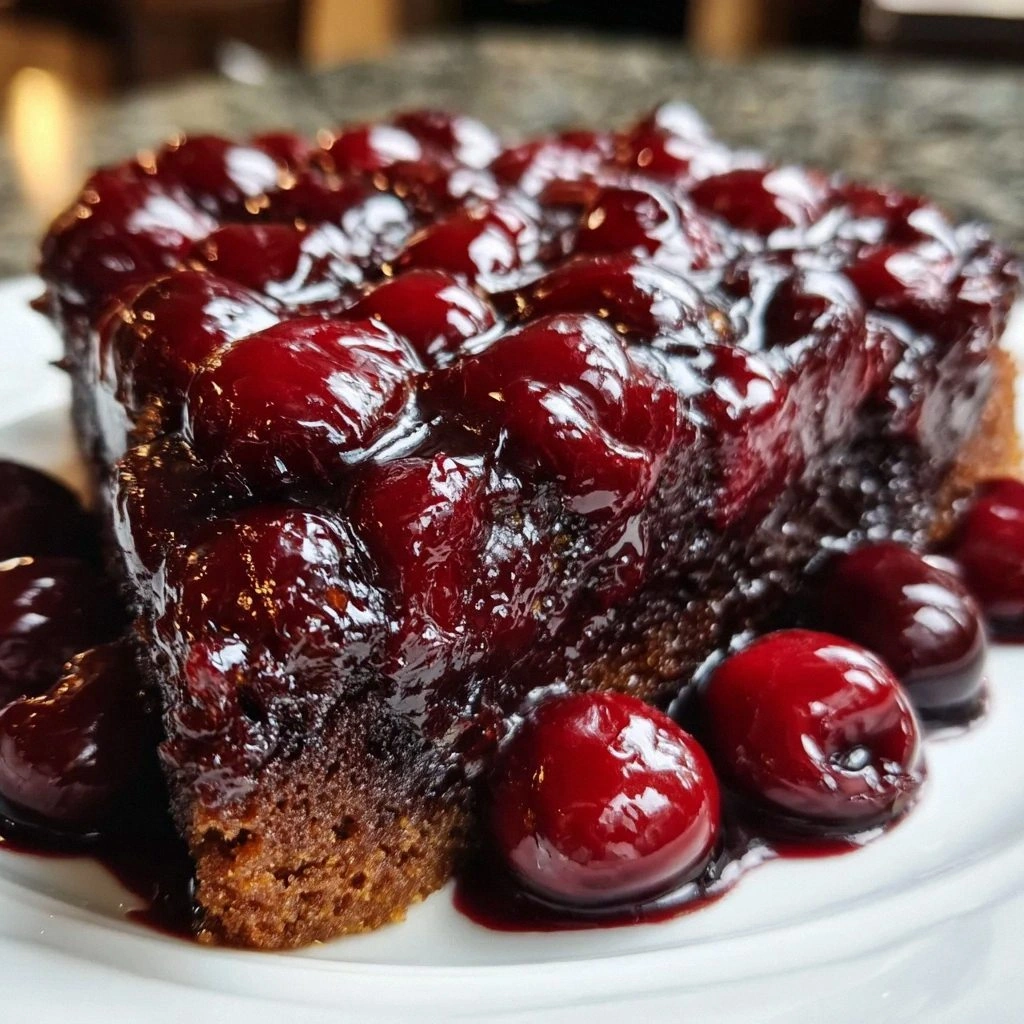
Last Tuesday, my smoke alarm serenaded the entire apartment building because I got distracted by a text and incinerated what was supposed to be a “simple” steak dinner. The shame was real—neighbors pounding on doors, the dog howling harmony, me fanning a dish towel like a malfunctioning windmill. I stomped back to the butcher the next morning, muttering that I’d been bested by a hunk of beef and determined to prove I could turn out a ribeye so juicy, so ridiculously flavorful, that even the fire marshal would ask for seconds. What unfolded over the following nights was a delicious obsession: testing salt timings, onion-caramelization rabbit holes, potato-ricing experiments, and one very opinionated Frenchman at the market who insisted I needed duck fat (spoiler: he wasn’t wrong).
Picture this: a cast-iron pan screaming hot, butter browning like autumn leaves, and a steak that audibly snarls as it hits the surface—music to any carnivore’s ears. Then comes the slow, honeyed perfume of onions melting into mahogany ribbons while potatoes simmer nearby, soaking up salted water like little cloud-fluffy sponges. The first forkful is a study in contrasts: crackling crust yielding to ruby center, silky mash catching the sweet onion jam, every bite demanding a moment of respectful silence. If you’ve ever relegated steak night to restaurants because home attempts felt meh, I’m here to hand you the keys to steakhouse-level swagger—no white tablecloth required.
This version is the love child of classic French bistro flair and my Midwestern need for comfort-food hugeness. We’re talking dry-brine wizardry for that crave-worthy crust, an onions-low-and-slow technique that borders on meditative, and mashed potatoes so creamy they should probably be regulated. Fair warning: once you plate this up, household diplomacy goes out the window—people will hover, fork-first, before you even set the platter down. I dare you to taste the caramelized onion topper and not immediately plot a second batch “just in case.”
Stick with me, because I’m spilling every micro-step, the rookie mistakes I annihilated along the way, and the tiny but mighty details most recipes gloss over (looking at you, “room-temperature steak” myth). By the time we’re done, you’ll wield the confidence to crank out ribeyes that rival the $60 plate from that downtown spot with the moody Edison bulbs—and you’ll do it in mismatched pajama pants. Let me walk you through every single step—by the end, you’ll wonder how you ever made it any other way.
What Makes This Version Stand Out
- Crust Crusaders: A 24-hour kosher-salt dry brine pulls surface moisture, guaranteeing the deepest, crunchiest, mahogany crust you’ve ever achieved in a home kitchen. The first time I heard that crackle under my steak knife, I actually giggled—like full-on cartoon villain giggle.
- Butter-Basted Theater: We sear in ghee for its sky-high smoke point, then flood the pan with herbed butter in the final minutes so garlic and rosemary perfuse every millimeter of meat. The foaming, nut-brown butter cascading over steak edges? Pure kitchen cinema.
- Onion Alchemy: Most recipes rush the onions—blasphemy! Low heat, periodic deglazing with a splash of balsamic, and a whisper of brown sugar yield strands that taste like savory jam and look like edible silk ribbons.
- Potato Cloud Technology: Russets get rice-steamed, not just boiled, so excess starch drains away. A hot milk/cream infusion plus a frazzled sage leaf transforms mash into something that could float off the plate.
- One-Pan Symphony: Steak rests atop the onion pan, capturing every meaty drip and feeding it back into the onion jam. Translation: built-in sauce, zero extra dishes, and you looking like a culinary genius.
- Make-Ahead Magic: Caramelized onions hold for a week; potatoes can be prepped earlier and reheated gently. Come steak night, you’re searing, not scrambling—perfect for date-night swagger.
Alright, let’s break down exactly what goes into this masterpiece...
Inside the Ingredient List
The Flavor Base
Ribeye Steaks: Look for at least 1.25 inches thick with abundant marbling—those white flecks are built-in flavor bombs. Choice grade is plenty; Prime if you’re feeling spendy. Bone-in adds insulation, but boneless gives you more crust real estate, so pick your priority. If the steaks smell metallic or are sitting in a puddle at the market, walk away—fresh beef should be dry and faintly sweet.
Kosher Salt: The large crystals create micro-pockets in the meat, seasoning deeper than table salt ever could. Diamond Crystal is my go-to; if you’re team Morton, cut the volume by 25% because those flakes are denser. Skip iodized—it can leave a tinny aftertaste that competes with beefy greatness.
The Texture Crew
Russet Potatoes: Their high starch content whips into the fluffiest mash. Peel after boiling; the skins slip off like silk stockings and you retain more flavor. Avoid waxy reds—great for salads, terrible for cloud-like mash. Size matters: similarly sized spuds cook evenly, so sort them like you’re picking dodgeball teams.
Heavy Cream + Whole Milk: The duo delivers richness without the gluey density of all-cream versions. Warm them first; cold dairy shocks piping potatoes into gummy submission. Half-and-half works in a pinch, but skip skim unless you enjoy wallpaper paste vibes.
The Unexpected Star
Ghee: Clarified butter’s nutty cousin tolerates 485°F without burning, giving you steakhouse sear in a residential kitchen. No ghee? Use refined avocado oil for sear, then add butter later for flavor. Olive oil’s smoke point is too low—save it for finishing, not firing.
The Final Flourish
Fresh Thyme & Rosemary: Hardy herbs stand up to aggressive heat; their piney oils mingle with melted butter to create an herby aerosol that bathes the steak. Dried versions burn quicker than you can say “oops,” so skip them here. Bonus: the stripped stems become aromatic smoke bombs when tossed onto coals if you’re grilling.
Everything’s prepped? Good. Let's get into the real action...
The Method — Step by Step
- Pat the ribeyes bone-dry with paper towels—moisture is the arch-enemy of crust. Shower both sides with kosher salt; you want visible crystals like a light snowfall, not a blizzard. Set the steaks on a wire rack over a sheet pan and park them uncovered in the fridge overnight. This mini desiccator chamber pulls surface water, concentrates beef flavor, and seasons the meat all the way to its pink heart. Future you will taste the payoff and mentally high-five present you.
- Peel and slice onions pole-to-pole into half-moons; this orientation keeps them from dissolving into total mush. Heat a heavy skillet over low flame, add a tablespoon of butter and a teaspoon of olive oil—the combo raises smoke point and adds flavor insurance. Slide onions in, toss to coat, and walk away for five minutes. Come back, stir, and repeat the disappearing act for 35-40 minutes total. You’re coaxing sugars, not interrogating under harsh heat; patience equals jammy strands that taste like French onion soup concentrate.
- When onions shrink to a tawny tangle, splash in a teaspoon of balsamic and a pinch of brown sugar. Deglaze by scraping the fond—the brown freckles stuck to the pan are umami gold. Add a knob of butter for silkiness and season with a few cracks of salt. Tip onions into a bowl, but don’t wipe out the pan; those browned bits will marry with steak drippings later.
- Meanwhile, cube russets into equal chunks and drop into salted water. Bring to a gentle boil; aggressive bubbling roughs up edges and turns them water-logged. Simmer until a knife slides in with zero resistance, about 18 minutes. Drain, then return potatoes to the hot pot for one minute to let excess steam escape—think of it as spa time for spuds.
- Heat cream and milk in a small saucepan with smashed garlic and a sage leaf until wisps of steam appear; don’t boil or you’ll get a skin. Fold the fragrant liquid into the potatoes in thirds, whipping gently with a spatula. Finish with cold diced butter for glossy emulsification. Taste, season aggressively with salt and white pepper—the mash should make you close your eyes involuntarily.
- Remove steaks from fridge 45 minutes before cooking; a 65°F interior cooks more evenly. Heat the same skillet over medium-high until a drop of water skitters like a nervous bead. Add ghee; it should shimmer but not smoke (around 450°F). Lay the steaks away from you to avoid splatter, pressing gently so every inch kisses the metal.
- Sear without moving for 3½ minutes—yes, set a timer. Lift a corner; if it releases without tearing, you’ve hit golden brown. Flip, add a tablespoon of butter, smashed garlic, and herb sprigs. Tilt the pan and baste repeatedly, spooning nutty butter over steak like you’re baptizing it in flavor. The foaming butter conducts heat and deposits aromatics directly onto crust.
- Transfer steaks to a board, park the caramelized onions underneath to absorb juices, and tent loosely with foil. Rest ten minutes; this allows proteins to reabsorb moisture so juices don’t flood the board when sliced. Meanwhile, reheat mash gently with a splash of milk; stir until it sighs luxuriously.
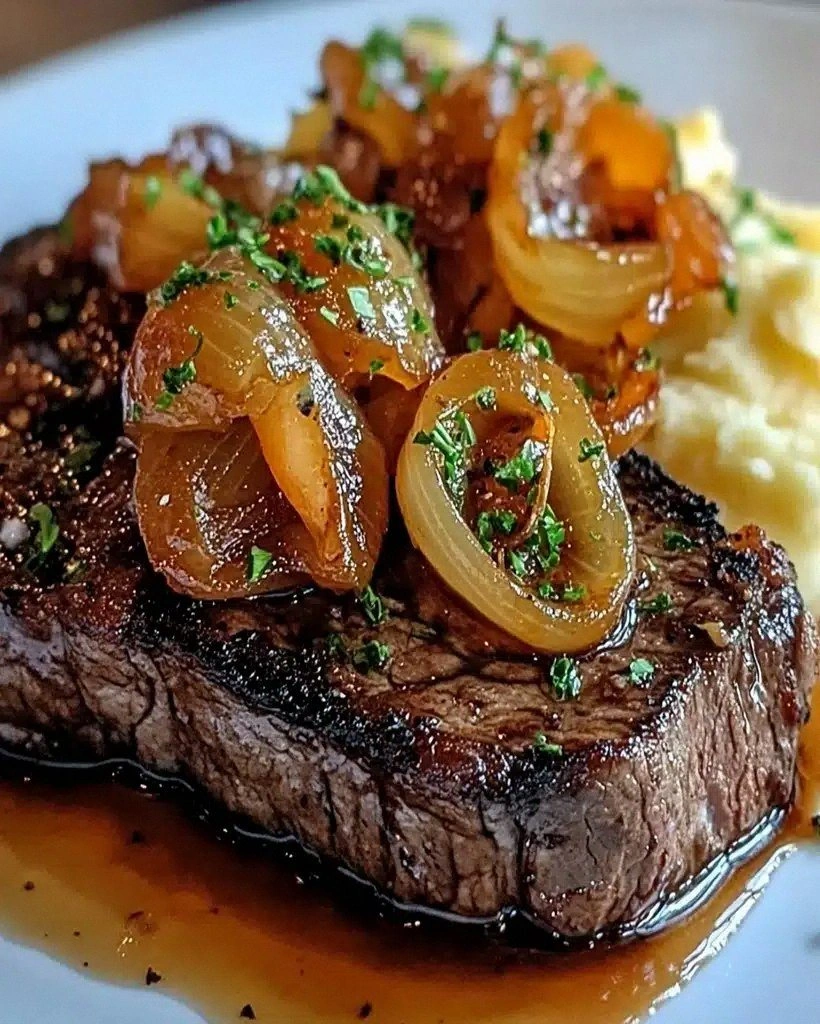
- Slice steak against the grain into ½-inch planks, revealing the rosy gradient from crust to center. Spoon onion jam over the top, letting purple juices drip dramatically. Plate alongside a quenelle of cloud-potatoes. Garnish with fresh thyme leaves and a final snow of flaky salt—the sparkle adds crunch and visual flex.
That's it—you did it. But hold on, I've got a few more tricks that'll take this to another level...
Insider Tricks for Flawless Results
The Temperature Rule Nobody Follows
Most home cooks yank steak straight from fridge to fire and wonder why the exterior carbonizes before the interior hits medium-rare. The magic number is 65°F internal before searing. Stick an instant-read into the thickest part; anything colder and you’re playing protein roulette. My cheat? Place the salted steak on a wooden cutting board near (not on) a preheating oven—ambient warmth nudges it into the sweet zone in 30 minutes flat.
Why Your Nose Knows Best
Forget timers—smell the sizzle. When the Maillard reaction kicks in, your kitchen fills with the aroma of toasted hazelnuts. That’s your cue to peek at the crust. If you only rely on clocks, you ignore variables like steak thickness, pan material, and burner BTU. Trust the nutty perfume; it never lies.
The 5-Minute Rest That Changes Everything
Resting is old news, but here’s the twist: park the steak atop the onions. The gentle conductive heat keeps the surface warm while juices redistribute, and the onions drink up the runoff, becoming an even richer condiment. A buddy tried skipping this once—his cutting board looked like a crime scene and the onions tasted merely “meh.” Don’t be that guy.
Creative Twists and Variations
This recipe is a playground. Here are some of my favorite ways to switch things up:
Smoky Cowboy Edition
Swap ghee for bacon fat and toss a handful of soaked hickory chips into a cast-iron grill pan under the broiler. The smoke curls around the steak, giving campfire vibes without leaving your kitchen. Top with crumbled blue cheese and pickled jalapeños for a flavor rodeo.
Mushroom Maven
Add a mix of cremini and shiitake to the onions halfway through caramelization. The fungi drink up onion sweetness and contribute earthy depth. Finish with a drizzle of truffle oil—subtle, not enough to slug you in the face. Even fungus-skeptics inhale this version.
Peppercorn Power Play
Crush a tablespoon of mixed peppercorns and press into the steak before searing. Deglaze the pan with cognac, flame it off, then swirl in cream for a lightning-fast peppercorn sauce. You’ve essentially built steak au poivre on a Tuesday without the white tablecloth fuss.
Surf & Turf Lite
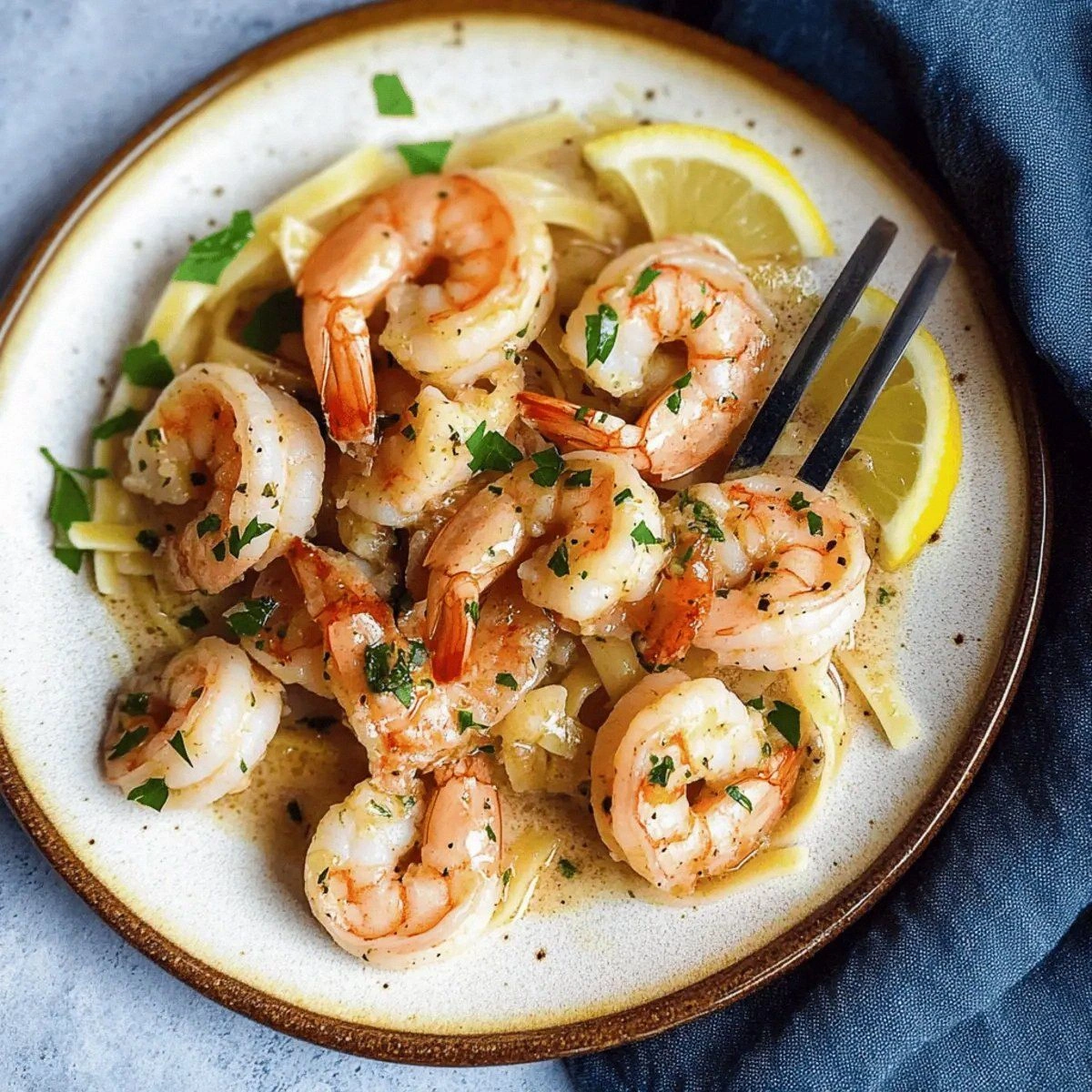
Top the finished steak with butter-poached shrimp and a sprinkle of lemon zest. The sweet crustaceans play beautifully with caramelized onion sweetness. Sounds bougie, but it’s a 10-minute add-on that feels vacation-worthy.
Breakfast-for-Dinner Remix
Shape leftover mashed potatoes into patties, pan-fry in butter until golden, and slide a fried egg on top of sliced steak. Break the yolk and let it mingle with onion jam—suddenly brunch crashed dinner and nobody’s complaining.
Vegetarian “Steak” Swap
Use thick slabs of cauliflower brushed with miso butter. Roast at 475°F until deeply caramelized, then treat them to the onion topper and potato pillow. Carnivores have been known to convert, at least for one night.
Storing and Bringing It Back to Life
Fridge Storage
Store leftover steak and onions in separate airtight containers; the onion jam keeps five days, steak up to four. Potatoes survive three days but may stiffen. Position steak in the coldest zone (back bottom shelf) to stave off dryness. Pro tip: slice before refrigerating; reheating individual pieces is quicker and avoids overcooking.
Freezer Friendly
Freeze steak slices in a single layer on parchment, then transfer to a zip bag with the air sucked out—prevents clumping. Caramelized onions freeze beautifully in ice-cube trays; pop a cube out to jazz up future burgers. Potatoes get grainy when frozen unless you fold in extra fat (think cream cheese), so consume those fresh if possible.
Best Reheating Method
Resist the microwave—steam is the enemy of crust. Instead, heat a skillet to medium, add a smidge of beef broth, lay steak slices in, and cover for 90 seconds. The gentle steam warms while the hot pan resurrects crust. For mash, stir in warm cream over low heat until it loosens and sighs. Your leftovers will taste dangerously close to round one.