Okay, picture this: it’s a rainy Thursday night, the kind where you stare at the window and wonder if the universe is conspiring against your dinner plans. I had promised my roommate I’d whip up something “quick, impressive, and not a disaster,” and after a half‑hour of searching the pantry for inspiration, I ended up with a pan that looked like it had survived a war zone. The salmon was still in its vacuum‑sealed package, the basil was wilting a bit, and the tomatoes were just begging to be rescued from the crisper. I was about to give up and order pizza when a sudden flash of brilliance hit me – what if I turned those sad‑looking ingredients into a dish that could make a grown‑up weep with joy?
I dared myself to create a sauce that would hug the salmon like a silky green blanket, and a tomato salad that would pop with brightness like fireworks on the Fourth of July. The kitchen filled with the sizzle of the salmon hitting a hot pan, a sound that promised crispy skin and a buttery interior. The aroma of garlic and toasted pine nuts rose, mingling with the fresh, herbaceous perfume of basil, while the tomatoes released a sweet, vinegary tang that made my nostrils dance. I could feel the heat of the pan, the cool weight of the fish, and the slick slickness of the oil as I whisked everything together – it was a full‑body sensory experience that felt almost cinematic.
Most recipes I’ve seen either drown the salmon in a watery sauce or treat the basil as an afterthought. I was determined to flip that script. I tossed in a handful of pine nuts for a buttery crunch, added a splash of lemon juice to cut through the richness, and gave the tomatoes a quick vinaigrette that kept their snap intact. The result? A dish that sings with layers of flavor, textures that contrast yet complement, and a presentation that looks like it belongs on a Michelin menu. I’ll be honest — I ate half the batch before anyone else got a chance to try it, and I’m still not over it.
Let me walk you through every single step — by the end, you’ll wonder how you ever made it any other way. Ready for the game‑changer? This next part? Pure magic.
What Makes This Version Stand Out
- Flavor Explosion: The basil‑pine nut sauce packs a punch that’s bright, nutty, and herbaceous, coating each bite of salmon like velvet.
- Texture Harmony: Crispy skin, flaky interior, and a crunchy sauce create a mouthfeel that keeps you reaching for more.
- Simplicity Meets Sophistication: Only ten ingredients, yet the technique makes it feel restaurant‑grade.
- Unexpected Star: The tomato salad adds acidity and sweetness that balance the richness of the fish and sauce.
- Crowd‑Pleaser: Even the most skeptical eaters admit it’s “the best salmon they’ve ever had at home.”
- Ingredient Quality: Fresh basil and high‑quality salmon are the heroes; no fancy gadgets needed.
- Cooking Method: Pan‑sear then finish in the oven guarantees perfect doneness every time.
- Make‑Ahead Potential: The sauce can be pre‑blended and stored, shaving minutes off busy weeknights.
Inside the Ingredient List
The Flavor Base
Fresh basil is the heart of this dish. Its sweet, peppery notes lift the entire plate, turning a simple fish into a garden‑fresh masterpiece. If you skimp on the basil, the sauce turns bland and loses its signature green glow. When selecting basil, look for deep‑green leaves without brown spots; they’ll yield a brighter flavor. A good swap if basil is out of season? Try a mix of parsley and mint for a different, yet still vibrant, profile.
The Texture Crew
Pine nuts bring a buttery crunch that makes the sauce cling to the salmon like a luxurious coat. They also add a subtle earthiness that balances the lemon’s acidity. If you’re allergic or on a budget, toasted walnuts or almonds work just as well. The Parmesan cheese adds umami depth; without it, the sauce would feel a bit flat. Grated fresh is best – it melts into the sauce, creating a silkier texture.
The Unexpected Star
Cherry tomatoes may seem like a side note, but their burst of sweet‑tart flavor is the secret weapon that cuts through the richness of the fish and sauce. Halve them just before tossing so they retain a bit of bite. If you prefer a more robust salad, add a handful of sliced red onion or a pinch of smoked paprika. The red wine vinegar and a pinch of sugar create a quick vinaigrette that brightens the tomatoes without overwhelming them.
The Final Flourish
A squeeze of fresh lemon juice in the basil sauce lifts everything, preventing the sauce from feeling heavy. The lemon’s acidity also mirrors the vinaigrette’s brightness, tying the two components together. Salt and pepper are the silent partners; they enhance every flavor without stealing the show. And finally, a drizzle of extra‑virgin olive oil over the finished plate adds a glossy finish that looks as good as it tastes.
Everything's prepped? Good. Let's get into the real action…
The Method — Step by Step
- Prep the salmon. Pat the fillets dry with paper towels, then season each side generously with salt and freshly ground black pepper. I dare you to taste the seasoning before it hits the pan – you’ll feel the anticipation building. Let the fillets sit at room temperature for ten minutes; this helps them cook evenly. Meanwhile, preheat your oven to 400°F (200°C) so it’s ready for the finish.
- Sear the skin. Heat 2 tablespoons of olive oil in a heavy skillet over medium‑high heat until it shimmers. Place the salmon skin‑side down, pressing gently for the first 30 seconds to ensure full contact. You’ll hear a satisfying sizzle – that’s the sound of flavor being locked in. Cook without moving for 4‑5 minutes, or until the skin turns deep golden and releases easily from the pan.
- Finish in the oven. Transfer the skillet (or move the fillets to a baking sheet) and pop it into the preheated oven. Bake for 6‑8 minutes, depending on thickness, until the flesh flakes with a fork but still glistens. A quick tip: use an instant‑read thermometer – 125°F (52°C) is perfect for medium‑rare, 130°F (54°C) for medium. Remember, the fish will continue to cook slightly after you pull it out.
- Blend the basil sauce. While the salmon rests, dump the basil leaves, pine nuts, minced garlic, Parmesan, lemon juice, and ½ cup extra‑virgin olive oil into a food processor. Pulse until you achieve a smooth, glossy emulsion that clings to the back of a spoon. The sauce should be bright green and fragrant – if it smells like a garden, you’ve nailed it. If it’s too thick, add a splash more olive oil; if too thin, a pinch more Parmesan will thicken it.
- Prepare the tomato salad. In a bowl, combine halved cherry tomatoes, 1 tablespoon red wine vinegar, 1 teaspoon sugar, a drizzle of olive oil, and a pinch of salt and pepper. Toss gently so the tomatoes stay intact but get coated in a sweet‑tangy glaze. Let the salad sit for five minutes; this short maceration awakens the tomatoes’ juices and deepens the flavor.
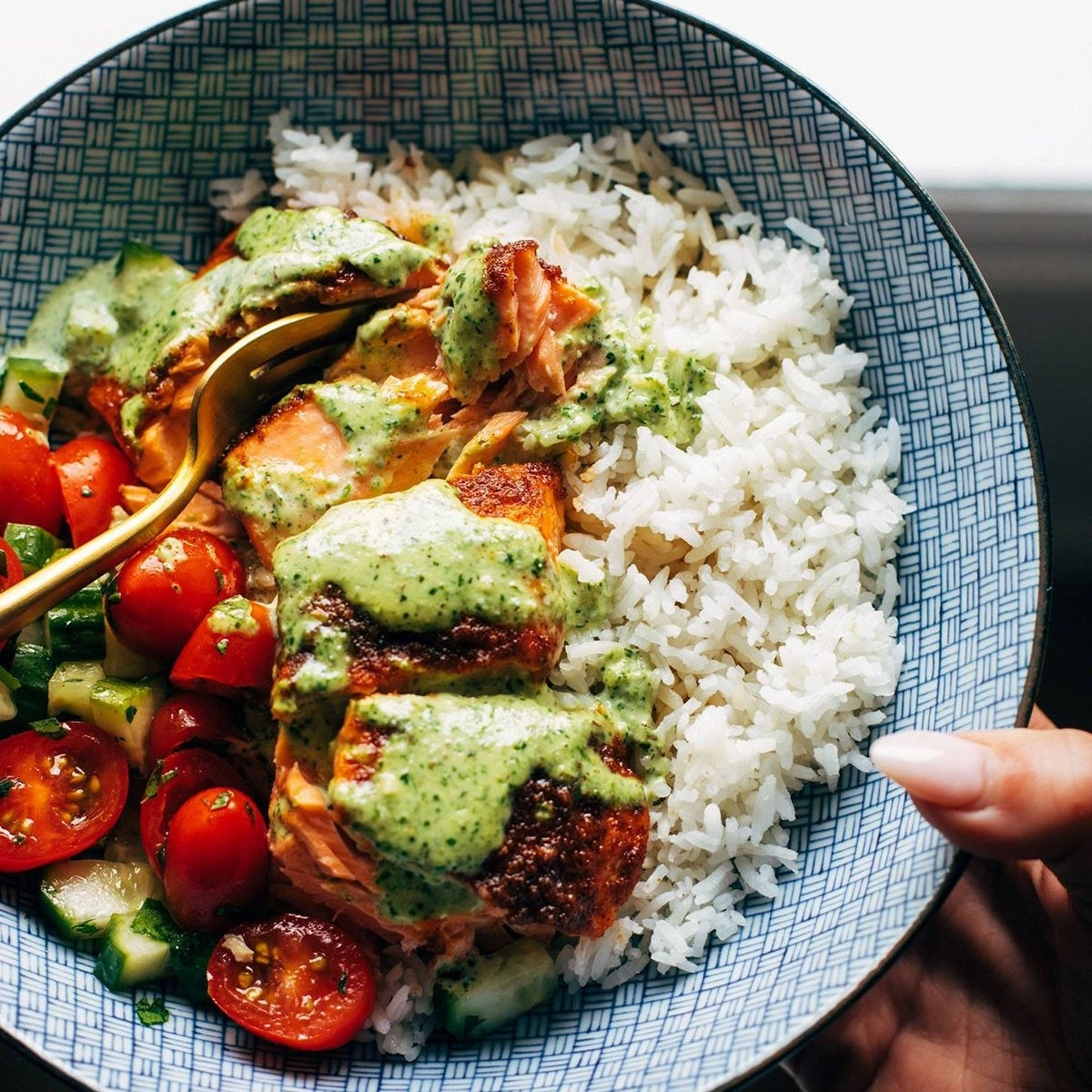
- Plate like a pro. Lay each salmon fillet on a warm plate, skin side up to keep it crisp. Spoon a generous pool of basil sauce over the top, letting it cascade down the sides. Arrange a mound of tomato salad beside the fish, and finish with a few fresh basil leaves for color. The visual contrast of green sauce, ruby tomatoes, and pink salmon is almost too beautiful to eat – but you will.
- Rest and serve. Allow the plated salmon to rest for two minutes; this lets the juices redistribute and the sauce settle. While you wait, take a moment to inhale the aromatic blend of lemon, basil, and roasted garlic – it’s a preview of the flavor explosion to come. Then, dig in and enjoy every bite. That sizzle when it hits the pan? Absolute perfection.
That's it — you did it. But hold on, I've got a few more tricks that'll take this to another level…
Insider Tricks for Flawless Results
The Temperature Rule Nobody Follows
Never cook salmon straight from the fridge. Let it sit at room temperature for at least ten minutes; this tiny adjustment evens out the internal temperature, preventing the outer layers from overcooking while the centre stays raw. I once tried to save time by tossing a frozen fillet straight into the pan – the result was a rubbery nightmare that even the sauce couldn't rescue. The rule of thumb: the thicker the fillet, the longer the rest.
Why Your Nose Knows Best
Your sense of smell is a better indicator of doneness than a timer. As the salmon sears, listen for that subtle shift from a sharp sizzle to a softer, almost buttery hiss. When the basil sauce is blended, pause and inhale – you should catch notes of fresh grass and a hint of toasted nuts. If the aroma feels flat, the sauce needs more lemon or a pinch more salt. Trusting your nose saves you from blandness and overcooking alike.
The 5‑Minute Rest That Changes Everything
After the oven finishes, let the salmon rest uncovered for exactly five minutes. This short rest allows the muscle fibers to relax, sealing in moisture and letting the sauce thicken slightly as it cools. Skipping this step leads to a dry bite and a sauce that slides off the fish. I once served a salmon straight from the oven; the diners complained it was “dry” despite the sauce – lesson learned.
Seasoning Layers for Depth
Season the salmon twice – once before searing and again lightly after it comes out of the oven. The first layer creates a crust, while the second lifts any flavors that may have dulled during cooking. A dash of smoked paprika after baking adds a subtle smokiness that pairs beautifully with the basil’s freshness. This double‑seasoning technique is a secret I use on everything from steak to tofu.
The Secret of Fresh Basil
Basil wilts quickly once it’s cut, so always add it at the very end of the sauce blending. If you blend it too early, the heat from the processor can brown the leaves, turning the sauce bitter. I once blended basil with hot oil and got a green‑ish disaster that tasted like burnt leaves. Keep the basil chilled until you’re ready to blend, and the sauce stays vibrant and aromatic.
Creative Twists and Variations
This recipe is a playground. Here are some of my favorite ways to switch things up:
Avocado‑Lime Twist
Swap half the olive oil in the basil sauce for ripe avocado and add a splash of lime juice. The result is a creamier, tangier sauce that pairs wonderfully with the salmon’s richness. It’s perfect for warm summer evenings when you crave something light yet indulgent.
Walnut‑Pesto Variation
Replace pine nuts with toasted walnuts and use a touch of sage instead of basil for an earthier, autumnal vibe. The walnut‑sage pesto gives the dish a deeper, almost nutty backbone that makes it feel cozy without being heavy.
Spicy Sriracha Kick
Stir a teaspoon of sriracha into the basil sauce and sprinkle a pinch of red pepper flakes over the tomato salad. This adds a subtle heat that awakens the palate and makes the dish perfect for those who love a little fire. Just remember: a little goes a long way.
Citrus‑Herb Fusion
Add zest of orange and a handful of fresh mint to the basil sauce. The citrus‑mint combo brightens the entire plate, turning it into a refreshing, palate‑cleansing experience that’s ideal for brunch or a light dinner.
Grilled Salmon Upgrade
Instead of pan‑searing, grill the salmon over medium‑high heat for those coveted grill marks. The smoky char adds depth, and the basil sauce serves as a cooling counterpoint. Just watch the skin – it can stick to the grill if not oiled properly.
Storing and Bringing It Back to Life
Fridge Storage
Place cooked salmon in an airtight container, sauce in a separate jar, and tomatoes in a shallow dish with a drizzle of oil. They keep fresh for up to three days. When reheating, add a splash of water to the sauce and gently warm over low heat to revive its silky texture.
Freezer Friendly
Freeze the salmon fillets (unseasoned) on a parchment sheet, then transfer to a zip‑top bag. The basil sauce freezes beautifully in ice‑cube trays; pop a cube or two into the pan when reheating. Tomato salad is best enjoyed fresh, but you can freeze the vinaigrette separately for up to two months.
Best Reheating Method
To reheat, preheat a skillet over medium‑low, add a teaspoon of butter, and cover the salmon with a lid for two minutes. This steams the fish gently, keeping it moist. Finish with a fresh drizzle of the basil sauce and a quick toss of the tomato salad – the dish will taste almost as vibrant as the first day.