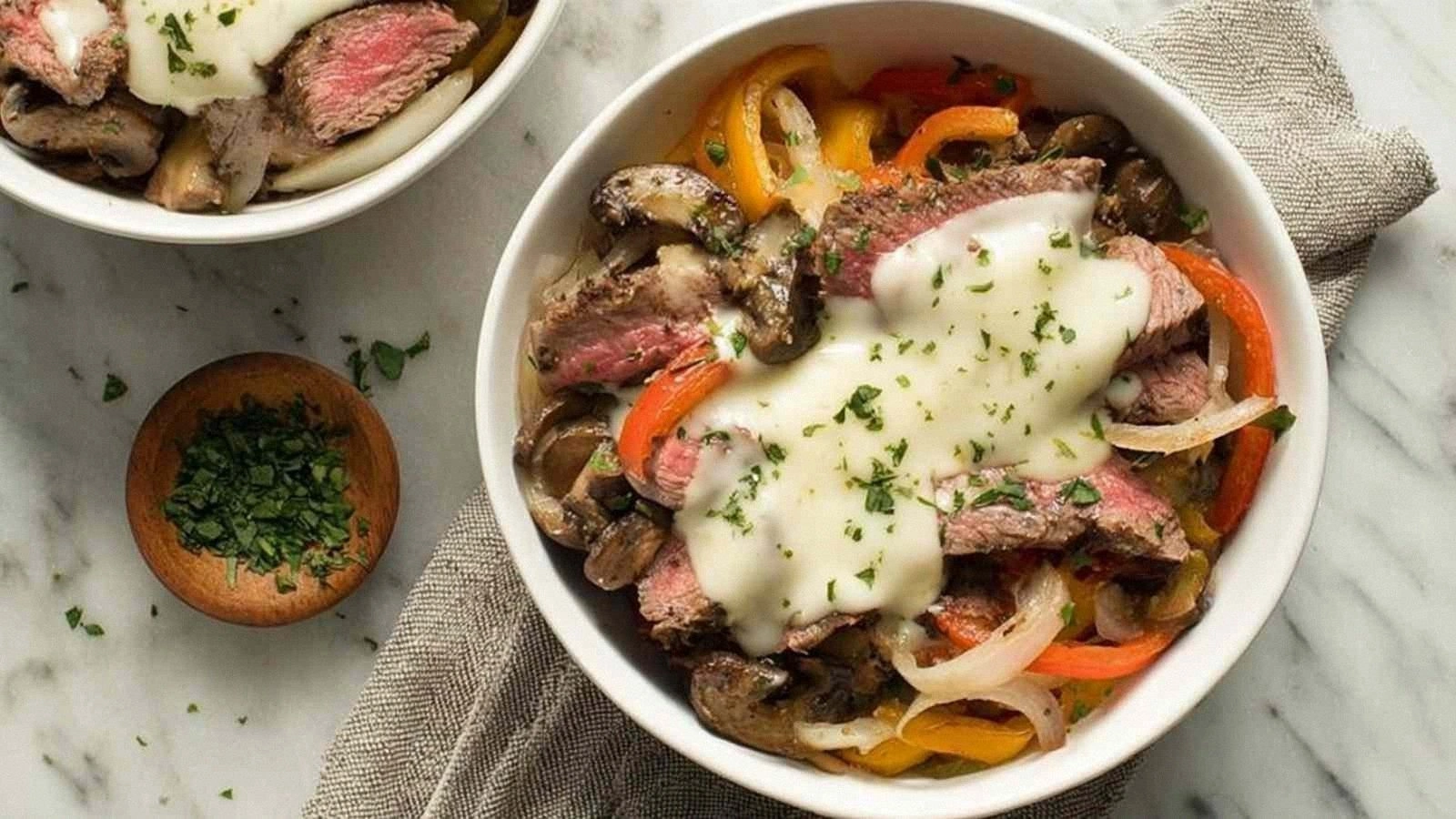
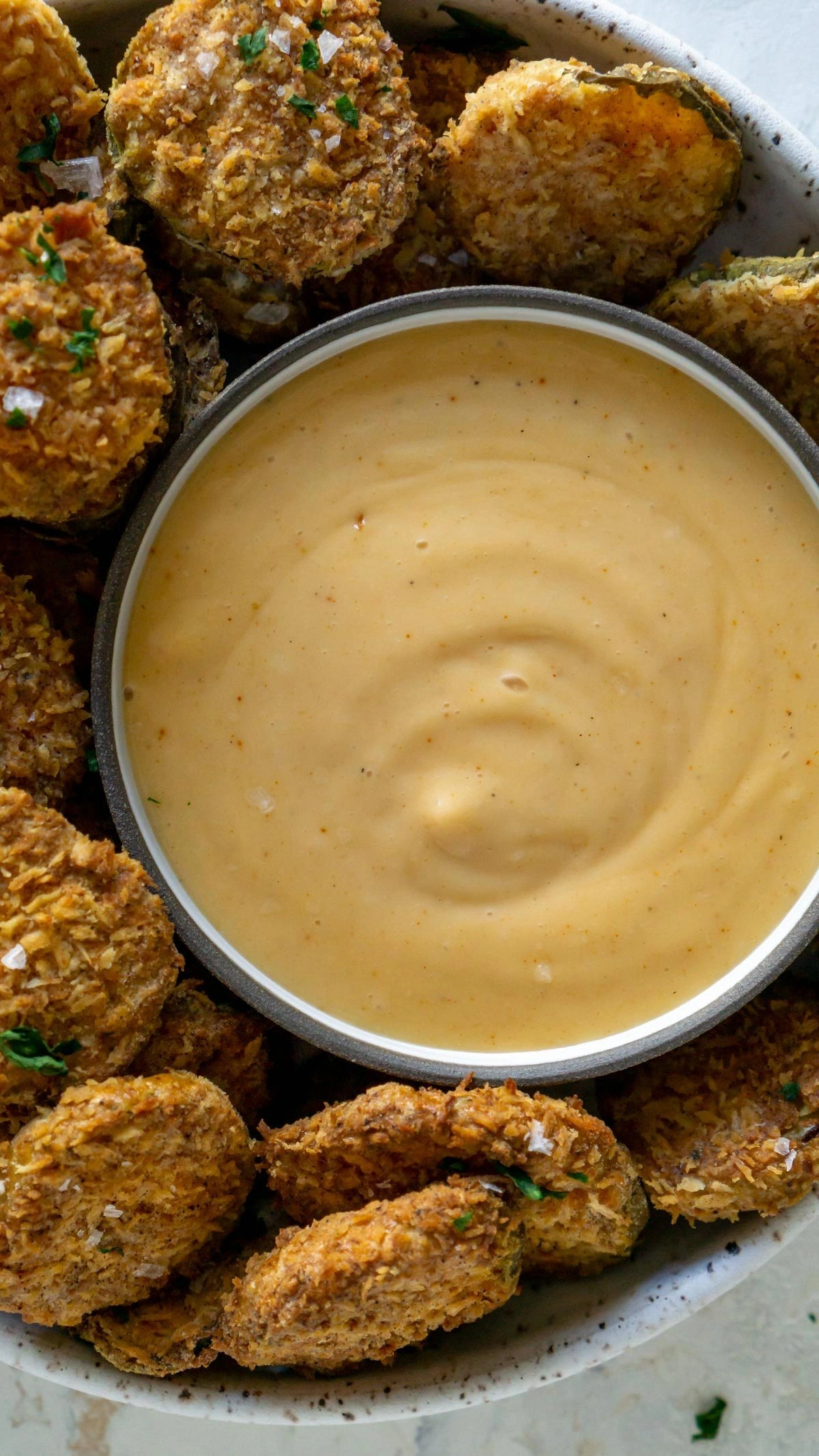
I still remember the night I almost ruined my entire dinner plan. I had promised my roommate that I’d whip up something that would make her taste buds do a happy dance, and I chose the bold, brassy flavors of Korean ssamjang. Instead of a simple pasta, I thought, why not give it a Korean twist? The kitchen was a mess, the stove was blazing, and I was sweating like a tofu in a hot pan. But as soon as the first sizzling sound hit my ears, I knew something magical was about to happen.
Picture this: a pot of boiling spaghetti, the aroma of garlic and butter swirling in the air, the savory umami of ssamjang cutting through the richness of cream. The sound of the pork belly searing, the crackle of the edges turning golden, the visual of green onions popping like confetti on a plate—every sense is engaged. I could almost taste the velvety sauce coating each noodle, the smoky char of pork, the bright zing of kimchi. If you’ve ever struggled to combine Asian and Italian flavors, you’re not alone, and I’ve got the fix.
What makes this version stand out? It’s not just about throwing ingredients together; it’s about respecting each component’s personality. The ssamjang gives a punch of fermented depth, the cream softens the heat, and the pork belly adds that satisfying, melt-in-your-mouth texture that makes you want to keep eating. This is hands down the best version you’ll ever make at home because it balances boldness and comfort, and every bite feels like a passport stamp to Seoul, right on your plate. I dare you to taste this and not go back for seconds. And trust me, when the first spoonful hits your tongue, you’ll know you’ve discovered a new favorite.
And that’s just the beginning. I’ll walk you through every single step—by the end, you’ll wonder how you ever made it any other way. From the first stir of butter to the final drizzle of Parmesan, each motion is designed to elevate the dish. Let’s dive in and turn a simple pasta into a culinary adventure that will have everyone asking for the recipe.
What Makes This Version Stand Out
- Bold Flavor Profile: The combination of ssamjang, cream, and pork belly creates a layered taste that is both spicy and savory, with a creamy finish that balances the heat.
- Texture Contrast: The crispy edges of pork belly juxtapose the silky sauce and al dente spaghetti, giving each bite a satisfying crunch and smoothness.
- Authentic Korean Touch: Using real ssamjang and kimchi brings genuine Korean street‑food vibes to a classic Italian staple.
- Quick & Simple: Despite its complex flavors, the recipe takes under an hour, making it a perfect weeknight dinner.
- Crowd‑Pleaser: The dish’s vibrant colors and bold flavors make it a hit at gatherings, and the optional soft‑boiled egg adds a comforting element.
- Ingredient Quality: Fresh pork belly and high‑quality ssamjang are essential; they’re the backbone of the dish’s depth.
- Make‑Ahead Potential: The sauce can be prepared ahead of time and reheated without losing its lusciousness.
Alright, let’s break down exactly what goes into this masterpiece…
Inside the Ingredient List
The Flavor Base
Ssamjang is the star of this dish—a fermented soybean paste mixed with chili paste, garlic, and sesame oil. Its umami punch and subtle sweetness are the foundation of the sauce’s depth. If you can’t find ssamjang, substitute with a blend of gochujang and doenjang, but be prepared for a slightly different balance. A pinch of salt will enhance its flavors, but remember to taste as you go.
The Creamy Texture Crew
The ¾ cup of cream brings a silky mouthfeel that tempers the sharpness of ssamjang. It also creates a luscious coating that clings to every strand of spaghetti, turning a simple pasta into a velvety experience. If dairy isn’t an option, try coconut milk or a plant‑based cream; the texture will stay similar, but the flavor will shift subtly.
The Unexpected Star
Pork belly, with its layers of fat and meat, adds a rich, savory element that pairs beautifully with Korean spices. The key is to cook it until the fat renders and the skin crisps, giving the dish a satisfying crunch that contrasts the cream. If pork isn’t on your menu, thinly sliced beef or even tofu can substitute, though the texture will differ.
The Final Flourish
A splash of Parmesan cheese, green onions, and a soft‑boiled egg bring the dish together. The cheese adds a nutty finish, the green onions provide a fresh, sharp bite, and the egg’s yolk creates a luxurious sauce when it breaks. Kimchi, added at the end, introduces a tangy crunch that elevates the entire plate. Each of these components plays a pivotal role, and skipping any one will noticeably alter the dish’s harmony.
Everything’s prepped? Good. Let’s get into the real action…
The Method — Step by Step
- Bring a large pot of salted water to a rolling boil. Add the spaghetti and cook until al dente, about 8 minutes. Reserve a cup of pasta water before draining; its starch will help bind the sauce. The moment the noodles hit the water, you’ll hear a satisfying hiss, signaling that the pasta is ready to absorb all those flavors.
- While the pasta cooks, heat a large skillet over medium‑high heat. Add the pork belly slabs and season with a pinch of salt. Cook until the fat renders and the skin crisps, about 5–7 minutes per side. The pork should crackle like thin ice breaking under pressure—an audible cue that it’s ready.
- Add butter to the skillet with the pork, letting it melt into a glossy sauce. Stir in minced garlic and sauté until fragrant, about 30 seconds. The aroma should be buttery and garlicky, a prelude to the sauce’s richness.
- Reduce the heat to low and stir in the ssamjang. The sauce will darken slightly, releasing its fermented aroma. Cook for 2 minutes, letting the flavors meld. This step is the moment of truth; watch the color deepen and the scent intensify.
- Pour in the cream and stir until the sauce is smooth. Add the reserved pasta water a splash at a time, adjusting the thickness. The sauce should coat the back of a spoon without being too runny. This is where the creamy texture meets the spicy backbone.
- Toss the drained spaghetti into the skillet, coating each strand in the sauce. Sprinkle in the Parmesan cheese, black pepper, and red pepper flakes. Mix until everything is evenly distributed; the cheese should melt into a glossy sheen. The noodles should look glossy, each piece a jewel of flavor.
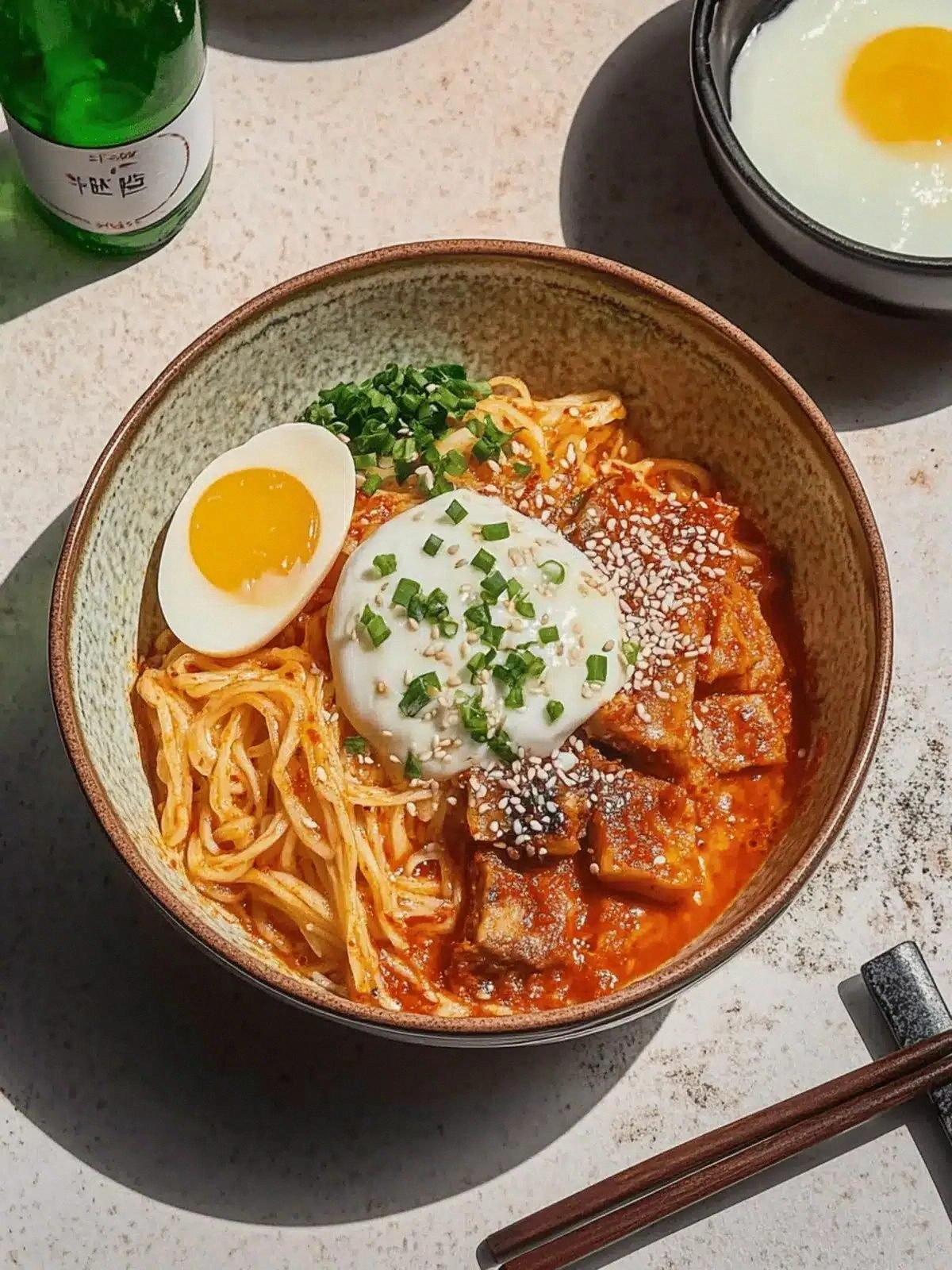
- Plate the pasta, top with sliced pork belly, a soft‑boiled egg halved, green onions, and a handful of kimchi. The colors should pop—golden pork, creamy pasta, bright green onions, and the deep red of kimchi. This final assembly is a visual feast that invites you to dig in.
- Serve immediately, letting the steam mingle with the aroma of sizzling pork and fermented sauce. The first bite should be a burst of umami, followed by creamy richness, then a subtle heat that lingers. Enjoy the symphony of textures and flavors.
That’s it—you did it. But hold on, I’ve got a few more tricks that will take this to another level.
Insider Tricks for Flawless Results
The Temperature Rule Nobody Follows
Keep the skillet at a steady medium heat when adding the pork belly. A too‑hot pan will burn the exterior before the interior cooks, resulting in uneven flavor. If you notice the oil smoking, lower the heat and let the pork finish slowly; this preserves the delicate balance between crispness and tenderness.
Why Your Nose Knows Best
Before you add the cream, pause and sniff the sauce. A slightly sweet, nutty aroma indicates the ssamjang has mellowed; if it still smells sharp, give it another minute to soften. Your nose is the ultimate judge of readiness.
The 5‑Minute Rest That Changes Everything
After tossing the pasta, let the dish sit covered for 5 minutes. This resting period allows the noodles to absorb the sauce fully, ensuring each bite is uniformly creamy. It’s a small step that makes a big difference.
The Parmesan Trick
Use freshly grated Parmesan instead of pre‑shredded. Fresh cheese melts more smoothly and imparts a brighter flavor. If you’re short on time, a small amount of grated cheddar can substitute, but the taste will be noticeably different.
The Egg Finale
When you add the soft‑boiled egg, do so just before serving. The heat of the pasta will gently warm the yolk, creating a rich, silky sauce that coats the noodles. If you let the egg sit too long, it will firm up and lose its lusciousness.
Creative Twists and Variations
This recipe is a playground. Here are some of my favorite ways to switch things up:
Veggie‑Rich Version
Add sautéed mushrooms, spinach, or bell peppers to the sauce. The veggies bring earthy tones and additional nutrients, making the dish lighter yet still flavorful. They also absorb the sauce beautifully, creating a colorful plate.
Spicy Sriracha Boost
Stir in a tablespoon of sriracha for an extra kick. The heat will complement the ssamjang, giving the sauce a deeper, more complex spiciness. It’s perfect for those who love a fiery bite.
Pesto Fusion
Swap Parmesan with a spoonful of basil pesto. This introduces a fresh, herbal note that balances the richness. The pesto’s olive oil will also help the sauce cling to the pasta.
Seafood Surprise
Replace pork belly with shrimp or scallops. The seafood’s delicate flavor pairs wonderfully with the creamy, spicy sauce. Just be careful not to overcook the seafood; it should be tender and pink.
Low‑Carb Swap
Use shirataki noodles or zucchini noodles instead of spaghetti. This keeps the dish low in carbs while still delivering the same satisfying texture and flavor profile.
Dessert‑Inspired Twist
Add a drizzle of honey and a sprinkle of toasted sesame seeds after serving. The sweetness contrasts the spicy sauce, creating an unexpected but delightful finish. It’s a playful nod to Korean dessert flavors.
Storing and Bringing It Back to Life
Fridge Storage
Store leftovers in an airtight container for up to 2 days. The sauce may thicken slightly, but adding a splash of reserved pasta water when reheating will restore its silky consistency. Keep the pork belly on top to maintain its crispness.
Freezer Friendly
Freeze in portioned containers for up to 3 months. Thaw overnight in the fridge before reheating. Reheat gently on the stovetop, stirring frequently to prevent separation.
Best Reheating Method
Reheat on low heat, adding a tiny splash of water or milk to loosen the sauce. Stir until the pasta is heated through and the sauce is glossy. Avoid high heat, which can cause the cream to curdle.