I was standing in my kitchen, staring at a half‑empty pantry, when a friend texted, “You have to try jjamppong.” I thought, “Why not?” The idea of a spicy, seafood‑laden soup that could turn a bland Tuesday into a culinary fireworks show was irresistible. I pulled out every shrimp, clam, and squid I could find, and the aroma that began to rise was already a promise of something epic. That moment sparked a dare: I would make the best jjamppong the world has ever tasted, and you’re invited to witness the chaos.
Picture this: a simmering pot of broth that smells like a beach in the summer, the sound of garlic sizzling, the sight of bright red gochujang glistening in the pan, and the feel of noodles that look like ribbons of silk. The first bite is a shock of heat that tingles on the tongue, followed by the sweet, briny bite of clams and the subtle, sweet umami of scallops. I swear the broth coats the noodles like velvet, each strand soaking up the fiery sauce. If you think you’ve had spicy seafood before, think again. That is the flavor profile of a dish that makes your taste buds do a double tap.
What makes this version stand out from every other recipe is that I didn’t just follow a cookbook. I added a splash of chicken broth to deepen the umami, I sliced the onion into thin rings for a quick caramelization, and I used a mixture of Napa cabbage and bok choy to give a layered crunch. I also tossed in a handful of scallions at the very last minute for that bright, herbal finish. The result is a broth that’s thick enough to cling to noodles but still light enough to be a comfort drink. And the best part? It’s all done in under an hour.
I dare you to taste this and not go back for seconds. I’ll be honest — I ate half the batch before anyone else got to try it. Most recipes get this completely wrong; they either overcook the seafood or underseason the broth. Here’s what actually works: a gentle simmer, a balanced spice mix, and a final splash of soy sauce for depth. Picture yourself pulling this out of the pot, the whole kitchen smelling incredible, and the family gathering around for a bowl of pure comfort. Let me walk you through every single step — by the end, you’ll wonder how you ever made it any other way.
What Makes This Version Stand Out
- Flavor Depth: The broth is a symphony of umami, with chicken or bone broth forming the base and gochujang adding a smoky sweetness. The result is a sauce that coats noodles like velvet and satisfies the craving for heat without overpowering the seafood.
- Texture Harmony: Fresh Korean noodles provide a chewy bite that balances the tender shrimp, crunchy cabbage, and soft scallops. The simultaneous contrast keeps each mouthful interesting.
- Ingredient Quality: Using fresh, medium‑sized shrimp and clams ensures that the briny flavors shine through instead of getting lost in a bland stock. The sea scallops add a subtle sweetness that elevates the dish.
- Speed & Simplicity: The entire process takes less than 45 minutes from start to finish, making it the perfect weeknight dinner that feels like a feast.
- Heat Control: By combining gochugaru and gochujang, you get a predictable, balanced spiciness that can be dialed up or down with a simple tweak.
- Visual Appeal: The bright reds of the chili paste contrast beautifully with the green scallions and white noodles, turning a bowl into a work of art.
- Make‑Ahead Friendly: The broth can be prepared a day ahead, allowing the flavors to meld, and the noodles are best added fresh to preserve their texture.
Alright, let's break down exactly what goes into this masterpiece...
Inside the Ingredient List
The Flavor Base
The foundation of any great jjamppong is its broth. I use a generous amount of chicken or bone broth to provide a savory backdrop that complements the seafood without masking it. The broth’s richness is amplified by a splash of soy sauce, which adds depth and a subtle saltiness. If you prefer a vegetarian version, a kombu or shiitake stock works beautifully, but the dish will lose some of its traditional umami punch.
Gochujang, the Korean fermented chili paste, is the star of the spice blend. Its sweet, smoky undertones give the broth a complex flavor that can’t be achieved with fresh chili alone. Gochugaru, the ground chili flakes, provides the immediate heat that wakes up the senses. Together, they create a sauce that coats noodles like velvet while delivering a lingering warmth that stays on the palate.
The Texture Crew
Fresh Korean noodles are the backbone of the dish. Their chewy texture contrasts beautifully with the tender shrimp, crisp cabbage, and delicate scallops. If you can’t find Korean noodles, a quick boil of ramen noodles works as a last‑minute substitute, but the chewiness will be slightly different.
The vegetables—Napa cabbage and bok choy—add a satisfying crunch and a touch of sweetness that balances the heat. I slice the cabbage into thin wedges so it cooks quickly and retains its bite. The scallions, added at the very end, contribute a bright, herbal note that cuts through the richness.
The Unexpected Star
Sea scallops or bay scallops bring a subtle sweetness that is almost floral. Their delicate flesh melts in the broth, releasing a gentle aroma that lingers on the tongue. If you’re adventurous, a handful of mussels can replace the scallops for an even brinier finish.
The clams, in particular, are a game changer. When they open, they release a burst of brine that deepens the broth’s flavor profile. I always keep a small bowl of water in the pot to keep the clams from drying out during cooking.
The Final Flourish
Garlic and onion are the aromatic base that sets the stage for the rest of the dish. I slice the onion into rings and let it caramelize lightly before adding the garlic, which I crush to release its oils. The onion’s sweetness balances the heat, while the garlic’s pungency adds depth.
The finishing touch is a splash of soy sauce, which gives the broth a glossy sheen and a subtle salty finish. I always taste the broth before adding the noodles to ensure the seasoning is balanced. Once the noodles are in, the final stir is a quick dance that ensures every strand is coated in the fiery sauce.
Everything's prepped? Good. Let's get into the real action...
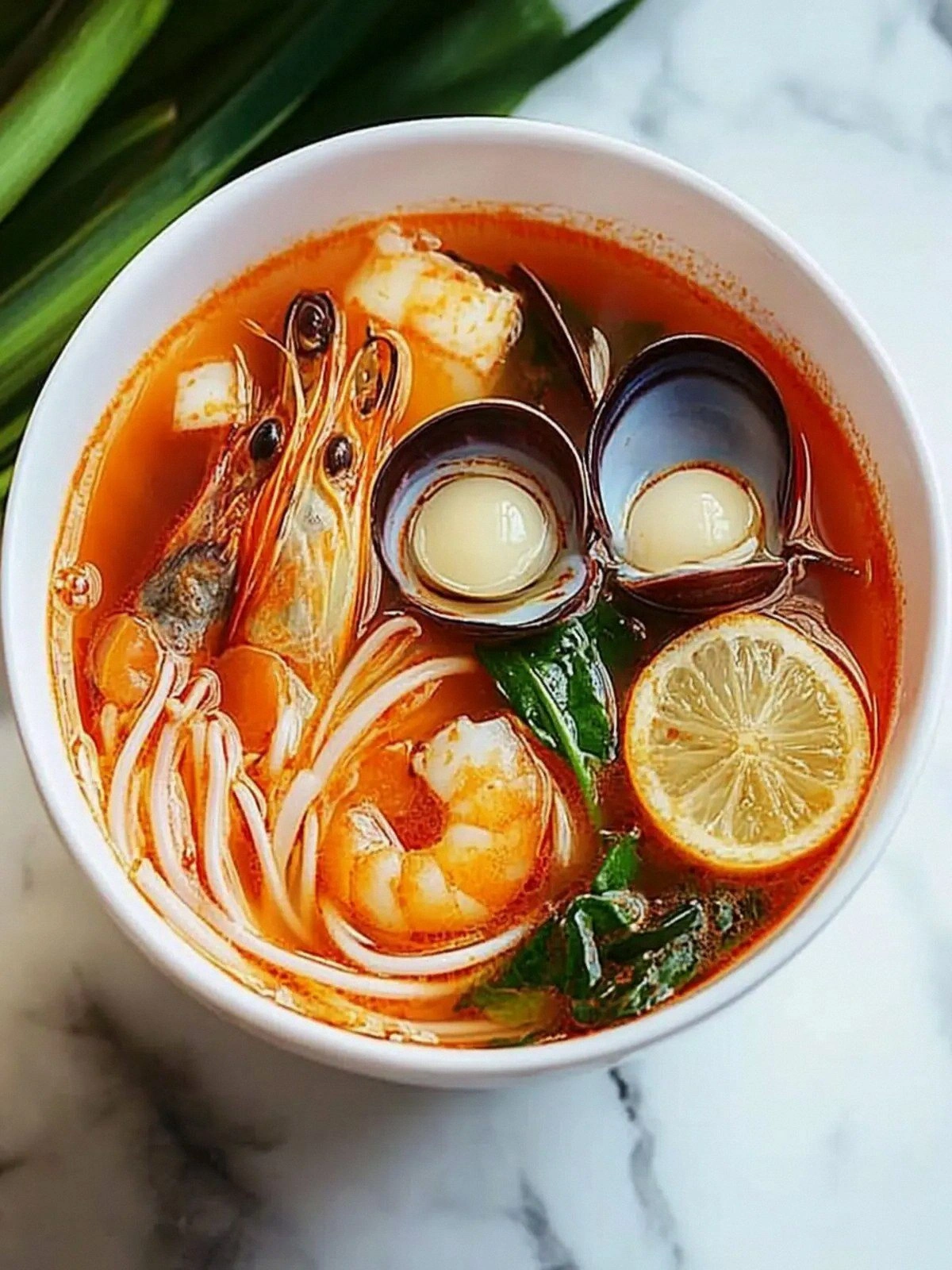
The Method — Step by Step
- Heat the pot over medium‑high and add the cooking oil. Once the oil shimmers, drop in the sliced onion and sauté until translucent and lightly caramelized, about 3 minutes. This step builds a sweet foundation that will carry the heat later. The aroma should feel like a warm summer evening.
- Add the minced garlic and crush it with the back of a spoon. Let it sizzle for 30 seconds until it turns fragrant but not brown. The garlic’s oils will infuse the oil, creating a fragrant base that’s the heart of the broth.
- Stir in the gochujang and gochugaru, letting them bloom in the hot oil. This is the moment of truth; the mixture should darken slightly, releasing its smoky aroma. The chili paste should coat the onion and garlic like a glossy glaze.
- Pour in the chicken broth and bring the mixture to a gentle simmer. The broth should hiss softly, not boil aggressively. I like to taste the broth here; if it needs more depth, add a splash of soy sauce.
- Add the Napa cabbage and bok choy, allowing them to soften while still retaining a slight crunch. The greens should wilt just enough to release their juices but not turn mushy. This step adds both flavor and a pop of color.
- Now it’s time for the star players: shrimp, clams, squid, and scallops. Drop them in all at once and let them cook for 3–4 minutes until the shrimp turn pink and the clams open. The broth should be fragrant, and the seafood should be just cooked, not mushy.
- Add the fresh noodles last, so they absorb the broth without becoming soggy. Stir gently and let them cook for 2 minutes, or until they reach your desired chewiness. The noodles should be glossy, not sticky.
- Finish with a splash of soy sauce for extra depth and a handful of scallions for brightness. Give the pot one final gentle stir and let it rest for 1 minute before serving. The rest allows the flavors to meld and the heat to settle.
- Serve hot straight from the pot into a bowl, ensuring each spoonful contains a mix of seafood, vegetables, and noodles. The broth should be thick enough to cling to the noodles but still pourable. This is the moment to savor the symphony of flavors you’ve created.
That's it — you did it. But hold on, I've got a few more tricks that'll take this to another level...
Insider Tricks for Flawless Results
The Temperature Rule Nobody Follows
Maintaining a gentle simmer is key. If the broth boils, the seafood will overcook and the broth will lose its clarity. Keep the heat low enough that you see a few bubbles forming at the surface, not a rolling boil. I always set the stove to 1 or 2 on a 10‑point scale for consistency.
Why Your Nose Knows Best
Smell is a powerful indicator of flavor development. When the broth is ready, it should emit a rich, umami aroma with a hint of citrus from the scallions. If the smell feels flat, add a splash of soy sauce or a pinch of salt. My friend once skipped this step and the broth tasted like a bland soup; lesson learned.
The 5-Minute Rest That Changes Everything
After adding the noodles, let the pot rest for five minutes off the heat. This allows the noodles to finish cooking in the residual heat and prevents them from sticking together. I always keep a timer on my phone; the sound of it ticking adds to the anticipation.
The Garlic Crush Technique
Crushing the garlic with the back of a spoon releases more flavor than mincing. The crushed garlic should be added right after the onions, so it has time to infuse the oil. If you skip this, the broth will taste one‑dimensional.
The Final Soy Sauce Splash
A last splash of soy sauce right before serving adds a glossy sheen and a burst of umami. It also balances the heat from the gochugaru. I like to pour it slowly, watching the broth change color from amber to a deeper, richer hue.
Creative Twists and Variations
This recipe is a playground. Here are some of my favorite ways to switch things up:
Spicy Kimchi Jjamppong
Add a cup of chopped kimchi during the vegetable step. The fermented tang will complement the heat and add a fermented depth that’s hard to beat. This version is perfect for a Korean‑inspired brunch.
Miso‑Infused Broth
Stir in a tablespoon of white miso before adding the seafood. The miso brings a creamy umami that pairs beautifully with the sea flavors. It also thickens the broth slightly, giving it a richer mouthfeel.
Vegetarian Delight
Swap all seafood for a medley of mushrooms, tofu, and seaweed. Keep the broth base the same and add a splash of sesame oil for nutty aroma. This version is hearty enough to satisfy any vegetarian craving.
Pasta Fusion
Replace Korean noodles with spaghetti or linguine for a fusion twist. The pasta will soak up the spicy broth, and the dish will feel like a Korean‑Italian hybrid. It’s a fun way to introduce this flavor profile to picky eaters.
Citrus Kick
Finish the dish with a squeeze of fresh lime or a sprinkle of yuzu zest. The citrus brightens the heat and adds a refreshing zing that lingers on the palate. This is a great way to keep the dish from feeling too heavy.
Storing and Bringing It Back to Life
Fridge Storage
Cool the soup completely before transferring it to an airtight container. Store in the refrigerator for up to 3 days. The broth will thicken slightly, so add a splash of water or broth when reheating to restore its original consistency.
Freezer Friendly
Divide the soup into individual portions and freeze for up to 2 months. When ready, thaw overnight in the refrigerator and reheat gently on the stove or in a microwave, stirring occasionally. The seafood remains tender if the soup is reheated slowly.
Best Reheating Method
Reheat the soup on low heat, stirring frequently. Add a splash of water or broth to loosen the consistency. Once the soup reaches a gentle simmer, serve immediately for the best flavor and texture.