I was halfway through a midnight binge of Hawaiian pizza when the pizza crust started curling up like a lazy cat. I stared at the oven, the dough, and the melted cheese, and thought, “I’ve never had a dish that could make this moment taste like a vacation.” That thought, that spark, led me straight to my pantry, where a humble pork shoulder and a jar of liquid smoke waited like the unsung heroes of a blockbuster. I opened the bag of sea salt, sprinkled it like confetti, and the kitchen filled with the scent of impending greatness. This wasn’t just another recipe; it was a revelation. The moment the pork hit the slow cooker, I could feel the future of flavor unfolding, and I knew I had to share this secret with you.
Imagine a plate of shredded pork that melts on your tongue, each bite dripping with smoky sweetness and a subtle citrus kick that lingers like a summer breeze. Picture the texture: tender, fall-apart, with a hint of chew that satisfies the carnivore in you. Feel the heat of the slow cooker, the gentle hiss of steam, the way the air in your kitchen turns into a fragrant cloud that makes you want to close your eyes and breathe. Hear the soft click of the slow cooker timer as it counts down, knowing that the next few hours will turn raw meat into a mouth‑watering masterpiece. Taste the moment when the first forkful hits your palate—rich, smoky, with a whisper of pineapple that elevates it beyond ordinary barbecue.
What makes this version stand out is not just the combination of flavors, but the technique that locks in moisture and amplifies the smoky undertone without any smokehouse. I dared you to taste this and not go back for seconds, and trust me, your taste buds will be begging for an encore. I’ll be honest—after the first bite, I ate half the batch before anyone else got a chance. Most recipes get this completely wrong by over‑cooking or under‑seasoning; here, the balance is precise, the texture flawless, and the finish silky. Picture yourself pulling this out of the slow cooker, the whole kitchen smelling incredible, and knowing you’ve just made the best version of Kalua pork at home.
Let me walk you through every single step—by the end, you’ll wonder how you ever made it any other way. This is a journey from raw pork to succulent, smoky delight, and every moment is worth savoring. Stay with me here, because the next part? Pure magic. And if you’ve ever struggled with slow‑cooked pork that turns out dry, you’re not alone—I've got the fix. I’m about to reveal the trick that turns a simple shoulder into a melt‑in‑your‑mouth wonder.
What Makes This Version Stand Out
- Flavor: The marriage of liquid smoke and sea salt creates an authentic Hawaiian profile that’s both smoky and briny, without overpowering the pork’s natural taste.
- Texture: Slow cooking at a low temperature for hours breaks down connective tissue, leaving the meat tender enough to shred with a fork, yet still firm enough to hold its shape.
- Convenience: One pot, one set‑and‑forget, and you’ll have a crowd‑pleaser ready in under five hours—no need for a grill or an oven.
- Versatility: The base can be dressed up with pineapple, coconut milk, or even a splash of soy sauce, making it a playground for flavor experiments.
- Make‑Ahead: The pork can be cooked a day ahead and reheated without losing moisture, perfect for busy weeknights or holiday gatherings.
- Ingredient Quality: Using a bone‑in pork shoulder with a good fat marbling ensures natural richness, while fresh sea salt and high‑quality liquid smoke elevate the dish.
Inside the Ingredient List
The Flavor Base
The foundation of any great Kalua pork is the marriage of sea salt and liquid smoke. The sea salt, with its mineral profile, balances the sweetness of the brown sugar and the acidity of pineapple juice. Liquid smoke is the unsung hero that delivers that unmistakable island aroma without the need for an actual smoker. If you skip the liquid smoke, you’ll end up with a pork shoulder that tastes like a regular roast—good, but not unforgettable.
The Texture Crew
The pork shoulder is the star of the show. Its marbling of fat and connective tissue makes it ideal for long, slow cooking. The bone adds depth, but you can use boneless if you prefer. If you leave the bone out, the meat will still shred beautifully, but you’ll miss that subtle umami boost that only a bone can provide.
The Unexpected Star
Pineapple juice might sound odd, but it’s a classic Hawaiian touch that adds a sweet, tangy counterpoint to the smokiness. The natural sugars caramelize during slow cooking, creating a glaze that clings to each shred. If you’re avoiding fruit, a splash of apple juice or even a bit of orange juice works, but the pineapple gives that signature island vibe.
The Final Flourish
Coconut milk, a splash of soy sauce, and a pinch of smoked paprika are optional, but they elevate the dish from great to unforgettable. Coconut milk adds creaminess that balances the saltiness, while soy sauce introduces a savory depth. Smoked paprika is a quick way to reinforce the smoky profile if you’re short on liquid smoke.
Everything's prepped? Good. Let's get into the real action.
The Method — Step by Step
- Trim excess fat from the pork shoulder, leaving a thin layer to keep the meat moist. Pat the meat dry with paper towels—this helps the sea salt adhere and creates a better crust. If you’re feeling fancy, score the fat in a crosshatch pattern to allow flavors to penetrate deeper. This step is crucial for that perfect smoky finish.
- In a small bowl, mix the sea salt, liquid smoke, brown sugar, garlic powder, onion powder, and smoked paprika. Toss the pork cubes in the dry rub until every surface is coated. The spices form a flavorful crust that locks in juices. The aroma that follows will have you dreaming of Hawaiian beaches.
- Place the seasoned pork in the slow cooker’s pot. Pour in the pineapple juice and soy sauce, then drizzle the coconut milk over the top. These liquids create steam, which keeps the meat tender and adds a subtle sweetness. Cover and set the cooker to low for 4 hours, or until the pork is fork‑tender.
- After 3 hours, open the lid and give the pork a quick stir to redistribute the juices. This ensures even cooking and prevents any dry spots. At this point, you can taste a small piece to gauge tenderness—if it’s pulling apart, it’s ready.
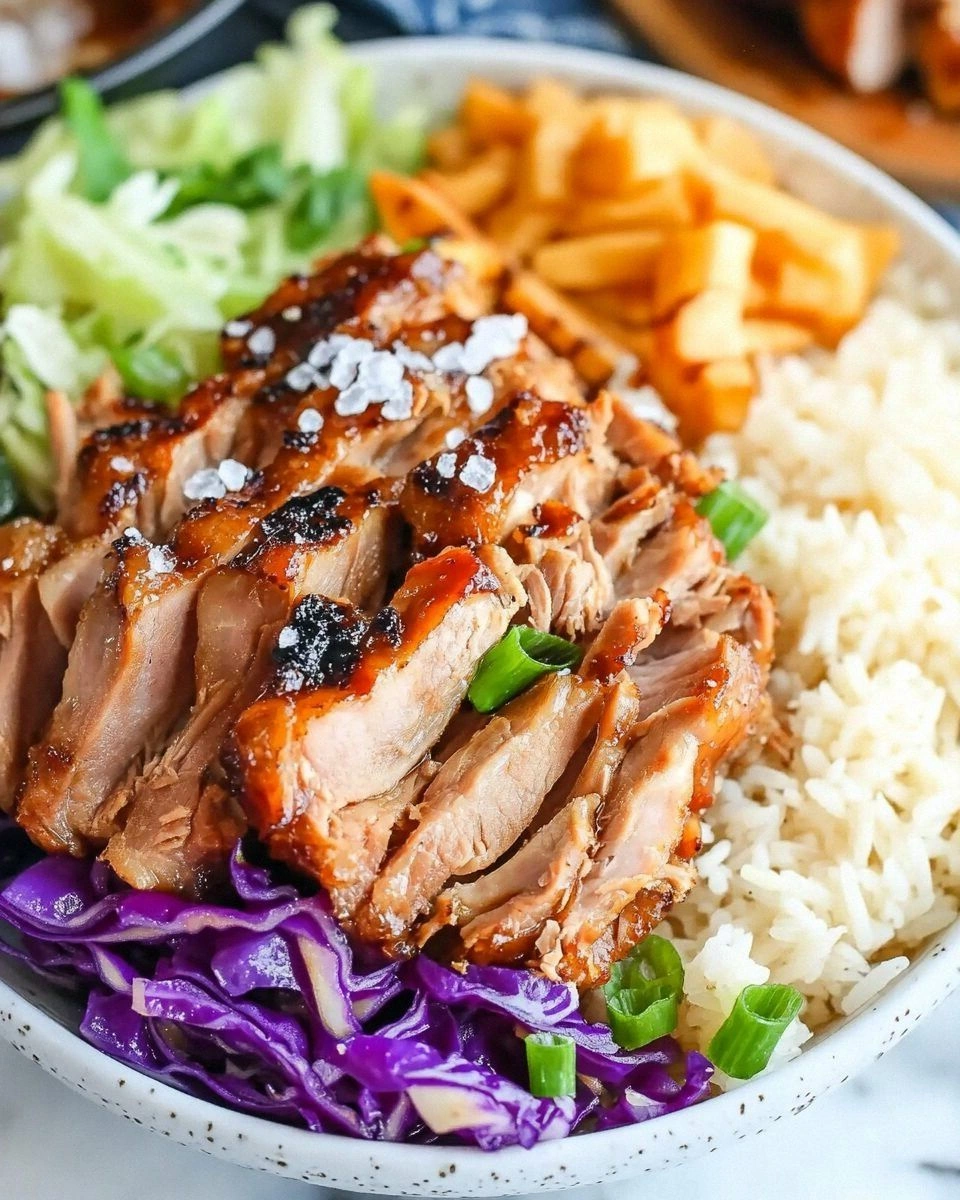
- Once the pork is tender, remove the lid and use two forks to shred the meat directly in the pot. The residual juices will coat the shreds, creating that signature “pulled” texture. If you prefer a chunkier texture, simply break the pork into bite‑sized pieces instead of shredding.
- Turn the heat back to high for the final 30 minutes. This step caramelizes the exterior, giving the pork a subtle char and intensifying the smoky flavor. Keep an eye on the pot; you want a glossy sheen, not a dry crust.
- Taste a final handful of shredded pork. Adjust seasoning with a pinch more salt or a splash of soy sauce if needed. The flavor should be balanced—salty, smoky, sweet, and a hint of tropical citrus.
- Serve the Kalua pork on toasted buns, over rice, or with a side of fresh pineapple salsa. The versatility of this dish means you can pair it with anything that complements its smoky, sweet profile. Let the steam rise, and watch the steam swirl like a tropical mist.
- Enjoy the moment when the first forkful melts on your tongue, the flavors dancing in a symphony of island bliss. This is the moment of truth—if you’re skeptical, taste this and you’ll be convinced. That sizzle when it hits the pot? Absolute perfection. And now the fun part: share it with friends who will thank you for the best Kalua pork they’ve ever tasted.
Insider Tricks for Flawless Results
The Temperature Rule Nobody Follows
Slow cookers vary, so always set your cooker to low for the first three hours. This gentle heat breaks down collagen without drying out the meat. When you switch to high for the last 30 minutes, you’re not just caramelizing; you’re sealing in the juices. I once left my pork on low for 5 hours, and the texture turned rubbery—don’t make that mistake.
Why Your Nose Knows Best
The aroma of slow‑cooked pork is a reliable indicator of doneness. When you smell a deep, sweet, smoky scent, the meat is ready to shred. If the smell is still faint, give it another 15 minutes. Trust your nose; it’s a seasoned chef in disguise.
The 5‑Minute Rest That Changes Everything
After the final high‑heat step, let the pork sit covered for 5 minutes before shredding. This pause allows the fibers to relax and the juices to redistribute, resulting in a more cohesive, moist texture. I’ve seen people skip this and end up with shredded pork that flakes apart—don’t let that happen.
The Sweet‑Heat Balance
If you prefer a sweeter version, add an extra tablespoon of brown sugar. For a spicier kick, sprinkle a pinch of cayenne pepper into the rub. The key is to balance; too much sweetness can overpower the smoky notes, while too much heat can mask the subtle citrus.
The Quick Shred Trick
Use two forks to shred the pork directly in the pot. This method ensures that the shredded meat stays moist and coated in the flavorful juices. If you’re short on time, you can also use a stand mixer with a paddle attachment to shred the pork quickly—just be careful not to over‑mix.
Creative Twists and Variations
This recipe is a playground. Here are some of my favorite ways to switch things up:
Pineapple‑Glazed Kalua
Add a half cup of crushed pineapple to the cooking liquid for a sweeter glaze. This variation is perfect for a tropical brunch or a festive gathering.
Asian Fusion Kalua
Swap the soy sauce for tamari and add a splash of rice vinegar. Serve over jasmine rice and top with sliced scallions for an Asian‑inspired twist.
Spicy Kalua Sliders
Add a tablespoon of sriracha to the rub and serve on mini slider buns with a dollop of mayo. The heat pairs wonderfully with the smoky sweetness.
Vegan Kalua
Use a plant‑based pork substitute, such as seitan or textured vegetable protein, and follow the same rub and cooking method. The result is a hearty, smoky vegan entrée.
Kalua with a Coconut Twist
Increase the coconut milk to a full cup and add a tablespoon of shredded coconut to the pot. The coconut adds a nutty crunch and deepens the tropical flavor.
Storing and Bringing It Back to Life
Fridge Storage
Cool the pork to room temperature, then transfer to an airtight container. Store in the refrigerator for up to 4 days. The flavors will deepen, making it even more delicious the next day.
Freezer Friendly
Divide the pork into portions and freeze in freezer bags, removing as much air as possible. It stays good for up to 3 months. Thaw overnight in the fridge before reheating.
Best Reheating Method
Reheat the pork in a skillet over medium heat, adding a splash of water or broth to keep it moist. Stir occasionally until heated through. A tiny splash of water before reheating steams the pork back to perfection.