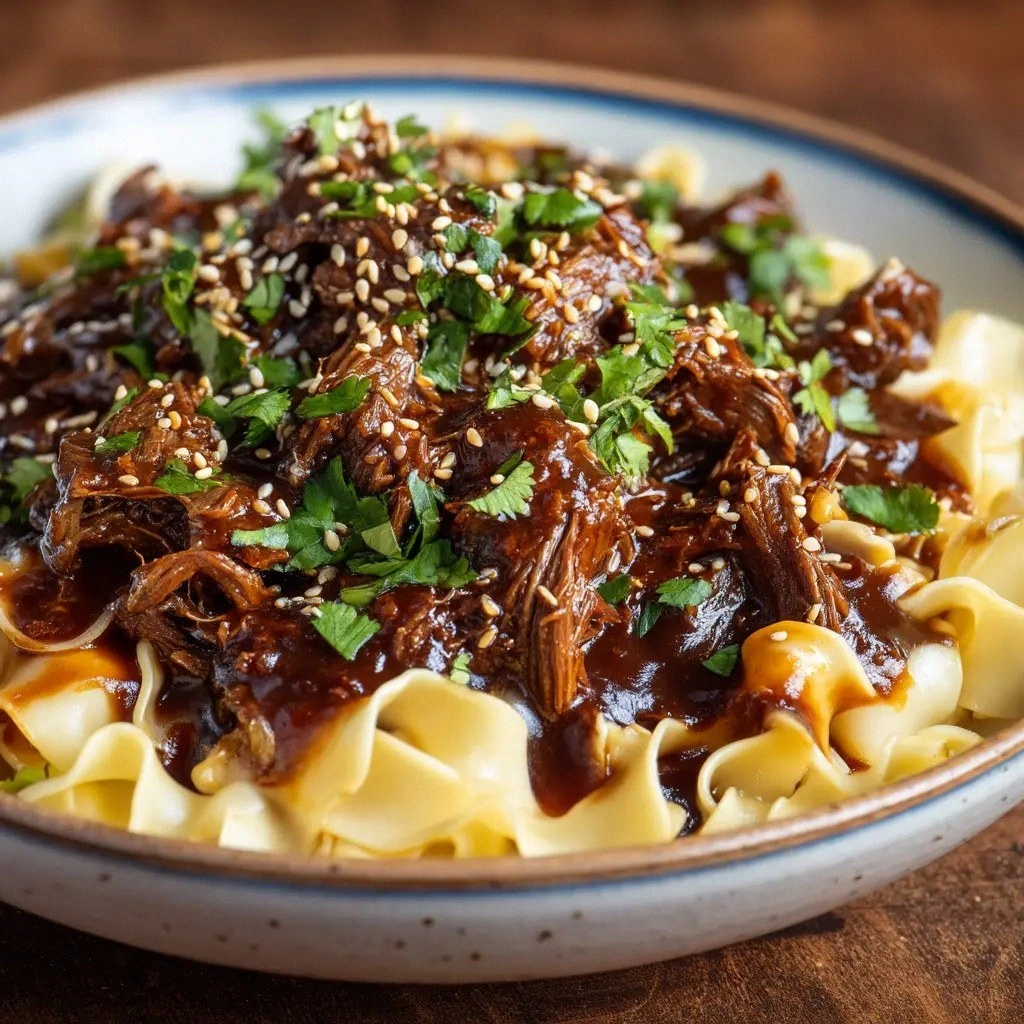
It started with a kitchen catastrophe that I still laugh about—my attempt at a quick stir‑fry turned into a sticky mess because the sauce had thickened too fast and clung to the pan like a bad rash. I was left staring at a wall of burnt garlic and a pot of ruined noodles, wondering if I should have just ordered takeout. That night, a friend dared me to recreate the dish I’d seen on a late‑night food channel, but with a twist that would make my taste buds dance and my pantry proud. I didn’t just want a recipe; I wanted a story, a challenge, and a dish that would become the centerpiece of every dinner table I visited. I’ve spent the last week perfecting this slow‑cooker Korean beef noodle, and the result is a silky, savory, slightly sweet sauce that coats the udon like velvet, while the beef melts into tender shards that shatter like thin ice when you bite into them.
Picture this: a sizzling skillet, the aroma of toasted sesame oil mingling with the sharp scent of fresh ginger and the sweet, caramelized whisper of brown sugar. The sound of garlic sizzle is the soundtrack of anticipation, and the sight of a thick, glossy sauce bubbling in the slow cooker promises comfort and excitement in equal measure. Each spoonful delivers a burst of umami, a whisper of heat from the gochujang, and a gentle sweetness that lingers on the palate. I’ve tried countless versions of Korean beef noodles, but none have captured the balance of flavors and textures like this one. The secret? A slow‑cooked chuck roast that’s browned to perfection, a sauce that thickens without clumping, and udon noodles added at the last minute to preserve their chewy integrity.
What sets this version apart from the rest is that it’s not just a recipe—it’s a culinary ritual that invites you to experiment, to tweak, and to savor. I’ll walk you through every single step, from searing the beef to the final garnish, and by the end, you’ll wonder how you ever made it any other way. I dare you to taste this and not go back for seconds, because once you’re in the zone, the flavor will keep you coming back for more.
Now, let’s dive into the heart of this dish. The combination of low‑sodium soy sauce, toasted sesame oil, and gochujang creates a sauce that’s both robust and refined. The beef chuck roast, cut into generous cubes, absorbs the flavors and becomes melt‑in‑your‑mouth tender after hours of slow cooking. The udon noodles add a satisfying chew that contrasts with the silky sauce, while toasted sesame seeds and green onions provide a final pop of crunch and freshness. This isn’t just a meal; it’s an experience that will elevate any night into a Korean feast.
What Makes This Version Stand Out
- Taste: The sauce balances sweet, salty, and spicy notes with precision, thanks to the combination of soy sauce, brown sugar, and gochujang. It coats each noodle and beef cube, leaving no bite dry or bland.
- Texture: Slow‑cooking the chuck roast until it practically falls apart creates a melt‑in‑your‑mouth experience that pairs beautifully with the chewy udon. The sauce is thick enough to cling yet silky enough to glide.
- Ease: No need for a wok or a stovetop simmer. Everything happens in the slow cooker, so you can set it and forget it while the flavors mingle.
- Versatility: Swap udon for ramen or soba, use sirloin instead of chuck, or add extra veggies like carrots and bell peppers without compromising the core flavor.
- Crowd‑Pleaser: This dish is a guaranteed hit at potlucks, family dinners, or a quick weeknight meal. The bold flavors and comforting textures make it universally appealing.
- Ingredient Quality: Using high‑quality, low‑sodium soy sauce and fresh ginger ensures the dish doesn’t become too salty or artificial.
- Make‑Ahead: The entire dish can be made ahead and reheated without losing its integrity, making it ideal for meal prep or entertaining.
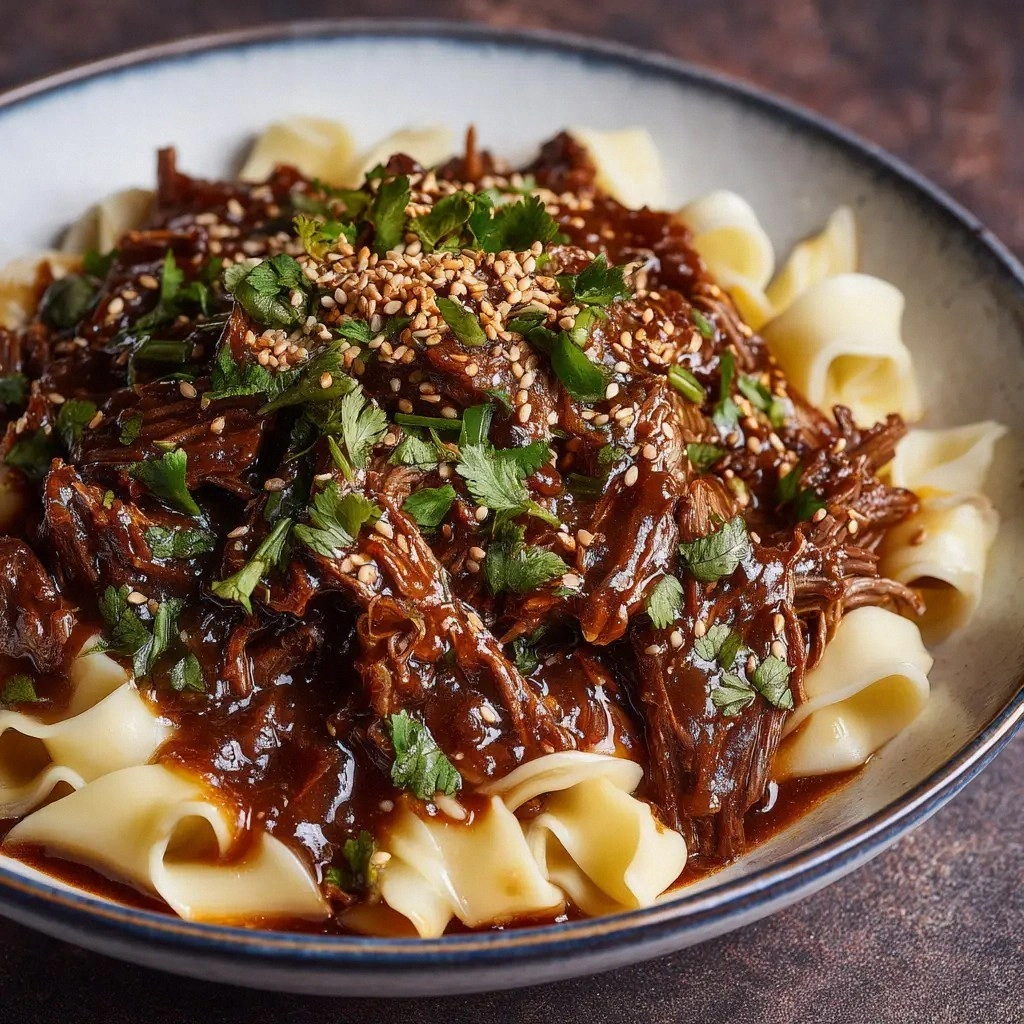
- Presentation: The glossy sauce, bright green onions, and toasted sesame seeds create a dish that looks as good as it tastes.
Alright, let's break down exactly what goes into this masterpiece…
Inside the Ingredient List
The Flavor Base
Low‑sodium soy sauce is the backbone of this dish, providing a salty, umami foundation that balances the sweetness of the brown sugar and the heat of the gochujang. The toasted sesame oil adds a nutty aroma that elevates the sauce, while the beef broth gives it body without overpowering the other flavors. Together, these liquids create a sauce that is both rich and layered.
The Texture Crew
3 lbs boneless beef chuck roast, cut into 1‑inch cubes, is the star of the show. Its marbling and connective tissue break down over slow cooking, resulting in a melt‑in‑your‑mouth tenderness that is impossible to replicate with leaner cuts. If you prefer a leaner version, swap for sirloin, but be prepared for a slightly firmer bite.
The Unexpected Star
Gochujang, the Korean chili paste, brings a depth of heat and fermented flavor that can’t be mimicked by any other spice. Its umami profile complements the soy sauce and brown sugar, creating a complex sauce that feels both comforting and adventurous. If you’re sensitive to heat, start with 1 tablespoon and add more later.
The Final Flourish
Toasted sesame seeds and sliced green onions add a crunch and a bright, fresh finish. The seeds give a subtle nuttiness, while the green onions provide a crisp, oniony bite that cuts through the richness. A squeeze of fresh lime juice at the end can brighten the dish further, but it’s optional.
Everything’s prepped? Good. Let’s get into the real action…
The Method — Step by Step
- Begin by patting the beef cubes dry with paper towels. This step ensures a good sear and prevents the meat from steaming in the pan. Heat a splash of vegetable oil in a heavy skillet over medium‑high heat. Once the oil shimmers, add the beef in a single layer, letting it brown on all sides. The sear adds depth and a subtle caramelization that the slow cooker alone can’t achieve.
- Transfer the browned beef to the slow cooker. In the same skillet, add a bit more oil if needed and sauté the minced garlic and grated ginger until fragrant, about 30 seconds. The aroma should be sweet and sharp, a promise of the flavors to come. Pour the garlic‑ginger mixture over the beef in the slow cooker.
- Add the low‑sodium soy sauce, beef broth, brown sugar, gochujang, and toasted sesame oil to the slow cooker. Stir everything together, making sure the sugar dissolves and the sauce coats the beef. The sauce should thicken slightly as it simmers, developing a glossy sheen. This is the stage where the magic begins.
- Cover the slow cooker and set it to low for 6 hours. The low heat allows the collagen in the beef to break down slowly, turning the meat into a silky, tender slab that shreds easily. If you’re in a hurry, you can set it to high for 3–4 hours, but the texture will be slightly less buttery.
- About 30 minutes before serving, bring a medium pot of salted water to a boil and cook the udon noodles according to the package instructions—usually 4–5 minutes for fresh noodles. Drain and rinse under cold water to stop the cooking process and keep the noodles from sticking. This ensures they remain chewy and don’t become mushy when combined with the sauce.
- Add the cooked noodles to the slow cooker, tossing them gently to coat with the sauce. The noodles will absorb some of the liquid, creating a harmonious blend of flavors. Let them sit for about 10 minutes so they can soak up the sauce without breaking apart.
- Finish the dish by sprinkling toasted sesame seeds and sliced green onions over the top. The seeds add a subtle crunch and nutty aroma, while the onions provide a bright, fresh contrast to the rich sauce. If you like a little extra zing, drizzle a teaspoon of toasted sesame oil or a splash of fresh lime juice before serving.
- Serve the noodles hot, spooning extra sauce over each bowl. Pair with a side of pickled cucumbers or a simple cucumber salad to cut through the richness. The dish is so flavorful that even a single spoonful can satisfy a hearty appetite.
- Enjoy the moment of pure culinary bliss. This dish is a testament to how slow cooking can transform humble ingredients into a feast that feels like a special occasion.
That’s it — you did it. But hold on, I’ve got a few more tricks that will take this to another level…
Insider Tricks for Flawless Results
The Temperature Rule Nobody Follows
Many people set their slow cooker to high and hope for the best. The truth is, low heat gives the beef a buttery texture that high heat can’t match. Keep the lid on and avoid opening it too often; each opening releases steam and extends the cooking time.
Why Your Nose Knows Best
As the sauce simmers, you’ll notice a sweet, caramelized aroma rising from the slow cooker. That’s the sugar dissolving and the flavors marrying. Trust that scent as a cue that the sauce is thickening and ready for the noodles.
The 5‑Minute Rest That Changes Everything
Once the beef is done, let it rest in the slow cooker for 5 minutes before adding the noodles. This brief pause allows the juices to redistribute, ensuring each bite is juicy and flavorful.
Keep the Noodles Chewy
Rinse the noodles under cold water immediately after draining. This stops the cooking process and locks in the chewy texture that’s essential for this dish.
Finishing Touches Matter
After adding the sesame seeds and green onions, give the dish a final gentle toss. This ensures even distribution and prevents clumping of the seeds.
Creative Twists and Variations
This recipe is a playground. Here are some of my favorite ways to switch things up:
Veggie‑Rich Version
Add sliced carrots, bell peppers, and snow peas to the slow cooker with the beef. The vegetables soak up the sauce, adding color and a subtle sweetness that complements the meat.
Spicy Extra
Increase the gochujang to 3 tablespoons or add a handful of sliced fresh chili peppers. The heat will intensify, making the dish perfect for those who love a fiery kick.
Low‑Carb Alternative
Swap udon noodles for shirataki noodles or zucchini noodles. The sauce still clings, and the dish becomes a lighter, keto‑friendly option.
Seafood Swap
Replace the beef with shrimp or scallops for a quick seafood twist. Cook the shrimp in the sauce for 5 minutes before adding the noodles.
Instant Pot Upgrade
Use an Instant Pot instead of a slow cooker. Sear the beef first, then pressure cook on high for 30 minutes, followed by a quick release. The result is a similar tenderness with a fraction of the time.
Garnish Variation
Top the dish with a fried egg or a dollop of Greek yogurt to add creaminess and protein. The yolk’s richness balances the savory sauce.
Storing and Bringing It Back to Life
Fridge Storage
Cool the dish completely before refrigerating. Store in an airtight container for up to 3 days. The noodles may soften slightly, so reheat gently to preserve texture.
Freezer Friendly
Pack the beef and sauce separately from the noodles in freezer‑safe bags. Freeze for up to 2 months. When ready, thaw overnight and reheat the sauce on the stovetop, then stir in fresh noodles.
Best Reheating Method
Reheat in a saucepan over low heat, adding a splash of water or broth to loosen the sauce. This prevents the noodles from drying out. A quick steam in the microwave can also work if you’re in a hurry.
Remember to add a tiny splash of water before reheating—it steams back to perfection and keeps the sauce silky.