I still remember the night I was about to host a brunch for a group of friends who swore they were “donut connoisseurs.” I had a handful of store‑bought glazed donuts that looked fine on the shelf but tasted like cardboard after a week in the pantry. I was about to give up on the idea of a dessert that would actually impress when the clock hit 11 a.m. I decided then to bake something from scratch, something that would have that soft, pillowy texture of a fresh donut but with a maple‑infused glaze that would make your tongue sing. That night, I discovered the soft baked maple donut bars, a recipe that has since become my go‑to for any gathering that needs a sweet, comforting, yet surprisingly sophisticated treat.
Picture this: the kitchen is humming with the gentle whir of the mixer, the air is thick with the aroma of butter melting into a glossy maple syrup, and the timer is set for 30 minutes. As the dough rises, a golden crust forms around the edges, while the center stays soft like a cloud. When you slice one out, the bars release a sweet steam that smells like a cozy cabin in the woods after a winter fire. The first bite is a burst of maple sweetness, balanced by a subtle buttery crunch, and then the texture melts into a buttery, slightly chewy consistency that feels like a hug in dessert form. You can taste the subtle caramelization of the maple, the gentle lift from the baking powder, and the faint whisper of vanilla that lingers on the palate.
What makes this version stand out is not just the flavor profile but the way each ingredient is treated to create an almost bakery‑style experience at home. The dough is a masterclass in balancing moisture and structure, the maple glaze is a silky coating that doesn’t overpower, and the baking technique ensures the bars stay tender without becoming soggy. I dare you to taste this and not go back for seconds, because once you experience the perfect harmony of sweet and buttery, the temptation to devour the entire batch is irresistible. This is hands down the best version you'll ever make at home, and I’ve kept my secret tweaks in this guide so you can replicate the same indulgent experience every time.
If you've ever struggled with donut bars that fall apart or taste like a cookie, you're not alone—my first attempt was a disaster that left me with a sticky, crumbly mess. The good news? I learned exactly how to avoid those pitfalls. The result? A batch that holds together, slices cleanly, and tastes like a freshly glazed donut from a street‑corner bakery. Picture yourself pulling this out of the oven, the whole kitchen smelling incredible, and watching your friends’ faces light up as they taste the first bite. That moment is pure magic, and by the end of this post, you'll have the confidence to create that same experience on any occasion. Let me walk you through every single step — by the end, you'll wonder how you ever made it any other way.
What Makes This Version Stand Out
- Texture: The bars achieve a soft, pillowy interior with a slightly crisp edge, mirroring the experience of a freshly glazed donut.
- Flavor: A deep, caramelized maple glaze coats the bars like velvet, enhancing the buttery dough without overpowering it.
- Simplicity: With only ten core ingredients, the recipe remains approachable for beginners while still delivering a sophisticated taste.
- Time Efficiency: The entire process takes under an hour, making it ideal for last‑minute gatherings or a quick weekend treat.
- Make‑ahead Friendly: The bars can be baked, cooled, and stored for up to a week, so you can prepare them ahead of a busy day.
- Ingredient Quality: Using high‑quality maple syrup and fresh butter transforms the bars into a premium experience.
- Visual Appeal: The golden glaze and soft rise create a bakery‑style look that impresses even the most discerning eye.
- Versatility: The base recipe can be customized with nuts, spices, or alternative sweeteners to suit any dietary preference.
Alright, let's break down exactly what goes into this masterpiece…
Inside the Ingredient List
The Flavor Base
The foundation of these bars starts with 2 cups of all‑purpose flour, which provides the structure that holds the dough together while still allowing it to stay tender. 1½ teaspoons of baking powder is the secret lift that gives the bars their airy rise, preventing them from becoming dense or heavy. ½ teaspoon of salt balances the sweetness, ensuring the maple glaze doesn’t taste cloying. If you skip the salt, the bars will come out too sweet and lose depth.
The Sweetness Factor
Maple syrup is the star of the show—1 cup of pure, grade‑A maple syrup brings a natural, caramelized sweetness that’s far superior to refined sugar. The maple also adds a subtle depth of flavor that pairs beautifully with butter. For a richer taste, you can use ¾ cup of maple syrup and ¼ cup of brown sugar, but be sure to adjust the liquid content accordingly. If you’re looking for a lower‑sugar version, half the maple and replace the other half with a natural sweetener like stevia or monk fruit, but keep an eye on the moisture level.
The Buttery Touch
Unsalted butter is the backbone of the dough’s richness—1 cup, softened, adds a buttery aroma and a silky mouthfeel. Butter also contributes to the golden crust that forms during baking. If you prefer a dairy‑free version, try using an equal amount of coconut oil, but note that the flavor profile will shift slightly toward a tropical note. Skipping butter will result in a drier, less flavorful product.
The Eggy Structure
Two large eggs bind the ingredients together, creating a cohesive dough that holds its shape. Eggs also add protein, which helps the bars set properly and prevents them from collapsing. If you’re vegan, you can replace each egg with ¼ cup of unsweetened applesauce or a flaxseed egg, but the bars will be less firm. A single egg will produce a softer texture, while two eggs provide the ideal structure.
Everything's prepped? Good. Let's get into the real action…
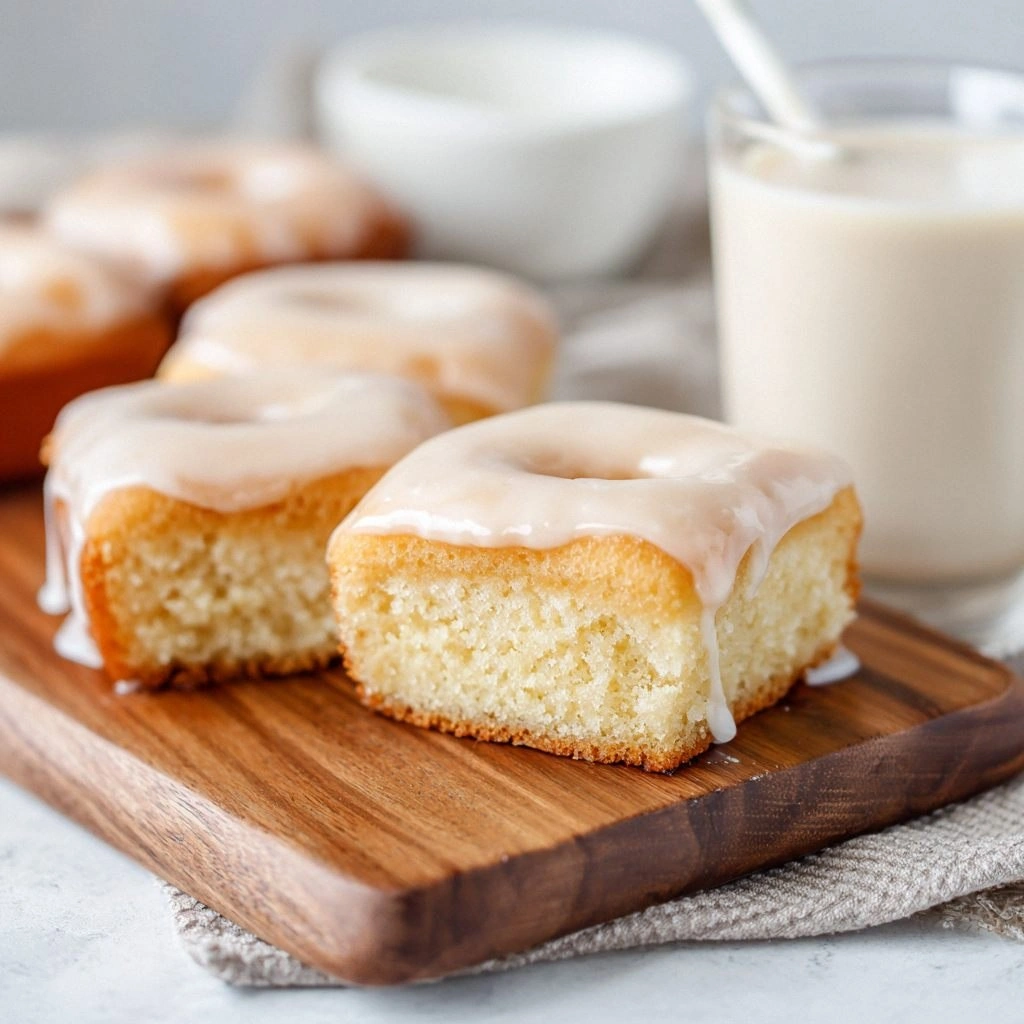
The Method — Step by Step
- Preheat your oven to 350 °F (175 °C). Line a 9×13‑inch baking pan with parchment paper, leaving a little overhang on each side for easy removal. This ensures even baking and a clean release. While the oven heats, gather all your ingredients so everything is within arm’s reach.
- In a large mixing bowl, whisk together the flour, baking powder, and salt until well combined. This dry mix will prevent clumps when you add the wet ingredients. A quick sift can also help aerate the flour, giving the bars a lighter crumb.
- In a separate bowl, cream the softened butter until pale and fluffy, about 2 minutes with an electric mixer on medium speed. The creamed butter will incorporate air, which aids in the gentle rise of the bars. Be careful not to over‑beat; you want a smooth consistency, not a dry crumb.
- Add the eggs one at a time, beating well after each addition. The first egg should be fully incorporated before adding the second. This step ensures a smooth batter and prevents lumps.
- Pour in the maple syrup and stir until the mixture is glossy and the batter is uniform. The maple syrup also helps to keep the dough moist, giving the bars that signature soft center. If the batter looks too thin, add a tablespoon of flour to thicken.
- Fold the dry mixture into the wet, mixing just until the flour disappears. Over‑mixing can develop gluten, resulting in a tougher texture. The batter should be thick enough to hold its shape when spooned onto the pan.
- Transfer the batter into the prepared pan and smooth the top with a spatula. Tap the pan lightly on the counter to release any large air pockets, which can cause uneven browning. A clean surface ensures a uniform crust.
- Bake for 25–30 minutes, or until the top is golden brown and a toothpick inserted into the center comes out clean. The bars should rise slightly and develop a glossy sheen. Avoid opening the oven door early; the heat loss can cause the bars to collapse.
- While the bars are still hot, brush the top with an additional thin layer of maple syrup. This creates a shiny glaze that locks in moisture and adds an extra layer of sweetness. Let them cool in the pan for 10 minutes before transferring to a wire rack.
- Once cooled, cut into squares or bars. Serve at room temperature or warm slightly in the microwave for 10–15 seconds if you want that melt‑in‑your-mouth texture. Store leftovers in an airtight container for up to a week.
That's it — you did it. But hold on, I've got a few more tricks that'll take this to another level…
Insider Tricks for Flawless Results
The Temperature Rule Nobody Follows
Many bakers assume that a higher oven temperature always means a better crust. In reality, a steady 350 °F (175 °C) allows the maple glaze to caramelize slowly, creating a glossy finish without scorching. If you’re in a hurry, bump the temperature to 375 °F (190 °C) for the last 5 minutes, but watch closely to prevent burning. This trick gives you a slightly crispier edge that still feels soft inside.
Why Your Nose Knows Best
Before you pull the bars out of the oven, take a moment to inhale the aroma. A warm, buttery scent with a hint of caramelized maple is the sweet spot. If the smell feels too syrupy or too bland, adjust the maple-to-butter ratio. Your nose is a reliable indicator of flavor balance, so trust it.
The 5-Minute Rest That Changes Everything
Let the bars rest in the pan for exactly 10 minutes before cutting. This short rest allows the structure to set, making the bars easier to slice cleanly. Cutting too early can cause the bars to crumble and lose their shape. The rest also lets the glaze set, ensuring a shiny, even coating.
Avoiding the Sticky Mess
If your batter feels too wet, add a tablespoon of flour or a splash of milk to reach the right consistency. A batter that’s too thin will spread too much, resulting in flat bars. Conversely, a dry batter will not rise properly, leading to dense, crumbly bars. Adjusting the liquid content is a simple way to achieve the perfect texture.
The Sweet‑Heat Balance
Maple syrup’s natural sugars caramelize at a lower temperature than refined sugar, so the bars develop a deep, rich flavor without needing a high heat. If you prefer a lighter taste, reduce the maple by ¼ cup and add an extra tablespoon of butter for richness. This tweak gives you a milder, buttery bar that still has a subtle maple undertone.
Creative Twists and Variations
This recipe is a playground. Here are some of my favorite ways to switch things up:
Chocolate‑Maple Fusion
Add ¼ cup of unsweetened cocoa powder to the dry mix for a chocolatey depth, and swirl a tablespoon of chocolate sauce into the glaze. The result is a decadent, chocolate‑maple bar that pairs well with a glass of stout or a cup of espresso. The cocoa also adds a slight bitterness that balances the maple sweetness.
Nutty Crunch
Fold in ½ cup of chopped pecans or walnuts into the batter before baking. The nuts add a delightful crunch and a nutty aroma that complements the maple glaze. Toast the nuts beforehand for an extra burst of flavor and to prevent them from releasing oils into the dough.
Spiced Cinnamon Swirl
Add 1 teaspoon of ground cinnamon and a pinch of nutmeg to the dry ingredients. Swirl a cinnamon‑maple glaze through the batter before baking for a warm, aromatic treat. This variation is perfect for autumn gatherings or cozy winter mornings.
Coconut‑Maple Delight
Replace half the butter with shredded coconut oil and sprinkle toasted coconut on top before baking. The coconut adds a tropical note and a subtle crunch. Pair these bars with a chilled coconut milk latte for a beach‑inspired dessert.
Vegan Maple Bars
Swap the butter for coconut oil and the eggs for flaxseed or applesauce. Use a dairy‑free maple syrup or a blend of maple and agave nectar for sweetness. The texture will be slightly denser, but the flavor remains rich and buttery.
Low‑Sugar Option
Replace the maple syrup with a sugar‑free syrup or reduce the maple by ¼ cup and add a natural sweetener like monk fruit. Keep an eye on the moisture level; you may need to add a tablespoon of milk or water to keep the batter from drying out. The bars will still be sweet, but with a lower glycemic index.
Storing and Bringing It Back to Life
Fridge Storage
Store the bars in an airtight container at room temperature for up to 5 days. If you prefer them chilled, place them in the refrigerator; the maple glaze will firm slightly, but the bars remain moist. For best flavor, let them come to room temperature before eating.
Freezer Friendly
Wrap each bar individually in parchment paper and place them in a freezer bag. They can be frozen for up to 2 months. To thaw, leave them at room temperature for 30 minutes or microwave on low for 10–15 seconds. The texture stays soft, and the maple glaze remains glossy.
Best Reheating Method
To revive a stored bar, warm it in a preheated oven at 300 °F (150 °C) for 5–7 minutes. Alternatively, microwave on low for 10–12 seconds. Add a tiny splash of water before reheating to steam the bars back to perfection, preventing them from drying out.