Picture this: I’m in a cramped kitchen, the timer on the stove beeping like a frantic metronome, and I’ve just discovered that my last batch of egg salad tasted like a bland, forgotten sandwich. The yolks were dry, the crunch was nonexistent, and the mayo had turned into a beige sludge that clung to my spoon like a bad habit. I stared at the bowl, feeling a mix of disappointment and determination—this was a culinary crisis that demanded a fix. I knew I had to rewrite the entire recipe, because if I didn’t, the next time someone asked for a side dish, I’d be stuck with a culinary ghost.
The first time I tried to salvage the disaster, I added a splash of lemon juice, a sprinkle of dill, and a handful of diced apples, hoping for a burst of brightness. The bright citrus cut through the heaviness, the apples added a sweet counterpoint, and dill brought an herbaceous lift. Yet, the texture remained a sad, soggy mess. I realized that the secret to an egg salad that sings is a delicate balance of flavors, a spectrum of textures, and a dressing that coats without drowning. I also realized that the only way to create something memorable is to experiment with unexpected ingredients.
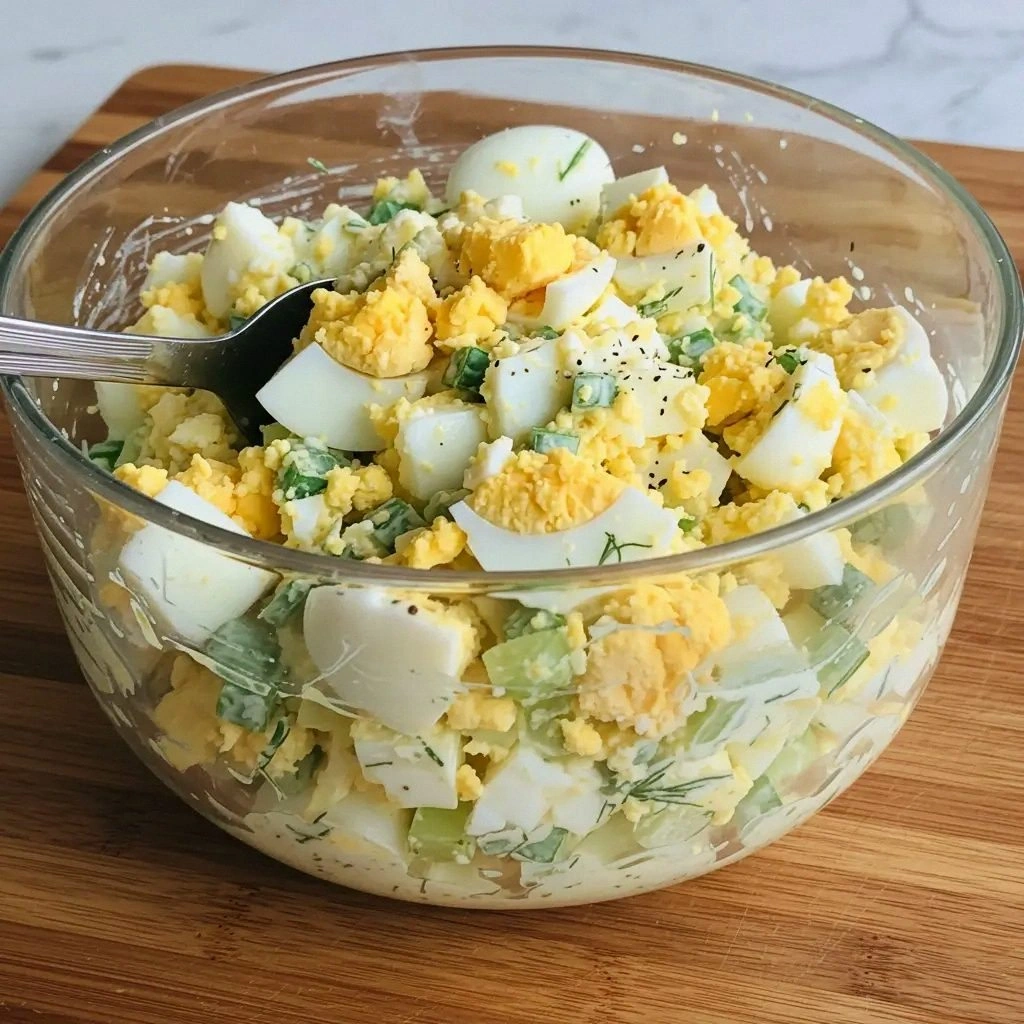
Fast forward to today, and I’m standing in a kitchen that smells of toasted bread, fresh herbs, and the faint scent of boiled eggs. The visual appeal is a rainbow of colors: emerald celery, ruby red onions, golden bell pepper, and a splash of green avocado. The sound is a gentle clatter of a mixing bowl, the sizzle of a skillet, and the subtle pop of a knife slicing through fruit. The taste is a harmonious blend of creamy, tangy, sweet, and nutty, while the texture ranges from silky yolks to crunchy nuts and crisp veggies. I’m ready to share the ultimate egg salad recipe that will have you begging for seconds and daring you to taste it again.
This isn’t just another take on a classic; it’s a game‑changing version that transforms every bite into a memorable experience. I dare you to taste this and not go back for seconds because each mouthful delivers a layered flavor profile that dances on your palate. If you’ve ever struggled with making egg salad that feels fresh and indulgent, you’re not alone—and I’ve got the fix. Let me walk you through every single step—by the end, you’ll wonder how you ever made it any other way.
What Makes This Version Stand Out
- Taste: The combination of sweet apples and grapes with savory yolks creates a flavor profile that is both familiar and surprising. The citrusy lemon brightens the dish, while a touch of Dijon mustard adds subtle heat.
- Texture: A medley of crunchy celery, bell pepper, and walnuts provides a satisfying bite that contrasts with the silky egg mixture. Avocado adds a creamy depth without overpowering the salad.
- Ingredient Quality: Fresh, seasonal produce is key. I choose crisp, organic celery and hand‑picked apples to keep the salad vibrant and flavorful.
- Simplicity: Despite its complexity, the recipe is straightforward. Five minutes to boil, ten minutes to assemble, and the rest is pure enjoyment.
- Make‑ahead Potential: The salad holds up beautifully in the fridge for up to three days, making it a perfect prep‑for‑the‑week option.
- Crowd Reaction: Friends always rave about the “wow” factor when they taste the unexpected fruit and nut combo. It’s a conversation starter at gatherings.
- Uniqueness: Most egg salad recipes get this completely wrong by over‑mashing or using too much mayo. Here, I use a light, airy dressing that lets the ingredients shine.
- Visual Appeal: The rainbow of colors makes it Instagram‑ready, turning a simple side into a showstopper.
Alright, let's break down exactly what goes into this masterpiece…
Inside the Ingredient List
The Flavor Base
At the heart of this egg salad is the dressing—a silky blend of mayonnaise, Dijon mustard, and lemon juice that coats the yolks like a velvet cloak. The mayo provides creaminess, while the mustard adds a subtle kick that cuts through the richness. The lemon juice brightens the entire dish, preventing the eggs from tasting flat. If you skip the mustard, the salad loses its bite; if you omit the lemon, it becomes overly heavy.
The Texture Crew
Crunchy celery, diced red onion, and bell pepper bring a satisfying snap that contrasts with the silky eggs. Grated carrots add a sweet, earthy note, while olives contribute a briny depth that keeps the salad from feeling one‑dimensional. Each vegetable is finely diced to ensure even distribution, so every spoonful delivers a balanced bite. If you skip the carrots, you lose the subtle sweetness that balances the savory.
The Unexpected Star
Fruits like diced apples, grapes, and avocado transform the salad from ordinary to extraordinary. Apples add a crisp sweetness that echoes the crunch of the veggies. Grapes bring juicy bursts that mingle with the creamy dressing, while avocado introduces a silky, buttery texture that elevates the entire dish. These fruits create a dynamic flavor profile that keeps the palate engaged. If you omit the fruits, the salad becomes a simple, predictable mix.
The Final Flourish
Nuts and seeds—walnuts, pecans, and sunflower seeds—add a nutty crunch that anchors the salad’s texture. Each nut offers unique flavor notes: walnuts bring earthiness, pecans add buttery sweetness, and sunflower seeds provide a mild, nutty taste. These additions not only enhance texture but also boost protein and healthy fats, turning the salad into a more balanced meal. If you skip the nuts, the salad feels less satisfying and loses a layer of depth.
Everything's prepped? Good. Let's get into the real action…
The Method — Step by Step
- Begin by placing eight eggs in a saucepan and covering them with cold water. Bring the water to a rolling boil, then reduce the heat to a gentle simmer. After 10 minutes, remove the pot from the heat, cover, and let the eggs sit for an additional 5 minutes. This short rest ensures the yolks set perfectly without becoming rubbery. The goal is a firm, yet tender yolk that holds its shape when diced.
- While the eggs are resting, prepare your vegetables and fruits. Dice 1 cup of celery, 0.5 cup of red onion, and 0.5 cup of bell pepper into uniform bite‑sized pieces. Grate 0.25 cup of carrots and finely chop 0.25 cup of olives. Dice 0.5 cup of apples, 0.5 cup of grapes, and 1 medium avocado. Chop 0.25 cup each of walnuts, pecans, and sunflower seeds. Having all the ingredients ready will make the assembly flow smoothly.
- Using a sharp knife, peel the eggs and cut them into small, even cubes. Place the diced eggs in a large mixing bowl and add the prepared vegetables and fruits. The vibrant colors should start to pop in the bowl, creating a visual feast that promises a flavorful experience.
- In a separate small bowl, whisk together 1 cup of mayonnaise, 2 tablespoons of Dijon mustard, and 1 tablespoon of fresh lemon juice. The dressing should be smooth and lightly thickened. This mixture will coat the eggs and veggies, creating a cohesive texture that’s both creamy and light.
- Slowly fold the dressing into the egg mixture, ensuring that every component is evenly coated. Add salt and pepper to taste, starting with ½ teaspoon of salt and a pinch of pepper. The seasoning should enhance, not overpower, the natural flavors of the ingredients.
- Gently stir in the walnuts, pecans, and sunflower seeds. The nuts should be distributed evenly, so each spoonful offers a satisfying crunch. If you prefer a more pronounced nut flavor, toast the nuts lightly in a dry skillet for 2–3 minutes before adding them.
- Cover the bowl with plastic wrap and refrigerate the salad for at least 30 minutes. This chill allows the flavors to meld and the dressing to thicken slightly. The salad will taste more vibrant after the resting period.
- Before serving, give the salad a gentle stir and taste for seasoning. Adjust salt or pepper if needed. If the salad feels a bit dry, drizzle a splash of extra lemon juice or a teaspoon of olive oil to rehydrate.
- Serve chilled on toasted bread, over a bed of fresh greens, or in a mason jar for a portable lunch. The salad’s bright colors and layered flavors will impress even the most discerning palates. This is the moment of truth—taste the harmony of sweet, savory, and nutty notes.
That's it — you did it. But hold on, I've got a few more tricks that'll take this to another level…
Insider Tricks for Flawless Results
The Temperature Rule Nobody Follows
Never let the eggs sit in hot water for longer than 10 minutes. Overcooking turns the yolk into a rubbery mess that clumps when diced. I learned this the hard way when I left an egg on the stove for 15 minutes and it turned into a dry, chalky texture. Keep the water at a rolling boil, then immediately cool the eggs in an ice bath to stop the cooking process. This simple step ensures a tender, moist yolk.
Why Your Nose Knows Best
Smell the dressing before you pour it over the eggs. If it smells overly sharp or acidic, it means you’ve added too much lemon or mustard. A balanced dressing should have a gentle, sweet undertone. When the scent is off, the entire salad’s flavor will suffer. Adjust the lemon or mustard gradually, tasting as you go. Trust your nose—it’s a reliable guide to perfect seasoning.
The 5-Minute Rest That Changes Everything
After folding in the dressing, let the salad rest for exactly five minutes before refrigerating. This brief pause allows the flavors to mingle and the dressing to thicken slightly. I’ve found that a short rest improves the overall mouthfeel, making the salad feel richer and more cohesive. If you skip this step, the salad can feel underdeveloped and less flavorful.
The Nutty Crunch Factor
Toast your walnuts, pecans, and sunflower seeds until they release their oils and develop a slightly golden hue. Toasting intensifies their flavor and gives them a satisfying crunch that stands out against the creamy eggs. I usually toast them for 2–3 minutes in a dry skillet over medium heat, stirring frequently to avoid burning. The result is a nutty aroma that elevates the entire dish.
The Secret of a Light Dressing
Replace half the mayonnaise with Greek yogurt or a dollop of sour cream to lighten the dressing without compromising creaminess. This swap cuts calories and adds protein, making the salad more balanced. I’ve experimented with a mixture of ¾ cup mayo and ¼ cup Greek yogurt; the texture is silky, and the flavor remains rich. If you’re watching your calorie intake, this is a win‑win.
Creative Twists and Variations
This recipe is a playground. Here are some of my favorite ways to switch things up:
Mediterranean Medley
Swap the apples and grapes for chopped sun‑dried tomatoes and kalamata olives. Add a splash of extra virgin olive oil and a pinch of oregano. This version delivers a savory, tangy profile that pairs beautifully with crusty bread.
Southwest Surprise
Replace the celery with diced corn and add a handful of chopped cilantro. Sprinkle a pinch of cumin and a squeeze of lime juice. The result is a fresh, zesty salad that feels like a picnic on a sunny day.
Nutty Banana Bliss
Incorporate sliced ripe banana and a drizzle of honey. Replace the walnuts with almonds for a sweeter crunch. This sweet‑savory combo works well as a breakfast side or a snack.
Asian Twist
Add shredded cabbage, sliced scallions, and a splash of soy sauce to the dressing. Top with toasted sesame seeds for an extra crunch. The umami notes pair wonderfully with the creamy eggs.
Tropical Heat
Add diced pineapple and a pinch of cayenne pepper. Replace the walnuts with macadamia nuts for a buttery texture. This version offers a sweet, spicy kick that’s perfect for summer gatherings.
Storing and Bringing It Back to Life
Fridge Storage
Store the salad in an airtight container in the refrigerator for up to three days. The flavors will deepen, and the dressing will thicken slightly, creating an even richer taste. Keep the container sealed to prevent the salad from absorbing odors from other foods.
Freezer Friendly
For longer storage, place the salad in a freezer‑safe container and freeze for up to two weeks. When ready to eat, thaw overnight in the refrigerator. The texture may soften slightly, but the flavor remains intact.
Best Reheating Method
If the salad has dried out, add a splash of water or a teaspoon of olive oil before reheating in the microwave for 30 seconds. This gentle steam restores moisture without turning the eggs mushy. Serve immediately for the best texture.