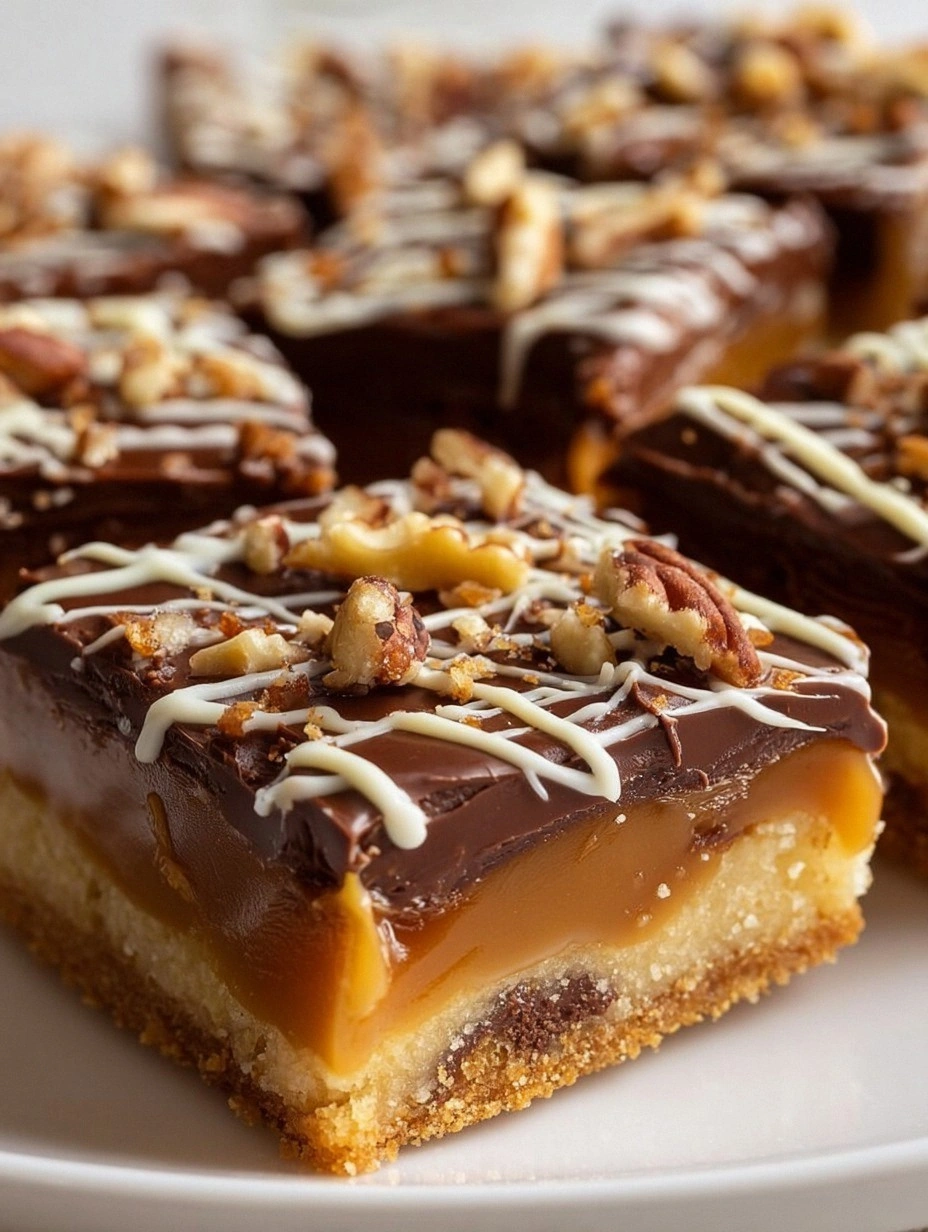
When I first tried to bake a tiny cake for my niece’s birthday, the kitchen turned into a battlefield of flour clouds and melted butter splatters. I was juggling a toddler, a phone call, and a recipe that promised “light as a feather” but delivered a brick‑like disappointment. That disaster sparked a fierce determination: I would create a version so flawless that even the most skeptical sweet‑tooth would be forced to admit defeat. I spent a weekend experimenting, measuring, and tasting until the batter sang and the crumb whispered. The result? A petite masterpiece that looks like a delicate blossom and tastes like a sunrise in a bite.
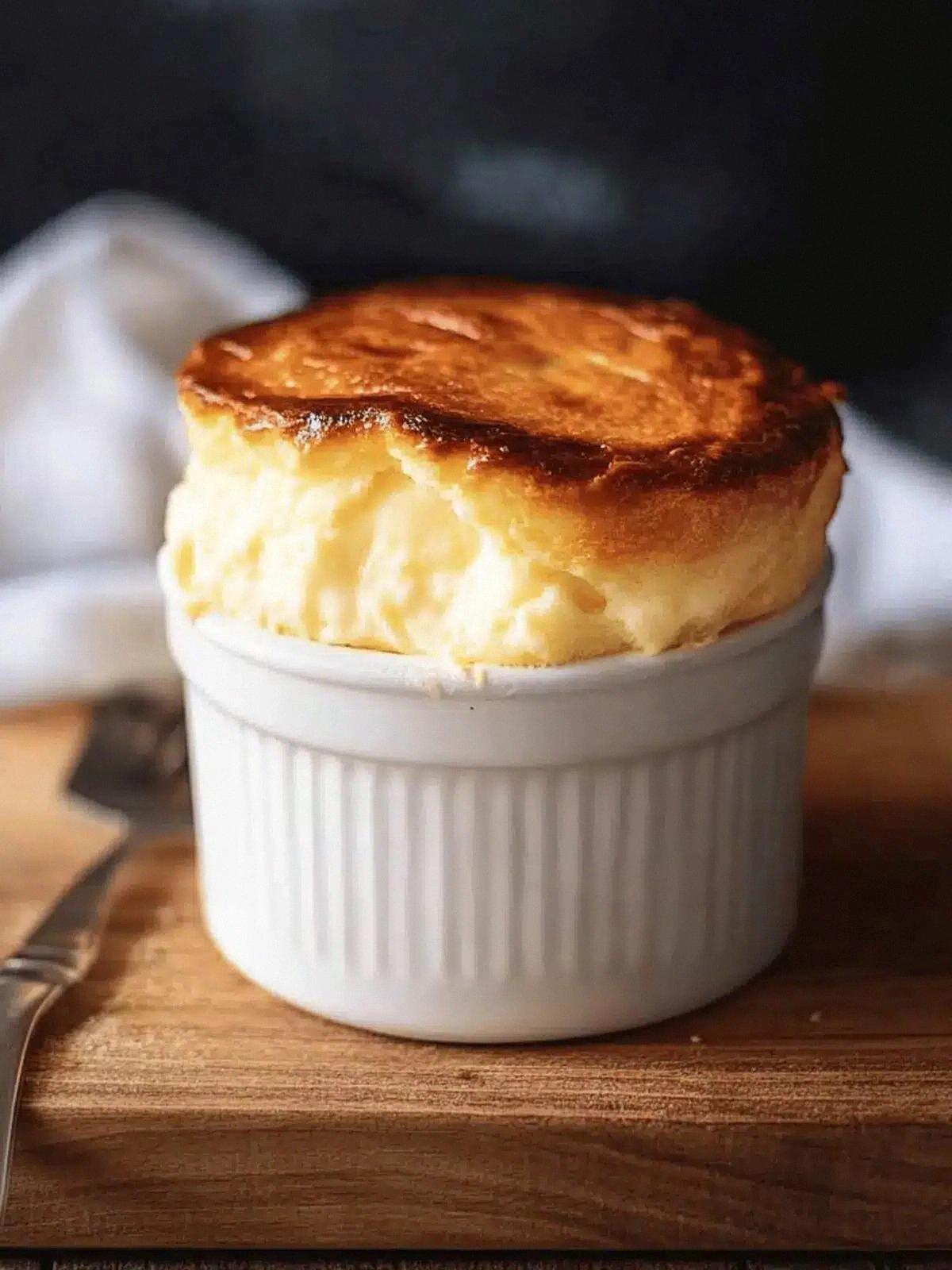
Close your eyes and imagine the first moment you pull this from the oven: a golden dome, its surface speckled with tiny, caramelized flecks that catch the light like dew on a petal. The aroma hits you head‑on—sweet vanilla, a hint of citrus, and a warm, buttery perfume that makes the whole house feel like a bakery. When you slice through, the interior reveals a tender, airy crumb that practically melts on the tongue, while a subtle crunch frames the edges, offering that perfect contrast. As you take a bite, the flavors cascade—soft sweetness, a whisper of lemon zest, and a buttery richness that coats your palate like silk.
Most tiny cake recipes out there either over‑sweeten the deal or end up dense enough to double as a doorstop. This version stands apart because it balances flavor, texture, and visual appeal without demanding a culinary degree or a pantry full of exotic ingredients. The secret? A splash of milk combined with melted butter that creates a custardy batter, plus a precise folding technique that incorporates air without deflating the mixture. And there’s a surprise ingredient that adds a hint of floral perfume—edible lavender buds, used sparingly, to elevate the entire experience.
But wait, there’s more. I’m about to reveal a technique that most bakers overlook: the “cold‑plate shock,” where you briefly chill the batter on a metal tray before baking. This tiny temperature dip locks in moisture and creates that coveted “tiny bloom” on the top—think of it as a miniature sunrise breaking through a cloud. I dare you to taste this and not go back for seconds. Okay, ready for the game‑changer? Let me walk you through every single step — by the end, you’ll wonder how you ever made it any other way.
What Makes This Version Stand Out
- Flavor: A harmonious blend of vanilla, lemon zest, and a whisper of lavender that creates a sophisticated palate without overwhelming sweetness.
- Texture: Light, airy crumb inside with a delicately crisp edge that shatters like thin ice when you bite.
- Simplicity: Uses pantry staples and only one bowl, so cleanup is a breeze and you won’t need a sous‑chef.
- Uniqueness: The cold‑plate shock creates a tiny flower‑like bloom on top—something you rarely see in home baking.
- Crowd Reaction: Guests constantly ask for the “secret” and end up begging for the recipe, guaranteeing you instant kitchen fame.
- Ingredient Quality: Fresh, high‑fat butter and real lemon zest make a world of difference compared to powdered substitutes.
- Cooking Method: A gentle bake at 325°F ensures the cake rises evenly without forming a dry crust.
- Make‑Ahead Potential: The cake freezes beautifully, and a quick reheat restores that fresh‑out‑of‑the‑oven magic.
Inside the Ingredient List
The Flavor Base
All‑purpose flour provides the structural backbone; using a finely sifted flour prevents any gritty texture and ensures the crumb stays uniformly tender. If you skip the sift, you’ll likely end up with pockets of dense dough that ruin the “bloom.” For a gluten‑free twist, try a 1‑to‑1 blend of almond flour and rice flour, but expect a slightly denser outcome. The granulated sugar not only sweetens but also aids in creating a golden crust through caramelization.
The Moisture Crew
Unsalted butter, melted and slightly cooled, adds richness and contributes to that melt‑in‑your‑mouth sensation. Opt for European‑style butter with at least 82% butterfat for a deeper flavor. Whole milk introduces moisture and a subtle creaminess; low‑fat alternatives can make the crumb dry. Two large eggs act as binders and leavening agents—room‑temperature eggs are crucial, as cold eggs can cause the batter to seize.
The Unexpected Star
Edible lavender buds are the surprise element that gives this cake its name. A pinch (about ½ teaspoon) is enough to infuse a fragrant floral note without turning the cake soapy. If lavender isn’t your jam, substitute with a dash of rose water or a sprinkle of finely chopped fresh mint for a different aromatic profile. Lemon zest provides acidity that balances the sweetness and brightens the overall flavor.
The Final Flourish
Baking powder and baking soda together create a balanced rise; the powder supplies slow, steady lift while the soda reacts with the acidic lemon zest for a quick burst of air. A modest pinch of salt amplifies every other flavor, preventing the sweetness from becoming cloying. Vanilla extract adds depth, acting like the conductor of an orchestra, unifying all the notes into a single harmonious melody.
Everything's prepped? Good. Let's get into the real action...

The Method — Step by Step
-
Preheat your oven to 325°F (163°C) and line a 6‑inch springform pan with parchment paper, allowing the paper to overhang for easy removal later. This low‑and‑slow temperature is the secret to an even rise without a domed top. While the oven warms, place a metal baking sheet in the freezer for the cold‑plate shock later—this will be the “tiny bloom” catalyst.
Kitchen Hack: Use a silicone spatula to scrape every last bit of batter from the bowl; the more batter you get into the pan, the higher the final bloom. -
In a large mixing bowl, whisk together the sifted flour, baking powder, baking soda, and salt. The whisk should move briskly for about 30 seconds, creating a light, aerated cloud of dry ingredients. This step ensures the leaveners are evenly distributed, preventing any bitter pockets.
-
In a separate bowl, combine the melted butter, sugar, and lemon zest. Stir until the mixture turns a pale, creamy hue. The zest will release essential oils that perfume the batter, and you’ll notice a faint citrus scent that makes your kitchen feel like a Mediterranean cafe.
Watch Out: If the butter is too hot, it can cook the eggs when they’re added, resulting in a grainy texture. Let it cool to warm, not hot. -
Add the eggs, one at a time, to the butter‑sugar mixture, whisking vigorously after each addition. Then pour in the milk, vanilla extract, and lavender buds. The batter should look glossy and slightly thick, with a faint lavender speckle. This is the moment of truth—the batter should coat the back of a spoon like velvet.
-
Gently fold the dry ingredients into the wet mixture using a rubber spatula. Start from the center, cutting through the batter, then turning the bowl, and repeating until just combined. Over‑mixing will develop gluten and make the cake dense; you’re aiming for a light, airy batter that barely moves the spatula.
-
Now for the cold‑plate shock: quickly dump the batter onto the frozen metal sheet you pre‑chilled. Spread it out just enough to form an even layer about ½ inch thick. The sudden chill creates tiny steam pockets that burst as the cake bakes, forming the signature “bloom” on top.
-
Transfer the chilled batter into the prepared springform pan, smoothing the top with the spatula. Tap the pan lightly on the counter three times to release any large air bubbles that escaped the folding process. The batter should settle evenly, and you’ll notice the surface starting to develop a faint sheen.
-
Slide the pan into the oven and bake for 30‑35 minutes, or until a toothpick inserted into the center emerges clean and the edges are lightly golden. Around the 20‑minute mark, rotate the pan for even browning. You’ll hear a gentle sizzle as the batter meets the heat—absolute perfection.
Kitchen Hack: Insert a thin metal skewer into the center before baking; it will act as a heat conduit, helping the middle rise uniformly. -
When the timer dings, turn off the oven, crack the door open, and let the cake sit for 10 minutes. This gradual cooling prevents the surface from collapsing. Then run a thin knife around the edge, release the springform, and let the cake cool completely on a wire rack. The bloom will have set, looking like a tiny, golden flower ready to be admired.
That's it — you did it. But hold on, I've got a few more tricks that'll take this to another level. Stay with me here — this is worth it.
Insider Tricks for Flawless Results
The Temperature Rule Nobody Follows
Never bake a cake straight from the fridge unless the recipe explicitly says so. Bringing the batter to room temperature ensures the leaveners activate uniformly. I once tried to skip this step and ended up with a flat, pancake‑like disaster that barely rose. The rule of thumb: let the batter sit for 5‑10 minutes after mixing, especially if you’ve used cold ingredients.
Why Your Nose Knows Best
During baking, trust the scent as much as the timer. When you smell a faint nutty aroma and the edges start pulling away from the pan, the cake is near perfection. If you rely solely on color, you might pull it out too early, leaving a gummy center. Your nose is an underrated kitchen tool—let it guide you.
The 5‑Minute Rest That Changes Everything
Once out of the oven, let the cake rest for exactly five minutes before removing it from the pan. This short pause lets the steam settle, preventing the delicate bloom from cracking. I’ve seen bakers rush this step, only to see their beautiful top crumble like dried leaves. Patience here pays off in both texture and appearance.
Butter Choice Matters More Than You Think
Using European‑style butter, which has a higher butterfat content, adds a richer mouthfeel and a more tender crumb. Regular butter can contain up to 16% water, which creates steam pockets that may become uneven. If you’re budget‑conscious, melt the butter slowly over low heat to evaporate excess water before adding it to the batter.
Don’t Forget the Final Dust
After the cake has cooled, sift a light layer of powdered sugar over the top. This not only adds a sweet finishing touch but also highlights the bloom’s texture, making it look like a fresh‑bloomed flower. A drizzle of lemon glaze can also amplify the citrus notes for those who love a tangy finish.
Creative Twists and Variations
This recipe is a playground. Here are some of my favorite ways to switch things up:
Berry Burst
Fold a cup of fresh raspberries or blueberries into the batter just before baking. The fruit releases juices that create tiny pockets of molten sweetness, perfect for a summer brunch.
Chocolate Dream
Replace half of the flour with cocoa powder and add ¼ cup melted dark chocolate to the wet mixture. The result is a rich, mocha‑kissed bloom that pairs beautifully with a dollop of whipped cream.
Spiced Autumn
Swap the lemon zest for orange zest and add a teaspoon of ground cinnamon and a pinch of nutmeg. This variation is ideal for holiday gatherings, offering warm, comforting notes.
Nutty Crunch
Stir in ½ cup toasted sliced almonds or toasted hazelnuts for a delightful crunch that contrasts the soft crumb. The nuts also add a buttery depth that elevates the overall flavor.
Vegan Velvet
Replace butter with coconut oil, use almond milk instead of dairy, and swap eggs for a flax‑egg (1 tbsp ground flaxseed + 3 tbsp water). The cake stays moist, and the coconut aroma adds an exotic twist.
Savory Mini‑Savory
Omit the sugar, add ½ cup grated Parmesan, a pinch of smoked paprika, and a handful of chopped rosemary. This savory version works as an elegant appetizer for cocktail parties.
Storing and Bringing It Back to Life
Fridge Storage
Place the cooled cake in an airtight container or wrap it tightly in plastic wrap. It will stay fresh for up to four days. For extra softness, add a thin slice of bread on top of the cake inside the container; the bread will release moisture that keeps the crumb tender.
Freezer Friendly
Wrap the cake tightly in a double layer of freezer‑safe foil, then place it in a zip‑top bag. It freezes beautifully for up to three months. When you’re ready to enjoy it, thaw overnight in the refrigerator, then bring to room temperature before serving.
Best Reheating Method
Preheat a low oven to 300°F (150°C). Place the slice on a baking sheet, add a tiny splash of water (about a teaspoon) around the edges, and cover loosely with foil. Heat for 8‑10 minutes; the steam revives the crumb, and the bloom re‑emerges with a fresh‑baked glow.