What Makes This Version Stand Out
- Flavor: The blend of smoky paprika, garlic powder, and fresh herbs creates a layered taste profile that feels both comforting and adventurous.
- Texture: The careful sautéing of vegetables preserves their bite, while the eggs remain fluffy, resulting in a harmonious mouthfeel.
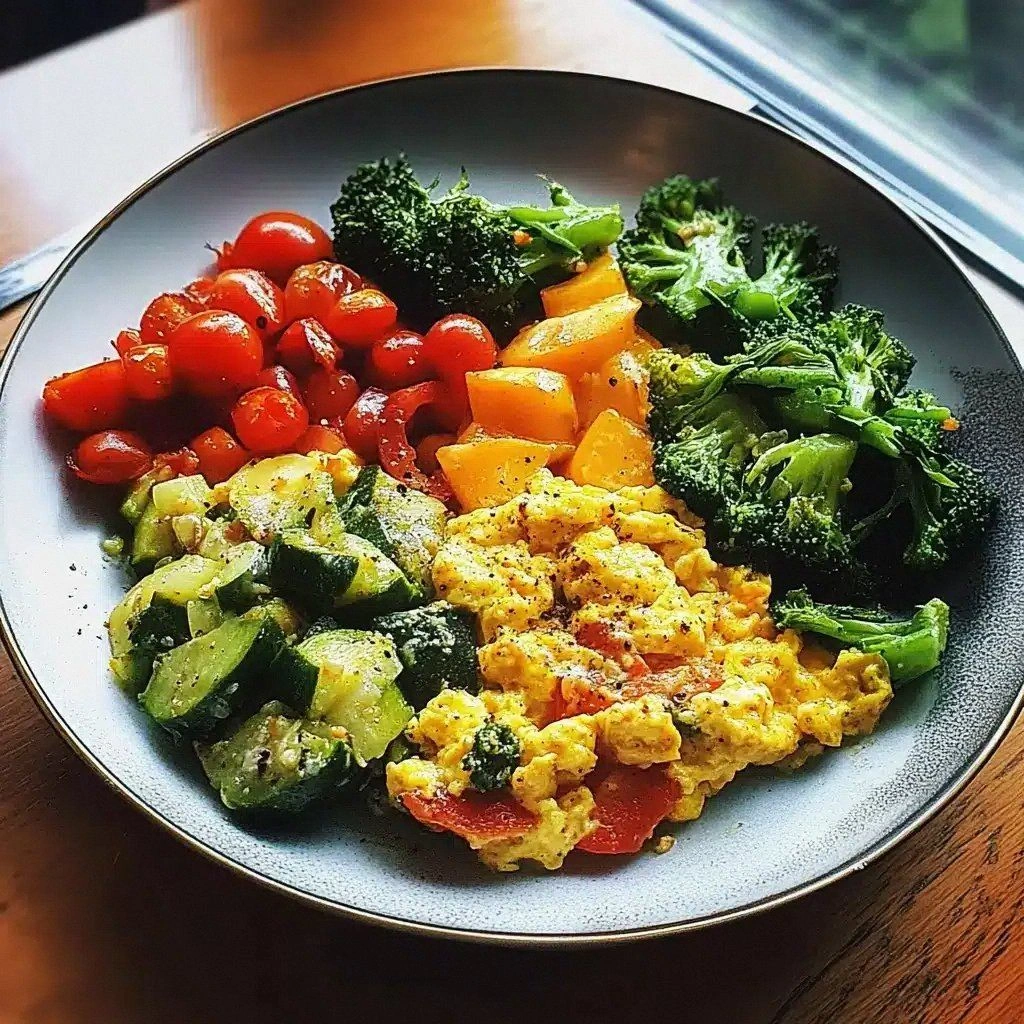
- Color: A rainbow of veggies not only looks appetizing but also boosts the dish’s nutritional value.
- Ease: All steps can be completed in a single pan, minimizing cleanup without sacrificing quality.
- Versatility: Swap in protein‑rich tofu or chickpeas for a vegan version, or add bacon for a savory twist.
- Make‑ahead: The scramble can be refrigerated for up to 48 hours and reheated with a splash of milk for a silky finish.
- Nutrition: Packed with protein, fiber, and vitamins, this scramble keeps you energized through a busy morning.
- Presentation: Serve in a cast‑iron skillet or on a wooden board, and garnish with parsley for a professional touch.
Inside the Ingredient List
The Flavor Base
The foundation of this scramble is a simple yet powerful mixture of onions, bell peppers, and garlic powder. Onions bring a natural sweetness that caramelizes beautifully when sautéed, while bell peppers add a crisp bite and a pop of color. Garlic powder ties the vegetables together, giving the dish an aromatic depth that lingers on the tongue. If you omit any of these, the scramble will feel flat and unbalanced. For those who love a little heat, a pinch of crushed red pepper can be added without overpowering the other flavors. When selecting onions, look for ones that are firm and free of blemishes; they’ll hold up better during the cooking process.
The Texture Crew
Mushrooms, spinach, and tomatoes are the texture players that give this scramble its dynamic feel. Mushrooms release moisture as they cook, creating a subtle steam that keeps the eggs from drying out. Spinach wilts quickly, turning from bright green to a soft, earthy base that absorbs the flavors of the seasoning. Tomatoes add juiciness and a slight acidity that brightens the dish, preventing it from feeling heavy. Skipping any of these will alter the mouthfeel; the scramble will either be too dry or too watery. If you’re looking for a low‑carb option, replace the tomatoes with zucchini slices, which provide a similar texture without the extra moisture.
The Unexpected Star
The smoked paprika is the secret ingredient that sets this scramble apart. It introduces a subtle smokiness that elevates the dish from ordinary to extraordinary. Paprika also adds a warm, earthy undertone that complements the fresh herbs and cheese. If you can’t find smoked paprika, regular paprika will work, but the smoky nuance will be missing. For a more intense flavor, consider adding a teaspoon of chipotle powder for a mild heat and deep color. The paprika’s vibrant hue also enhances the visual appeal of the scramble, making it as pleasing to the eye as it is to the palate.
The Final Flourish
Cheddar cheese, fresh parsley, and a splash of milk finish the scramble with richness and brightness. Cheddar melts into a silky coating that binds the eggs and vegetables together, creating a cohesive bite. Fresh parsley adds a burst of green freshness that cuts through the richness, while the milk loosens the eggs, giving them a light, airy texture. If you’re lactose intolerant, substitute the cheddar with a plant‑based cheese that melts well, such as a vegan mozzarella. For an extra layer of flavor, sprinkle a pinch of nutmeg or a dash of lemon zest before serving. These final touches elevate the scramble from a simple breakfast to a gourmet experience.
Everything's prepped? Good. Let's get into the real action...
The Method — Step by Step
- Step 1: Prepare the Veggies. Heat a large skillet over medium heat and add 2 tablespoons of olive oil. Toss in diced onions and sauté until translucent, about 3 minutes. Add sliced bell peppers and mushrooms, cooking until they begin to soften, roughly 5 minutes. Stir in chopped spinach and diced tomatoes, letting the spinach wilt into a lush green base. The skillet should emit a gentle sizzle, indicating the vegetables are ready to absorb the eggs.
- Step 2: Season the Base. Sprinkle 1/2 teaspoon of garlic powder, 1/4 teaspoon of smoked paprika, and a pinch of salt over the vegetables. Toss everything together so the seasonings coat the veggies evenly. This is the moment of truth—if the flavors are balanced, the scramble will sing. Let the mixture cook for another minute to allow the spices to bloom. The aroma should be intoxicating, promising a delicious meal.
- Step 3: Add the Eggs. In a separate bowl, whisk 8 eggs with 1/2 cup of milk, 1/2 teaspoon of black pepper, and a pinch of salt. Pour the egg mixture over the sautéed vegetables, letting it spread evenly across the skillet. Allow the eggs to set on the edges before gently stirring with a spatula. This gentle motion helps the eggs form fluffy curds that cling to the veggies. The edges should start pulling away, signaling that the scramble is ready to finish.
- Step 4: Fold and Cook. Continue to fold the scramble gently, allowing the uncooked eggs to flow over the vegetables. Cook until the eggs are mostly set but still slightly runny in the middle—about 3 to 4 minutes. This technique ensures the scramble stays moist and tender. Keep an eye on the skillet; if the eggs start to dry, lower the heat slightly. The goal is a silky, cohesive mixture that holds its shape without being rubbery.
- Step 5: Add the Cheese. Sprinkle 1 cup of shredded cheddar cheese over the scramble, letting it melt into the eggs and veggies. The cheese will create a creamy coating that binds everything together. Watch out—if you add the cheese too early, it can become rubbery. Once the cheese has melted, stir gently to distribute it evenly. The scramble should now have a glossy, golden finish.
- Step 6: Finish with Herbs. Add 1 tablespoon of chopped parsley and 1/4 cup of cilantro for a burst of freshness. Stir the herbs into the scramble, allowing their bright flavors to mingle with the cheesy base. This step adds a layer of color and a subtle herbal note that lifts the dish. The herbs should be fragrant, not bitter. Let the scramble rest for a minute before serving to let the flavors settle.
- Step 7: Plate and Serve. Transfer the scramble onto a warm plate or serve directly from the skillet for a rustic presentation. Garnish with extra parsley if desired. The scramble should be hot, creamy, and fragrant, ready to be devoured. Pair it with a slice of toasted sourdough or a side of avocado for a balanced meal. The first bite should be a harmonious blend of textures and flavors that satisfies both the eyes and the palate.
- Step 8: Enjoy. Take a moment to savor the aroma before you dig in. The scramble is best enjoyed immediately, but leftovers can be reheated with a splash of milk to restore moisture. If you’re hosting a brunch, this dish will be a crowd‑pleaser and a conversation starter. Remember, the key to perfection lies in the balance of heat, seasoning, and timing. Now that you’ve mastered the basics, feel free to experiment with your own twists.
That’s it—you did it. But hold on, I’ve got a few more tricks that will take this to another level.
Insider Tricks for Flawless Results
The Temperature Rule Nobody Follows
Many cooks start their scramble on high heat, causing the eggs to cook unevenly. The trick is to maintain a steady medium‑low temperature, allowing the eggs to gently set while the vegetables release their juices. If the pan gets too hot, the eggs will brown quickly and become rubbery. Keep a close eye on the skillet’s temperature; a gentle sizzle is the sweet spot. This small adjustment transforms a mediocre scramble into a silky, tender masterpiece.
Why Your Nose Knows Best
When the eggs are almost done, close your eyes and sniff the skillet. A faint, buttery aroma indicates that the eggs are ready to fold. If the smell is too sharp, the eggs are overcooked; if it’s too mild, they need more time. Your nose can guide you to that perfect moment of softness. This sensory check saves you from overcooking and ensures each bite is moist and flavorful. Trust your instincts; your palate is your best ally.
The 5-Minute Rest That Changes Everything
After removing the skillet from heat, let the scramble rest for 5 minutes. This short pause allows the residual heat to finish cooking the eggs and lets the cheese set into a cohesive layer. The rest also lets the flavors meld together, creating a richer taste profile. Skipping this step can result in a dish that feels undercooked or uneven. A quick rest is a small time investment for a dramatic improvement in texture and flavor.
The Secret to Crispy Edges
If you love a little crunch, leave the edges of the scramble a bit more firm before folding. The slight resistance adds a delightful texture contrast that many people overlook. To achieve this, reduce the heat slightly after the eggs begin to set and let the edges brown just enough. This technique is especially effective when serving the scramble on a hot cast‑iron skillet. The result is a golden, crisp border that enhances the overall eating experience.
The Power of Fresh Herbs
Adding fresh herbs at the end of cooking preserves their bright flavors and vibrant colors. Dried herbs can become bitter when heated too long, while fresh parsley and cilantro add a clean, citrusy note. If you’re in a hurry, a splash of fresh lemon juice can replace the herbs, offering a similar brightness. Remember, herbs are the final flourish that elevates a dish from good to unforgettable.
Creative Twists and Variations
This recipe is a playground. Here are some of my favorite ways to switch things up:
Salsa Verde Scramble
Swap out the tomatoes for a handful of diced green chilies and a spoonful of salsa verde. The tangy, herby sauce adds a Mexican flair that pairs well with fresh cilantro. This version is perfect for a spicy, breakfast‑in‑the‑evening vibe. The green chilies provide a subtle heat that doesn’t overwhelm the delicate eggs.
Mediterranean Medley
Replace the cheddar with crumbled feta and add sun‑dried tomatoes, olives, and a pinch of oregano. The salty feta and tangy olives create a Mediterranean twist that’s both bold and comforting. This variation works wonderfully with a side of warm pita bread. The flavors are robust yet balanced, making it a standout brunch option.
Vegan Delight
Use a plant‑based protein powder or tofu cubes instead of eggs. Blend the tofu with nutritional yeast and a splash of almond milk for a creamy texture. Add a dash of turmeric for color and a subtle earthy note. This version is protein‑rich, dairy‑free, and satisfies the vegan crowd. It’s a great alternative for those who want a wholesome, plant‑based breakfast.
Breakfast Burrito Bash
Wrap the scramble in a warm flour tortilla with a smear of guacamole and a sprinkle of salsa. The tortilla adds a chewy, comforting element that turns the scramble into a portable meal. Add a side of black beans for extra fiber and protein. This twist transforms the dish into a filling breakfast that’s perfect for on‑the‑go mornings.
Savory Breakfast Cake
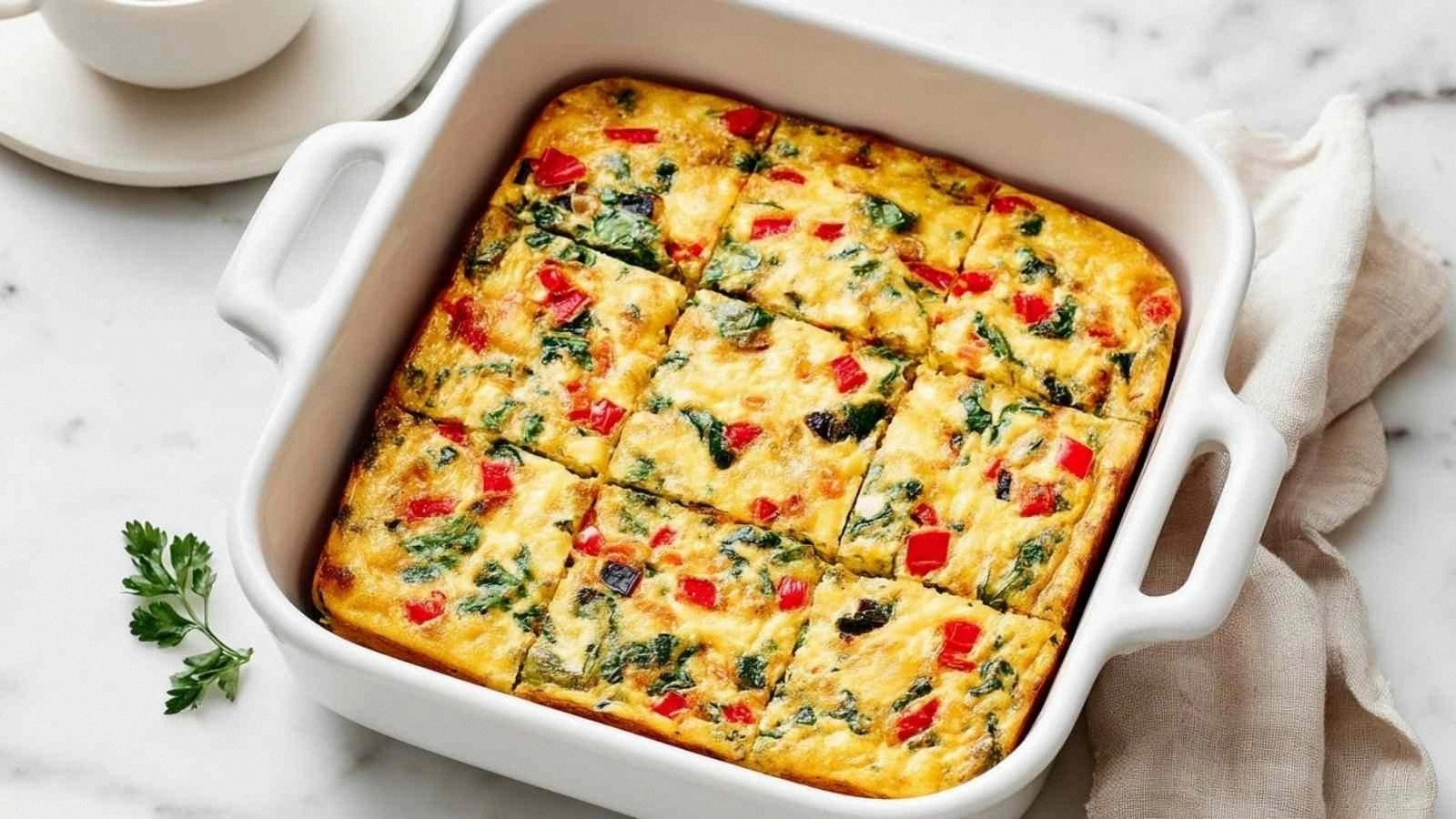
Fold the scramble into a pre‑baked savory cake batter, then bake until golden. The result is a dense, flavorful breakfast loaf that can be sliced and reheated. Add a sprinkle of chives on top for an extra burst of flavor. This version is ideal for meal prepping and makes a striking centerpiece for brunch tables.
Sweet‑Savory Fusion
Add diced apples and a touch of cinnamon to the scramble for a sweet‑savory blend. The apples introduce a natural sweetness that balances the savory cheese and spices. This variation is perfect for those who love a sweet breakfast but still crave the comfort of eggs. The cinnamon adds a warm, aromatic note that ties everything together.
Storing and Bringing It Back to Life
Fridge Storage
Store the scramble in an airtight container for up to 48 hours in the refrigerator. Make sure the container is sealed tightly to preserve moisture and flavor. When ready to eat, reheat gently on low heat, stirring occasionally to prevent sticking. Adding a splash of milk or a drizzle of olive oil during reheating will restore its silky texture. Keep the container on a stable surface to avoid spills.
Freezer Friendly
Freeze the scramble in portioned containers for up to 3 months. Label each container with the date to keep track of freshness. Thaw overnight in the refrigerator before reheating. When reheating, sprinkle a little water or milk and cover the skillet to create steam, which helps re‑moisturize the dish. Freezing is a great way to have a ready‑to‑cook breakfast on busy mornings.
Best Reheating Method
The best way to reheat is on low heat in a skillet, stirring frequently. Add a small amount of water or milk to create steam and prevent the eggs from drying out. If you’re short on time, microwave on medium power for 30–45 seconds, then stir and heat for another 15 seconds. The goal is to achieve a warm, creamy texture without overcooking. A quick reheating session can bring the scramble back to its freshly cooked glory.