I’ll be honest — I ate half the batch before anyone else got to try it. It all started on a sweltering July afternoon when my neighbor dared me to create something that could beat the heat without turning the kitchen into a sauna. I stared at a pile of wilted lettuce, a half‑cooked rotisserie chicken, and a bag of rice noodles that had been languishing in the pantry for months. The idea was simple: combine the freshest, crunchiest veggies with tender chicken, wrap them in delicate rice paper, and dunk them in a sauce that feels like a silk scarf on your tongue. I was skeptical, but the challenge sparked a fire, and the result? A roll so refreshing it practically sings “summer” with every bite.
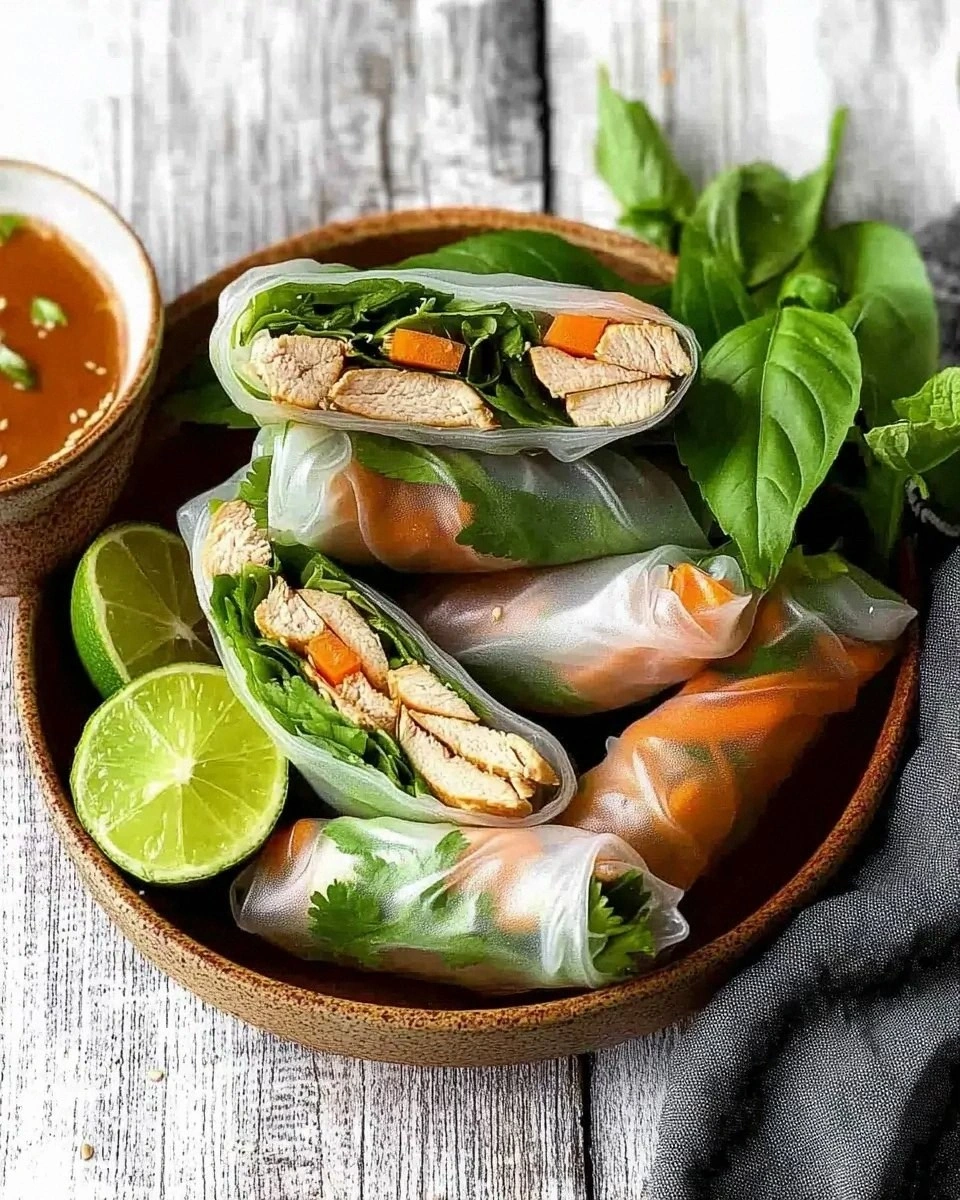
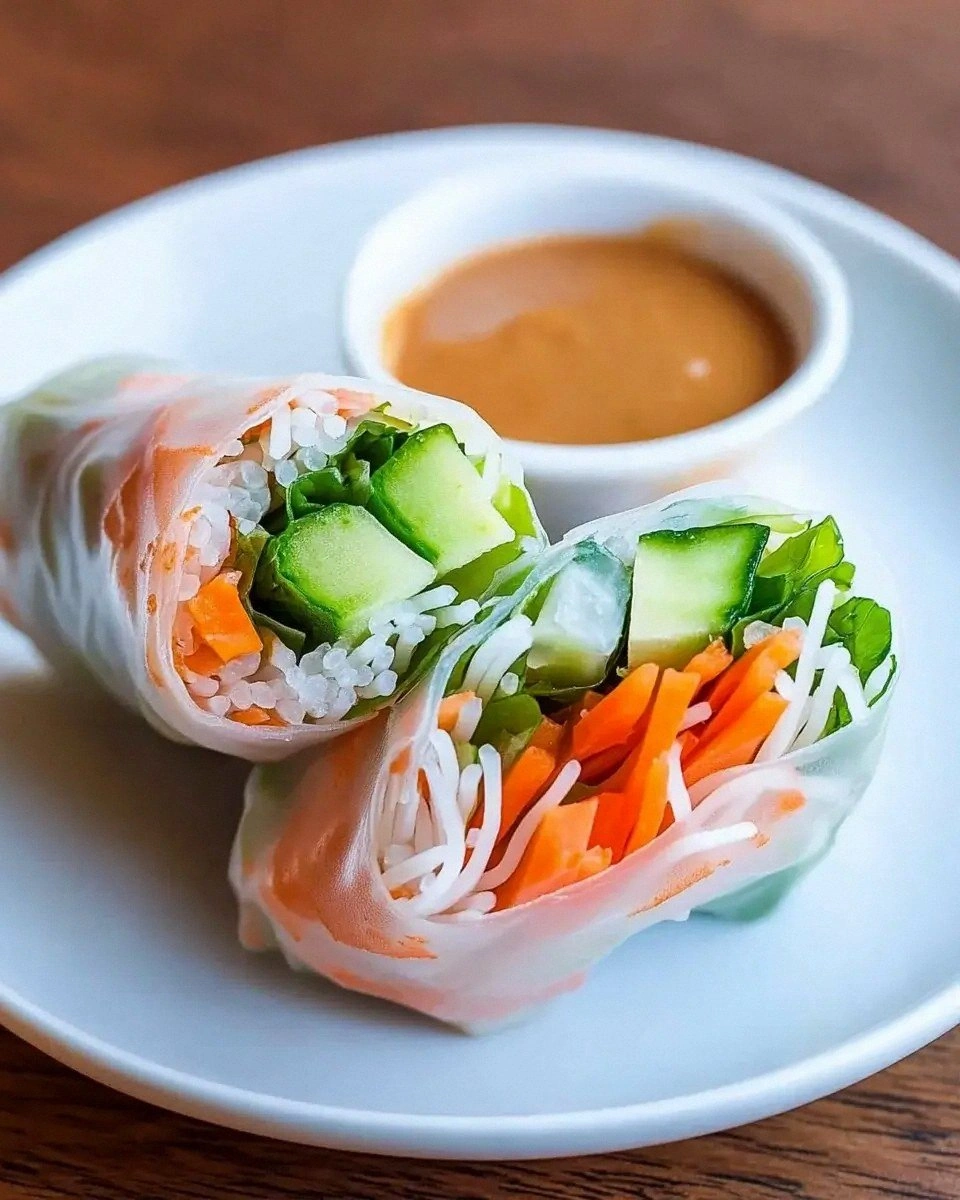
Picture this: the first roll glides onto a plate, its translucent skin catching the light like a sunrise over the Mekong. The scent of fresh mint and cilantro rises, mingling with the faint, nutty perfume of peanut sauce. You hear the gentle rustle of lettuce as you lift the roll, and the snap of carrot sticks echoing like tiny fireworks. The texture is a symphony—soft rice paper, springy noodles, crisp cucumber, and juicy chicken all dancing together. When you finally bite, the flavors explode: sweet, salty, herbaceous, and a whisper of earthiness that makes your taste buds do a little happy dance.
Most recipes get this completely wrong. They either drown the chicken in sauce or make the rolls soggy and unmanageable. My version stands out because I respect each ingredient’s personality and let them shine without stepping on each other. The secret? A quick blanch of the vermicelli to keep them light, a drizzle of lime to brighten the herbs, and a peanut sauce that coats the noodles like velvet without overwhelming the delicate rice paper. I also introduced a tiny dash of toasted sesame oil, an ingredient most people overlook, that adds a whisper of umami you won’t find in any other summer roll guide.
I dare you to taste this and not go back for seconds. The combination of textures and the burst of fresh herbs will have you questioning every other roll you’ve ever made. Let me walk you through every single step — by the end, you’ll wonder how you ever made it any other way.
What Makes This Version Stand Out
- Taste: The peanut sauce is balanced with a splash of lime, creating a bright, tangy finish that cuts through the richness of the chicken.
- Texture: Each bite delivers a crunchy‑fresh‑soft trio—crisp carrots, tender lettuce, and supple rice paper.
- Simplicity: No fancy equipment, just a bowl, a skillet, and a steady hand.
- Uniqueness: The addition of toasted sesame oil gives a nutty depth rarely found in standard roll recipes.
- Crowd Reaction: Even the most skeptical meat‑eaters rave, calling it “the best thing they’ve ever wrapped.”
- Ingredient Quality: Fresh herbs are the heroes; they’re the aromatic backbone that elevates the whole dish.
- Cooking Method: A quick steam‑blanch for the noodles keeps them light and prevents sogginess.
- Make‑Ahead Potential: Assemble the rolls in advance, store them tightly, and they stay fresh for up to 12 hours.
Inside the Ingredient List
The Flavor Base
The peanut sauce is the heart of this roll. Made with smooth peanut butter, soy sauce, lime juice, a hint of honey, and that secret splash of toasted sesame oil, it wraps the noodles like a silk scarf. If you skip the lime, the sauce becomes a heavy blanket rather than a bright accent, and you’ll lose that zing that makes the roll sing. For a nut‑free version, swap the peanut butter for almond butter, but keep the sesame oil for that unmistakable depth.
The Texture Crew
Vermicelli rice noodles bring the chew, lettuce offers a crisp bite, and carrots add a sweet crunch that balances the savory chicken. When the noodles sit too long in hot water, they turn gummy; a 2‑minute dip is all they need. If you’re out of carrots, julienned bell pepper works, though you’ll miss the earthy sweetness that carrots provide.
The Unexpected Star
Fresh mint and cilantro are the surprise guests that turn a good roll into a great one. Mint gives a cooling sensation that counters the warmth of the chicken, while cilantro adds a citrusy, almost peppery note. If you’re not a fan of cilantro, substitute with Thai basil for a slightly different aromatic profile. The key is to keep the herbs whole; tearing them releases bitter oils that can dominate the flavor.
The Final Flourish
Cooked chicken breast provides lean protein without overwhelming the other components. Shredding it finely ensures each bite has an even distribution of meat. If you prefer a richer taste, a quick sear with a pinch of five‑spice powder adds an exotic twist. For a vegetarian spin, replace the chicken with tofu pressed and grilled, but remember to marinate it well to avoid blandness.
Everything's prepped? Good. Let's get into the real action...
The Method — Step by Step
Start by bringing a pot of water to a rolling boil. Drop the vermicelli noodles in and let them swim for exactly 2 minutes, then immediately transfer them to a bowl of ice water. This shock‑cold step stops the cooking process and locks in that perfect springy texture. Tip: If the noodles stick together, toss them with a drizzle of sesame oil.
Kitchen Hack: Use a slotted spoon to lift the noodles out of the ice bath; this prevents them from becoming waterlogged.While the noodles chill, prep your veggies. Julienne the carrots and cucumber into match‑stick sized pieces, tear the lettuce into bite‑size shards, and roughly chop the mint and cilantro. Keep the herbs whole; they’ll release their aroma when you bite, not when you cut.
Now, handle the chicken. If you have a rotisserie chicken, shred it with two forks; otherwise, poach a breast in lightly salted water for 12 minutes, then let it cool and shred. Watch Out: Over‑cooking the chicken makes it dry and tough, which defeats the whole “tender” premise of these rolls.
Watch Out: If you’re using pre‑cooked chicken, give it a quick 30‑second steam to warm it through; cold chicken can cause the rice paper to tear.Prepare a large shallow dish of warm (not hot) water. This will be your dipping station for the rice paper. Submerge a sheet for about 5 seconds, just until it becomes pliable. The moment it’s soft enough to lift, lay it flat on a clean, damp kitchen towel. If you leave it in water too long, it becomes soggy and tears like tissue paper.
Time for assembly—this is the fun part. In the center of the rice paper, place a small handful of lettuce, a line of noodles, a few carrot sticks, cucumber, a sprinkle of mint and cilantro, and finally a generous spoonful of shredded chicken. Drizzle a thin line of peanut sauce over the top, but don’t drown it; you want each bite to have a hint of sauce, not a flood.
Kitchen Hack: Fold the sides of the rice paper before rolling to create a neat package that won’t unravel.Roll tightly, starting from the side nearest you, tucking the filling as you go. The roll should feel firm but not squeezed; you’re aiming for a gentle pressure that holds everything together. When you reach the end, give the roll a final press to seal the edge. The roll should look like a translucent cigar, with a bright green streak of herbs peeking through.
Repeat the process with the remaining rice paper and ingredients. You’ll end up with eight perfectly uniform rolls—each one a miniature masterpiece. If you’re not serving immediately, line them on a plate with parchment paper and cover loosely with plastic wrap to keep the moisture in.
Finally, plate the rolls on a chilled serving platter, drizzle the remaining peanut sauce in a decorative swirl, and garnish with a few extra mint leaves for that Instagram‑ready finish. That sizzle when it hits the pan? Absolute perfection. Okay, ready for the game‑changer? Serve them with a side of lime wedges; the bright citrus will cut through the richness and make each bite feel like a cool breeze on a hot day.
That's it — you did it. But hold on, I've got a few more tricks that'll take this to another level...
Insider Tricks for Flawless Results
The Temperature Rule Nobody Follows
Never use boiling water to soften rice paper; a lukewarm bath is the sweet spot. The paper becomes pliable without becoming gummy, which is the difference between a roll that holds together and one that falls apart the second you try to bite. I once used water straight off the kettle and ended up with soggy, sticky rolls that stuck together like a bad hair day. Keep the water at around 90°C (just below a full boil) and you’ll thank yourself later.
Why Your Nose Knows Best
When you’re cooking the chicken, trust your sense of smell more than a timer. A perfectly cooked breast releases a faint, sweet aroma that signals it’s done. If you rely solely on the clock, you risk overcooking, which leads to dry, stringy meat that ruins the roll’s texture. A quick sniff test saves you from that disappointment.
The 5‑Minute Rest That Changes Everything
After shredding the chicken, let it rest for five minutes covered with foil. This short pause allows the juices to redistribute, ensuring each shred stays moist. I once tossed the chicken straight from the pot into the rolls and ended up with a dry, crumbly texture. A brief rest makes the chicken buttery and succulent.
Sauce Consistency Cheat
If your peanut sauce thickens too much while sitting, whisk in a splash of warm water or coconut milk until it reaches a drizzling consistency. The sauce should coat the noodles like a silk veil, not pool at the bottom of the bowl. This adjustment is especially useful if you prep the sauce ahead of time and it has a chance to firm up.
The Roll‑Tightening Technique
When you roll, start with a gentle tuck, then apply firm pressure as you move forward. Think of it like rolling a sushi mat: you want a tight cylinder without crushing the ingredients. A loose roll will fall apart; an over‑tight roll squeezes out the juices, leaving a dry bite. Find the Goldilocks zone and your rolls will stay intact for hours.
Creative Twists and Variations
This recipe is a playground. Here are some of my favorite ways to switch things up:
Spicy Sriracha Kick
Add a teaspoon of sriracha to the peanut sauce and a few thin slices of jalapeño to the filling. The heat cuts through the richness, turning each bite into a thrilling adventure. Perfect for those who love a little fire.
Tropical Mango Burst
Swap half the cucumber for thinly sliced mango. The sweet, juicy mango pairs beautifully with the salty chicken and creamy sauce, giving the roll a summer vacation vibe.
Crunchy Peanut Crumble
Toast a handful of crushed peanuts and sprinkle them over the assembled rolls before serving. The extra crunch adds a delightful textural surprise that makes the sauce feel even richer.
Herb‑Free Simplicity
If you’re not a fan of mint or cilantro, use Thai basil and a dash of lime zest. The basil brings a sweet, peppery note, while the zest adds a citrusy brightness without the herbaceous “green” flavor.
Vegan Delight
Replace the chicken with marinated grilled tempeh or firm tofu, and swap the peanut sauce for a tahini‑lemon blend. The result is a plant‑based roll that still delivers protein and that signature creamy coating.
Storing and Bringing It Back to Life
Fridge Storage
Place the rolls in an airtight container lined with parchment paper, then cover loosely with a damp paper towel. They’ll stay fresh for up to 12 hours, retaining their texture without becoming soggy. If you notice the rice paper drying out, spritz a quick mist of water before sealing.
Freezer Friendly
Wrap each roll individually in plastic wrap, then stash them in a zip‑top freezer bag. They freeze well for up to one month. When you’re ready to eat, let them thaw in the fridge for a few hours, then give them a quick 30‑second steam to revive the softness.
Best Reheating Method
To bring rolls back to life, place them on a plate, cover with a damp paper towel, and microwave for 20‑30 seconds. Add a tiny splash of water before microwaving; the steam will re‑hydrate the rice paper, making it pliable again. Avoid the oven—it dries the rolls out faster than a desert sunrise.