Picture this: I was halfway through a midnight snack, a bowl of stale crackers, when a stray orange peel slipped from my hand and hit the counter. The citrus burst filled the kitchen, and I realized that the simple zest could turn a bland evening into a fireworks show. That moment sparked a daring experiment, and I was determined to turn that peel into a centerpiece. The result? A zesty orange peel chicken that feels like a hug on a plate. I dare you to taste this and not go back for seconds.
The aroma is a bright, sun‑kissed citrus that immediately lifts the mood, while the faint snap of the peel hitting the pan creates a satisfying crunch. As the juices mingle, the kitchen is filled with a sweet‑savory scent that makes your eyes water in anticipation. The sound of the sauce bubbling is like a tiny orchestra, each note rising and falling in harmony. The first bite is a burst of sweet orange, followed by a savory umami hit, and the finish is a gentle heat that lingers on the tongue. The texture is a delightful contrast: crispy edges that shatter like thin ice, and tender meat that melts in your mouth.
What makes this version stand out is that it doesn't just rely on the obvious citrus punch; it layers depth with fresh ginger, garlic, and a splash of rice wine vinegar that cuts through the sweetness. The sauce coats the chicken like velvet, ensuring every bite is drenched in flavor. The use of cornstarch gives a glossy finish without making it overly thick, and the final sprinkle of spring onions adds a fresh crunch that brightens the dish. The result is a dish that feels both comforting and adventurous, a perfect balance that most recipes miss. I promise you, this is hands down the best version you'll ever make at home.
Picture yourself pulling this out of the pan, the whole kitchen smelling incredible, the orange glaze glistening on the surface. Imagine the first bite sending a wave of citrus, heat, and savory notes through your senses. The anticipation is almost palpable, and the final result will have you asking, “Why did I wait so long to discover this?” Let me walk you through every single step — by the end, you'll wonder how you ever made it any other way.
What Makes This Version Stand Out
- Flavor: The bright orange zest is front and center, providing a citrus burst that cuts through the richness of the chicken. The subtle sweetness balances the savory soy sauce, creating a harmonious profile.
- Texture: Crispy edges that shatter like thin ice meet tender meat that melts in your mouth. The cornstarch coating gives a silky sheen without making the sauce heavy.
- Ingredient Quality: Fresh ginger and garlic add depth, while the rice wine vinegar provides a subtle acidity that lifts the entire dish.
- Simplicity: All the magic happens in a single pan, making this a quick yet impressive dinner that can be whipped up in 45 minutes.
- Uniqueness: The combination of orange peel, sriracha, and a splash of brown sugar creates a flavor profile that feels both familiar and novel.
- Make‑Ahead Potential: The sauce can be pre‑made and refrigerated, allowing you to assemble the dish in minutes when you’re ready to serve.
- Crowd Reaction: Friends will rave about the bright color and the surprising depth of flavor that makes this dish unforgettable.
Inside the Ingredient List
The Flavor Base
Orange zest and juice: The citrus is the star, providing brightness and a natural sweetness that keeps the sauce from becoming cloying. If you skip it, the dish loses its signature zing and becomes just another soy‑based chicken. For a more intense flavor, use a mix of both fresh zest and a splash of orange marmalade.
Rice wine vinegar: This vinegar adds a subtle tang that balances the sugar and soy sauce. Its mild acidity prevents the sauce from becoming too sweet and enhances the orange notes. If you’re vegan, a splash of rice vinegar or apple cider vinegar works just as well.
Brown sugar: The caramelization of brown sugar gives depth and a hint of molasses flavor that complements the citrus. Too little sugar and the sauce will taste flat; too much and it will overpower the chicken. A pinch of honey can be an excellent substitute if you prefer a lighter sweetness.
Sriracha: A dash of sriracha adds a subtle heat that lingers on the palate. It also thickens the sauce slightly, giving it a glossy finish. If you’re heat‑averse, reduce to half a teaspoon or replace with a milder chili paste.
The Texture Crew
Cornstarch: Both the 2 tablespoons and the 1/4 cup of cornstarch are crucial for thickening the sauce and creating a silky coat that clings to the chicken. Skipping it will leave the sauce thin and watery, and the chicken will feel dry. If you’re gluten‑free, cornstarch is already a safe choice.
Vegetable oil: The high‑smoke point oil ensures a crisp exterior without absorbing excess moisture. Using olive oil can change the flavor profile, giving a fruity undertone that some may enjoy. For a smoky twist, try adding a few drops of smoked paprika.
Spring onions: They add a fresh, slightly oniony crunch that balances the sweetness. If you’re allergic, green onions or scallions can be an acceptable swap. Removing them will reduce the overall freshness.
Chicken breasts: Lean protein that absorbs the sauce’s flavors beautifully. Choosing bone‑in, skin‑on breasts can add extra flavor, but they’ll require a longer cooking time. If you prefer a more robust bite, use thighs instead.
The Unexpected Star
Fresh ginger root: Ginger adds a peppery warmth that cuts through the sweetness and complements the citrus. Without it, the dish feels flat and one‑dimensional. If you’re out of fresh ginger, a teaspoon of ginger paste will work in a pinch.
Garlic cloves: Garlic provides an aromatic base that enhances every component of the sauce. Skipping garlic will make the dish taste like a bland orange glaze. Use minced garlic for a more intense flavor.
Everything's prepped? Good. Let's get into the real action...
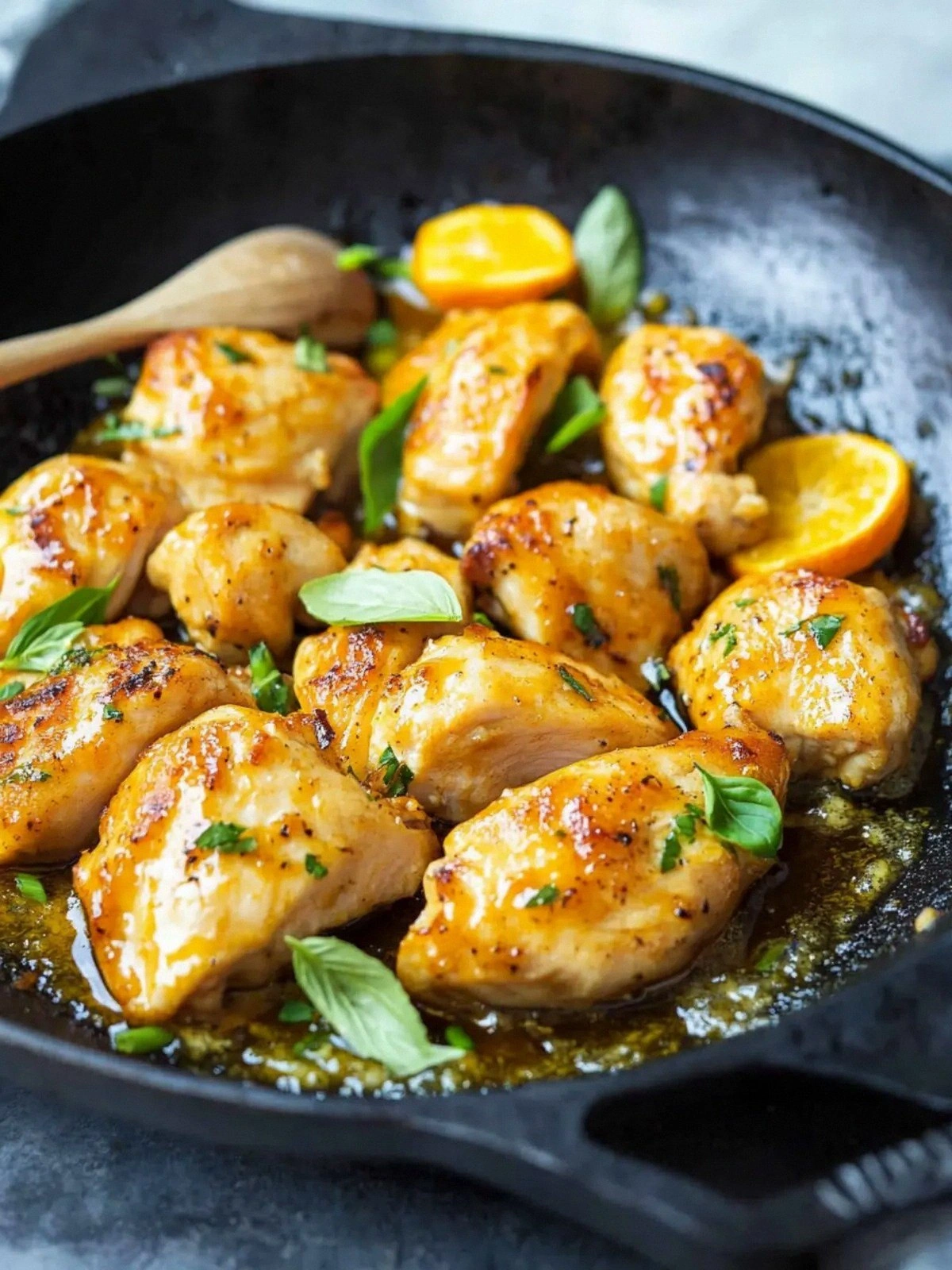
The Method — Step by Step
- Step 1: Pat the chicken breasts dry with paper towels to ensure a crisp exterior. Season both sides with salt and pepper, then dust each piece with the 1/4 cup cornstarch, shaking off any excess. The cornstarch coating will create a silky, golden crust when fried. Let the coated chicken rest for 5 minutes while you prepare the sauce.
- Step 2: In a small bowl, whisk together the orange zest and juice, rice wine vinegar, soy sauce, brown sugar, sriracha, and the 2 tablespoons cornstarch. This mixture should be smooth; if it’s lumpy, strain it through a fine sieve. Set aside to allow the flavors to meld.
- Step 3: Heat 1 cup of vegetable oil in a large skillet over medium‑high heat. Once the oil shimmers, add the chicken breasts, skin‑side down if applicable, and sear until golden brown on the first side, about 3–4 minutes. Flip and sear the other side for another 3 minutes. The oil’s high heat ensures a crispy, caramelized surface.
- Step 4: Reduce the heat to medium and pour the prepared orange sauce over the chicken. Stir gently to coat each piece evenly. The sauce will begin to thicken and bubble, signaling that the cornstarch is doing its job. The aroma will become richer as the sugars caramelize.
- Step 5: Watch Out: When the sauce starts to bubble vigorously, reduce the heat immediately to avoid scorching. This is the point where the sauce can quickly go from glossy to burnt. Keep a close eye on the pan and stir frequently to ensure even cooking.
- Step 6: Add the minced garlic and ginger root to the skillet, letting them sauté for about a minute until fragrant. The aromatics will deepen the sauce’s complexity and give the dish a subtle heat that balances the sweetness. Be careful not to burn the garlic.
- Step 7: Continue simmering for 5 minutes, allowing the chicken to absorb the sauce fully. The sauce should reduce to a glossy glaze that clings to the meat. The chicken’s internal temperature should reach 165°F (74°C) for safety. Once done, remove from heat.
- Step 8: Transfer the chicken to a serving platter, spooning the remaining sauce over the top. Sprinkle with chopped spring onions for a fresh, bright finish. The contrast of the crisp edges and the glossy glaze creates a visual feast.
- Step 9: Serve immediately over steamed rice or a bed of sautéed greens. The dish pairs wonderfully with a crisp white wine or a chilled glass of iced tea. The first bite delivers a burst of citrus, followed by a savory umami hit, and a gentle heat that lingers on the tongue.
That's it — you did it. But hold on, I've got a few more tricks that'll take this to another level. Stay tuned for the insider secrets that will elevate your kitchen game.
Insider Tricks for Flawless Results
The Temperature Rule Nobody Follows
Many cooks over‑cook their chicken, resulting in dry meat that can't hold the sauce. I always keep the skillet at medium heat, which allows the chicken to sear without scorching. The key is to let the oil reach a steady shimmering before adding the chicken, ensuring a crisp crust. Once the chicken is in, reduce the heat after the first sear to maintain a gentle simmer. This subtle temperature shift keeps the interior juicy and the exterior golden.
Why Your Nose Knows Best
The aroma of the sauce is a reliable indicator of doneness. When the orange glaze starts to thicken and emit a sweet, caramelized scent, the sauce is at its peak. If you’re unsure, give the sauce a quick taste; it should be slightly sweet with a hint of tang. The scent is as important as the visual cues, so trust your nose to guide you to the perfect finish.
The 5-Minute Rest That Changes Everything
After removing the chicken from the skillet, let it rest on a cutting board for five minutes before slicing. This allows the juices to redistribute, preventing them from spilling out onto the plate. The rest period also gives the sauce time to thicken slightly, creating a richer coating. I’ve seen people skip this step and end up with a watery dish; trust me, the rest makes all the difference.
The Secret to a Glaze That Sticks
The cornstarch-to-sauce ratio is critical for a glossy, clingy glaze. If you add too much cornstarch, the sauce becomes gummy; too little, and it runs off the chicken. Measure carefully and whisk thoroughly to avoid lumps. The final sauce should coat the chicken like a fine, silky coat that holds together.
How to Keep the Chicken Juicy
A quick trick is to add a splash of chicken stock after searing the chicken. This creates steam that keeps the meat moist while the sauce simmers. The stock also adds a subtle depth that complements the orange and soy flavors. If you’re using bone‑in chicken, this step is even more essential to maintain moisture.
Creative Twists and Variations
This recipe is a playground. Here are some of my favorite ways to switch things up:
Spicy Mango Madness
Swap the orange zest for mango puree and add a handful of chopped fresh mango for a tropical twist. The natural sugars in mango enhance the sweetness, while a pinch of cayenne pepper adds heat. This version pairs beautifully with coconut rice and a chilled mango smoothie.
Herb‑Infused Citrus
Add a handful of fresh basil or cilantro to the sauce for an herbal undertone that brightens the dish. The herbs provide a fresh contrast to the rich orange glaze, making the dish feel lighter. Serve over quinoa for a protein boost.
Smoky Chipotle Glaze
Introduce a tablespoon of chipotle in adobo sauce for a smoky depth. The chipotle’s earthy heat complements the citrus, creating a complex flavor profile. Pair this version with grilled corn and a dollop of sour cream.
Pineapple Perfection
Add a cup of crushed pineapple to the sauce for a sweet, tropical note. The pineapple’s acidity balances the sweetness of the brown sugar, creating a harmonious glaze. Serve with jasmine rice and a sprinkle of toasted coconut flakes.
Gluten‑Free Delight
Use a gluten‑free soy sauce and ensure your cornstarch is labeled gluten‑free. The dish remains just as flavorful, and the gluten‑free version is perfect for those with dietary restrictions. Combine with a side of stir‑fry vegetables for a complete meal.
Storing and Bringing It Back to Life
Fridge Storage
Place the leftover chicken and sauce in an airtight container and refrigerate for up to 3 days. The sauce will thicken in the fridge, so add a splash of water or broth before reheating to restore its glaze. When reheating, use the microwave on medium power for 1–2 minutes, stirring halfway.
Freezer Friendly
The dish freezes well for up to 2 months. Store the chicken and sauce separately in freezer‑safe containers. Thaw overnight in the refrigerator, then reheat in a skillet over low heat, stirring occasionally, until heated through. The sauce may separate; whisk in a teaspoon of cornstarch slurry to re‑emulsify.
Best Reheating Method
Reheat the chicken in a skillet with a splash of water or broth to keep it moist. The sauce will re‑glaze the chicken if you stir it gently, ensuring a cohesive flavor. Serve immediately for the best texture and taste.