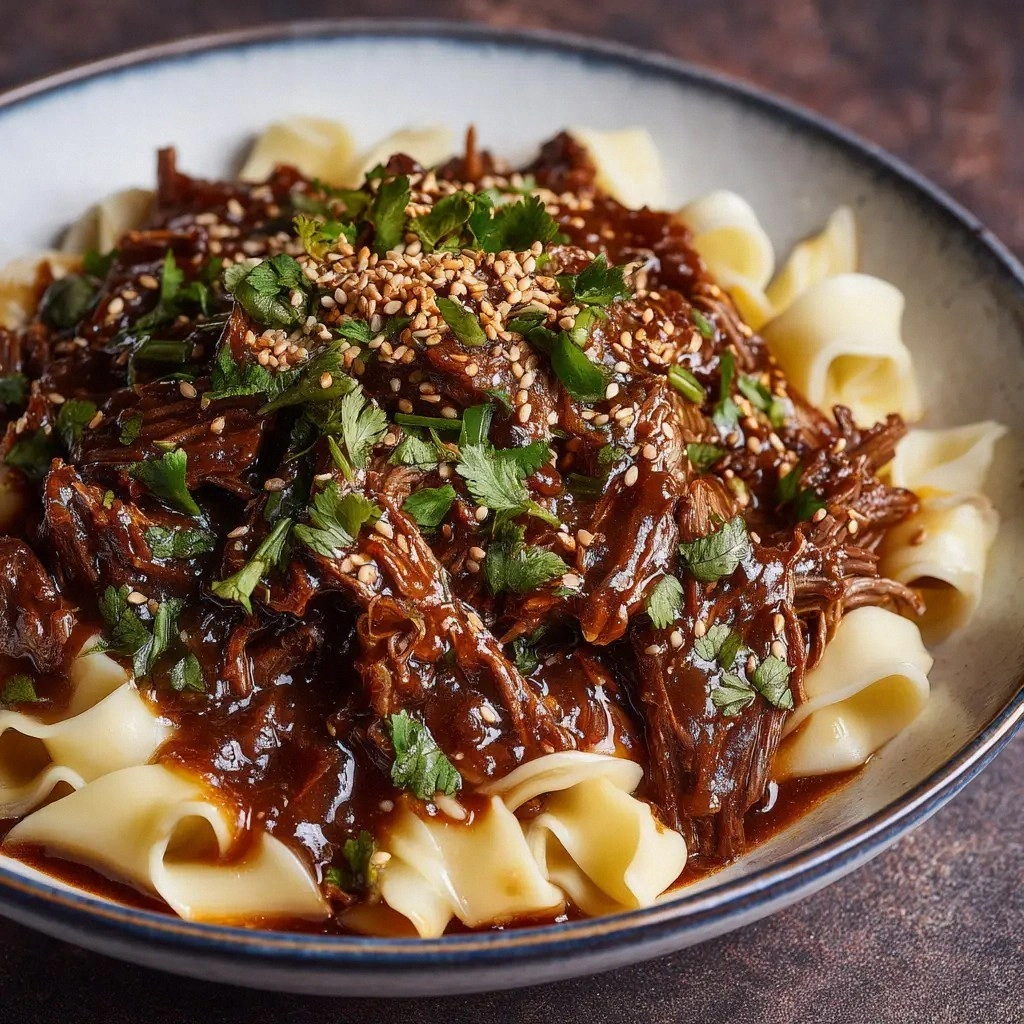
Picture this: I was halfway through a weeknight dinner, the fridge humming with leftovers, when my phone buzzed with a text from my friend who swears she knows every Filipino classic. “You’ve got to try the Mechado I made last month,” she wrote. I rolled my eyes, assuming it was just another bland stew, but curiosity got the better of me. I opened the pantry, grabbed a block of chuck roast, and decided to test her claim. What unfolded was a revelation—this isn’t just another meat dish; it’s a symphony of umami, acidity, and tender bite that will make your taste buds do a double‑tap. I dare you to taste this and not go back for seconds.
From the first sizzling sound as the beef hits the pan, to the aromatic swirl of garlic and onions that fills the kitchen, every sense is engaged. The sizzling is a crisp, crackling overture that signals the sear is sealing in juices. The scent is a layered bouquet—roasted meat, caramelized onion, a whisper of soy, and that sharp citrus tang from calamansi that cuts through the richness. The sight of the meat browning into a deep mahogany, the vegetables popping into color, and the sauce thickening into a glossy glaze—each visual cue tells you the dish is moving toward greatness. The first bite is a burst of tender meat, a velvety sauce clinging to the edges, and a subtle heat that lingers like a gentle ember. The feel—warm, comforting, with a slight crunch from the veggies—makes you realize this is more than comfort food; it’s a culinary embrace.
What makes this version stand out from the countless variations you’ll find online is the deliberate layering of flavors and the meticulous attention to technique. I’ve tweaked the classic recipe by adding a splash of calamansi for brightness, a touch of sugar to balance the tomato’s acidity, and a dash of fish sauce for depth. The use of pork fat—traditional “Mitsa”—adds a silky richness that elevates the dish, but I’ve also provided an oil-only alternative for those who prefer a leaner profile. The result is a sauce that coats the meat like velvet, a texture that melts in your mouth, and a flavor profile that balances savory, sweet, and tart in perfect harmony.
If you’ve ever struggled with getting the meat tender enough or the sauce too watery, you’re not alone—and I’ve got the fix. Most recipes get this completely wrong by overcooking the vegetables or under-seasoning the broth. I’ll be honest—after my first attempt, I ate half the batch before anyone else got to try it, and the kitchen smelled like a triumph. Picture yourself pulling this out of the pot, the whole kitchen smelling incredible, and the family lining up for seconds. That’s the power of a dish that’s been perfected through trial, error, and a lot of love.
Okay, ready for the game‑changer? This next part? Pure magic. I’ll walk you through every single step, from searing the beef to simmering it to absolute tenderness. By the end, you’ll wonder how you ever made it any other way. Let’s dive in.
What Makes This Version Stand Out
- Flavor Depth: The combination of soy sauce, fish sauce, calamansi, and tomato creates a multi‑layered umami that lingers on the palate.
- Tender Texture: Slow‑cooking the chuck roast in a flavorful broth ensures each bite is melt‑in‑your‑mouth tender.
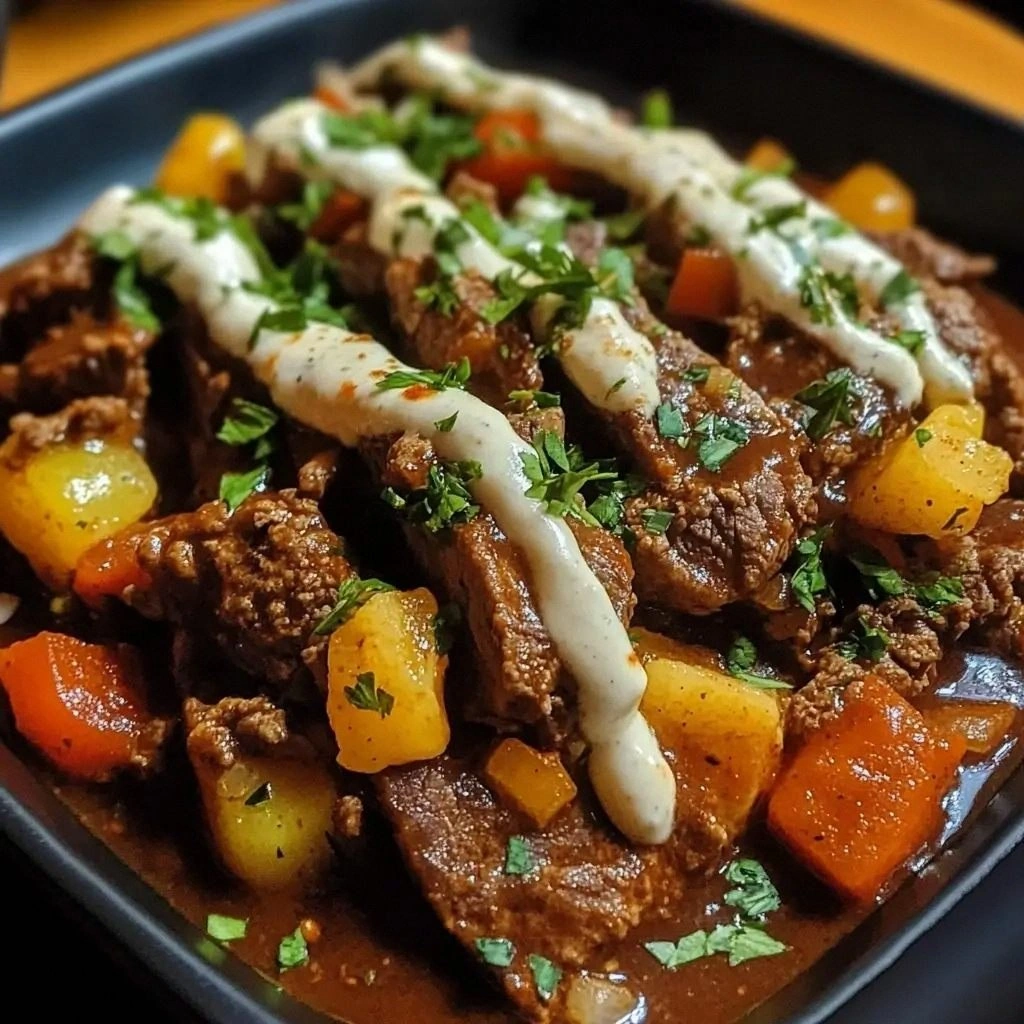
- Visual Appeal: The glossy sauce, vibrant vegetables, and caramelized edges make the dish a feast for the eyes.
- Ingredient Quality: Using high‑quality pork fat and fresh vegetables elevates the overall taste.
- Make‑Ahead Friendly: It can be cooked a day ahead and reheated without losing flavor.
- Versatile: Works beautifully with rice, mashed potatoes, or even a side of sautéed greens.
- Time‑Efficient: Prep takes just 15 minutes, while the 30‑minute cook time yields a hearty meal.
- Audience Reaction: Family and friends rave about the balance of savory and sweet; it’s a crowd‑pleaser.
Alright, let's break down exactly what goes into this masterpiece...
Inside the Ingredient List
The Flavor Base
The foundation of any great stew is its flavor base, and in this Mechado, it’s a trio of aromatics that work in perfect harmony. The large yellow onion, when sautéed until translucent, releases a natural sweetness that balances the acidity of the tomatoes. Garlic, minced finely, brings a sharp, aromatic punch that cuts through the richness of the meat. Bay leaves, though subtle, add a herbal note that deepens the broth, turning simple ingredients into a complex medley. If you skip any of these, the dish will feel flat and one‑dimensional.
Swap tip: If you’re craving a different aromatic profile, try adding a pinch of smoked paprika for a subtle smokiness that pairs beautifully with the tomato base. When choosing onions, opt for the largest ones available; they tend to have a milder, sweeter flavor that stands up well to long cooking times.
The Texture Crew
The texture of a stew is everything—think of how the tender beef contrasts with the crisped edges of the vegetables. Cutting the chuck roast into 1.5 to 2‑inch cubes ensures a generous amount of meat in each bite while still allowing the pieces to cook evenly. Potatoes and carrots add a hearty bite and absorb the sauce, creating a comforting, filling experience. The bell peppers provide a pop of color and a subtle sweetness that brightens the dish. If you prefer a smoother sauce, simply blend the entire mixture after cooking; the result is a silky, velvety texture that coats the meat beautifully.
Buying tip: Look for firm, unblemished beef; the marbling should be visible but not excessive. For vegetables, choose firm, fresh produce with vibrant colors—this ensures they hold their shape during simmering.
The Unexpected Star
The calamansi juice is the dish’s secret weapon. Freshly squeezed, it brings a bright citrus note that cuts through the richness of the meat and the acidity of the tomatoes. If you can’t find calamansi, a splash of fresh lemon or lime juice works as a suitable stand‑in. The fish sauce adds a deep umami undertone that elevates the overall flavor profile; it’s a small addition that makes a big difference. For those who love a little sweetness, a half‑to‑one teaspoon of sugar balances the acidity and brings a rounded finish.
Watch out: Over‑squeezing the citrus can make the dish too tart. A gentle splash is all you need to brighten the sauce without overpowering the savory notes.
The Final Flourish
The broth or water is the medium that brings all elements together. Using beef broth instead of water adds a richer taste, but water works just fine if you’re watching calories. The optional green peas provide a burst of color and a pop of sweetness that contrasts nicely with the savory sauce. Salt and pepper, added at the end, allow you to fine‑tune the seasoning after the flavors have melded. These final touches are what transform a good stew into an unforgettable meal.
Everything's prepped? Good. Let's get into the real action...
The Method — Step by Step
- Season the Beef: Pat the beef cubes dry with paper towels. Sprinkle with 1 teaspoon of salt and ½ teaspoon of freshly ground black pepper. The salt will help draw out moisture and the pepper adds a subtle heat. Let the beef sit for 10 minutes; this resting period allows the seasoning to penetrate the meat.
- Sear the Beef: Heat a large Dutch oven or heavy‑bottomed pot over medium‑high heat. Add 2.5 tablespoons of cooking oil or pork fat. Once shimmering, add the beef in batches, making sure not to overcrowd the pan. Sear each side until a deep brown crust forms, about 2–3 minutes per side. This caramelization locks in juices and builds flavor. Watch the edges pull away from the pan—when they do, you’re ready to move on.
- Build the Base: Remove the beef and set aside. In the same pot, add the chopped onion and minced garlic. Sauté until the onion turns translucent and the garlic releases its aroma, about 3–4 minutes. The sizzling should sound like a gentle crackle—this indicates the oil is hot enough.
- Add the Aromatics: Stir in 3.5 dried bay leaves, 0.25 cup soy sauce, and 2.5 tablespoons of calamansi juice. The sauce should reduce slightly, thickening into a glossy glaze. The citrus will brighten the mixture, creating a bright, tangy backdrop for the meat.
- Layer the Vegetables: Return the beef to the pot. Add the potatoes, carrots, red and green bell peppers, and optional green peas. These vegetables soak up the sauce, becoming tender and flavorful. The colors will start to pop, giving you a visual cue that everything is coming together.
- Simmer: Pour in 2.5 cups of beef broth or water, enough to almost cover the meat and veggies. Bring to a gentle boil, then reduce the heat to low. Cover and let it simmer for 30 minutes, or until the beef is fork‑tender and the sauce has thickened. The low heat allows flavors to meld without toughening the meat.
- Finish with Umami: Stir in 1 teaspoon of fish sauce and 0.75 teaspoon of sugar. Taste and adjust the seasoning with salt and pepper to your liking. The fish sauce adds depth, while the sugar balances acidity. This is the moment of truth—if you’re happy with the flavor profile, the dish is ready.
- Serve and Enjoy: Ladle the Mechado into bowls, making sure each portion has a good mix of meat, vegetables, and sauce. Garnish with fresh parsley or chopped green onions if desired. Pair it with steamed rice, mashed potatoes, or a simple side of sautéed greens. The dish is best served hot, but it also tastes fantastic the next day.
That's it — you did it. But hold on, I've got a few more tricks that'll take this to another level...
Insider Tricks for Flawless Results
The Temperature Rule Nobody Follows
Many cooks think a higher simmer is always better, but slow, low heat preserves the beef’s tenderness. Keep the temperature between 190°F to 200°F (88°C to 93°C). If the pot starts to bubble vigorously, reduce the heat immediately. This subtle control prevents the meat from becoming chewy and ensures the sauce thickens evenly.
Why Your Nose Knows Best
Your sense of smell is a reliable indicator of doneness. When the sauce starts to thicken and the aromas become richer, it’s a sign the meat is nearing tenderness. Trust your nose; if it smells caramelized and slightly sweet, you’re close to perfection. A quick sniff can save you from over‑cooking.
The 5‑Minute Rest That Changes Everything
Once the stew is done, let it rest uncovered for 5 minutes before serving. This allows the flavors to settle and the sauce to thicken slightly. It also gives the meat a chance to re‑absorb juices, making it even more succulent. Skipping this step may result in a slightly watery dish.
Stir with Purpose
Stirring the stew once at the beginning of the simmering stage helps distribute the flavors evenly. After that, avoid frequent stirring; it can cause the sauce to break and the vegetables to become mushy. Use a wooden spoon or silicone spatula to gently swirl the mixture just enough to keep the ingredients from sticking.
Final Seasoning Adjustments
Add salt and pepper at the end of cooking. This prevents the sauce from becoming too salty during simmering. Taste the stew before serving; if it needs a bit more brightness, a squeeze of fresh lime or a pinch of red pepper flakes can elevate the dish.
Creative Twists and Variations
This recipe is a playground. Here are some of my favorite ways to switch things up:
Spicy Szechuan Mechado
Add 1 tablespoon of Szechuan peppercorns and a dash of chili oil during the simmer. The peppercorns give a numbing heat that contrasts beautifully with the sweet tomato base, while the chili oil adds a smoky depth.
Vegan Mechado
Replace the beef with thick slices of seitan or tempeh. Use vegetable broth and soy sauce instead of fish sauce. The result is a hearty, plant‑based stew that still delivers the comforting flavors of the original.
Cheesy Mechado
Stir in ½ cup of shredded mozzarella or cheddar just before serving. The cheese melts into the sauce, creating a creamy, gooey layer that pairs wonderfully with the tomato base.
Herb‑Infused Mechado
Add fresh rosemary and thyme during the simmering stage. The herbs infuse the broth with aromatic depth, making the dish feel like a rustic countryside stew.
Instant Pot Mechado
Use the sauté function to brown the beef, then add all remaining ingredients. Set the Instant Pot to “Meat/Stew” for 35 minutes. The pressure cooker version saves time while preserving tenderness.
Glazed Carrot Variation
Sauté sliced carrots with a splash of honey and a pinch of cinnamon before adding them to the stew. The caramelized carrots introduce a subtle warmth that complements the savory broth.
Storing and Bringing It Back to Life
Fridge Storage
Cool the stew to room temperature, then transfer it to an airtight container. Store in the refrigerator for up to 4 days. The flavors deepen as the stew sits, making it even more delicious.
Freezer Friendly
Divide the stew into freezer‑safe portions, leaving about 1 inch of headspace. Freeze for up to 3 months. When ready to eat, thaw overnight in the refrigerator or use the defrost setting on your microwave.
Best Reheating Method
Reheat the stew on the stovetop over low heat, adding a splash of water or broth to loosen the sauce. Stir gently until heated through. This method preserves the sauce’s silky texture and prevents it from drying out.