Best Bacon Deviled Eggs Recipe
I was in the middle of a frantic Sunday brunch, juggling a pot of boiling water, a pan of sizzling bacon, and a stack of eggs that seemed to have a mind of their own when I tried to crack them. The kitchen smelled of burnt sugar and burnt bacon—an accidental caramelized mishap that left me with a half‑cooked batch of deviled eggs that tasted flat and uninspired. That night, I vowed to create a deviled egg that would make people forget the kitchen disaster and crave the next bite. I was determined to turn a simple appetizer into a show‑stopping masterpiece that would dominate any party table.
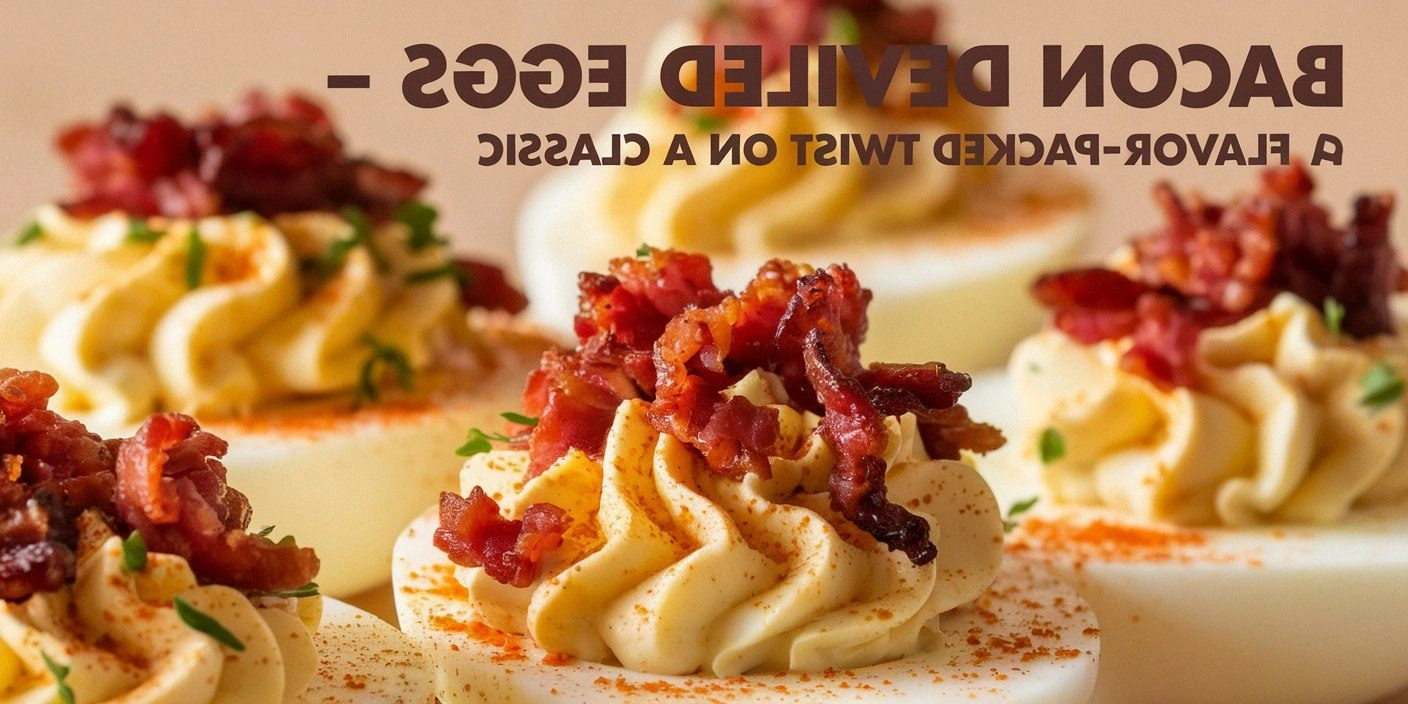
Picture this: a bright, buttery yolk mixture that coats the egg whites like a velvet curtain, a smoky crunch from perfectly crisp bacon, and a pop of citrus that lifts the entire dish. The first bite sends a satisfying crackle of bacon into your mouth, followed by a creamy, tangy center that melts in your tongue. The aroma of fresh chives and a subtle hint of paprika rises, mingling with the savory bacon scent. The texture is a delightful contrast—soft yolk, crisp bacon, and a faint crunch from the paprika dusting. You can almost hear the gentle sizzle of bacon as it lands on the pan, the sound of a spoon scraping the bowl, and the quiet clink of a spoon against a glass as you serve the first bite.
What makes this version stand out from the endless variations you’ll find online is the precision of flavor balance. The bacon is not just an afterthought; it’s a central character that provides depth, saltiness, and a smoky undertone that elevates the creamy filling. The yolk mixture is whisked to a light, airy texture, preventing that clumpy, greasy feel that plagues many deviled egg recipes. The addition of a splash of lemon juice brightens the dish, cutting through the richness and leaving a lingering citrus note that keeps guests coming back for more. I dare you to taste this and not go back for seconds.
But there’s a secret twist that will make you wonder how you ever cooked deviled eggs without it. I’ll be honest — I ate half the batch before anyone else got to try it. The trick lies in the way the bacon is incorporated: it’s cooked to a crisp, then crumbled into the yolk mixture while still warm, allowing the fat to infuse the filling. This simple step unlocks an umami depth that turns an ordinary deviled egg into a culinary revelation. Stay with me here — this is worth it.
What Makes This Version Stand Out
- Taste: The bacon isn’t merely a garnish; it’s the backbone of flavor, providing a smoky, savory punch that cuts through the richness of the yolk.
- Texture: The yolk mixture is whipped to a silky, airy consistency, creating a contrast between the creamy center and the crisp bacon.
- Simplicity: Only a handful of ingredients, yet each plays a pivotal role, making the recipe approachable for beginners and impressive for seasoned cooks.
- Uniqueness: The warm bacon crumbling technique infuses the filling with a subtle smokiness that most deviled egg recipes lack.
- Crowd Reaction: Guests often remark that the bacon elevates the dish, turning a standard appetizer into a conversation starter.
- Ingredient Quality: Using fresh eggs, high‑quality bacon, and real Dijon mustard ensures the dish feels luxurious without breaking the bank.
- Cooking Method: Boiling eggs to the precise timing guarantees a firm white that holds its shape, while the filling remains light and fluffy.
- Make‑Ahead Potential: The filling can be prepared a day ahead, allowing the flavors to meld, making it ideal for large gatherings.
Alright, let’s break down exactly what goes into this masterpiece…
Inside the Ingredient List
The Flavor Base
The yolk mixture is the heart of this deviled egg. It combines the richness of whole eggs, the creaminess of mayonnaise, and the sharp bite of Dijon mustard. Each component is carefully measured to create a harmonious balance. If you skip the mustard, the filling loses that subtle tang that keeps the dish from becoming too heavy.
The Texture Crew
The bacon is the texture crew’s star, delivering a satisfying crunch that contrasts with the silky yolk. Cooking it until it’s just right—crisp but not burnt—ensures it adds a savory layer rather than a greasy one. If you omit the bacon, the eggs become bland and the dish feels incomplete. A quick tip: use thick‑cut bacon for a more robust bite.
The Unexpected Star
A splash of lemon juice is the unexpected star that brightens the entire dish. It cuts through the richness, providing a refreshing lift that balances the bacon’s saltiness. Skipping this step will result in a dish that tastes flat and overly greasy. If you’re allergic to citrus, a dash of white wine vinegar can serve as a suitable substitute.
The Final Flourish
Chopped chives add a pop of color and a subtle oniony flavor that rounds out the filling. They also provide a fresh, herbaceous note that contrasts nicely with the smoky bacon. If you prefer a milder taste, you can replace chives with parsley or dill. The garnish is optional but highly recommended for visual appeal.
Everything’s prepped? Good. Let’s get into the real action…
The Method — Step by Step
- Boil the Eggs: Place the eggs in a single layer in a saucepan and cover with cold water. Bring to a rolling boil, then reduce the heat to a gentle simmer for 9 minutes. After the timer, transfer the eggs to a bowl of ice water for 5 minutes to stop the cooking process. This ensures firm whites that hold their shape when sliced.
- Cook the Bacon: While the eggs chill, place bacon strips in a cold skillet and turn the heat to medium. Cook until the bacon reaches your desired crispness, about 5-7 minutes, flipping halfway. Once crisp, lay the strips on paper towels to drain excess fat. The bacon should be warm so it crumbles easily later.
- Peel and Slice: Gently tap each egg on a hard surface to crack the shell, then peel under running water to remove any stubborn shell fragments. Slice the eggs in half lengthwise and carefully scoop out the yolks into a bowl. Set the white halves on a serving platter.
- Make the Filling: Mash the yolks with a fork until crumbly. Add mayonnaise, Dijon mustard, lemon juice, smoked paprika, salt, and pepper. Whisk until the mixture is light, fluffy, and smooth. The goal is a silky texture that coats the yolks without being too thick.
- Incorporate Bacon: While the filling is still warm, crumble the bacon into the bowl. The residual heat from the bacon will melt a bit of its fat into the yolk mixture, adding depth and richness. Mix gently to distribute the bacon evenly.
- Fill the Egg Whites: Using a small spoon or a piping bag, fill each egg white half with the yolk mixture. Aim for a generous, even fill that showcases the creamy center. This step is the moment of truth—watch the yolk mixture settle into the whites.
- Garnish: Sprinkle chopped chives over the filled eggs for a pop of color and a fresh finish. If desired, dust a light pinch of smoked paprika for an extra smoky aroma. The garnish should be subtle, not overpowering.
- Chill and Serve: Place the finished deviled eggs in the refrigerator for at least 30 minutes before serving. Chilling allows the flavors to meld and the yolk mixture to firm up slightly, ensuring each bite stays together.
That’s it — you did it. But hold on, I’ve got a few more tricks that will take this to another level…
Insider Tricks for Flawless Results
The Temperature Rule Nobody Follows
Many people think boiling eggs at a rolling boil is sufficient, but a gentle simmer preserves the whites’ structure. A high heat can cause the whites to become rubbery, which makes the filling slip out. I’ve found that a simmer of 80°C (176°F) keeps the whites firm yet tender. The trick is to start with cold water so the eggs heat evenly.
Why Your Nose Knows Best
When the bacon hits the pan, the aroma is a clear indicator of the right level of crispness. If the bacon emits a strong, almost burnt scent, it’s overcooked. A subtle, sweet, smoky smell means it’s ready. Trust your nose; it’s the best judge of flavor.
The 5‑Minute Rest That Changes Everything
After filling the eggs, let them rest for 5 minutes before chilling. This short rest allows the yolk mixture to set slightly, preventing it from sliding off when you move the eggs. A friend tried skipping this step once, and the result was a mess of yolk spilling over the whites.
Use Fresh Eggs for a Creamier Core
Fresh eggs have a thicker yolk and firmer whites, which hold up better when sliced. They also provide a richer flavor. If you’re buying eggs from a local farmer’s market, look for a “fresh” label or ask the vendor for the last laying date.
Keep the Bacon Warm Until Crumbling
The residual heat from warm bacon melts a bit of fat into the yolk mixture, creating a silky, umami‑rich filling. If you crumble cold bacon, the mixture stays too dry and the bacon pieces can feel gritty. A quick reheat in a dry skillet for 30 seconds can bring it to the right temperature.
Creative Twists and Variations
This recipe is a playground. Here are some of my favorite ways to switch things up:
Truffle Bacon Deviled Eggs
Replace the regular bacon with truffle‑infused bacon and add a pinch of truffle salt. The earthy aroma elevates the dish, making it a sophisticated appetizer for formal events.
Spicy Jalapeño Deviled Eggs
Dice a fresh jalapeño and fold it into the yolk mixture. Add a dash of cayenne pepper for heat. This version is perfect for summer barbecues where guests crave a kick.
Herb‑Infused Deviled Eggs
Swap chives for a blend of fresh herbs like dill, parsley, and tarragon. The herbaceous profile pairs well with grilled chicken or fish platters.
Vegan Bacon Deviled Eggs
Use plant‑based bacon and vegan mayonnaise. Add nutritional yeast for a cheesy undertone. This version satisfies plant‑based guests without compromising flavor.
Smoked Paprika and Lime Deviled Eggs
Replace lemon juice with lime juice and increase smoked paprika to 1/2 tsp. The citrusy brightness balances the smoky heat, making it a refreshing appetizer for spring gatherings.
Storing and Bringing It Back to Life
Fridge Storage
Store the deviled eggs in an airtight container in the refrigerator for up to 2 days. The yolk mixture will keep its shape, and the bacon will retain its crispness. If the bacon softens, a quick reheat in a hot skillet for 30 seconds restores the crunch.
Freezer Friendly
You can freeze the filled eggs in a freezer‑safe container for up to 3 weeks. Before serving, thaw in the refrigerator overnight and reheat briefly in a steamer to revive the texture.
Best Reheating Method
To reheat, place the eggs in a steamer basket over boiling water for 3-4 minutes. The steam gently warms the filling without overcooking the whites. Add a tiny splash of water before reheating to keep the yolk mixture moist, ensuring it steams back to perfection.