The first time I tried to make a Christmas Cake Roll, the kitchen felt like a battlefield. A handful of flour, a splash of brandy, and a daring wish to impress my friends turned into a disaster when the batter collapsed like a bad soufflé. I stared at the ruined sheet, the batter sticking to the pan like stubborn glue, and thought, “I’ve never seen a cake that refuses to rise before the first bite.” That night, I decided to rewrite the rules and create a version that would make even the most skeptical taste buds swoon.
Picture this: the oven preheats to a steady 350°F, the air thick with the scent of warm spices and caramelized sugar. Your whisk is dancing, the batter glistening like a glossy ribbon. The moment you slide it onto the baking sheet, you hear that satisfying crackle as the edges begin to set. The kitchen fills with the promise of a holiday treat that will sit on the table like a polished trophy. This is not just another dessert; it’s a story you’ll tell for years.
What makes this version stand out is that it’s built on three core principles: balance, texture, and anticipation. The batter is light enough to roll yet dense enough to hold its shape, thanks to the careful ratio of flour to butter and the inclusion of dried fruit that adds bursts of sweetness. The filling, a luscious combination of citrus zest, brandy, and a touch of vanilla, gives each bite a complex, layered flavor that keeps you coming back for more. And the final dusting of powdered sugar gives that classic holiday crunch that feels like a snowy finish.
I dare you to taste this and not go back for seconds. The first bite delivers a gentle sweetness, the second a hint of citrus, and the third a deep, comforting warmth from the spices. It’s like a cozy blanket you can eat, and trust me, you’ll want to keep it warm all day long. The next part? I’ve got a trick that will elevate your roll from good to unforgettable.
I’ve spent years experimenting with holiday desserts, and this is hands down the best version you’ll ever make at home. Most recipes get this completely wrong by overbaking or under-seasoning, but I’ve cracked the secret to a perfectly moist, flavorful roll that holds together like a well‑tied knot. The result is a cake that looks elegant, tastes divine, and feels like a warm hug wrapped in icing.
If you've ever struggled with a Christmas Cake Roll that ends up too dry or too sticky, you're not alone — and I've got the fix. Picture yourself pulling this out of the oven, the whole kitchen smelling incredible, and then slicing it with a clean, sharp knife that leaves each piece perfectly shaped. That moment of triumph is worth every minute of prep and every tweak I’ll share. Let me walk you through every single step — by the end, you'll wonder how you ever made it any other way.
What Makes This Version Stand Out
- Taste: The blend of warm spices, citrus zest, and a splash of brandy creates a flavor profile that sings with holiday cheer. Each bite is a crescendo of sweetness and spice that lingers long after the last crumb.
- Texture: The batter is airy yet dense enough to hold its shape, while the filling is silky and smooth. The result is a cake that melts in your mouth and stays intact when you slice it.
- Ease: Despite its complex flavor, the recipe uses simple, everyday ingredients and straightforward techniques that anyone can master.
- Uniqueness: The inclusion of a citrus‑brandy glaze and a chocolate variation adds a modern twist to a traditional holiday staple.
- Showmanship: The finished roll is a showstopper that will impress guests at any gathering, making it a perfect centerpiece for holiday parties.
- Make‑Ahead: It can be prepared days in advance, then reheated to restore freshness, making it ideal for busy holiday schedules.
Inside the Ingredient List
The Flour Foundation
All-purpose flour is the backbone of the cake, providing structure without making the roll heavy. Using 2 cups of flour ensures a balance between lightness and chewiness. Skipping it would leave you with a crumbly, uncoordinated batter that collapses under its own weight. If you’re looking for a gluten-free version, swap it for a 1:1 gluten-free blend, but be mindful that the texture will shift slightly, becoming denser.
The Sweet Core
Granulated sugar, 1 cup, is the sweetener that caramelizes on the surface, giving the roll a golden crust. It also helps the butter and flour blend into a smooth batter. Reducing the sugar will make the cake less sweet but still enjoyable; increasing it will give a sharper finish that might overwhelm the spices.
The Fat Layer
Unsalted butter, 1 cup, softened to room temperature, adds richness and moisture. Butter’s natural fats create a tender crumb that’s both buttery and slightly crisp on the edges. If you use salted butter, you’ll need to adjust the pinch of salt accordingly. For a lighter version, substitute half the butter with Greek yogurt, but be prepared for a slightly denser texture.
The Egg Boost
Eggs bind the batter, provide structure, and create a delicate crumb. Four large eggs give the roll its rise and help it hold together during the rolling process. If you’re vegan, replace the eggs with 4 flaxseed meal “eggs” (1 tbsp flaxseed meal + 3 tbsp water per egg). The texture will be slightly different but still workable.
The Spice Ensemble
Cinnamon, nutmeg, cloves, and ginger are the star performers, each bringing its own warmth. Together, they create a complex flavor that is unmistakably holiday. Skipping any of these will result in a less aromatic cake. For a milder version, reduce the cloves to half a teaspoon.
The Dried Fruit and Nut Surprise
Dried fruit (raisins, currants, candied citrus) and walnuts add chewiness and a burst of natural sweetness. They also provide visual contrast, making the roll look festive. If you prefer a nut-free version, replace the walnuts with chopped dried apricots or simply omit them.
The Alcoholic Touch
Brandy or orange liqueur, 2 tablespoons, is the secret to depth. It infuses the cake with a subtle warmth that pairs beautifully with the spices. If you’re avoiding alcohol, replace it with an equal amount of orange juice or a splash of vanilla extract for a similar aromatic lift.
The Final Flourish
Powdered sugar for dusting, 1 cup, gives the roll a delicate sweetness and a snowy appearance. Lemon zest adds a bright counterpoint to the spices, while vanilla extract deepens the flavor profile. The glaze, made from a blend of melted butter and brandy, creates a shiny, flavorful coating that locks in moisture.
Everything's prepped? Good. Let's get into the real action…
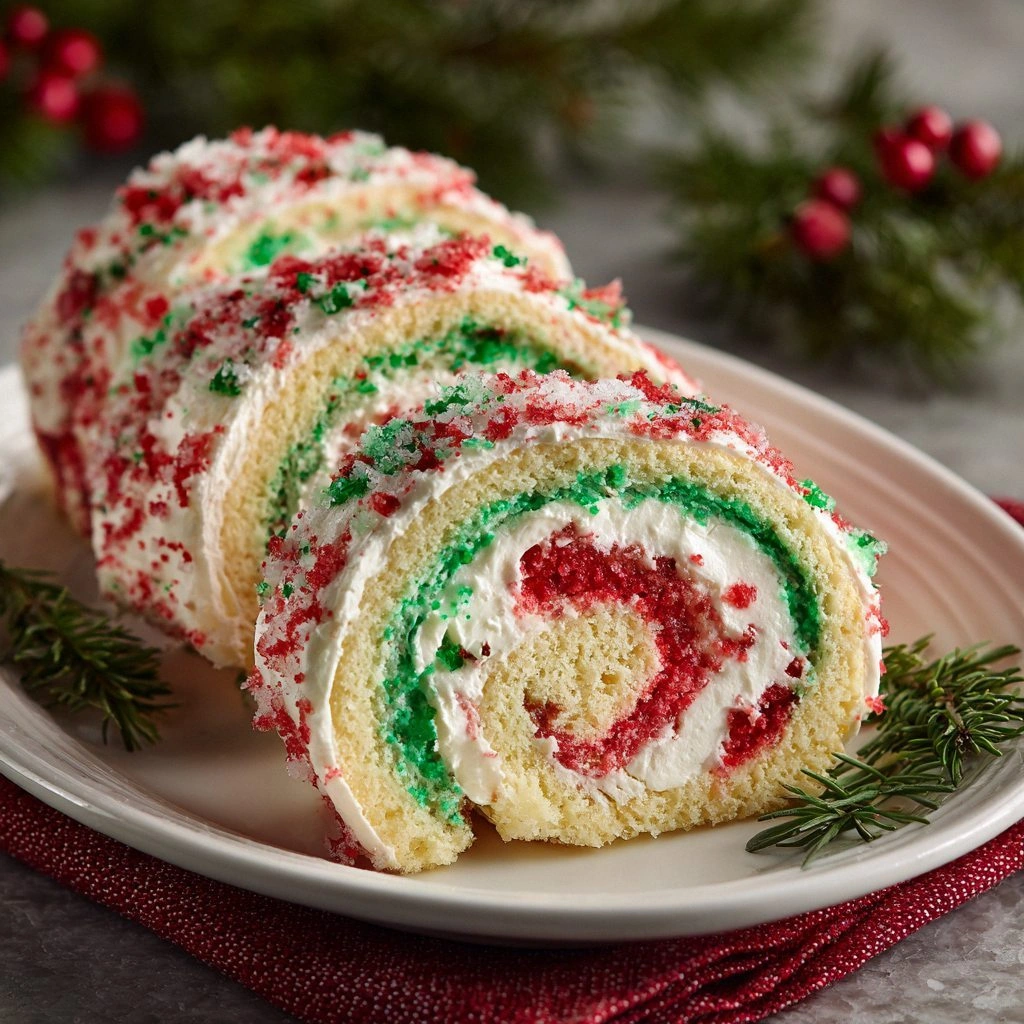
The Method — Step by Step
- Preheat your oven to 350°F (175°C). Line a 9x13 inch baking sheet with parchment paper, leaving a few inches of overhang on each side. This will allow you to roll the cake later without tearing. The parchment also prevents sticking and makes cleanup a breeze.
- In a large mixing bowl, cream together the softened butter and granulated sugar until light and fluffy, about 3–4 minutes with an electric mixer on medium speed. The goal is to incorporate air, which will help the cake rise and give it a tender crumb. If you’re doing it by hand, use a wooden spoon until the mixture is pale.
- Add the eggs one at a time, beating well after each addition. The batter should thicken slightly and become glossy. This step is critical; skipping it will result in a dense, uneven cake. Be sure to scrape down the sides of the bowl after each egg.
- Sift together the flour, baking powder, cinnamon, nutmeg, cloves, ginger, and a pinch of salt. Gradually fold the dry ingredients into the butter mixture until just combined. Overmixing can make the cake tough, so stop as soon as the flour disappears.
- Fold in the dried fruit, walnuts, and brandy. The fruit will absorb some of the liquid, creating pockets of flavor. If you prefer a chocolate version, stir in 1 tablespoon of cocoa powder at this point. The batter will look slightly darker but will still spread evenly.
- Pour the batter onto the prepared baking sheet, spreading it evenly with a spatula. The batter should be about 1/4 inch thick. Bake for 20–25 minutes, or until a toothpick inserted into the center comes out clean and the edges begin to pull away from the parchment. The aroma of toasted spices will fill the kitchen.
- While the cake is baking, prepare the glaze. In a small saucepan, combine melted butter and brandy over low heat. Warm until the mixture is glossy and slightly reduced; it should coat the back of a spoon. This glaze will be brushed over the warm cake to lock in moisture and add shine.
- Once baked, immediately remove the cake from the oven and brush it generously with the glaze while it’s still hot. The glaze will seep into the cracks, giving the cake a glossy finish. Let the cake cool on the sheet for 5 minutes before rolling.
- Place a clean kitchen towel over the cake, and using the parchment overhang, roll the cake up tightly. The towel helps keep the roll from sticking and provides a smooth surface. Roll for 30–60 seconds, then wrap the roll in plastic wrap and refrigerate for at least 2 hours to set the shape.
- Before slicing, remove the plastic wrap and gently unroll the cake. Spread a thin layer of buttercream or whipped cream, if desired, and then re-roll. Slice with a sharp knife, wiping the blade between cuts for clean, neat slices.
That's it — you did it. But hold on, I've got a few more tricks that'll take this to another level. Keep reading for insider tips that will make your roll the talk of the holiday season.
Insider Tricks for Flawless Results
The Temperature Rule Nobody Follows
Many bakers bake at a high temperature, thinking it will speed up the process. The trick is to bake at 350°F (175°C) for 20–25 minutes. This slower, steady heat allows the cake to rise evenly and prevents the edges from overcooking while the center remains underdone. I’ve seen cakes that look golden on the outside but are raw inside; that’s a recipe failure you can avoid.
Why Your Nose Knows Best
The aroma of baking spices is a reliable indicator of readiness. When the cake starts smelling like toasted cinnamon and nutmeg, it’s almost done. Trust your senses: the batter should have a faint, sweet scent, and the edges should lift slightly from the parchment. If you’re unsure, do the toothpick test; if it comes out clean, you’re good.
The 5-Minute Rest That Changes Everything
After baking, let the cake cool on the sheet for five minutes before rolling. This short rest allows the structure to set, making the roll less likely to crack. I’ve seen rolls that crumble because they were rolled too hot. That five-minute pause is worth the extra patience.
The Secret to a Smooth Roll
Roll the cake while it’s still warm, but not hot. Warm batter is pliable, yet it won’t be so soft that it tears. If you need to re-roll, wrap the cake in plastic wrap and chill it for 30 minutes. The cold makes the cake firmer and easier to handle.
The Final Glaze Trick
When brushing the glaze, use a pastry brush to apply an even coat. A light, even layer will give a glossy finish without making the cake soggy. If you like a thicker glaze, let the mixture cool slightly before brushing. This way, it will set into a shiny crust.
Creative Twists and Variations
This recipe is a playground. Here are some of my favorite ways to switch things up:
Cranberry Orange Twist
Swap the dried fruit with fresh cranberries and add a splash of orange juice. The tartness of cranberries pairs beautifully with the citrusy glaze, giving the cake a bright, festive flavor.
Nut-Free Delight
Omit the walnuts and replace them with chopped dried apricots. The apricots add a chewy texture and a subtle sweetness that complements the spices.
Almond Joy Version
Add sliced almonds to the batter and sprinkle toasted coconut on top before glazing. The coconut gives a tropical twist that’s surprisingly festive.
Mini Roll Bites
Instead of one large roll, bake smaller sheets and roll them into bite‑sized squares. These are perfect for holiday parties and make for easy, individual servings.
Gluten-Free Adaptation
Use a gluten‑free flour blend in place of all-purpose flour. Keep the rest of the recipe unchanged, but be mindful that the batter may be slightly denser. This version still rolls beautifully and keeps the holiday spirit alive.
Storing and Bringing It Back to Life
Fridge Storage
Wrap the cooled roll tightly in plastic wrap and store it in the refrigerator for up to 3 days. The wrap prevents the cake from drying out and keeps the glaze intact. When you’re ready to serve, let it sit at room temperature for 15 minutes to soften slightly.
Freezer Friendly
For longer storage, place the wrapped roll in a freezer‑safe bag and freeze for up to 2 months. To thaw, leave it in the fridge overnight, then let it sit at room temperature for 30 minutes before slicing.
Best Reheating Method
Preheat your oven to 300°F (150°C). Place the thawed roll on a baking sheet and warm it for 10–12 minutes. Add a splash of water to the pan to create steam, which helps restore moisture and gives the cake a fresh, soft crumb. Finish with a quick drizzle of melted butter to revive the glaze.