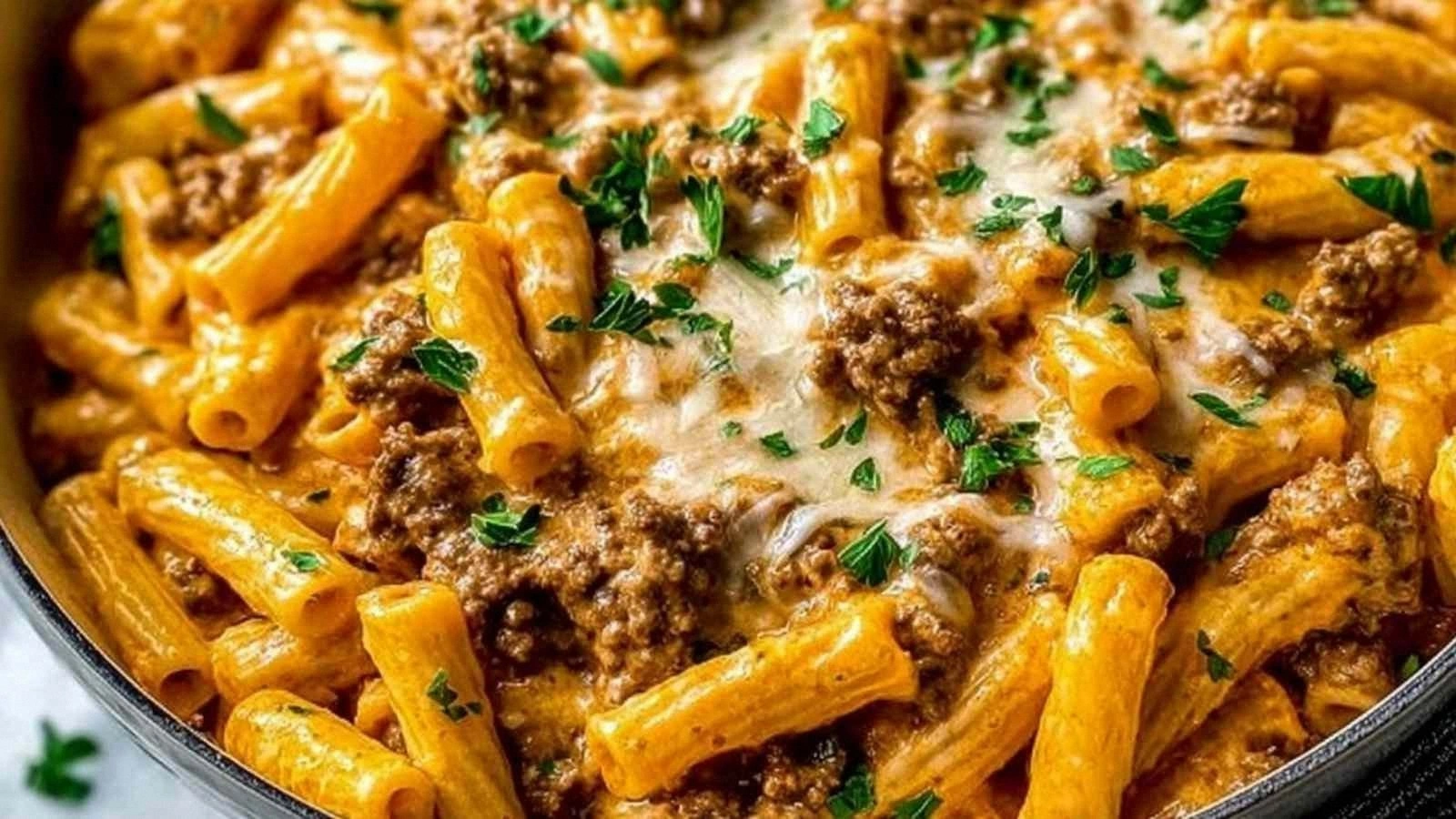
I was halfway through a midnight snack, the kitchen lit only by the flicker of my phone screen, when the stovetop exploded into a chorus of sizzling and popping. A forgotten pan of pasta had turned into a sticky, browned disaster that looked like it had been kissed by a campfire. I stared at the ruined noodles and felt a sudden, fierce hunger—one that demanded a rescue that was both comforting and bold. That night, I turned the kitchen into a laboratory, and what emerged was a version of Church Supper Spaghetti that will rewrite your expectations.
Picture the moment: the aroma of garlic and tomato sauce thickening in the air, a golden crust forming on a layer of breadcrumbs, the sound of a bubbling simmer that sings like a lullaby, the taste of a sauce that coats the pasta like velvet, and the feel of a plate that warms your hands from the inside out. Every sense is engaged in this dish, and it’s not just a meal—it’s an experience that lingers long after the last bite. The colors shift from a deep crimson of tomatoes to a sunlit gold of cheese, and the texture shifts from chewy pasta to crisp, buttery breadcrumb topping.
What sets this version apart is not just the ingredients, but the deliberate layering of flavors and textures that turns a simple family favorite into a culinary revelation. The sauce is thickened with a hint of tomato paste for depth, the breadcrumb crust is toasted with a touch of olive oil and parmesan for crunch, and the final flourish of fresh basil gives it a bright, aromatic finish. This isn’t a recipe that follows the textbook; it’s a recipe that invites you to experiment, to taste, and to savor each element in its full glory.
And here’s a teaser that will make your taste buds dance: I sneak in a splash of red wine during the sauté phase, which adds a subtle richness that you won’t expect from a classic spaghetti dish. This little twist is the secret sauce that elevates the entire plate. Let me walk you through every single step—by the end, you’ll wonder how you ever made it any other way.
What Makes This Version Stand Out
- Flavor Depth: The sauce is a symphony of tomatoes, garlic, and a dash of red wine, creating layers that linger on the palate. The wine’s acidity cuts through the richness, leaving a clean finish.
- Texture Contrast: A buttery breadcrumb topping crisps to a golden edge, while the spaghetti remains al dente, offering a delightful bite that keeps you coming back.
- Ingredient Quality: Using San Marzano tomatoes, fresh basil, and a high‑grade extra‑virgin olive oil ensures every bite is bursting with authentic Italian character.
- Make‑Ahead Friendly: The sauce can be prepared a day in advance; the breadcrumb layer is added just before baking, preserving its crunch.
- Visual Appeal: The vibrant reds, golds, and greens create a plate that’s almost too beautiful to eat—perfect for Instagram moments.
- Community Buzz: Friends who’ve tried this version report that they “just can’t go back to any other spaghetti” and often ask for the recipe after each gathering.
- Balanced Nutrition: With a moderate carb count and protein-packed beef, this dish satisfies hunger while keeping you energized.
- Time Efficiency: From prep to finish, you’re looking at under an hour—ideal for busy weeknights.
Alright, let's break down exactly what goes into this masterpiece…
Inside the Ingredient List
The Flavor Base
At the heart of this dish lies a sauce that balances acidity and sweetness. The crushed San Marzano tomatoes provide a naturally sweet undertone, while the tomato paste thickens the sauce into a velvety consistency. Garlic, sautéed until golden, adds a punch that cuts through the tomato’s richness. A splash of red wine, added after the garlic, brings depth and a subtle fruity note that lingers on the tongue. Finally, dried Italian seasoning and a pinch of red pepper flakes give the sauce a fragrant, peppery finish. Skipping any of these elements will leave the sauce flat and uninspired.
The Texture Crew
The spaghetti itself must be cooked to al dente perfection so it can hold the sauce without becoming mushy. A dash of olive oil tossed with the pasta prevents sticking and adds a silky sheen. The breadcrumb topping, made from a blend of panko and regular breadcrumbs, is tossed with melted butter and grated Parmesan, then toasted until it’s a crisp, golden crunch. If you replace panko with regular breadcrumbs, the texture becomes denser, losing that delightful snap. A quick tip: let the breadcrumbs dry out in the oven for a minute before adding butter for an extra crisp.
The Unexpected Star
A handful of fresh basil leaves, torn and scattered over the final dish, introduces a bright, herbaceous note that balances the richness. Basil’s essential oils release when heated, giving the sauce a fragrant aroma that’s almost intoxicating. If basil is out of season, try a splash of chopped parsley or a sprinkle of oregano for a different yet delicious twist. This small addition transforms the dish from good to unforgettable.
The Final Flourish
Grated mozzarella and a generous dusting of extra‑virgin olive oil are sprinkled over the breadcrumb crust before baking, creating a bubbling, golden top. The cheese melts into the breadcrumbs, binding them together while adding a creamy mouthfeel. A final drizzle of olive oil after baking enhances the shine and adds a subtle, fruity finish. If you prefer a dairy‑free version, substitute the mozzarella with a plant‑based cheese that melts well, keeping the gooey texture intact.
Everything's prepped? Good. Let's get into the real action…
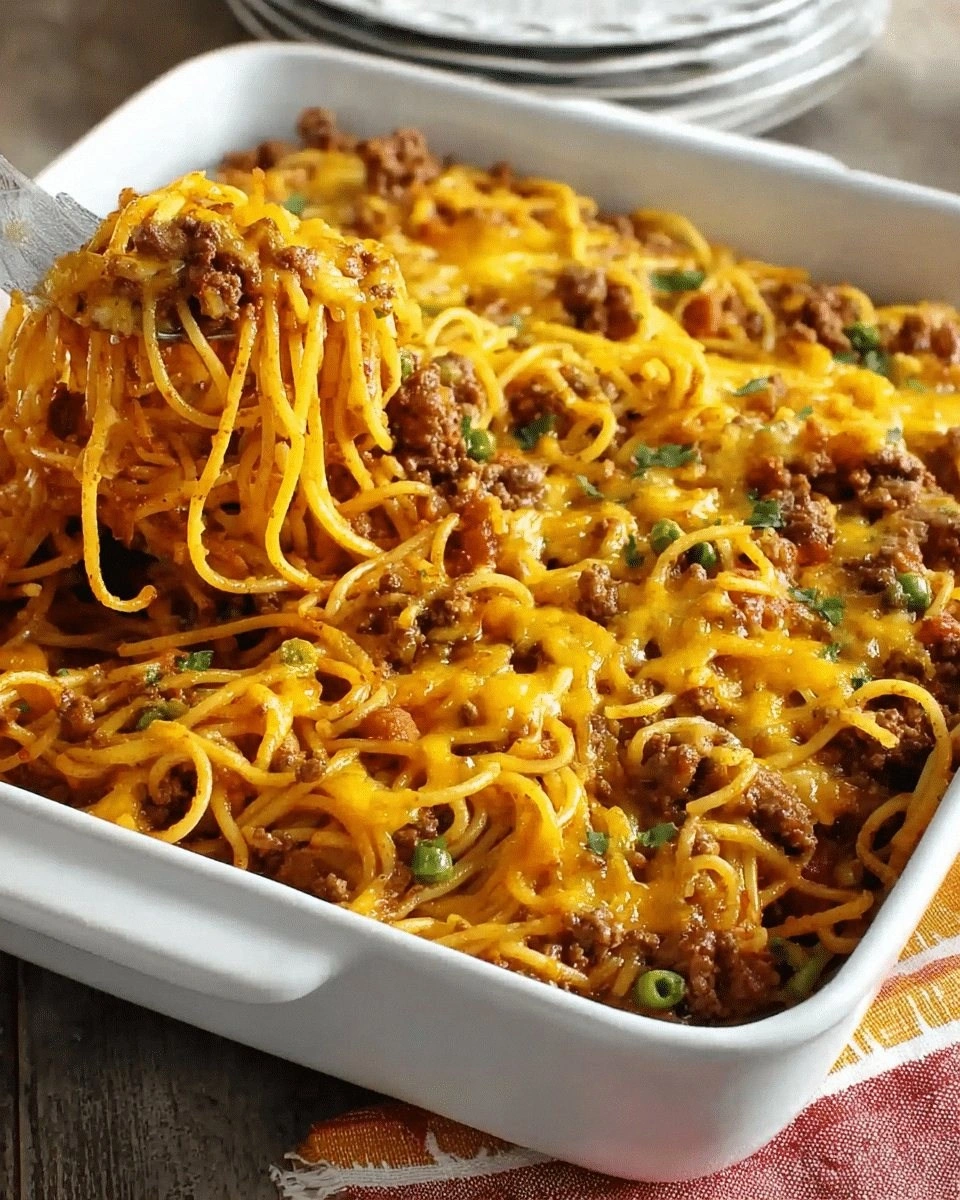
The Method — Step by Step
- Boil the Pasta: Fill a large pot with salted water and bring it to a rolling boil. Add the spaghetti and cook until just shy of al dente—about 8 minutes. Drain, reserve a cup of pasta water, and toss the noodles with a splash of olive oil to prevent sticking. While the pasta cooks, the kitchen will smell like a summer garden, and you’ll feel the anticipation building.
- Brown the Beef: Heat a heavy‑bottom skillet over medium‑high heat. Add the ground beef in a single layer, letting it sear without stirring for 2 minutes. Flip and continue until browned and crumbled, about 5 more minutes. This step is the moment of truth; the beef should be a deep mahogany with a caramelized crust.
- Sauté Aromatics: Reduce heat to medium. Add diced onions to the skillet, cooking until translucent and fragrant—about 4 minutes. Stir in minced garlic and cook until aromatic, about 30 seconds. The aroma should be so rich it makes you close your eyes and smile.
- Deglaze with Wine: Pour in a splash of dry red wine, scraping up any browned bits from the pan. Let it reduce by half, which should take about 2 minutes. The wine’s acidity cuts through the richness of the beef and adds a subtle depth to the sauce.
- Add Tomatoes: Stir in crushed San Marzano tomatoes and a spoonful of tomato paste. Season with Italian seasoning, red pepper flakes, salt, and pepper. Bring to a gentle simmer and let it thicken for 10 minutes, stirring occasionally. The sauce should thicken like a luxurious gravy, not a watery soup.
- Combine Pasta and Sauce: Return the drained spaghetti to the skillet. Toss until every strand is coated in the glossy sauce, adding reserved pasta water as needed to achieve a silky consistency. The pasta should feel like it’s wearing a coat of sauce that clings without dripping.
- Prepare the Breadcrumb Topping: In a small bowl, mix toasted breadcrumbs with melted butter, grated Parmesan, and a pinch of salt. Stir until the crumbs are evenly coated and fragrant. Sprinkle the mixture over the pasta in the skillet, ensuring an even layer.
- Bake to Perfection: Preheat the oven to 375°F (190°C). Transfer the skillet or a large baking dish to the oven, bake for 12–15 minutes until the breadcrumb crust is golden brown and the cheese is bubbling. The final aroma should be intoxicating—think toasted bread, melted cheese, and tomato.
That's it — you did it. But hold on, I've got a few more tricks that'll take this to another level. Keep reading, because the next sections will turn this dish from great to legendary.
Insider Tricks for Flawless Results
The Temperature Rule Nobody Follows
Many cooks think that a higher oven temperature is always better for crisping, but for our breadcrumb crust, a moderate 375°F (190°C) is key. This temperature allows the cheese to melt and the breadcrumbs to toast evenly without burning. I once tried 425°F and the crust was charred while the pasta stayed soggy. Stick to 375°F for a golden, buttery finish.
Why Your Nose Knows Best
The scent of a sauce simmering is a reliable indicator of flavor development. When the tomatoes start to reduce and the garlic releases its aroma, the sauce is ready for the next step. Trust your nose; if it smells toasty and slightly sweet, you’re ready to add the pasta.
The 5‑Minute Rest That Changes Everything
After baking, let the dish rest for five minutes before serving. This allows the breadcrumb crust to firm up and the flavors to meld. During this brief pause, the cheese will set into a creamy layer that’s easier to cut and more satisfying to eat.
Use a Cast‑Iron Skillet
Cast‑iron retains heat better than stainless steel, which means the beef browning step yields a richer flavor. It also distributes heat evenly during baking, preventing hot spots that can burn the breadcrumb crust.
Add a Touch of Cream
If you prefer a silkier sauce, stir in a tablespoon of heavy cream at the end of the simmer. The cream will mellow the acidity and add a luxurious mouthfeel. This tweak is optional but highly recommended for those who love a richer texture.
Serve with a Fresh Green Salad
A simple green salad with a light vinaigrette balances the richness of the spaghetti. The acidity of the dressing cuts through the cheese, while the crunch of the salad adds a contrasting texture. This pairing elevates the dish into a full dinner experience.
Creative Twists and Variations
This recipe is a playground. Here are some of my favorite ways to switch things up:
Spicy Cajun Kick
Add a tablespoon of Cajun seasoning to the beef and a pinch of cayenne pepper to the sauce. The result is a fiery version that pairs beautifully with a cool yogurt dip.
Mediterranean Medley
Replace ground beef with ground lamb and stir in chopped kalamata olives and diced sun‑dried tomatoes. Finish with a sprinkle of crumbled feta for a tangy finish that screams Mediterranean.
Vegetarian Delight
Omit the meat entirely and add a medley of sautéed mushrooms, zucchini, and bell peppers. The vegetables absorb the sauce’s flavors, creating a hearty, plant‑based dish that satisfies meat lovers and vegans alike.
Cheese Lover’s Dream
Layer shredded provolone and a handful of shredded mozzarella between the pasta and breadcrumb crust. The cheese will melt into a gooey, golden blanket that’s impossible to resist.
Gluten‑Free Twist
Use gluten‑free spaghetti and replace breadcrumbs with crushed almonds or gluten‑free crackers. The texture changes slightly but remains delightful and crunchy.
Low‑Carb Version
Swap spaghetti for spiralized zucchini or spaghetti squash. Keep the sauce and breadcrumb topping, and you’ll have a low‑carb meal that still feels indulgent.
Storing and Bringing It Back to Life
Fridge Storage
Store the uncooked pasta in an airtight container in the refrigerator for up to 2 days. The sauce can be kept separately in a sealed jar for 4 days. When reheating, combine the pasta and sauce, adding a splash of pasta water to rehydrate.
Freezer Friendly
The assembled dish (without the breadcrumb topping) freezes well for up to 3 months. Thaw overnight in the refrigerator, then bake at 375°F (190°C) for 15 minutes, topping with fresh breadcrumbs before the last 5 minutes of baking.
Best Reheating Method
Reheat in the oven at 350°F (175°C) for 10 minutes, then finish with a fresh breadcrumb crust for that signature crunch. Add a splash of water before reheating to keep the pasta moist and prevent it from drying out.