Picture this: a cramped kitchen, a burning pot on the stove, a friend’s dare to turn a pantry mishmash into a masterpiece, and a sudden craving for something that feels like a hug in a bowl. I was in the middle of a mid‑week slump, staring at a block of feta, a handful of pumpkin puree, and a bag of pasta that had seen better days. My friend, ever the culinary daredevil, whispered, “I dare you to taste this and not go back for seconds.” That was the spark. The sizzling onions, the aromatic sage, the subtle heat from red pepper flakes – every element was already dancing, waiting for the right cue. I knew I was onto something that would not just satisfy hunger but also ignite a culinary obsession. I’ll be honest — I ate half the batch before anyone else got to try it.
If you’ve ever felt like a recipe was missing that one secret ingredient that turns a dish from ordinary to unforgettable, this is your answer. Most pasta sauces are either too watery or too thick, but the creamy pumpkin baked feta past achieves a silky texture that clings to every strand like a velvet coat. The feta melts into a rich, tangy base while the pumpkin adds natural sweetness and a subtle earthy depth. The result is a sauce that sings with layers of flavor: smoky, nutty, herbaceous, and a whisper of citrus. This is hands down the best version you'll ever make at home. And the best part? It’s simple enough that even a kitchen newbie can master it, yet sophisticated enough to wow dinner guests.
What makes this version truly stand out is the blend of techniques that elevate the humble ingredients into a dish that feels both comforting and adventurous. The pumpkin puree is cooked until it’s silky, then folded into a sauce that is thick enough to coat the pasta but light enough to stay airy. The feta is broken into bite‑sized cubes that melt slowly, creating pockets of salty richness. The sage, smoked paprika, and nutmeg work together to add depth, while the lemon juice lifts the dish with a bright, citrusy finish. Every component is carefully timed to release its maximum flavor potential, ensuring that no single element overwhelms the others.
And there’s a twist you won’t expect: a splash of pasta water is added right before baking, creating steam that caramelizes the edges of the pasta, producing that coveted crispy, golden crust that shatters like thin ice when you bite into it. This trick is a game‑changer that most recipes overlook. Picture yourself pulling this out of the oven, the whole kitchen smelling incredible, the steam curling like a cloud of autumn. The aroma alone will make your mouth water, and the first bite will confirm that this is a dish worth repeating over and over again. Okay, ready for the game‑changer?
I’ll walk you through every single step. By the end, you’ll wonder how you ever made it any other way. Let’s dive into the details that make this dish a culinary triumph.
What Makes This Version Stand Out
- Flavor Depth: The combination of smoked paprika, nutmeg, and fresh sage creates a layered profile that feels both warm and aromatic.
- Texture Contrast: The creamy sauce clings to the pasta while the baked feta forms pockets of melt‑in‑your‑mouth richness.
- Visual Appeal: The golden crust on the pasta gives a satisfying crunch that contrasts with the silky interior.
- Ease of Prep: The method uses pantry staples and requires minimal active cooking time.
- Versatility: Add spinach or kale for a green boost, or swap feta for goat cheese for a different tang.
- Make‑Ahead Friendly: The dish can be baked ahead and reheated with a splash of water to restore its silky texture.
- Crowd‑Pleaser: The mix of sweet pumpkin and salty feta is a winning combo that appeals to both kids and adults.
- Seasonal Touch: Pumpkin brings an unmistakable autumn vibe, but the recipe works year‑round if you’re adventurous.
Alright, let's break down exactly what goes into this masterpiece...
Inside the Ingredient List
The Flavor Base
The foundation of this sauce is the aromatic combination of onion, shallot, garlic, sage, smoked paprika, nutmeg, red pepper flakes, salt, and black pepper. Each ingredient plays a distinct role: the onion and shallot bring sweetness, the garlic adds depth, sage offers earthiness, paprika and nutmeg contribute warmth, and the red pepper flakes give a subtle kick. Together, they create a complex flavor profile that supports the pumpkin’s natural sweetness without overpowering it.
Skipping any of these would thin out the sauce’s character. For instance, if you omit the smoked paprika, you lose that smoky undertone that balances the feta’s sharpness. If you leave out the nutmeg, the sauce feels flat and lacks that subtle nutty warmth. The pepper flakes are optional, but they add a satisfying contrast that makes each bite exciting.
If you’re looking for a twist, try substituting the sage with rosemary for a piney aroma or adding a pinch of cinnamon for a sweeter, more exotic flavor. When selecting fresh sage, look for bright green leaves that are free of brown spots and have a strong, fragrant scent. This indicates that the herb is fresh and full of flavor.
The salt and pepper are essential for balancing the dish. Use kosher salt for even seasoning, and adjust to taste after the feta has melted. The pepper adds a subtle heat that complements the red pepper flakes, creating a harmonious spice profile.
Everything's prepped? Good. Let's get into the real action...
The Texture Crew
The texture of this dish is defined by the pasta, the pumpkin puree, and the feta. The pasta is a sturdy, medium‑width variety that holds sauce well without becoming mushy. Cook it al dente, so it has a slight bite that contrasts with the creamy sauce.
The pumpkin puree is the secret sauce. Use a pure, smooth puree to ensure a silky mouthfeel. If you have fresh pumpkin, roast it until tender and blend it into a fine puree. For convenience, canned pumpkin puree works fine, but look for unsweetened varieties to avoid adding extra sugar.
The feta is the star of the show. Break it into small cubes so it melts evenly. The feta’s tanginess is balanced by the sweet pumpkin and the savory base, creating a complex, layered taste that lingers on the palate.
The olive oil adds richness and helps the feta melt into a smooth sauce. It also coats the pasta, preventing sticking and providing a glossy finish. Use a high‑quality extra‑virgin olive oil for the best flavor.
If you want a vegan version, replace the feta with a plant‑based cheese that melts well, and use a neutral oil instead of olive oil.
The Unexpected Star
The pumpkin itself is the unexpected star that gives this dish its seasonal flair. Pumpkin is not just a filler; it adds natural sweetness, a subtle earthiness, and a creamy texture that can’t be replicated by other vegetables. It also brings a vibrant color that makes the dish visually appealing.
Pumpkin is a versatile ingredient that can be roasted, steamed, or pureed. Roasting brings out caramelized notes that deepen the flavor. If you’re short on time, use canned puree, but remember to choose unsweetened to keep the dish balanced.
The pumpkin’s natural sugars caramelize in the oven, creating a caramelized crust on the pasta that adds a delightful crunch. The contrast between the crispy edges and the creamy interior is a key element of this dish’s texture profile.
If you’re feeling adventurous, try adding a splash of maple syrup or honey for a sweet‑savory twist. Just be careful not to overdo it, as the feta already provides ample saltiness.
The Final Flourish
The lemon juice is the final flourish that brightens the dish and balances the richness of the feta and pumpkin. A tablespoon of fresh lemon juice adds a bright, citrusy note that cuts through the heaviness, giving the sauce a lively finish.
The optional baby spinach or kale adds a burst of green and a nutritional boost. Stir them in at the end of baking, so they wilt slightly but retain their color and texture. This addition makes the dish more filling and adds a subtle earthy flavor that complements the pumpkin.
The pasta water is a crucial component that helps bind the sauce to the noodles. It contains starch that thickens the sauce, creating a silky coat that adheres to every strand. Add it just before baking to ensure the sauce remains smooth.
The final result is a dish that is both comforting and sophisticated, with layers of flavor and texture that keep you coming back for more. This is a recipe that you can tweak, experiment with, and still end up with something delicious.
Everything's prepped? Good. Let's get into the real action...
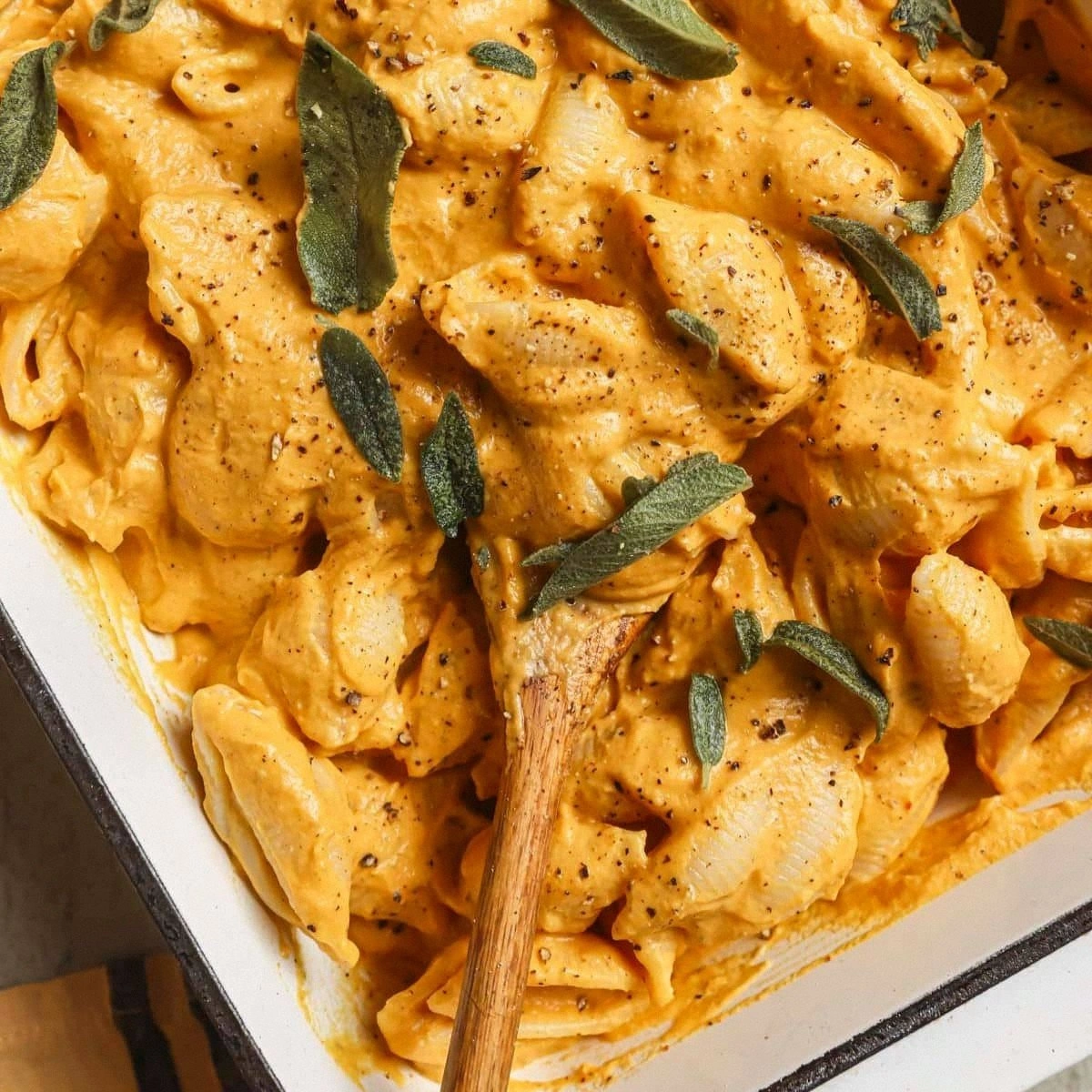
The Method — Step by Step
- Preheat the oven. Set your oven to 375°F (190°C). While it’s heating, bring a large pot of salted water to a boil for the pasta. The oven temperature is crucial for achieving that perfect crispy crust on the pasta.
- Cook the pasta. Add the pasta to the boiling water and cook it until it’s just shy of al dente—about 1–2 minutes less than the package instructions. This ensures it will finish cooking in the oven without becoming mushy. Drain and set aside, reserving a cup of pasta water for later.
- Saute the aromatics. In a large skillet, heat the olive oil over medium heat. Add the diced onion, minced shallot, and crushed garlic. Cook until the onion turns translucent and the mixture smells toasty, about 3–4 minutes. This step builds the flavor foundation of the sauce.
- Introduce the spices. Stir in the chopped sage, smoked paprika, nutmeg, red pepper flakes, salt, and black pepper. Cook for another minute, allowing the spices to bloom. The aroma should be fragrant and inviting—this is the moment of truth.
- Add the pumpkin puree. Pour in the pumpkin puree and stir until it’s fully incorporated. The sauce should thicken slightly, becoming smooth and velvety. This is where the dish starts to feel luxurious.
- Incorporate the feta. Gently fold in the feta cubes, letting them melt into the sauce. The feta should break down into a creamy, salty base, but still retain some bite. The sauce will start to look glossy and thick.
- Combine pasta and sauce. Add the cooked pasta to the skillet, tossing it with the sauce until every strand is coated. Pour in the reserved pasta water to loosen the sauce and create steam. The pasta should feel silky and coated.
- Transfer to baking dish. Pour the mixture into a greased baking dish, spreading it evenly. The edges will start to pull away, signaling that the sauce is ready to caramelize.
- Bake to perfection. Place the dish in the preheated oven and bake for 20–25 minutes, or until the top is golden and slightly crispy. The aroma will fill the kitchen, and the edges will shatter like thin ice when you bite into them.
- Finish and serve. Remove from the oven and drizzle fresh lemon juice over the top. If you’re using spinach or kale, stir them in now so they wilt just enough to keep their color. Serve immediately, letting the hot steam rise to greet you.
That's it — you did it. But hold on, I've got a few more tricks that'll take this to another level...
Insider Tricks for Flawless Results
The Temperature Rule Nobody Follows
Many cooks bake pasta dishes at too high a temperature, which can lead to uneven cooking and a dry texture. I recommend baking at 375°F (190°C) to allow the sauce to set gently while the edges crisp up. This lower temperature ensures the feta melts evenly and the pumpkin puree thickens without burning. If you notice the top is browning too quickly, tent the dish with foil.
Why Your Nose Knows Best
Your sense of smell is a powerful guide during cooking. As the onions and garlic cook, the aroma should shift from sharp to sweet and toasted. If it still smells raw, give it another minute. The same applies to the pumpkin puree; it should emit a warm, sweet scent that signals readiness.
The 5-Minute Rest That Changes Everything
After baking, let the dish rest for five minutes before serving. This pause allows the sauce to settle, the feta to firm slightly, and the pasta to finish cooking in its own steam. The result is a more cohesive bite with balanced textures. Trust me, this small step makes a noticeable difference.
The Right Pasta Shape
While any pasta works, I love using penne or rigatoni because their ridges hold sauce better. If you prefer a lighter option, try farfalle or fusilli. The key is choosing a shape that can hold the creamy sauce without becoming soggy. Experiment with different shapes to see which you like best.
The Secret of the Feta
Feta can be tricky; if it’s too dry, it won’t melt smoothly. Look for a block that feels moist and has a slightly creamy texture. If you’re using a pre‑cut block, ensure it’s not too old. Fresh feta will melt into the sauce like butter, creating a velvety finish.
Creative Twists and Variations
This recipe is a playground. Here are some of my favorite ways to switch things up:
Mediterranean Medley
Swap feta for crumbled goat cheese and add sun‑dried tomatoes and olives. The goat cheese adds a tangier flavor while the olives introduce a briny depth. This version feels like a Mediterranean picnic.
Spicy Saffron Surprise
Add a pinch of saffron threads and a splash of orange zest. The saffron gives a golden hue and subtle floral note, while the orange zest brightens the dish. This twist is perfect for a festive dinner.
Roasted Veggie Variation
Include roasted butternut squash, sweet potato, or carrots. Toss them in the sauce before baking for a hearty, vegetable‑rich meal. The roasted veggies add texture and natural sweetness.
Cheesy Creamy Upgrade
Add a handful of shredded mozzarella or fontina during the last five minutes of baking. The cheese melts into the sauce, creating a gooey, indulgent texture. This is a great way to make the dish feel more decadent.
Vegan Version
Replace feta with a plant‑based cheese that melts, and use a neutral oil instead of olive oil. Swap the pumpkin puree for a sweet potato puree for a slightly different flavor profile. The result is a creamy, plant‑based pasta that still delivers on taste.
Gluten‑Free Twist
Use gluten‑free pasta and ensure all other ingredients are gluten‑free. The texture remains the same, and the flavor stays consistent. This makes the dish accessible to those with dietary restrictions.
Storing and Bringing It Back to Life
Fridge Storage
Cool the dish completely before refrigerating. Store it in an airtight container for up to 3 days. The sauce will thicken slightly in the fridge, so add a splash of water or milk before reheating to restore its silky texture.
Freezer Friendly
Wrap the dish tightly in plastic wrap, then place in a freezer‑safe container. Freeze for up to 2 months. When ready to serve, thaw overnight in the refrigerator and reheat in a saucepan with a splash of water until hot.
Best Reheating Method
Reheat in a skillet over medium heat, stirring constantly and adding a splash of pasta water or milk to keep the sauce creamy. Avoid microwaving, as it can make the feta rubbery. The result is a dish that tastes almost as good as freshly baked.