Picture this: a late‑night kitchen, the fridge humming, and your craving for something sweet that also feels like a slice of sunshine. I was halfway through a batch of over‑baked brownies, the room smelling like burnt chocolate, when I heard a faint, almost imperceptible, “ding” from the oven. I opened it to find a golden, aromatic cheesecake that had somehow found its way into my mind. That was the moment I realized I was about to create the ultimate lemon blueberry cheesecake that would forever change how I think about dessert.
I swear this cake is the kind of thing that makes you stop mid‑sentence and think, “Why did I ever settle for store‑bought?” The crust is buttery and crisp, the filling is silky with a bright citrus lift, and the blueberry topping is a burst of natural sweetness that practically dances on your tongue. Imagine the first bite: the creamy center melts, the lemon zest sharpens the flavor, and the blueberries pop with juice, leaving a lingering, slightly tart aftertaste that keeps you reaching for more. That’s the kind of experience that turns a simple dessert into a memory.
Most cheesecake recipes are either too dense or too bland, but this version is hands down the best you’ll ever make at home. I’m talking about a cheesecake that balances richness with brightness, that stays moist without becoming soggy, and that can be made in an instant. The secret? A few clever tweaks that I discovered after countless trials and a few kitchen catastrophes—like the time I tried to skip the lemon zest and ended up with a bland, lifeless dessert.
I dare you to taste this and not go back for seconds. I’ll be honest—by the time the first slice is gone, I’ve already started planning the second. If you’ve ever struggled with a cheesecake that cracks or tastes like a bowl of plain yogurt, you’re not alone. And trust me, the fixes I’m about to share are worth every second of your time. Let me walk you through every single step—by the end, you’ll wonder how you ever made it any other way.
What Makes This Version Stand Out
- Flavor: The bright lemon zest cuts through the richness, creating a citrusy brightness that keeps the cheesecake from feeling heavy.
- Texture: A silky filling that stays firm yet yields to the fork, thanks to the perfect balance of cream cheese, sour cream, and eggs.
- Crust: A buttery graham cracker base that is crisp on the edges and melts in your mouth, offering a satisfying crunch.
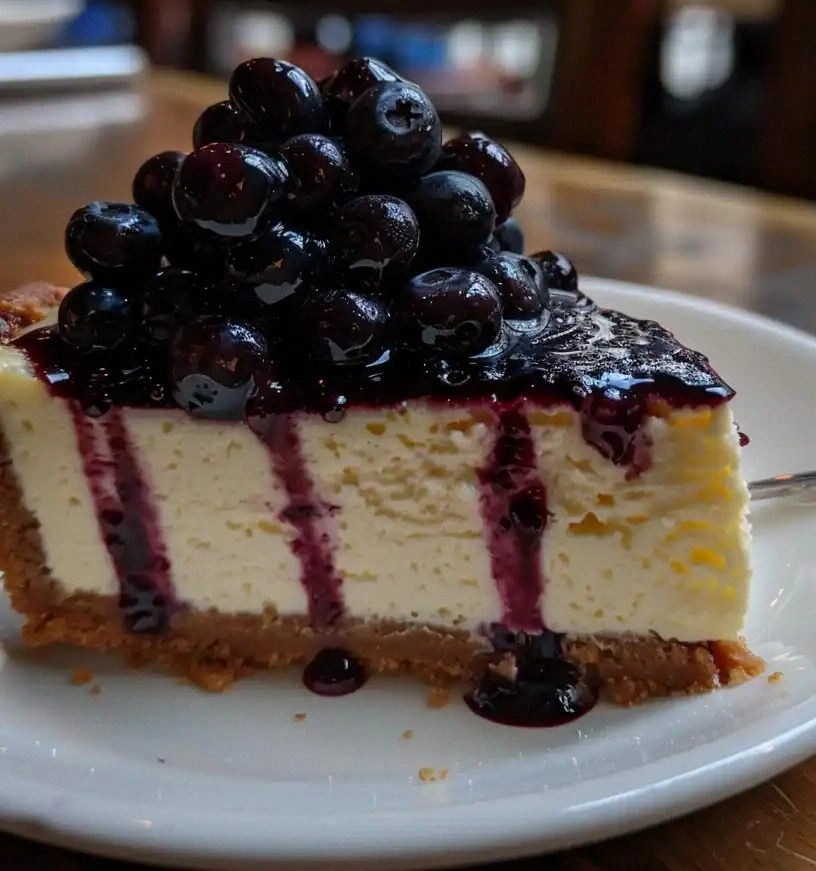
- Visual Appeal: The glossy blueberry topping gives a pop of color that makes the dessert Instagram‑ready.
- Ease: No special equipment, no time‑consuming steps—just a few ingredients and a few minutes of prep.
- Make‑ahead: This cheesecake can be prepared up to two days in advance without losing its texture.
- Versatility: Swap out blueberries for strawberries, add a swirl of chocolate, or even make a dairy‑free version with a plant‑based cream cheese.
- Audience: From first‑time bakers to seasoned pros, this recipe delivers a professional result with minimal fuss.
Alright, let's break down exactly what goes into this masterpiece...
Inside the Ingredient List
The Flavor Base
The foundation of any cheesecake is its creamy filling. Cream cheese, softened to room temperature, provides the rich mouthfeel, while sour cream adds tang and lightness. The combination of these two dairy staples creates a velvety texture that feels indulgent yet balanced. If you skip the sour cream, the cheesecake will be too dense and will not have that subtle acidity that lifts the lemon flavor.
The Texture Crew
Eggs are the secret glue that holds the filling together. Three large eggs ensure a stable structure that sets properly without cracking. The ratio of eggs to cream cheese is critical; too many eggs can make the cheesecake rubbery, while too few may cause it to collapse. A trick I swear by is to beat the eggs separately before folding them into the cheese mixture—this creates a smoother batter.
The Unexpected Star
Blueberries are the unsung hero of this dessert. Fresh or frozen, they add a burst of natural sweetness and a pop of color that makes the cheesecake visually stunning. The blueberries are cooked with a touch of sugar and cornstarch to create a glossy, jam‑like topping that clings to the filling. If you omit the cornstarch, the sauce will be watery and fail to set.
The Final Flourish
Lemon zest and fresh lemon juice are the finishing touches that give the cheesecake its signature brightness. The zest provides aromatic oils that intensify the citrus flavor, while the juice adds a tangy punch. Vanilla extract is a subtle background note that balances the sharpness of the lemon. Together, these ingredients create a layered flavor profile that is both bright and comforting.
Everything's prepped? Good. Let's get into the real action...
The Method — Step by Step
- Preheat your oven to 325°F (163°C). Line a 9‑inch springform pan with parchment paper and lightly grease the sides with butter. This ensures a smooth release and prevents the crust from sticking. The parchment also helps the cheesecake maintain a clean shape.
- In a medium bowl, combine the graham cracker crumbs, ¼ cup granulated sugar, and ½ cup softened butter. Use a fork or a pastry blender to mix until the crumbs are evenly coated. This mixture should feel like a sandy beach when you press it between your fingers.
- Press the crumb mixture firmly into the bottom of the prepared pan, forming an even layer. Use the bottom of a glass to smooth it out. Chill the crust in the refrigerator for 30 minutes to set before adding the filling.
- In a large mixing bowl, beat the softened cream cheese on medium speed until creamy and smooth. Add 1 cup of granulated sugar and continue beating until the mixture is light and fluffy. This step is crucial; any lumps will carry through to the final product.
- Add the eggs one at a time, beating on low speed after each addition, then increasing to medium. The batter should be silky, not curdled. If it looks lumpy, give it a quick whirl on low speed.
- Fold in 1 cup of sour cream, ¼ cup fresh lemon juice, 1 tablespoon lemon zest, and 1 teaspoon vanilla extract. The mixture should be smooth and glossy. This is the moment of truth—your filling should feel like a thick, buttery custard.
- Pour the filling over the chilled crust, smoothing the top with a spatula. Tap the pan on the counter a few times to release any air bubbles. A perfectly level surface is essential for even baking.
- Bake for 45 minutes, or until the edges are set and the center still has a slight wobble. The cheesecake should emit a warm, buttery aroma, and the top should be a pale golden brown. If you like a darker crust, bake an extra 5 minutes.
- After baking, turn off the oven and crack the door open slightly. Let the cheesecake cool in the oven for 1 hour. This slow cooling process reduces the risk of cracks and keeps the interior creamy.
- Once cooled to room temperature, cover the cheesecake with plastic wrap and refrigerate for at least 4 hours, preferably overnight. The chilling time allows the flavors to meld and the texture to firm up.
- While the cheesecake rests, prepare the blueberry topping. In a small saucepan, combine 2 cups of blueberries, ¼ cup granulated sugar, 1 tablespoon cornstarch, and ¼ cup water. Cook over medium heat, stirring constantly, until the mixture thickens and the blueberries burst.
- Stir in an additional tablespoon of lemon juice, then remove from heat and let cool to room temperature. The topping will thicken further as it cools.
- Just before serving, spread the blueberry topping evenly over the chilled cheesecake. The contrast between the creamy filling and the glossy berry sauce is a sight to behold.
- Serve chilled, either straight from the fridge or after a brief rest at room temperature. Each slice should feel like a burst of citrus and berries wrapped in a silky, buttery hug.
That's it—you did it. But hold on, I've got a few more tricks that'll take this to another level...
Insider Tricks for Flawless Results
The Temperature Rule Nobody Follows
Many bakers bake cheesecakes at 350°F, but this lower temperature ensures a gentle rise that prevents cracks. The gentle heat allows the center to set without overcooking the edges. If you do use a higher temperature, keep a close eye on the cheesecake and remove it as soon as it’s done.
Why Your Nose Knows Best
Before you open the oven, give the cheesecake a sniff. A buttery, lemony aroma means your batter is on the right track. If you catch a hint of sourness, it’s probably because the lemon juice is too strong; adjust the balance by adding a touch of sugar.
The 5-Minute Rest That Changes Everything
After turning off the oven, leave the cheesecake inside for a full hour. This slow cooling reduces the chance of cracks and helps the filling set evenly. Skipping this step often leads to a crumbly center.
Use a Water Bath for Perfect Cracking
A water bath keeps the temperature consistent and eliminates sudden heat spikes. Wrap the pan in foil before placing it in a larger baking dish filled with hot water. The water should reach about halfway up the sides of the springform pan.
Keep the Crust Crisp
If you find the crust soggy, bake it for an extra 5 minutes before adding the filling. A slightly browned crust holds up better and adds a delightful crunch.
Creative Twists and Variations
This recipe is a playground. Here are some of my favorite ways to switch things up:
Berry Medley Cheesecake
Swap blueberries for a mix of raspberries, blackberries, and strawberries. The combined tartness adds depth and a rainbow of color. Keep the topping thickened with cornstarch to maintain consistency.
Chocolate‑Lemon Swirl
Fold a tablespoon of cocoa powder into the filling for a subtle chocolate note. After baking, drizzle a thin layer of melted dark chocolate over the top for a dramatic finish.
Almond Crust Variation
Replace graham cracker crumbs with finely ground almonds. Add a teaspoon of almond extract to the filling for a nutty undertone. The crust will be denser but wonderfully flavorful.
Dairy‑Free Delight
Use a plant‑based cream cheese and coconut milk instead of sour cream. The texture will be slightly lighter, and the flavor profile will lean toward tropical notes.
Savory Citrus Cheesecake
Reduce the lemon juice by half and add a pinch of sea salt to the filling. Serve with a sprinkle of fresh herbs like thyme or rosemary for a sophisticated twist.
Pumpkin‑Lemon Cheesecake
Add ½ cup of pumpkin puree to the filling for a seasonal touch. The pumpkin adds moisture and a subtle spice that pairs well with the lemon.
Storing and Bringing It Back to Life
Fridge Storage
Cover the cheesecake with plastic wrap and store it in the refrigerator for up to 5 days. The cold environment keeps the filling firm while preserving its creamy texture. Before serving, allow it to sit at room temperature for 15 minutes to enhance flavor.
Freezer Friendly
Wrap the cheesecake tightly in foil and place it in a freezer bag. It can be frozen for up to 3 months. Thaw overnight in the refrigerator before serving. A quick 5‑minute warm‑up at 350°F (177°C) can revive the texture if needed.
Best Reheating Method
If you need to warm a slice, place it in a microwave‑safe dish and heat on medium for 15–20 seconds. For a more even warmth, use the oven at 300°F (149°C) for 10 minutes. Adding a tiny splash of water before reheating steams the cheesecake back to perfection.