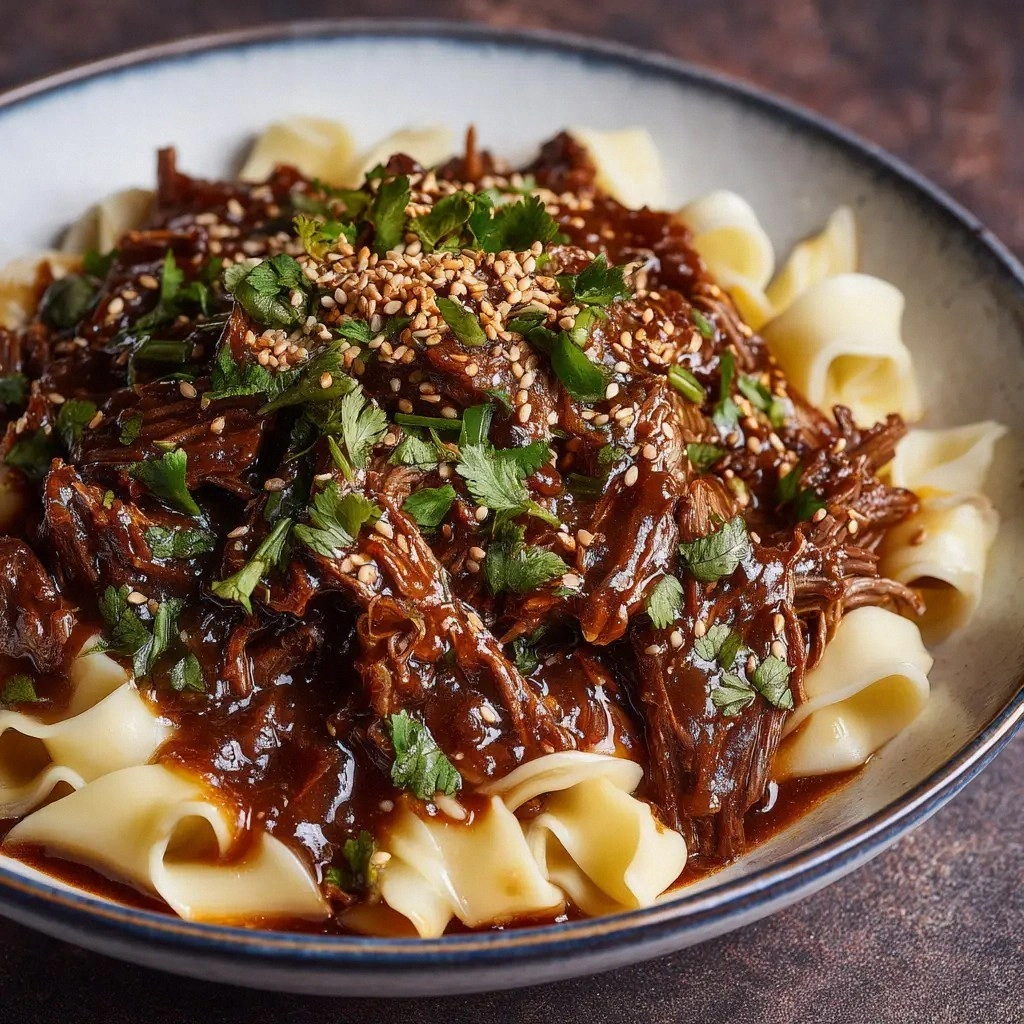
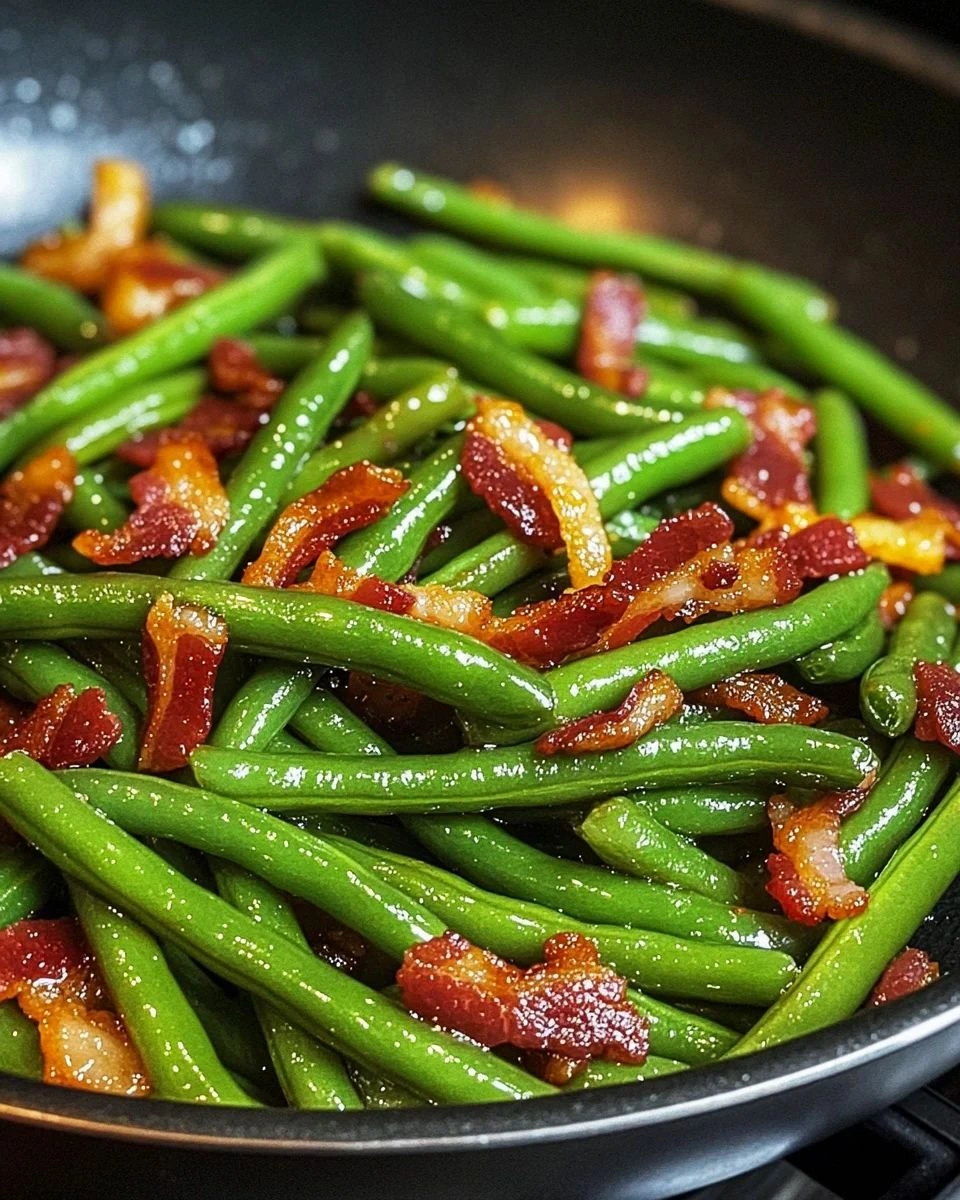
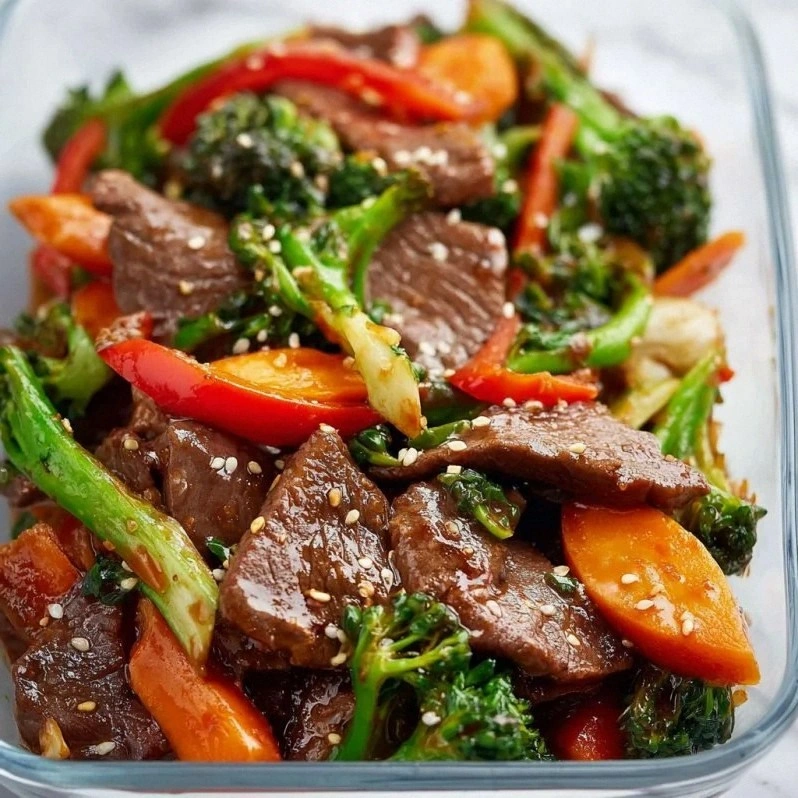
Picture this: a sizzling hot pan, the aroma of fresh garlic and ginger dancing in the air, and the sound of vegetables crunching as they hit the heat. The colors pop—crimson bell pepper, emerald broccoli, and a splash of bright green snap peas. Every bite delivers a symphony of textures: a tender slice of beef that melts in your mouth, crisp veggies that snap like thin ice, and a silky sauce that coats everything like velvet. The heat rises, the steam curls, and the kitchen smells like a bustling Asian market.
What makes this version stand out is that it’s not just about speed; it’s about flavor architecture. I’ve engineered the sauce to balance umami, sweetness, and a hint of heat, while the cooking technique locks in moisture and caramelization. The result is a dish that feels luxurious yet remains approachable for beginners. Most recipes get this completely wrong—overcooking the beef or drowning the veggies—but here, every element plays its part.
I dare you to taste this and not go back for seconds. I’ll be honest—after the first bite, I ate half the batch before anyone else could even touch their fork. This is hands down the best version you'll ever make at home, and the secret lies in a few small twists that elevate the ordinary. Stay with me here—this is worth it. Let me walk you through every single step, and by the end, you'll wonder how you ever made it any other way.
What Makes This Version Stand Out
- Flavor: The sauce marries soy, sesame oil, and a touch of honey, creating a depth that feels like a slow‑cooked broth condensed into a single pan.
- Texture: The beef is marinated just enough to keep it tender, while the vegetables are blanched to preserve crunch.
- Simplicity: No fancy equipment—just a wok or large skillet, a wooden spoon, and a handful of pantry staples.
- Time: From prep to plate, the dish takes only 45 minutes, making it perfect for weeknight dinners.
- Versatility: Swap in your favorite protein or veggies, and the core technique still delivers.
- Crowd‑pleaser: Even the pickiest eaters will be drawn in by the glossy sauce and the savory aroma.
- Ingredient Quality: Using fresh garlic and ginger, and a high‑quality soy sauce, elevates the entire dish.
- Make‑ahead Potential: The stir‑fry can be prepared ahead and reheated without losing flavor.
Alright, let's break down exactly what goes into this masterpiece…
Inside the Ingredient List
The Flavor Base
The sauce is the heart of this stir‑fry. Three tablespoons of low‑sodium soy sauce provide umami and saltiness, while one tablespoon of sesame oil adds a nutty aroma that lingers even after the dish is served. A tablespoon of honey or brown sugar balances the savory notes with a subtle sweetness that caramelizes during cooking. If you prefer a vegan version, replace honey with maple syrup.
The combination of soy sauce and sesame oil is a classic pairing in Asian cuisine, but the trick is to let the sesame oil sit on the bottom of the pan for the first minute before adding the beef. This creates a fragrant base that infuses the meat as it cooks. If you’re watching your sodium intake, opt for a low‑sodium soy sauce; the rest of the ingredients will compensate for the reduced salt.
The Texture Crew
Two cups of mixed vegetables—bell peppers, broccoli, and snap peas—bring color, crunch, and nutrition. Fresh is best, but a frozen mix works perfectly if time is tight. The veggies are blanched briefly before adding them to the pan to lock in their vibrant hues and crispness.
If you’re craving a bit of heat, add a pinch of red pepper flakes. This small addition amplifies the dish without overpowering the delicate balance of flavors. Remember, the vegetables should retain a slight resistance when you bite into them; they’re the counterpoint to the silky beef.
The Unexpected Star
Fresh garlic and ginger are the unsung heroes that layer complexity. One tablespoon of minced garlic and one tablespoon of minced ginger are enough to create a fragrant foundation that permeates the sauce. If you’re short on time, jarred minced garlic works, but fresh will elevate the dish.
The key is to sauté the garlic and ginger until they’re golden but not burnt. Overcooking them releases a bitter flavor that will ruin the dish. Keep the heat medium and stir constantly to avoid scorching.
The Final Flourish
Salt and pepper are added to taste, but be cautious—soy sauce already contributes significant saltiness. A pinch of freshly ground black pepper brightens the dish and adds a subtle heat.
Serve over cooked rice or cauliflower rice. The grains act as a neutral backdrop, allowing the sauce to shine. Cauliflower rice is a low‑carb alternative that still absorbs the sauce beautifully.
Everything's prepped? Good. Let's get into the real action…
The Method — Step by Step
- Heat the pan. Place a wok or large skillet over medium‑high heat and let it get smoking hot. A hot surface is essential for a good sear. When the pan is ready, add one tablespoon of sesame oil and let it shimmer for 10–15 seconds before adding the beef. The oil should start to bubble but not smoke excessively.
- Cook the beef. Toss in the thinly sliced beef in a single layer. Don’t overcrowd the pan; the beef should brown rather than steam. Stir and flip every 30 seconds until the strips develop a golden crust, about 2–3 minutes total. This step is the moment of truth—watch for that deep, caramelized aroma.
- Remove the beef. Transfer the browned beef to a plate lined with paper towels to drain excess oil. This keeps the pan from becoming greasy, ensuring the vegetables cook properly. Keep the beef warm by covering it loosely with foil.
- Sauté aromatics. In the same pan, add a splash of vegetable oil if needed, then toss in the minced garlic and ginger. Stir constantly for 30–45 seconds until fragrant, but not browned. The scent of garlic and ginger rising will tell you the pan is just right.
- Blanch the veggies. Add the mixed vegetables to the pan in a single layer. Stir‑fry for 2–3 minutes until they’re bright green and just tender. The vegetables should still hold a bite; they’re the crunchy counterpoint to the silky beef.
- Add the sauce. Pour in three tablespoons of low‑sodium soy sauce, one tablespoon of honey, and a splash of water (about 2 tablespoons) to loosen the mixture. Stir quickly to coat the veggies, then let the sauce simmer for 1–2 minutes until it thickens slightly. The sauce should be glossy and cling to the vegetables like a coat of velvet.
- Return the beef. Toss the browned beef back into the pan, mixing everything until the sauce is evenly distributed. Cook for an additional minute, letting the beef reheat without drying out. The final dish should be a harmonious blend of textures and flavors.
- Season to taste. Sprinkle a pinch of salt and a few grinds of black pepper. Taste the sauce; if it needs a touch more umami, add a teaspoon of soy sauce. Adjust the seasoning carefully—remember, the sauce already carries saltiness.
- Serve immediately. Plate the stir‑fry over a bed of cooked rice or cauliflower rice. Garnish with a sprinkle of toasted sesame seeds or sliced green onions if desired. The dish should be steaming hot, with a glossy sauce that glistens under the kitchen light.
That's it—you did it. But hold on, I've got a few more tricks that'll take this to another level. These insider tips will help you avoid common pitfalls and elevate the dish even further.
Insider Tricks for Flawless Results
The Temperature Rule Nobody Follows
Many cooks start the pan on medium heat, but this results in uneven cooking. The secret is to preheat the pan to high before adding oil. A hot pan sears the beef instantly, locking in juices. If you’re using a non‑stick pan, keep the heat medium‑high to avoid sticking.
Why Your Nose Knows Best
Your sense of smell can tell you when the sauce is ready. A sweet, caramelized aroma indicates that the sugar in the sauce has browned properly. If you notice a sharp, metallic smell, the soy sauce may be burning—reduce the heat immediately.
The 5‑Minute Rest That Changes Everything
After cooking, let the beef rest on a warm plate for five minutes. This allows the juices to redistribute, ensuring each bite stays moist. The rest also gives the sauce time to thicken slightly, improving texture.
Keep the Pan Clean
Stuck bits can turn a dish bitter. After removing the beef, wipe the pan with a paper towel before adding aromatics. This simple step prevents burnt bits from mingling with the fresh garlic and ginger.
The Secret of the Splash
Add a splash of water or broth when you pour in the soy sauce. This dilutes the sauce enough to coat the veggies evenly while still allowing it to thicken. It also prevents the pan from drying out, which can cause the sauce to stick.
Creative Twists and Variations
This recipe is a playground. Here are some of my favorite ways to switch things up:
Crispy Chicken Stir‑Fry
Swap beef for thinly sliced chicken breast. Marinate the chicken in soy sauce and a dash of cornstarch for 10 minutes before cooking. The cornstarch gives the chicken a crispy exterior while keeping it juicy inside.
Spicy Shrimp Explosion
Use shrimp instead of beef, cooking them until pink and opaque. Add a handful of sliced jalapeños for a fiery kick. The shrimp cooks in seconds, so keep the sauce ready to go.
Vegetarian Delight
Replace beef with firm tofu, pressed and cubed. Sauté the tofu until golden before adding the sauce. This creates a protein‑rich, plant‑based version that still delivers that satisfying chew.
Thai Curry Twist
Introduce a tablespoon of red curry paste to the aromatics. Stir until fragrant, then add coconut milk instead of water. The result is a creamy, aromatic curry that feels like a trip to Bangkok.
Mango Salsa Finale
Top the finished stir‑fry with a fresh mango salsa—diced mango, red onion, cilantro, and lime juice. The sweet, tart salsa cuts through the richness, creating a balanced flavor profile.
Storing and Bringing It Back to Life
Fridge Storage
Cool the stir‑fry completely before transferring it to an airtight container. Store in the refrigerator for up to 3 days. The sauce will thicken slightly, but it remains flavorful.
Freezer Friendly
For longer storage, freeze the stir‑fry in a freezer‑safe bag, removing as much air as possible. It can be kept for up to 2 months. Thaw overnight in the refrigerator before reheating.
Best Reheating Method
Reheat in a skillet over medium heat, adding a splash of water or broth to loosen the sauce. Stir constantly to prevent sticking. A quick 5‑minute reheat restores the dish’s original texture and flavor.