Picture this: a sweltering July afternoon, the kitchen a furnace, and my trusty blender sputtering like an old engine. I stared at a mound of overripe peaches, their skins glistening like summer gold, and thought, “I could do better than this soggy jam I’ve been making for years.” The moment I dropped the first frozen peach into the blender, a wave of sweet, sun‑kissed aroma flooded the air, and the blender whirred like a tiny, happy tornado. That single, impulsive action sparked a culinary revelation that would turn a kitchen disaster into a dessert triumph. Now, I’m excited to share how this three‑ingredient sorbet turned my chaotic kitchen into a haven of pure, refreshing bliss.
From the first swirl, the peaches released a perfume that reminded me of a lazy afternoon in the orchard, with the faint tang of lemon cutting through the sweetness. The sound of the blender was a comforting hum, almost like a lullaby for my taste buds. The texture of the puree was velvety, each bite a cool, liquid hug that slid over the tongue. The sight of the bright amber liquid, glimmering under the kitchen light, was almost too beautiful to touch. And when you finally tasted it, the burst of summer flavors exploded in a perfect harmony of sweet, tart, and a hint of floral honey.
This version is a game‑changer because it strips away the noise—no sugar, no heavy creams, no fancy gadgets—just peaches, lemon, and honey in their purest forms. The result is a sorbet that feels like a liquid sunrise, airy and light, yet full of depth that lingers long after the last spoonful. It’s the kind of dessert that makes you wonder why you ever settled for ordinary ice cream or store‑bought sorbets. The balance of tartness and sweetness is so precise it feels like a well‑tuned orchestra, each note playing in perfect harmony. And the best part? You can whip it up in less than ten minutes, making it the ultimate go‑to for heat‑wave cravings.
One of the secrets you might not expect is the trick of freezing the peaches first, which locks in their natural sugars and gives the sorbet an uncanny smoothness that rivals professional parlors. Another subtle twist is adding the lemon juice at the very end of the blending stage, ensuring the acidity stays bright and doesn’t get muted by the honey. I also discovered that letting the mixture chill for a few minutes before churning it in an ice cream maker creates a silky texture that’s almost cloud‑like. If you’re using a blender, a quick pulse at the end can help break down any ice crystals that sneak in. Trust me, the difference is like going from a rough sketch to a polished masterpiece.
Now, if you’re ready to turn your kitchen into a sorbet studio, let me walk you through every single step. By the end of this post, you’ll wonder how you ever made it any other way. I’ll share the exact ratios, the timing that turns a simple mix into a silky delight, and the micro‑challenges that will keep you on your toes. I dare you to taste this and not go back for seconds—your palate will thank you. So grab your frozen peaches and let’s dive into the sweet science of this ultimate peach sorbet.
What Makes This Version Stand Out
- Flavor: The sorbet delivers a pure, unadulterated peach flavor that feels like biting into a sun‑raked fruit. The lemon juice sharpens the sweetness, creating a bright, refreshing finish that lingers on the palate.
- Texture: The frozen peaches lock in natural sugars, giving the sorbet a cloud‑like smoothness that melts instantly. The absence of dairy ensures it stays light and airy, unlike heavy frozen desserts.
- Simplicity: With only three ingredients, you can whip it up in under ten minutes, making it the perfect emergency dessert for spontaneous gatherings.
- Health: No added sugar or artificial sweeteners—just the natural sugars from peaches and honey. This keeps the calorie count low while still satisfying a sweet craving.
- Versatility: The base can be dressed up with mint, basil, or a splash of bourbon for an adult twist. It also works as a topping for pancakes, waffles, or even grilled peaches.
- Make‑ahead: The sorbet can be frozen for up to a week without losing quality. Just give it a quick stir before serving to restore its silky texture.
- Audience: Friends and family rave about the simple yet sophisticated flavor profile. It’s a crowd‑pleaser at parties, picnics, or a quick refresher after a hot day.
Inside the Ingredient List
The Flavor Base
Peaches are the heart of this sorbet, providing a sweet, juicy foundation that carries the entire flavor profile. When frozen, their natural sugars are concentrated, giving the sorbet a richer taste than fresh peaches alone. Choosing ripe, fragrant peaches is essential; look for skins that are slightly translucent with a bright blush. If you’re in a pinch, frozen peaches from a reputable brand work just as well, as long as they’re not overly watery. The key is to blend them until they’re a smooth, uniform puree so the sorbet remains consistent.
The Texture Crew
Freezing the peaches before blending is the trick that locks in the sugars and prevents a watery texture. A quick pulse in the blender breaks down ice crystals, creating a silky mouthfeel. If you prefer a slightly firmer bite, you can leave the mixture in the freezer for an extra hour before churning. The absence of dairy means the sorbet stays light and airy, unlike traditional ice creams that can feel heavy. The result is a sorbet that melts instantly, like a summer breeze.
The Unexpected Star
Honey is the sweetener that adds depth and a subtle floral note, elevating the peaches from simple to sublime. It also acts as a natural preservative, helping the sorbet stay fresh longer in the freezer. When selecting honey, opt for a light, floral variety such as orange blossom or wildflower; heavier honeys can overpower the delicate peach flavor. A tablespoon is enough to sweeten the batch without drowning the fruit; you can always adjust to taste. The honey’s viscosity also helps stabilize the sorbet’s texture, keeping it smooth and preventing ice crystals from forming.
The Final Flourish
Lemon juice is the bright counterpoint that cuts through the sweetness, giving the sorbet a lively finish. A tablespoon of freshly squeezed juice adds the most vibrant acidity; bottled lemon juice is fine if you’re in a hurry. The acidity also helps prevent the peaches from browning during blending, keeping the sorbet’s color vibrant. Adding the lemon juice at the end of blending preserves its sharpness, ensuring the sorbet remains crisp. A small amount of lemon can make the entire dessert feel lighter and more refreshing.
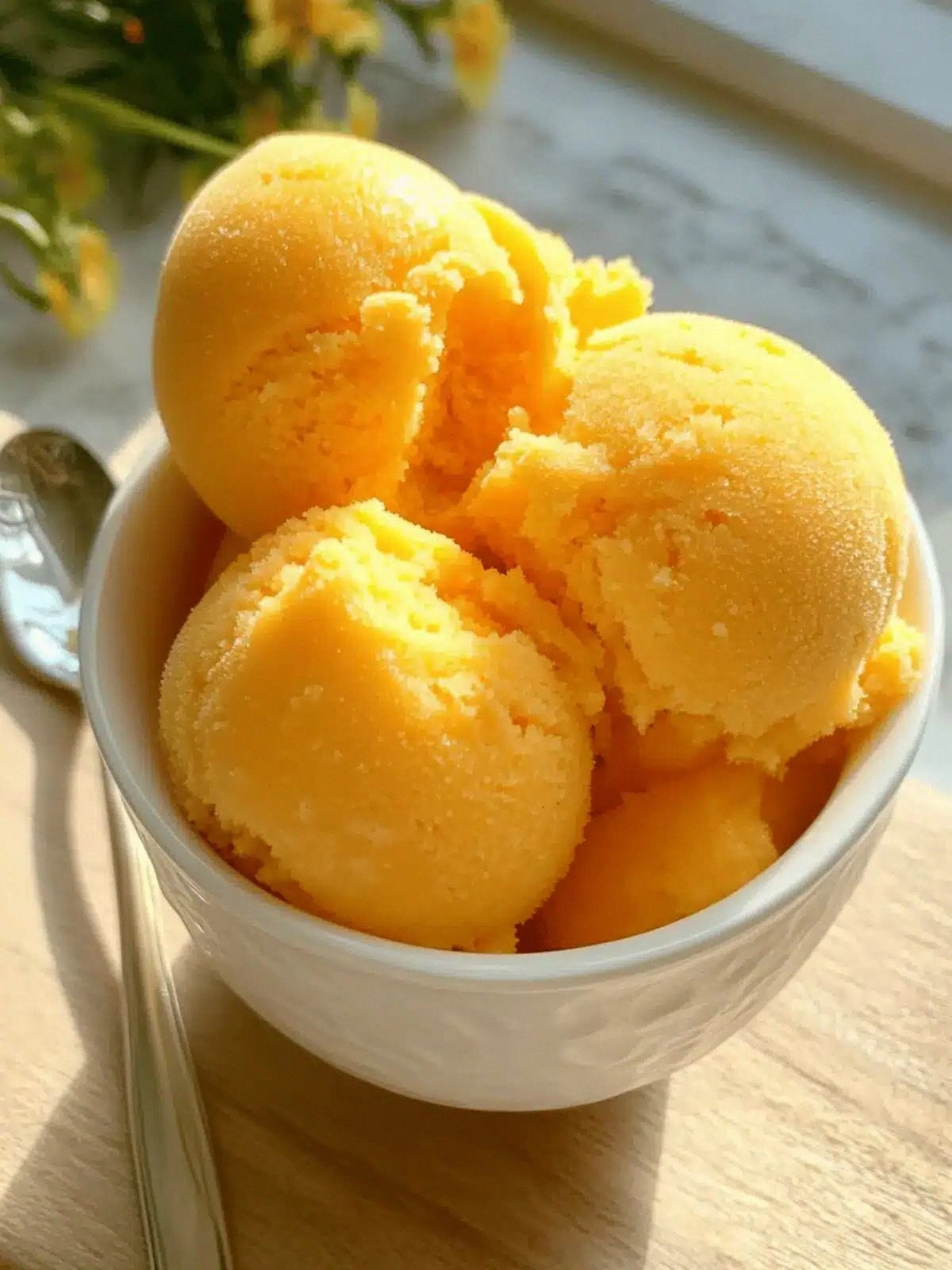
The Method — Step by Step
- Gather your frozen peaches, lemon juice, and honey in a blender or food processor. Make sure the peaches are fully frozen; this keeps the sorbet from becoming watery.
- Add the lemon juice to the blender first, then pour in the frozen peaches. The acid will help break down the fruit fibers and keep the mixture bright.
- Pulse the blender on high until the peaches are completely pureed, then let the mixture sit for 5 minutes to allow the flavors to meld. This resting period is crucial for achieving the perfect balance of sweetness and acidity.
- If you’re using an ice cream maker, transfer the puree into the machine and churn according to the manufacturer’s instructions, usually about 20–25 minutes. The churned mixture will develop a light, airy texture that’s characteristic of high‑quality sorbet.
- If you don’t have an ice cream maker, pour the mixture into a shallow metal container and freeze for 30 minutes. Then, stir vigorously with a fork to break up any ice crystals before returning it to the freezer.
- Repeat the stirring process every 30 minutes for the first two hours to ensure a smooth consistency. This technique mimics the churning process and prevents ice crystals from forming.
- Once the sorbet is firm but still scoopable, let it rest at room temperature for 5 minutes before scooping. This short rest allows the sorbet to soften just enough for a silky mouthfeel.
- Serve immediately in chilled glasses or bowls, garnishing with a sprig of fresh mint or a thin slice of peach for an elegant touch.
- If you prefer a firmer texture, return the sorbet to the freezer for an additional 30 minutes before serving. This final chill locks in the flavor and gives the sorbet a more substantial bite.
Insider Tricks for Flawless Results
The Temperature Rule Nobody Follows
Many chefs think cold ingredients are enough, but the sorbet’s temperature should be between -10°C and -15°C for the best texture. This range ensures the mixture stays pliable during churning, preventing ice crystals from forming. If you’re using a manual churn, pre‑cool the bowl for at least an hour. The trick is to keep the mixture just cold enough to freeze slowly, which creates the signature airy feel.
Why Your Nose Knows Best
Before you taste the first scoop, sniff the sorbet. A bright, citrusy aroma indicates the lemon is fresh enough and the peaches are not overripe. If the smell leans too sweet or floral, you might have over‑honeyed the batch. Adjusting the honey after this sniff test can prevent a cloying finish. Your nose is a reliable guide, so trust it.
The 5‑Minute Rest That Changes Everything
After churning, let the sorbet sit for exactly five minutes before scooping. This brief pause allows the ice crystals to relax, giving the sorbet a silkier mouthfeel. It also lets the flavors settle, so the first bite is perfectly balanced. Skipping this step can leave the sorbet feeling too icy or overly sweet.
The Secret of Using a Stainless‑Steel Bowl
A stainless‑steel bowl keeps the mixture cold and prevents heat buildup during stirring. This is especially helpful if you’re using a hand‑crank churn. The metal’s conductivity helps maintain an even temperature, ensuring a smooth, consistent texture. A plastic bowl can warm up quickly, leading to uneven freezing.
The Magic of a Tiny Splash of Water
If your sorbet feels too thick, add a teaspoon of cold water and stir. This tiny splash can break up ice crystals and restore a silky texture without diluting the flavor. Use a cold water source to avoid raising the mixture’s temperature. This trick is a lifesaver when you’re in a hurry.
The Final Chill: How Long Is Too Long?
After the first freeze, store the sorbet in an airtight container. If you leave it in the freezer for more than 72 hours, the texture may become overly hard and lose its airy quality. A gentle thaw at room temperature for 5 minutes before serving keeps the sorbet smooth. This balance between firmness and softness is what makes a perfect sorbet.
Creative Twists and Variations
Basil‑Infused Peach Sorbet
Add a handful of fresh basil leaves to the blender before pureeing. The herb’s peppery undertone pairs beautifully with peach, creating a sophisticated flavor profile. Keep the basil to a minimum—just enough to impart aroma without overwhelming the fruit. Serve with a drizzle of honey and a basil leaf garnish for a visual pop.
Citrus Burst with Orange and Lime
Replace the lemon juice with a mix of freshly squeezed orange and lime. The orange adds a sweet depth, while the lime contributes a sharp brightness. Adjust honey to balance the citrusy tang. This version feels like a tropical escape, perfect for beachside gatherings.
Spiced with Cinnamon and Nutmeg
Stir in a pinch of ground cinnamon and a dash of nutmeg after blending. The warm spices complement the peaches, creating a cozy, autumnal flavor. Use the spices sparingly—one pinch each is enough to elevate the dish. This variation works well as a dessert for cooler evenings.
Boozy Peach Sorbet with Bourbon
Add a splash of bourbon to the mixture after churning. The alcohol enhances the peach’s natural sweetness and adds a subtle smoky note. Keep the amount to 1-2 tablespoons; too much will overpower the delicate flavor. Serve in clear glasses to showcase the beautiful amber hue.
Berry Fusion
Blend in a cup of frozen strawberries or blueberries along with the peaches. The berries introduce a tart contrast that brightens the sorbet. Adjust honey slightly to account for the berry sweetness. This fusion is a colorful, nutrient‑dense treat.
Vegan Chocolate Swirl
Swirl in a thin ribbon of melted dark chocolate after the sorbet has churned. The chocolate adds richness without dairy, making it a vegan‑friendly option. Use a high‑cocoa chocolate for a deep, bittersweet finish. This twist turns the sorbet into a decadent dessert.
Storing and Bringing It Back to Life
Fridge Storage
Keep the sorbet in a tightly sealed container in the refrigerator for up to 48 hours. The cool temperature slows crystallization, maintaining the smooth texture. Before serving, give it a quick stir to redisperse any settled fruit. This method is ideal for day‑ahead parties.
Freezer Friendly
Store the sorbet in a freezer‑safe container with a vented lid to prevent condensation. It can remain frozen for up to one week without significant loss of quality. For best results, freeze on a flat surface so the sorbet layers evenly. This makes it a convenient grab‑and‑go snack.
Best Reheating Method
If the sorbet has hardened, let it sit at room temperature for 5 minutes before scooping. For a quicker thaw, place the container in a bowl of cold water for 2–3 minutes. Avoid microwaving, as it can melt the sorbet unevenly and alter the flavor. A gentle thaw restores the silky mouthfeel.
Final Thoughts
The moment I first tasted this sorbet, I was convinced that simplicity could be a superpower. The combination of frozen peaches, a splash of lemon, and a drizzle of honey creates a dessert that feels both indulgent and wholesome. I’ve seen friends reach for the spoon twice, and that’s a win in my book. The beauty of this recipe is that it adapts to whatever you have on hand—whether you’re a seasoned chef or a kitchen novice.
I’ve spent countless evenings experimenting with variations, and each one has taught me a new lesson about flavor balance. The key takeaway? Keep the core simple, then let your creativity roam. The sorbet’s airy texture is a canvas for herbs, spices, or even a splash of liqueur. The result is a dessert that feels like a personal masterpiece.
The best part of this recipe is its resilience. It can survive a busy weeknight, a weekend brunch, or a spontaneous picnic. The ingredients are pantry staples, and the process is straightforward enough that even a first‑time blender user can master it. And when you finally taste it, you’ll know why this is hands down the best version you’ll ever make at home.
If you’ve ever struggled with frozen desserts that turn out icy or heavy, this sorbet is a game‑changer. The micro‑challenges—like timing the rest period and managing temperature—are all part of the fun. I dare you to taste this and not go back for seconds. Your palate will thank you, and your friends will ask for the recipe. So go ahead, make the sorbet, and enjoy a slice of summer in every spoonful.